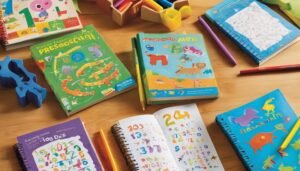
First grade math practice books are vital tools that can help your child build a strong foundation in essential skills. These resources often blend fun activities with critical concepts like addition and subtraction, making learning enjoyable. By focusing on age-appropriate content, you can create a positive math experience. But how do you choose the right book? Let’s explore some key features and tips to ensure your child gets the most out of their math practice.
Understanding the Importance of Math Practice for First Graders
This can significantly reduce math anxiety, a common issue for many young learners. By establishing a solid grasp of numbers, addition, and subtraction early on, you’re helping your child feel more comfortable tackling more complex problems later.
Regular practice helps them recognize patterns and develop critical thinking skills. So, make math a fun part of your routine, and watch as your first grader blossoms into a confident, capable learner ready to face new challenges with enthusiasm.
Fun Activities to Enhance Learning
To make math practice enjoyable for first graders, incorporating fun activities can greatly enhance their learning experience. You can engage them with interactive games that motivate and excite. Hands-on activities, like using blocks or drawing shapes, help solidify concepts in a tangible way.
Here’s a table of some enjoyable activities to try:
| Activity | Description |
|---|---|
| Math Scavenger Hunt | Search for items that add up to a number. |
| Shape Art | Create art using different shapes. |
| Number Line Hop | Jump to the right number on a line. |
| Bingo Math | Play bingo with math problems! |
These activities not only make learning fun but also foster a love for math that lasts a lifetime!
Essential Features to Enhance First Grade Math Practice Books

When selecting math practice books for first graders, it’s vital to look for features that truly engage young learners.
Consider books that include interactive elements, like puzzles and games, which encourage hands-on participation. These activities make math feel more like play, helping kids stay motivated.
Visual aids, such as colorful charts and illustrations, can also enhance understanding by providing clear visual representations of concepts.

Look for books that balance these elements, ensuring that kids not only practice their skills but also enjoy the learning process.
Incorporating both interactive components and appealing visuals fosters a positive attitude toward math, laying a strong foundation for future learning.
Choose wisely, and you’ll see your first grader thrive!
Choosing the Right Math Practice Book?
How do you choose the right math practice book for your first grader? Start by considering their current skill level. Conduct skill assessments to pinpoint areas where your child needs more practice.
Look for book recommendations that align with these needs, ensuring the content is engaging and age-appropriate. Check for interactive elements or colorful illustrations that can keep your child motivated.
It’s also helpful to choose books that offer a variety of exercises, from basic addition to simple word problems, so your child can build confidence gradually.
Lastly, read reviews from other parents to find out which books have made a positive impact. With the right book, your child will enjoy learning math while mastering essential skills!
Tips for Maximizing Benefits of Math Practice at Home
While you’re helping your first grader with math practice at home, creating a structured yet fun environment can significantly enhance their learning experience.
Start by mixing engaging worksheets with interactive games to keep their interest alive. Set a consistent schedule, making math practice a regular part of their day.
Mix engaging worksheets with interactive games, and establish a consistent schedule to make math practice enjoyable and routine.
Use rewards, like stickers or extra playtime, to celebrate their achievements and motivate them further. Encourage them to explain their thought process, which reinforces their understanding.
Lastly, be patient and positive; a supportive atmosphere helps build confidence.
Frequently Asked Questions
What Age Range Is Suitable for First Grade Math Practice Books?
First grade math practice books typically suit children aged 6 to 7. At this stage, you’ll find age expectations and skill benchmarks align well, helping your child develop essential math skills confidently and effectively.
How Do I Assess My Child’s Math Proficiency Level?
You can assess your child’s math proficiency level by using math assessment strategies like quizzes or games. Compare their results against proficiency benchmarks to identify strengths and areas needing improvement, ensuring a tailored learning experience.
Are There Digital Versions of First Grade Math Practice Books?
Yes, there are digital resources available for first grade math practice. You can find interactive exercises online that make learning fun and engaging, helping your child grasp concepts while enjoying a dynamic learning experience.
Can Math Practice Books Support Learning for Special Needs Students?
Absolutely! Studies show that 80% of special needs students thrive with adaptive strategies. Math practice books offer inclusive resources, helping you tailor lessons to meet diverse learning needs and boost confidence in every student’s abilities.
How Often Should My Child Use the Math Practice Book?
Your child should use the math practice book as part of their daily routine. Consistent practice helps reinforce concepts, making learning easier and more effective. Aim for short, focused sessions to maintain engagement and build confidence.
Conclusion
Incorporating first grade math practice books into your child’s routine can make a world of difference. As the saying goes, “Practice makes perfect.” By choosing engaging materials and creating a fun learning environment, you’ll not only boost their math skills but also build their confidence. Remember, nurturing a positive attitude towards math now sets the stage for future success. So, dive in together, and watch them thrive!