Navigating the minefield of dietary choices while breastfeeding can feel like you're walking through a nutritional minefield, where every bite could be critical for your baby's development and your own health. You've probably heard that you should steer clear of high mercury fish and limit your caffeine intake, but the intricacies go much deeper. What about the spicy foods you love or that comforting cup of herbal tea? Deciding what to steer clear of isn't just about avoiding harmful effects; it's also about ensuring the quality of your breast milk. Let's explore how some seemingly harmless foods might not be the best choice during this sensitive period. What might those be? Stick with me to uncover some surprising truths.
Key Takeaways
- Avoid high mercury fish like shark and swordfish to protect the infant's nervous system.
- Limit caffeine intake to 200-300 mg per day to reduce infant fussiness and sleep issues.
- Steer clear of alcohol as it can disrupt the baby's sleep and slow their metabolism.
- Reduce consumption of spicy foods, garlic, and onions that might cause colic or irritability in infants.
- Minimize processed junk foods to enhance the nutritional quality of breast milk.
High Mercury Fish
While breastfeeding, it's crucial to limit your consumption of high mercury fish, such as shark, swordfish, king mackerel, and tilefish. High mercury levels in these fish can harm an infant's developing nervous system.
Understanding which fish pose risks and choosing safer alternatives is key to protecting your baby's health. High mercury sources aren't just limited to the fish mentioned. You should also be cautious with white tuna and marlin.
Mercury accumulates in these large, predatory fish due to their long lifespans and high position in the food chain. By avoiding these, you're taking a significant step in reducing potential mercury exposure to your child.
Instead, focus on fish alternatives that are low in mercury and high in essential nutrients like omega-3 fatty acids, which are crucial for your baby's brain development.
Salmon, sardines, and trout are excellent choices. These options provide the benefits of seafood without the risks associated with high mercury content.
Caffeine Consumption
Now that we've covered the importance of avoiding high mercury fish, let's talk about another dietary consideration for breastfeeding mothers: caffeine consumption. You might be wondering how much caffeine is safe while you're breastfeeding.
It's important to understand that caffeine does pass into breast milk, although in much smaller amounts than what you consume. Most experts agree that moderate caffeine consumption, typically up to about 200-300 mg per day (equivalent to 2-3 cups of coffee), is generally safe for most breastfeeding mothers and their babies.
However, be aware of caffeine sources like coffee, tea, soft drinks, and chocolate. Each has varying caffeine levels, so keeping track can help you stay within safe limits.
Notice how your baby reacts. Some infants, particularly newborns, might be more sensitive to your caffeine intake, showing signs like fussiness or poor sleep patterns.
If you find caffeine affects your baby, consider caffeine alternatives. Herbal teas and decaffeinated coffee are great substitutes that can help keep your energy levels up without the potential side effects on your baby.
Always prioritize your child's health and observe how changes in your diet affect their well-being.
Citrus Fruits

Switching our focus to citrus fruits, it's essential to consider how these might affect your breastfeeding journey. Citrus fruits, such as oranges, lemons, and grapefruits, are packed with vitamin C, vital for both you and your baby.
However, they can also introduce some challenges. You might be aware that citrus fruits can sometimes cause citrus allergies in babies. This is rare, but it's something to watch out for. Symptoms can include fussiness, rashes, or a runny nose after breastfeeding. If you notice these signs, it's worth discussing them with your pediatrician. They can help determine if what you're eating might be affecting your little one.
Additionally, while citrus fruits are beneficial for vitamin absorption, particularly iron, they can be quite acidic. This acidity isn't directly harmful to your baby, but it may cause mild reactions such as diaper rash or spitting up more frequently than usual.
It's not necessary to eliminate citrus entirely from your diet, but you might consider moderating your intake. You could also try introducing these fruits slowly to observe how your baby reacts, ensuring their comfort and health as you continue to provide nourishment through breastfeeding.
Spicy Foods
You might've heard that eating spicy foods can affect your breastfed baby. While many new mothers worry about this, the impact of spicy foods on breastfeeding is quite nuanced.
It's important to understand that spicy food reactions in babies can vary significantly. Some infants might experience irritability or slight digestive upset, but these aren't common.
Research suggests that the flavors of what you eat can pass into your breast milk, subtly changing its taste. This isn't necessarily harmful and can depend on cultural spice preferences. In cultures where spicy food is a staple, babies often adapt to these flavors early on.
Introducing a variety of tastes through breast milk might even help your baby become a more adaptable eater later in life.
If you notice your baby is unusually fussy or has a rash after you consume spicy foods, it might be worth considering moderating your intake. However, this doesn't mean you need to avoid spices entirely.
Watching your baby's reactions carefully and adjusting your diet as needed can be a sensible approach. Remember, each baby is different, and what affects one mightn't affect another.
Always consult your healthcare provider if you're concerned about your diet or your baby's health.
Dairy Products
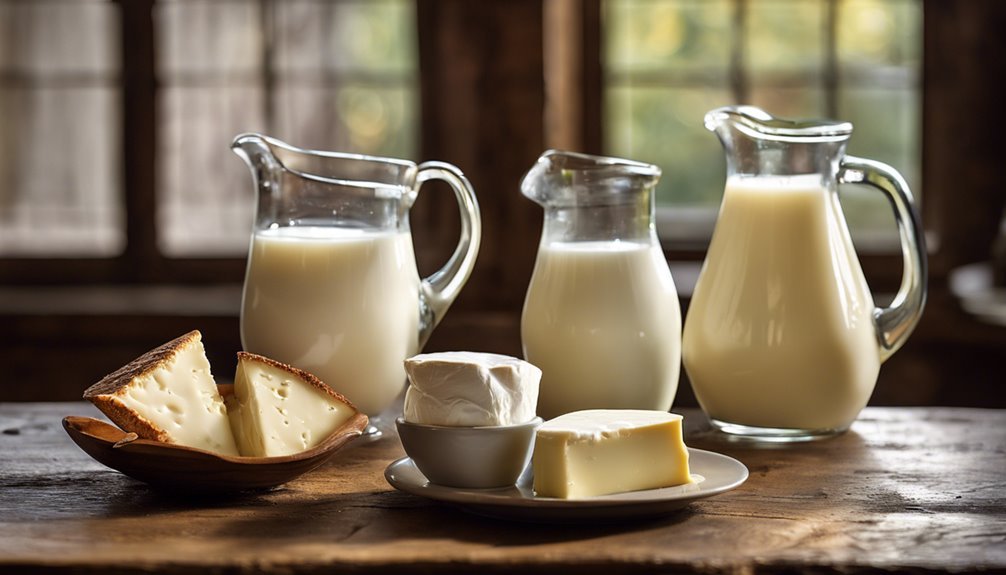
Many breastfeeding mothers find that their consumption of dairy products can influence their baby's comfort and digestive health. If you've noticed fussiness, gas, or lactose intolerance symptoms in your baby, dairy might be the culprit.

It's important to observe how your child reacts after nursing, as this can provide clues about potential sensitivities.
Lactose intolerance in infants typically manifests as diarrhea, excessive crying, and even skin rashes. Since these symptoms can cause discomfort for your little one, you may want to try eliminating dairy from your diet temporarily to see if there's an improvement.
This doesn't mean you have to miss out on essential nutrients, though.
Exploring dairy alternatives can be beneficial. Options like almond milk, soy milk, and oat milk not only avoid triggering lactose intolerance but also provide you with vital vitamins and minerals.
These alternatives often come enriched with calcium and vitamin D, ensuring you don't lose out on key nutrients necessary for both your health and your baby's growth.
Peanuts and Tree Nuts
Have you considered the impact of consuming peanuts and tree nuts while breastfeeding? While nuts are a good source of essential nutrients, they can also pose risks, particularly if there's a history of nut allergies in your family. Peanuts and tree nuts are among the most common allergens. When you consume these nuts, small protein traces can pass into your breast milk and potentially sensitize your baby, leading to an allergic reaction.
Breastfeeding benefits include providing your baby with natural immunity boosts and optimal nutrition, but introducing allergens requires caution. The current guidelines suggest that if there's no family history of nut allergies, consuming them while breastfeeding can actually help build your baby's tolerance.
However, if allergies are a concern, it might be safer to avoid these nuts to prevent any potential sensitization.
It's crucial to monitor your baby for any signs of allergic reactions, such as rashes, difficulty breathing, or gastrointestinal discomfort, whenever introducing allergenic foods into your diet.
Always consult with your pediatrician or an allergist for personalized advice tailored to your family's health history. This proactive approach can help ensure the well-being of your baby while maintaining the breastfeeding benefits.
Chocolate

Why might chocolate be a concern for breastfeeding mothers? Chocolate, particularly dark chocolate, contains caffeine, which can affect your baby similar to how it affects you. Caffeine in your breast milk might make your baby irritable or interfere with their sleep. It's important to monitor how your child reacts after you consume chocolate.
Still, don't let this discourage you completely. Dark chocolate benefits your health by providing antioxidants, improving heart health, and even boosting your mood. The key is moderation. If you're experiencing chocolate cravings, consider limiting yourself to a small piece of dark chocolate daily. This moderate approach allows you to enjoy the benefits while minimizing potential negative effects on your baby.
Remember, each baby is unique. What might cause a reaction in one, mightn't in another. It's wise to keep a food diary to track what you eat and how it affects your baby. This can help you pinpoint any sensitivities or adverse reactions.
As you navigate your diet during this special time, always prioritize your baby's needs and responses. Adjusting your consumption of certain foods, like chocolate, is just one way you can ensure their health and your peace of mind.
Alcohol
While monitoring your chocolate intake is one aspect of managing your diet while breastfeeding, it's also important to consider the effects of consuming alcohol. Understanding alcohol effects is crucial for the health of both you and your baby.
Here are some key points about alcohol consumption while breastfeeding:
- Alcohol Transfer: Alcohol can pass into your breast milk, affecting your baby's development. Typically, the alcohol level in breast milk peaks around 30 to 60 minutes after consumption.
- Impact on Baby: Babies metabolize alcohol at a much slower rate than adults. Even a small amount can impact a baby's sleep patterns and early development.
- Breastfeeding Guidelines: It's advised to avoid alcohol, but if you do drink, wait at least 2 hours per drink before breastfeeding. This helps minimize alcohol's presence in your breast milk.
- Alternatives: Consider non-alcoholic beverages during this period to eliminate any risk associated with alcohol consumption.
Being informed and cautious about your intake ensures that you're doing the best for your baby's health and development.
Garlic and Onions
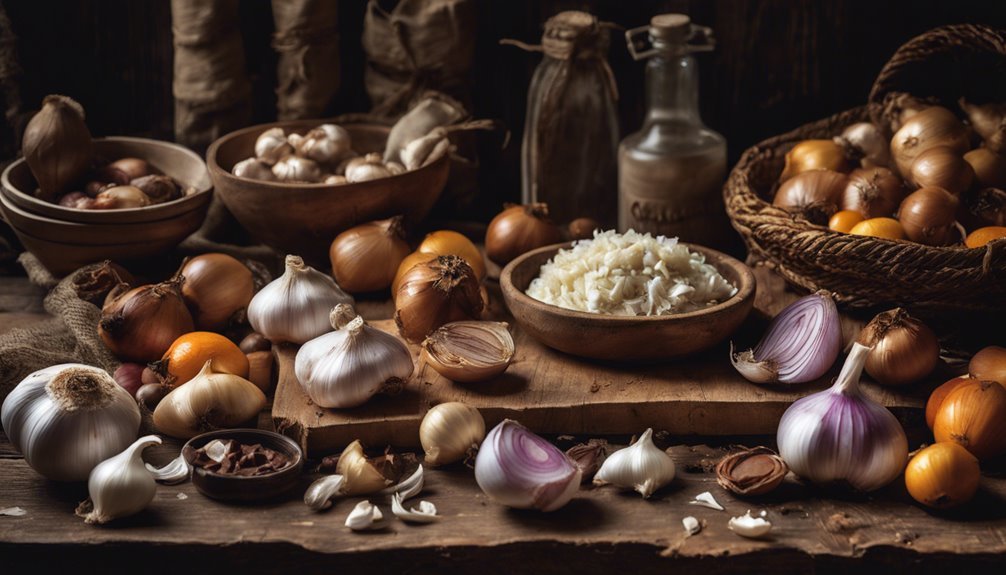
When considering foods to limit during breastfeeding, garlic and onions often come up due to their potential impact on your baby's digestive comfort. Both garlic and onions can pass through your milk and may cause colic or irritability in some infants.
If you notice your baby seems unusually fussy or gassy after meals that include these ingredients, it might be worth exploring if they're sensitive.
Garlic sensitivity in babies isn't common, but it can manifest as increased discomfort or a noticeable change in feeding patterns. Similarly, the distinctive onion odor can remain in breast milk, which might alter its taste slightly. This change can sometimes lead to your baby being reluctant to feed, which can be distressing for both of you.
If you suspect a link between what you're eating and your baby's reactions, try eliminating garlic and onions from your diet temporarily to see if there's an improvement.
It's always a good idea to discuss these changes with your pediatrician or a lactation consultant to ensure you're still meeting your nutritional needs while breastfeeding.
Wheat and Gluten
Have you considered that wheat and gluten in your diet might affect breastfeeding? If you or your baby are sensitive to these components, monitoring your intake could be crucial.
Here's why understanding the impact of wheat and gluten is essential:
- Immune Reactions: Some babies have gluten sensitivity or wheat allergies, which can manifest as colic, eczema, or respiratory issues. These reactions often improve when wheat and gluten are eliminated from the nursing mother's diet.
- Digestive Discomfort: Gluten can cause inflammation in the gut, particularly for those with celiac disease or non-celiac gluten sensitivity. This might lead to discomfort for both you and your baby.
- Behavioral Changes: Irritability and sleeping difficulties in infants can sometimes be linked to the mother's diet, including wheat and gluten consumption.
- Nutrient Absorption: Gluten sensitivity can impair the absorption of essential nutrients, potentially affecting the quality of your breast milk.
To serve your child best, consider getting tested for gluten sensitivity and wheat allergies. Consulting with a healthcare provider can provide guidance tailored to your specific health needs, ensuring you both remain happy and healthy.
Processed Junk Foods

Turning your attention to processed junk foods, it's crucial to understand their potential impact on breastfeeding. These foods are often high in unhealthy fats, sugars, and additives but low in essential nutrients that both you and your baby need during this critical time.
Consuming a diet rich in processed foods can affect your milk's quality and may influence your baby's development and health.
To support your body and ensure your baby gets the best, consider nutritional alternatives that are rich in vitamins, minerals, and other vital nutrients. Whole foods like fruits, vegetables, lean proteins, and whole grains are excellent choices. They not only provide superior nutrition but also help in maintaining your energy levels and overall health.
Moreover, meal prepping can be a game changer. By planning and preparing your meals ahead of time, you're more likely to eat healthy and resist the temptation of convenient junk food.
This habit not only nurtures your body but also saves you time, allowing you to focus more on your baby and less on what to eat next.
Certain Herbal Supplements
In addition to processed foods, you should also be cautious about certain herbal supplements while breastfeeding. While some herbal remedies are safe and can even boost lactation, others might affect your baby's health negatively or decrease milk supply.
Here's what you need to know about herbal supplements during this sensitive period:
- Peppermint and Parsley: These herbs, often found in herbal teas, can potentially decrease your milk supply. It's best to consume them in moderation and observe any changes in your milk production.
- Fenugreek: While commonly used to increase milk supply, fenugreek can cause gastrointestinal issues in some mothers and babies. If you or your baby experience discomfort, it might be wise to discontinue use.
- St. John's Wort: Known for treating depression, this herb can also lead to colic, drowsiness, or lethargy in breastfed infants. Consult your healthcare provider before using this supplement.
- Ginseng: Often touted for its energy-boosting properties, ginseng isn't recommended during breastfeeding due to potential hormonal effects that mightn't be safe for your infant.
Always discuss any use of herbal remedies or herbal tea with a healthcare professional to ensure they're safe for both you and your baby.
Your vigilance helps protect and nurture your little one during this vital time.
Frequently Asked Questions
Can Breastfeeding Mothers Eat Food Cooked With Wine or Beer?
Yes, you can eat foods cooked with wine or beer.
During wine cooking, the alcohol absorption into food varies. Most alcohol burns off during the cooking process, leaving only minimal amounts.
For most breastfeeding mothers, this is generally considered safe. However, it's important to consume such dishes in moderation.
Always observe how your baby reacts, and if you notice any changes, you might want to consult with your healthcare provider.
How Does Maternal Diet Affect Baby's Sleep Patterns?
Your maternal diet can significantly impact your baby's sleep patterns.
Studies show that babies whose mothers consume caffeine or spicy foods often experience disrupted sleep.
By monitoring your diet, particularly avoiding stimulants and potential allergens, you can help ensure your baby enjoys more restful sleep.
This not only supports your baby's health and development but also enhances your ability to serve and care for them effectively, fostering a nurturing environment.
Are Artificial Sweeteners Safe During Breastfeeding?
When considering artificial sweeteners during breastfeeding, it's essential to prioritize safety.
Most sweeteners, like aspartame and sucralose, are generally recognized as safe in moderation. However, it's wise to limit their intake as studies are ongoing about their long-term effects.
Always check with your healthcare provider to tailor dietary choices that best support both you and your baby's health.
Opting for natural sweeteners might be a safer alternative.
Can Breastfeeding Help in Postpartum Weight Loss?
Yes, breastfeeding can indeed help with postpartum weight loss. By providing essential nutrients to your baby, you're also boosting your own postpartum nutrition.
The process burns extra calories, aiding in gradual weight loss. Remember, while breastfeeding benefits include weight management, it's vital to maintain a balanced diet to support both your health and your baby's.
Focus on whole foods and stay hydrated to optimize your health and aid recovery.
Is It Necessary to Increase Caloric Intake While Breastfeeding?
You might wonder if you need to eat more while breastfeeding. Absolutely! Your body's caloric requirements increase as breastfeeding metabolism ramps up to nourish your baby.
Typically, you'll need about 300-500 extra calories per day. It's crucial to choose nutritious foods that support your energy needs.
This not only helps you feel better but ensures your baby gets all the essential nutrients. Always consult a healthcare provider to tailor your intake appropriately.
Conclusion
As you navigate the garden of motherhood, remember, certain foods are weeds best pulled out. Avoiding high mercury fish protects your baby's growing mind, while steering clear of junk food nurtures your body's garden. Moderation is key with caffeine and alcohol, ensuring your little one's rest isn't disturbed. Consulting with healthcare experts will help you cultivate the best nourishment for both you and your baby, letting your shared journey bloom healthily and happily.