
As you navigate the nourishing journey of breastfeeding, consider your kitchen a treasure trove of milk-boosting gems. Foods like oats, rich in iron and known for enhancing milk supply, along with fenugreek and barley, could be pivotal in your daily diet. You're probably aware that adequate hydration and a balanced diet are crucial, but have you ever wondered which specific nutrients play a key role in increasing lactation? Let's explore how these ingredients can be integrated into your meals effectively, ensuring you not only satisfy your hunger but also optimize your milk production for your little one. What might your next meal look like?
Key Takeaways
- Oats are a natural galactagogue, boosting milk supply with essential nutrients like iron and fiber.
- Fenugreek supplements can enhance milk production; consult a healthcare provider before use.
- Brewer's yeast is rich in vitamins and minerals, supporting lactation when added to foods.
- Barley contains beta-glucan, which stimulates prolactin, aiding in increased milk supply.
- Incorporate protein-rich foods like chicken breast, lentils, and Greek yogurt to support lactation.
Understanding Breastfeeding and Diet
While it's essential for all mothers to maintain a balanced diet, when you're breastfeeding, your nutritional choices can directly influence both the quantity and quality of your milk production.
It's crucial to debunk some common breastfeeding myths, especially concerning diet. One prevalent myth is that certain foods can drastically change your milk's quality overnight. In reality, nutrient absorption is a gradual process, and what you consume contributes to the milk's composition over time.
You need a variety of nutrients to ensure your milk is nourishing for your baby. Focus on whole foods rich in vitamins, minerals, and essential fatty acids. These include leafy greens, whole grains, lean proteins, and dairy products. Each plays a role in optimizing your milk for your baby's development and health.
Moreover, don't fall for the misconception that excessively restrictive diets will enhance your milk quality. Instead, a well-rounded diet supports better nutrient absorption, crucial for maintaining your energy levels and overall health.
The Importance of Hydration
Beyond maintaining a balanced diet, staying well-hydrated is equally important for breastfeeding mothers. Hydration plays a critical role in ensuring the adequate production of breast milk. Your body needs more fluids to keep up with the increased demands of milk production. It's not just about drinking water; you're replenishing the supply that your baby consumes.
You might wonder how much fluid is enough. While water intake varies depending on individual needs and environmental factors, aiming for about 8-10 glasses a day can be a good start. Don't wait until you're thirsty; by then, you're already on your way to dehydration. Here are some hydration tips to help you keep well-hydrated:
| Hydration Tip | Why It's Beneficial |
|---|---|
| Drink a glass of water | Keeps hydration levels steady, supports |
| with each meal | milk production. |
| Carry a water bottle | Encourages sipping throughout the day, |
| everywhere | convenient hydration. |
| Herbal teas count | Offers variety, can be comforting. |
| Decaffeinated options | Prevents dehydration, adds flavor variety. |
Oats: A Galactagogue Powerhouse
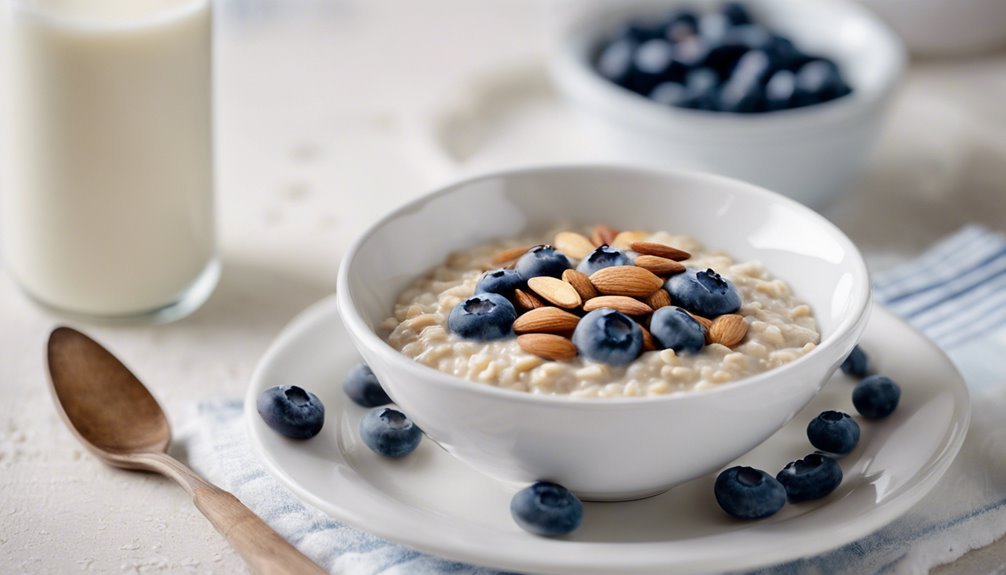
If you're looking for a natural way to boost your milk supply, consider incorporating oats into your daily diet. Oats are revered not just for their nutritional benefits but also for their effectiveness as a galactagogue, which can help enhance breast milk production.
Rich in iron, fiber, and essential nutrients, oats can be a wholesome part of your breastfeeding diet. Iron deficiency has been linked to decreased milk supply, and the high iron content in oats might help mitigate this.
Moreover, the comforting texture and warmth of oatmeal can also help stimulate the let-down reflex, which is crucial for successful breastfeeding.
You can enjoy the versatility of oats in many forms. A warm bowl of oatmeal might be the most straightforward way to include them in your meals, but don't overlook other options like oat-based granola or oat milk.
Oat milk, in particular, is a fantastic choice if you're looking to diversify your intake. It's not only a delicious alternative to dairy but also retains many of the oatmeal benefits that support lactation.
Incorporating oats into your diet can be a simple, effective strategy to naturally support your milk production while nurturing your body and meeting the needs of your little one.
Fenugreek: An Herbal Aid
Turning to fenugreek, you might find it an effective herbal remedy to increase your milk supply during breastfeeding. Widely recognized for its galactagogue properties, fenugreek seeds contain phytoestrogens that can help boost lactation.
To achieve noticeable results, a typical fenugreek dosage ranges from 500 to 1000 mg, taken three times a day. It's crucial, however, to start with a lower dose and gradually increase it to gauge how your body responds.
While fenugreek is generally safe, it's important to be aware of potential fenugreek side effects. Some mothers might experience mild digestive issues such as diarrhea or a maple syrup odor in their urine.
More rarely, fenugreek can cause hypoglycemia in some individuals, so it's vital to monitor your body's reaction, especially if you have underlying health conditions.
Always consult with a healthcare provider before starting fenugreek or any new supplement. They can provide personalized advice and ensure that it's suitable for your specific health profile.
Garlic's Lactation Benefits
Garlic, often celebrated for its bold flavor, also offers significant benefits for breastfeeding mothers seeking to enhance milk production. You may find it surprising, but including garlic in your diet can potentially boost the quantity and quality of your breast milk.
This natural galactagogue, a substance that promotes lactation, has been traditionally used across various cultures to aid nursing mothers.
While the exact mechanism by which garlic enhances milk production isn't fully understood, it's believed that certain compounds in garlic may help. Plus, nursing infants seem to enjoy the taste of garlic through breast milk, which might encourage more frequent feeding and, in turn, stimulate milk production.

Incorporating garlic into your meals is simple and beneficial. You can start by adding a couple of garlic cloves to your favorite dishes.
Garlic recipes are versatile; whether you're sautéing vegetables or preparing a hearty stew, garlic can enhance flavor while contributing to your lactation efforts.
The Magic of Leafy Greens
Leafy greens are a powerhouse of nutrients that can significantly support lactation in breastfeeding mothers. As you strive to nourish your newborn, incorporating these vibrant vegetables into your diet can make a notable difference.
Their nutrient density isn't just beneficial for your health; it's essential for your baby's growth and development as well.
Imagine integrating these leafy greens into your daily meals:
- Kale: Picture its dark, curly leaves steamed lightly or tossed fresh into a salad, bursting with vitamins that enhance your milk supply.
- Spinach: Envision this versatile green in your smoothies or omelets, quietly working to boost your iron levels and overall vitality.
- Swiss chard: Think of its bright red stems and green leaves sautéed in olive oil, a tasty dish that packs a punch of minerals.
- Collard greens: See yourself simmering these hearty leaves with garlic, infusing your body with much-needed folate and fiber.
Nutritional Benefits of Almonds
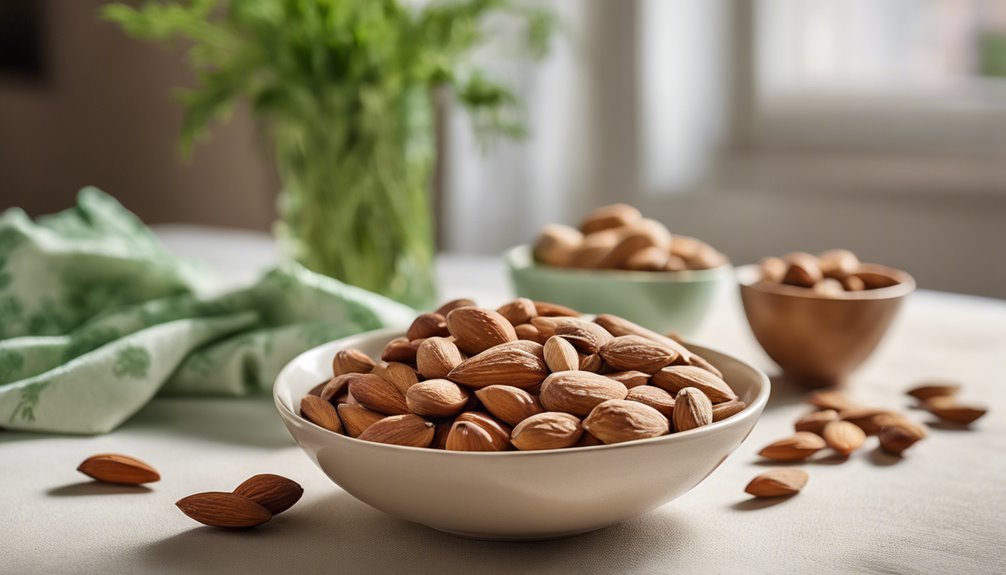
Many breastfeeding moms find almonds to be a valuable addition to their diet, not only for their versatility but also for their impressive nutritional profile. Packed with essential nutrients, almonds offer a remarkable source of energy and health benefits that are crucial during the postnatal period.
They're rich in calcium, which supports bone health for both you and your baby. Moreover, almonds are a great source of antioxidants and vitamin E, which help protect your cells from oxidative stress.
Including almonds in your diet can also enhance your overall well-being. They contain healthy fats, protein, and fiber, aiding in weight management and promoting a feeling of fullness, which can be particularly useful when you're adjusting to a new and demanding schedule.
Almond nutrition isn't just about eating them raw; there's a variety of almond recipes that can easily fit into your daily meals. From almond milk smoothies for a quick snack to ground almonds in your porridge or yogurt, these small additions can make significant nutritional contributions to your diet.
Brewer's Yeast and Milk Supply
Brewer's yeast is another powerhouse ingredient that can help boost your milk supply during breastfeeding. Recognized for its high nutritional value, brewer's yeast is rich in essential vitamins and minerals that not only support lactation but also enhance your overall well-being.
Here are some vivid images to help you envision incorporating brewer's yeast into your daily routine:
- *Imagine sprinkling the nutty, slightly bitter brewer's yeast over your morning oatmeal, mixing health with the sweetness of your favorite fruits.*
- *Visualize blending a scoop into your post-workout smoothie, giving it a creamy texture and a boost of energy.*
- *Think of stirring it into your soup or stew, enriching your meals with a savory depth of flavor.*
- *Picture baking it into your homemade breads or cookies, transforming everyday snacks into lactation-supporting treats.*
Flaxseeds for Omega-3
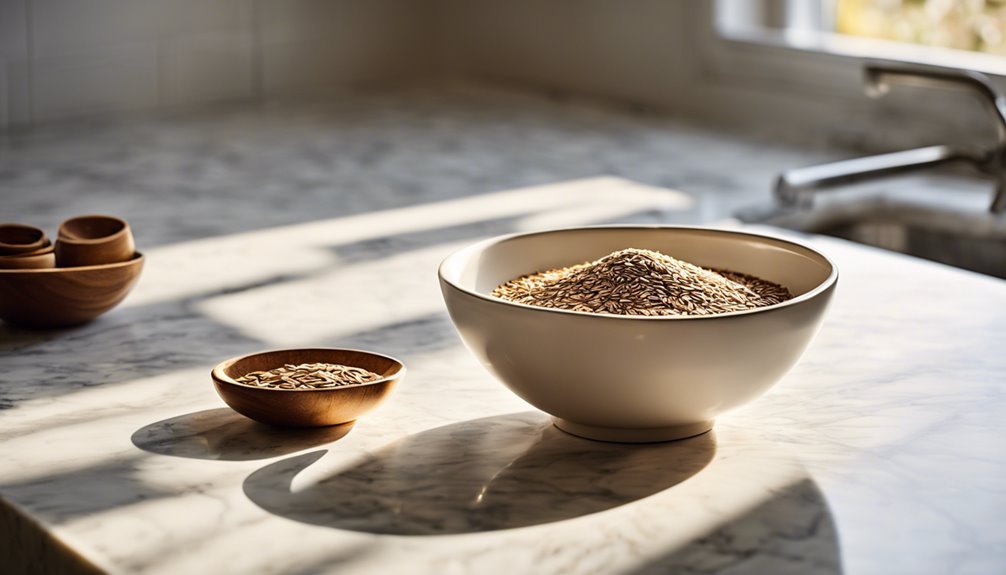
Shifting focus to another beneficial ingredient, flaxseeds are a superb addition to a breastfeeding mom's diet. Packed with essential nutrients, flaxseeds offer potent flaxseed benefits, particularly as excellent omega-3 sources.
These fatty acids are crucial not only for your own health but also play a vital role in the neurological development of your baby.
Consuming flaxseeds can help ensure that your body gets a steady supply of omega-3 fatty acids, which can be challenging to obtain from diet alone, especially if you're vegetarian or don't consume fish.
These seeds are versatile and can be easily incorporated into your daily meals. You can sprinkle ground flaxseeds over your morning cereal, blend them into smoothies, or mix them into yogurt or baked goods for an added nutritional boost.
Protein-Rich Foods for Lactation
Adequate protein intake is essential for breastfeeding moms as it significantly influences milk production.
As you nurture your baby, it's crucial to also nurture yourself by choosing the right protein sources that support lactation. Incorporating a variety of protein-rich foods into your meal planning can be a game changer, ensuring you're both healthy and well-prepared to meet the demands of new motherhood.
Here are some top protein choices to consider:
- Chicken breast: Lean and versatile, it can be grilled, baked, or stir-fried, making it a perfect staple for any meal.
- Lentils: These aren't only packed with protein but also fiber, helping you feel full and energized longer.
- Greek yogurt: With double the protein content of regular yogurt, it's a great snack or can be mixed into smoothies.
- Quinoa: This gluten-free grain contains all nine essential amino acids, making it a complete protein source.
Barley and Beta-Glucan
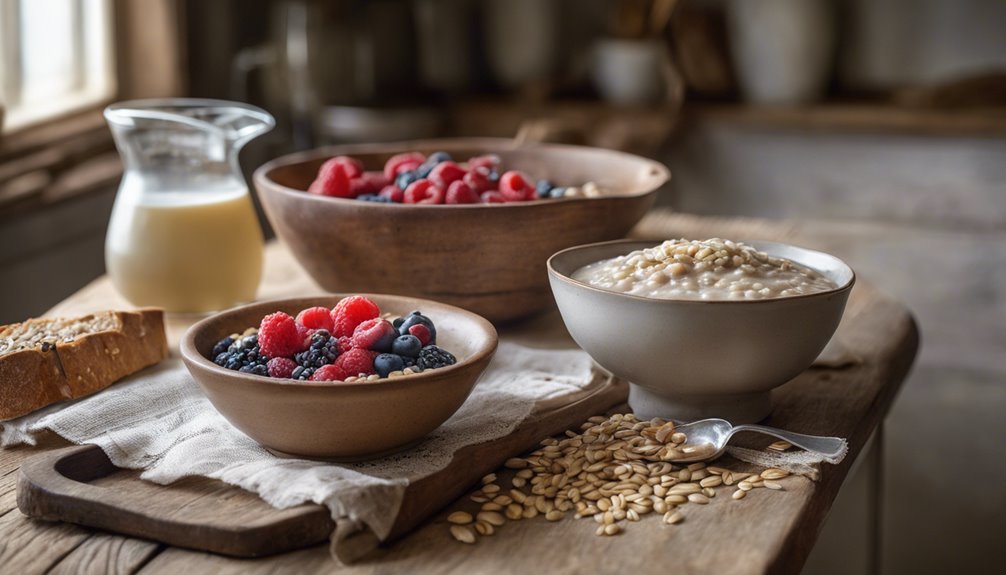
While protein is a key component of a lactating mom's diet, don't overlook the importance of specific grains that can also enhance milk production. Among these, barley stands out not only for its versatility in meals but also for its significant health benefits, particularly for breastfeeding moms. Barley is rich in dietary fibers, including beta-glucan, which is known for its positive effects on lactation.
Beta-glucan is a type of soluble fiber that's found abundantly in barley. It's believed to help naturally stimulate the production of prolactin, a hormone that's crucial for milk production. Including barley in your diet might just give you that boost in milk supply you're hoping for.
Here's a quick look at some of the key benefits of barley and sources of beta-glucan:
| Benefit/Sources | Description |
|---|---|
| Barley Benefits | High in fiber, supports digestion, aids in lactation. |
| Beta-Glucan Sources | Primarily found in barley, oats, and certain fungi. |
| Health Impact | Enhances immune function, regulates blood sugar. |
Incorporating barley into your diet can be as simple as adding it to soups, stews, or even using it as a rice substitute. It's not just good for you; it's also beneficial for your little one as you continue this beautiful journey of breastfeeding.
Balancing Meals for Optimal Supply
As you focus on integrating grains like barley into your diet, it's also essential to consider the overall balance of your meals to optimize milk production. Achieving the right balance isn't just about what you eat, but also when and how much. Meal timing and portion control play crucial roles in maintaining a steady supply of nutrients necessary for both you and your baby.
Consider these aspects to create balanced meals:
- Diverse Nutrients: Include a variety of foods from all food groups—proteins, fats, and carbohydrates—to ensure a comprehensive nutrient intake.
- Hydration: Drink plenty of fluids. Water, lactation teas, and natural juices can help maintain milk volume and your overall hydration.
- Scheduled Eating: Align your meals and snacks to maintain consistent energy levels throughout the day. This consistency helps in regulating your body's milk production.
- Mindful Portions: Pay attention to portion sizes to avoid overeating. Eating too much can make you feel uncomfortable and lethargic, whereas eating too little mightn't give you the calories needed for breastfeeding.
Balancing your meals effectively supports not just lactation, but your overall health, making you better equipped to care for your little one.
Frequently Asked Questions
Can Certain Spices Negatively Impact Milk Production?
Yes, certain spices can indeed affect your milk production.
While many lactation herbs, like fenugreek and fennel, are beneficial, others might reduce your supply. For instance, large amounts of peppermint and sage are known to decrease milk production.
It's essential to moderate your intake and observe how your body responds. If you're unsure, consulting a healthcare professional can provide personalized advice, ensuring both your health and your ability to nurture effectively are maintained.
Are There Any Foods That Decrease Milk Supply?
Yes, certain foods and beverages can indeed reduce milk supply.
Specifically, high caffeine intake and frequent alcohol consumption have been linked to decreased lactation.
It's like a parched garden; just as plants struggle without proper care, your milk supply can dwindle with these substances.
Being mindful of what you consume not only supports your health but also ensures you're able to serve and nourish your baby optimally.
How Quickly Can Diet Affect Lactation?
You might wonder how quickly dietary changes can impact your lactation.
It's quite fast! You can see changes in milk supply within a few days. Adjusting what you eat can either increase or decrease lactation speed effectively.
It's crucial to choose foods wisely and stay informed about their effects.
Always consider consulting a healthcare professional to ensure your diet supports your body's needs and enhances your ability to care for your little one.
Do Prenatal Vitamins Continue to Help During Breastfeeding?
Certainly! Prenatal vitamins, often packed with essential nutrients, continue to be beneficial during breastfeeding.
They're not just a foundation for a healthy pregnancy but also support your body as it nourishes your newborn.
These vitamins help fill any nutritional gaps in your diet, ensuring you both get the nutrients you need.
It's like ensuring your baby's first meals are as enriched and fortifying as possible, supporting their growth and your well-being.
Should Breastfeeding Moms Follow a Calorie-Restricted Diet?
You shouldn't follow a calorie-restricted diet while breastfeeding.
Your body's caloric needs increase during this time to support milk production and your overall health.
It's crucial to maintain a dietary balance that nourishes both you and your baby.
Cutting calories can't only reduce your milk supply but also deprive you of the necessary energy and nutrients.
Focus on eating a well-rounded diet to ensure you're both healthy and well-nourished.
Conclusion
Imagine sitting down to a nourishing meal, your plate brimming with creamy Greek yogurt, hearty oats, and fresh, aromatic garlic. Each bite not only satisfies your taste buds but also fuels your body, enhancing your ability to nourish your little one. As you sip on a barley-infused smoothie, feel empowered knowing each gulp supports your breastfeeding journey. Embrace this blend of nature's goodness, ensuring a plentiful milk supply and a thriving health for both you and your baby.