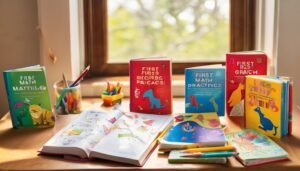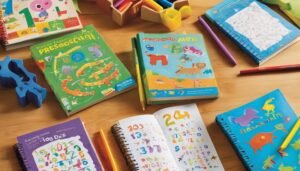
You might be surprised at how fun learning math can be for kids. Engaging math books transform tricky concepts into enjoyable stories that spark curiosity. With vibrant illustrations and relatable scenarios, these titles not only enhance understanding but also build confidence. Curious about which books can truly make a difference? Discover how the right choices can inspire a love for math that lasts a lifetime.
Why Fun Learning Math Books Matter for Kids
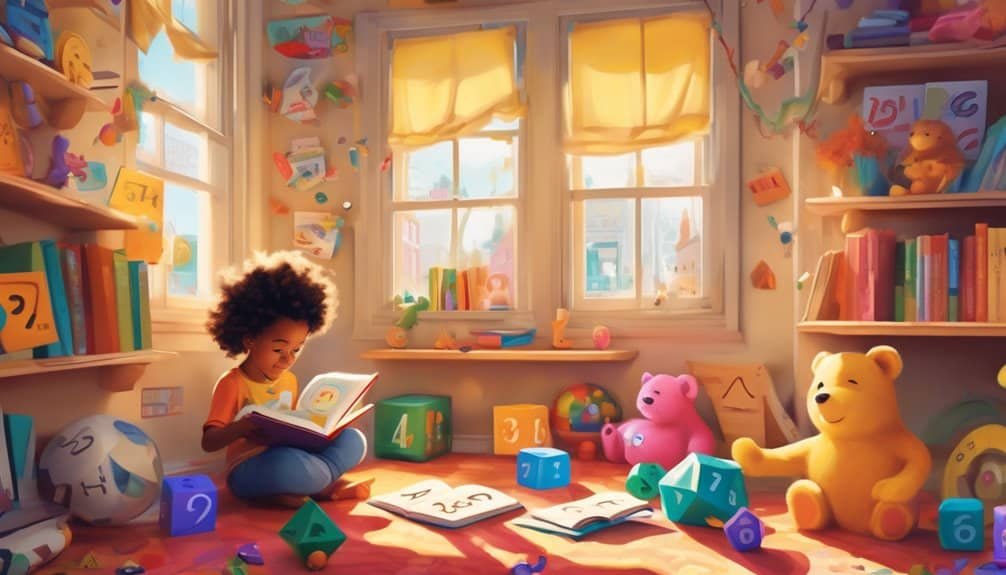
When kids dive into fun learning math books, they not only tackle numbers but also spark their curiosity and creativity.
These books transform math from a chore into an adventure filled with engaging activities. As they explore playful exploration, kids learn to solve problems and think critically, skills that extend far beyond math.
The colorful illustrations and interactive challenges keep them interested, making learning enjoyable rather than intimidating. With each turn of the page, they build confidence and develop a positive attitude towards math.
By incorporating real-world scenarios and relatable characters, these books help kids see math’s relevance in everyday life, inspiring them to embrace challenges with enthusiasm.
Fun math books truly lay the groundwork for a lifelong love of learning.
Top 5 Fun Math Books for Early Learners
Exploring fun math books can open up a world of excitement for early learners. Here are the top five picks that make math concepts come alive.
- “Math Curse” by Jon Scieszka – This clever tale turns everyday situations into math puzzles.
- “The Very Hungry Caterpillar” by Eric Carle – Use this classic to introduce counting and sequences through engaging activities.
- “Chicka Chicka 1 2 3” by Bill Martin Jr. – A rhythmic journey that combines numbers and letters.
- “Pete the Cat: The Great Leprechaun Chase” by James Dean – Offers fun math challenges in a whimsical story.
- “Ten Black Dots” by Donald Crews – Helps kids explore addition and subtraction with visual flair.
These books make learning math a joy!
Choosing the Right Math Book

How do you choose the right math book for your child? Picking the perfect one can make a big difference in their learning experience. Here are some tips to guide you:
Choosing the right math book for your child can significantly enhance their learning journey.
- Identify math book types: Look for story-based, activity-oriented, or concept-focused books.
- Check for engaging content: The book should captivate your child’s interest and encourage exploration.
- Consider your child’s level: Ensure the book aligns with their current understanding and challenges them appropriately.
- Read reviews: Look for recommendations from other parents or educators to find gems that have worked well for others.
Why Are These Books Important?
Math books play a crucial role in shaping a child’s understanding and appreciation of mathematics. They provide engaging narratives and colorful illustrations that capture attention and spark curiosity.
By using effective engagement strategies, these books encourage children to explore mathematical concepts in a fun way, making learning feel less like a chore and more like an adventure. Additionally, they support cognitive development by promoting critical thinking and problem-solving skills.
As kids interact with math through stories, they build connections to real-life situations, deepening their understanding. Engaging with fun math books not only enhances their numerical skills but also fosters a positive attitude toward learning, setting the foundation for future academic success.

Best Fun Math Storybooks for Creative Thinking

There are countless delightful storybooks that weave math into imaginative tales, making concepts like addition, subtraction, and geometry come alive.
These books not only entertain but also promote creative problem solving through engaging narratives. Here are some top picks that spark curiosity and inspire young minds:
- “The Math Curse” by Jon Scieszka: A humorous take on everyday math dilemmas.
- “Sir Cumference and the Dragon of Pi” by Cindy Neuschwander: A medieval adventure that introduces geometry.
- “Each Orange Had 8 Slices” by Paul Giganti: Fun illustrations that explore addition and subtraction.
- “Math Fables” by Greg Tang: Clever stories that emphasize problem-solving skills.
These imaginative storytelling gems make learning math fun and memorable, encouraging kids to think outside the box!
Hands-On Math Learning With Interactive Books
Building on the imaginative worlds found in storybooks, interactive math books take learning to a whole new level by blending hands-on activities with engaging content.
These books invite you to dive right in, offering interactive activities that make math concepts come alive. You’ll find yourself solving puzzles, measuring ingredients, or even creating your own shapes, all while enjoying the process.
Each page presents engaging challenges that motivate you to think critically and apply what you’ve learned. This hands-on approach not only reinforces skills but also builds confidence in your abilities.
Whether you’re a young learner or a curious adult, interactive math books transform the way you see math, making it a fun and rewarding experience.
Incorporating Math Games With Learning Books

Combining math games with learning books creates an exciting way to grasp mathematical concepts. You can enhance your understanding through game-based learning, making every lesson enjoyable.
Here are some engaging ways to incorporate interactive activities:
- Math Bingo: Use a bingo game with numbers or equations to reinforce skills.
- Board Games: Choose games that require strategic math thinking and problem-solving.
- Puzzle Books: Solve math puzzles that challenge your critical thinking while reading.
- Flashcard Challenges: Create flashcards for quick math games that can be played solo or with friends.
What Makes Math Books Fun for Kids?
Math books can be a treasure trove of fun for kids when they’re filled with vibrant illustrations, relatable characters, and interactive elements. Engaging activities grab their attention, turning learning into an adventure rather than a chore.
Think of puzzles, games, and colorful diagrams that spark curiosity. Playful challenges encourage kids to solve problems in creative ways, making concepts stick. Instead of dry equations, you’ll find stories woven around math, making it relatable and enjoyable.
When they see math as a game, it becomes less intimidating. Plus, the excitement of discovering new tricks or solving a challenging problem can boost their confidence.
Tips for Making Math Book Reading a Routine

To create a routine around reading math books, start by setting a specific time each day for this activity. Integrating math reading into your daily schedule makes it easier to develop consistent habits.
Here are some effective reading strategies to keep the experience engaging:
- Choose a cozy spot where you both feel comfortable and focused.
- Incorporate interactive elements, like solving puzzles or discussing problems from the book.
- Set goals for how many pages or chapters to read each week to maintain momentum.
- Reflect together on what you’ve read, encouraging questions and discussions to deepen understanding.
The Role of Illustrations in Math Learning
Illustrations play a crucial role in making math concepts accessible and engaging for learners. When you dive into a math book filled with engaging graphics, you’re not just reading; you’re experiencing visual storytelling.
These visuals help break down complex ideas into digestible pieces, allowing you to grasp concepts more easily. For instance, colorful charts and diagrams can transform abstract numbers into relatable images. This connection enhances retention and sparks curiosity.
Plus, illustrations often add an element of fun, making learning less intimidating. As you explore these engaging graphics, you’ll discover that math isn’t just about numbers; it’s a world of creativity waiting to be explored.
Embrace the power of illustrations, and watch your math skills flourish!
Frequently Asked Questions
How Can I Encourage My Child to Read Math Books Regularly?
To encourage your child to read math books regularly, combine engaging activities and interactive games. Create a fun learning environment where they can explore math concepts, sparking curiosity and making reading feel less like a chore.
What Age Group Benefits Most From Fun Math Books?
Early learners, typically aged 5 to 8, benefit most from fun math books. Engaging illustrations capture their attention, making complex concepts relatable and enjoyable, ensuring they develop a positive attitude toward math from the start.
Are There Math Books Available in Different Languages?
Yes, you’ll find math books in various languages that offer multilingual resources. These books provide unique cultural perspectives, making math engaging and accessible for everyone, regardless of language—helping to bridge gaps and enhance understanding.
How Do I Evaluate the Quality of a Math Book?
To evaluate a math book’s quality, check its book formats, assess how well it promotes critical thinking, and consider user reviews. A well-structured book with engaging examples will enhance your understanding and enjoyment.
Can Math Books Be Used for Homeschooling Effectively?
Yes, math books can be effective for homeschooling. You can enhance your homeschooling strategies by incorporating engaging activities from the books, making learning enjoyable and interactive, which keeps your child motivated and eager to explore more.
Conclusion
As you dive into the world of fun learning math books, you’ll discover that each page holds the potential to ignite a child’s passion for numbers. Imagine the thrill of solving a puzzle or the joy of discovering a new concept through a colorful story. Don’t underestimate the power of these books; they can transform math from a daunting challenge into an exciting adventure. Are you ready to unlock a lifetime of creativity and confidence in math?