Imagine wandering through a vibrant garden where each flower represents a different math concept, waiting for you to explore. Fun math games in books offer this kind of adventure, blending intriguing narratives with puzzles and challenges. They invite you to engage with numbers in a way that feels less like work and more like play. Curious how these games can transform your understanding of math? There’s more to discover about their impact and variety.
Why Math Games Make Learning Fun

Math games make learning fun because they turn complex concepts into exciting challenges. You’ll find that these games boost your engagement strategies, making math less intimidating and more enjoyable.
When you dive into a math game, you’re not just memorizing formulas; you’re actively participating in skill development. Each game offers a unique way to practice problem-solving and critical thinking, helping you grasp difficult topics more easily.
Plus, the competitive element keeps you motivated and eager to improve. Instead of the usual drills, you’ll be strategizing and collaborating, which makes the learning process feel dynamic.
The competitive spirit ignites motivation, turning traditional drills into dynamic strategies and collaborative learning experiences.
In short, math games transform learning into an adventure, ensuring you stay engaged while mastering essential skills.
Types of Math Games Found in Books
While exploring the world of educational resources, you’ll discover a variety of math games found in books that cater to different skill levels and interests.
You can dive into puzzle challenges that sharpen your problem-solving skills or immerse yourself in strategy games that test your planning abilities.
Logic problems and number riddles stimulate critical thinking, while pattern recognition activities enhance your analytical skills.
Card games and board games add a social element, making math a fun group activity.
For those who love a good mystery, math mysteries offer engaging narratives wrapped in numerical challenges.
Finally, trivia quizzes and brain teasers provide quick bursts of fun that reinforce learning.
Each type keeps you excited and eager to tackle math!
Fun Math Game Books for Kids
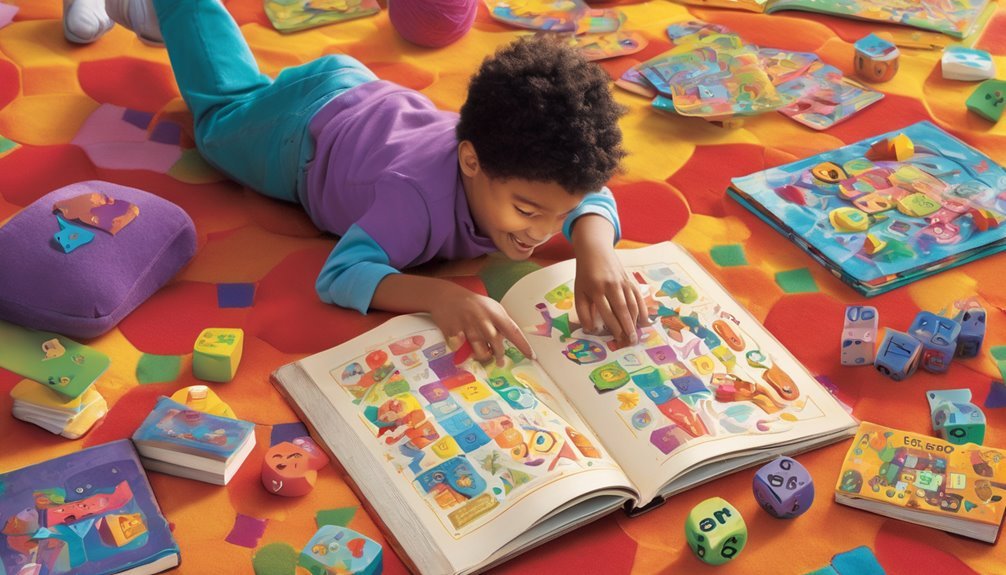
If you’re looking to spark a love for numbers in your child, fun math game books are a fantastic way to engage their minds. These books often feature interactive puzzles and engaging activities that make learning math enjoyable. Here’s a quick guide to some popular options:
| Book Title | Age Group | Key Features |
|---|---|---|
| “Math Adventures” | 6-8 years | Fun stories & puzzles |
| “Cool Math Games” | 8-10 years | Hands-on challenges |
| “Math Mysteries” | 10-12 years | Problem-solving fun |
| “Brain Teasers for Kids” | 7-9 years | Mind-bending riddles |
With these titles, your child will dive into the world of math while developing critical thinking skills. Grab a book today, and watch them enjoy numbers like never before!

Fun Math Game Books for Adults
For those who think math isn’t just for kids, fun math game books for adults offer a refreshing way to challenge your mind and rekindle your love for numbers.
These books are packed with logic puzzles and brain teasers that stimulate critical thinking and enhance problem-solving skills. You’ll dive into engaging number challenges and strategy games, perfect for sharpening your pattern recognition abilities.
Whether you’re tackling tricky math riddles or enjoying collaborative puzzles with friends, there’s something for everyone.
These games not only entertain but also promote mental agility and creativity.
Finding the Perfect Math Game Book

Finding the right math game book can elevate your experience, making it not just enjoyable but also intellectually stimulating.
Start by considering your game selection based on age appropriateness and skill levels. Look for books that align with your learning objectives, ensuring they challenge without overwhelming.
Effective engagement strategies, like cooperative games or competitive formats, can make math fun and interactive.
Cooperative and competitive games transform math into an enjoyable and interactive experience for learners.
Check resource availability; some books come with downloadable content or materials.
Adaptability options are crucial too—choose games that can be easily modified to fit different skill levels.
Finally, think about thematic relevance; whether it’s holiday-themed or tied to real-world applications, a good book keeps learners motivated and excited about math.
Incorporating Math Games Into Family Time
While you might think family time is all about movies or board games, incorporating math games can add a fun twist that benefits everyone. Not only do these games enhance skill development, but they also promote family bonding. Here’s a quick look at some engaging math games you can try:
| Game | Benefits |
|---|---|
| Math Bingo | Reinforces number recognition and patterns |
| Card Games | Boosts addition and strategy skills |
| Puzzle Challenges | Enhances problem-solving abilities |
| Estimation Races | Improves estimation and mental math skills |
Innovative Classroom Activities Using Math Games

When you introduce innovative math games in the classroom, students not only engage more deeply with the material but also enjoy the learning process. These games foster collaborative problem solving, allowing students to work together, share ideas, and tackle challenges as a team.
For instance, you can set up a math scavenger hunt where students solve problems to find clues, promoting both critical thinking and teamwork.
Incorporating interactive learning through math stations encourages exploration and hands-on experiences, making abstract concepts tangible. You might also consider using digital platforms that offer math games, adding a tech-savvy twist.
Benefits of Playing Math Games Regularly
Playing math games regularly not only makes learning enjoyable but also reinforces essential skills in a fun way. You’ll notice significant boosts in cognitive development as you tackle various challenges that enhance your problem-solving abilities.
These games encourage critical thinking, allowing you to explore different strategies and solutions. Plus, they often involve collaboration opportunities, fostering social skills and teamwork with peers.
Engagement strategies, like friendly competition or cooperative tasks, keep the excitement alive, making you more motivated to participate. Through consistent practice, you’ll experience skill reinforcement, ensuring concepts stick.
Ultimately, math games transform learning into an interactive adventure, paving the way for improved academic performance and a lifelong love for numbers.
Exploring Popular Formats of Math Games
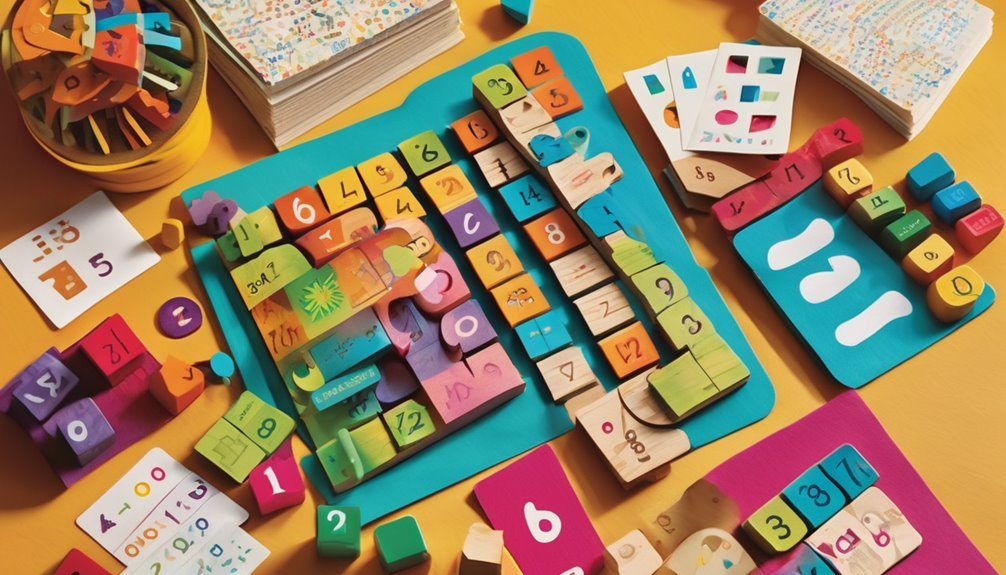
Math games come in a variety of formats that cater to different learning styles and preferences, making them accessible and enjoyable for everyone. You’ll find board games, card games, and digital apps, each utilizing unique game mechanics to engage players.
Board games often emphasize strategy and teamwork, while card games can boost quick thinking and mental math skills. Digital apps offer interactive experiences, adapting to your pace and skill level for personalized learning.
Each format provides educational benefits, helping you grasp concepts in a fun way. Whether you’re playing solo or with friends, these games foster a love for math, making it less intimidating and more enjoyable. Dive in and discover which format resonates with you the most!
Conclusion: Embracing Math Games for Lifelong Learning
While it might seem daunting, incorporating math games into your routine can transform your learning experience into an enjoyable journey. These games not only boost math confidence but also foster essential lifetime skills.
By embracing math games, you’ll enhance your creative thinking, critical reasoning, and problem-solving abilities. Here are some engagement strategies to get you started:
- Choose diverse formats: Mix board games, card games, and online resources for variety.
- Collaborate with others: Build social connections by playing with friends or family.
- Set goals: Aim for skill improvement or fun challenges to keep motivation high.
- Reflect on learning: Discuss strategies and outcomes to deepen understanding.
Engaging in interactive learning through math games cultivates a lifelong love of learning!
Frequently Asked Questions
How Can Math Games Improve Critical Thinking Skills?
Math games boost your critical thinking by enhancing problem-solving strategies and fostering cognitive development. You’ll tackle challenges creatively, sharpen your reasoning skills, and build confidence—all while having fun and engaging with numbers.
Are There Math Games Suitable for Children With Learning Disabilities?
Absolutely, there are math games tailored for kids with learning disabilities. Using adaptive strategies and engaging formats, these games make learning enjoyable and effective, helping your child thrive while having fun. It’s a win-win!
What Age Groups Benefit Most From Math Games?
Early learners, typically ages 4 to 8, benefit most from math games. These activities spark educational engagement, helping you build foundational skills while making learning fun and interactive, paving the way for future success.
Can Math Games Be Used for Advanced Math Concepts?
Sure, you can absolutely use math games for advanced concepts! Game integration’s not just for kids; it sharpens your advanced strategies, making complex ideas more digestible. Who knew math could be this fun, right?
How Do I Evaluate the Quality of a Math Game Book?
To evaluate a math game book, assess the game selection and book criteria. Look for engaging content, clear instructions, varied difficulty levels, and alignment with learning objectives. Ensure it promotes critical thinking and enjoyment in math.
Conclusion
So, dive into the world of math games and let your brain do a happy dance! These books aren’t just pages filled with numbers—they’re portals to a universe where math becomes as thrilling as a rollercoaster ride. You’ll find yourself solving puzzles like a math wizard and laughing your way through challenges. Embrace these fun-filled adventures, and you’ll not only master math but also transform into a lifelong learner who sees numbers in every corner of life!