
If you’re looking for a fun way to enhance your child’s literacy skills, word search puzzles might be just what you need. These engaging activities not only make learning enjoyable but also help kids connect letters and sounds. You might be surprised by how effective they can be at fostering vocabulary growth. So, what factors should you consider when choosing the right puzzles for your child’s age and interests?
Key Takeaways
- Word search puzzles enhance vocabulary and spelling skills, crucial for developing reading abilities in children.
- Engaging themes, like animals or outer space, spark interest and connect reading to kids’ personal interests.
- Tailoring vocabulary to age groups ensures a sense of accomplishment and boosts confidence in young readers.
- Incorporating puzzles into daily activities encourages engagement and reinforces letter recognition and sound connections.
- Creating your own themed word searches can increase interaction and bonding opportunities while fostering a love for learning.
The Benefits of Word Search Puzzles for Literacy Development
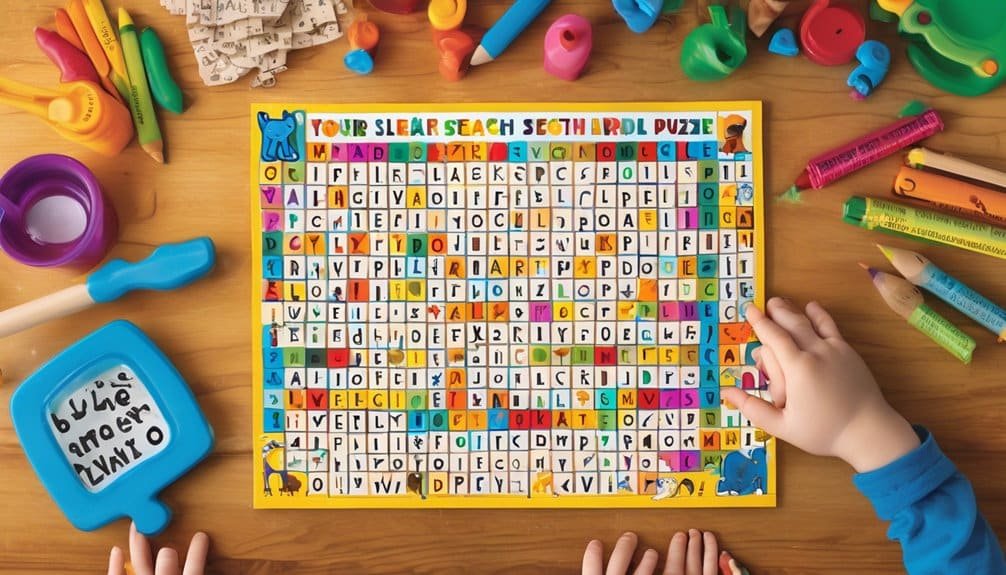
While you might think of word search puzzles as just a fun pastime, they actually offer significant benefits for literacy development. When you engage in these puzzles, you help your child improve their vocabulary and spelling skills without even realizing it.
As they search for words, they’re actively recognizing letters and connecting them to their sounds, which reinforces their reading abilities. Plus, it encourages attention to detail—an essential skill for any budding reader.
Working on word searches together can also be a cozy bonding experience, allowing you to share moments of discovery and laughter. So, the next time you sit down with a puzzle, know you’re not just having fun; you’re nurturing their love for reading and learning.
Choosing the Right Vocabulary for Different Age Groups
Choosing the right vocabulary for word search puzzles can greatly enhance the learning experience for kids at different ages. For younger children, stick to simple words like animals, colors, and common objects. These familiar terms make the activity fun and relatable, helping them connect words with their meanings.
As kids grow, introduce more complex vocabulary, such as action verbs or descriptive adjectives. This keeps them challenged and engaged. Remember, it’s important to match the words to their reading level, so they can feel a sense of accomplishment when they find them.
Tailoring vocabulary not only boosts their confidence but also nurtures a love for reading. You’ll see how excited they become as they tackle new words and expand their language skills!
Engaging Themes to Spark Interest in Reading

To ignite a passion for reading in kids, incorporating engaging themes into word search puzzles can make all the difference. Imagine the joy on their faces as they dive into puzzles featuring their favorite dinosaurs, outer space adventures, or beloved fairy tales.

These themes connect reading to their interests, making the experience feel personal and exciting. You can even use seasonal themes, like Halloween or summer, to keep things fresh and relevant.
When kids see words that resonate with their world, they’re more likely to explore the stories behind them. By tailoring puzzles to their unique preferences, you’re not just teaching them to read—you’re nurturing a lifelong love for learning.
Let their imaginations run wild while searching for those hidden words!
Tips for Creating Your Own Word Search Puzzles
Creating your own word search puzzles can be a fun and rewarding experience, especially if you want to tailor them to your child’s interests. Start by choosing a theme they love, like animals or space.
Next, think of words that fit that theme—aim for about 10-15 words. Once you have your list, decide on the grid size; a 10×10 grid works well for younger kids.
Place the words in all directions: horizontally, vertically, and diagonally. Fill in the remaining spaces with random letters.
Finally, create an answer key to make it easier for you to check their work. Your child will love solving a puzzle made just for them, deepening their connection to reading and learning!
Incorporating Word Searches Into Daily Learning Activities

While you might think of word searches as just a fun pastime, they can be a valuable tool for daily learning activities as well. You can easily integrate word searches into your child’s routine to enhance their vocabulary and reading skills.
For instance, create themed puzzles based on subjects like animals, seasons, or emotions. This not only makes learning engaging but also helps reinforce what they’re studying.
Set aside a few minutes each day for a quick word search session. You’ll be amazed at how this simple activity can spark discussions and deepen understanding.
Plus, it’s a wonderful way to bond. So grab a pencil, dive into those letters, and watch your child’s love for words flourish!
Frequently Asked Questions
How Long Should a Word Search Puzzle Take to Complete?
A word search puzzle usually takes about 10 to 30 minutes to complete, depending on its size and complexity. Just relax, enjoy the challenge, and let yourself get lost in the letters for a while.
What Materials Do I Need to Create a Word Search?
Creating a word search is like crafting a treasure map. You’ll need paper, a pen or pencil, a list of words, and a little creativity. Don’t forget to have fun while you’re at it!
Can Word Searches Improve Spelling Skills?
Absolutely, word searches can improve your spelling skills! As you search for letters and words, you reinforce your memory of spelling patterns, making it easier to recognize and remember them in your writing.
Are There Online Resources for Printable Word Search Puzzles?
Navigating the internet’s vast ocean, you’ll discover a treasure trove of websites offering printable word search puzzles. Dive into these resources, and you’ll find engaging challenges that spark joy and sharpen your skills along the way.
How Often Should Kids Do Word Search Puzzles for Best Results?
You should encourage kids to tackle word search puzzles a few times a week. Consistency helps reinforce vocabulary and reading skills, making it both fun and effective. Just keep it enjoyable, and they’ll love learning!
Conclusion
Incorporating fun word search puzzles into your child’s learning routine can make reading feel like an adventure rather than a chore. Think of it as your secret weapon—like a wizard’s spell—turning words into a treasure hunt! With engaging themes and vocabulary tailored to their age, you’ll watch their literacy skills grow while bonding over shared discoveries. So grab your quill and parchment, and start crafting those puzzles today—your little ones are sure to thank you for it!