
Imagine a world where math isn’t just numbers on a page, but a thrilling adventure waiting to unfold. Hands-on math books for kids can transform the way your child engages with math concepts. These interactive resources spark curiosity and encourage exploration, making learning feel less like a chore and more like an exciting journey. Curious about how these books can make math come alive for your child? Let’s explore the benefits and best options available.
Why Hands-On Math Books Are Great for Kids
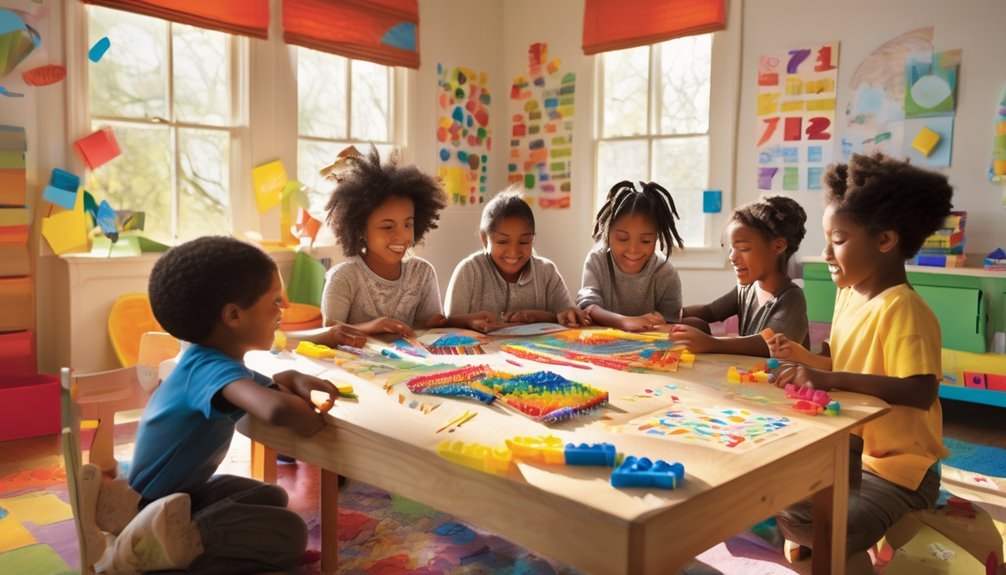
When you think about math, you might picture dry equations and tedious worksheets, but hands-on math books can completely transform that experience. These resources promote tactile learning, allowing kids to physically engage with concepts. By using manipulatives and interactive elements, kids can grasp complex ideas more easily and enjoyably.
Hands-on math books also incorporate engagement strategies that keep children motivated. Instead of passive learning, they encourage exploration and problem-solving, making math feel more like an adventure than a chore.
This active involvement not only enhances understanding but also builds confidence as kids see their progress. With these tools, you can inspire a love for math that lasts a lifetime, turning challenges into exciting opportunities for discovery.
Top Benefits of Interactive Math Learning
Hands-on math books not only make learning enjoyable but also come with a host of benefits that enhance interactive math learning. By engaging with these resources, you’ll see improvements in cognitive development as your child actively participates in problem-solving. Plus, these books emphasize real-world applications, making math relevant and exciting.
Here’s a quick look at some benefits:
| Benefit | Description | Impact on Learning |
|---|---|---|
| Enhanced Engagement | Hands-on activities keep kids focused. | Better retention of concepts. |
| Improved Problem-Solving | Encourages critical thinking skills. | Prepares them for real-life challenges. |
| Collaborative Learning | Promotes teamwork and communication. | Builds social skills alongside math skills. |
With these advantages, you’ll see your child thrive in math!
Best Hands-On Math Books by Age
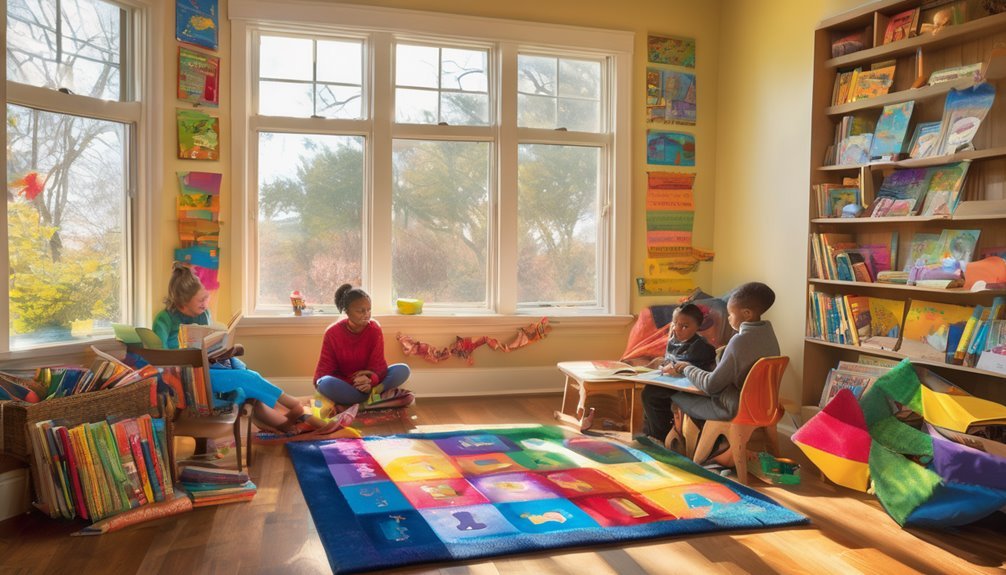
Finding the right hands-on math books for your child can transform their learning experience.
For younger kids, consider “MathStart” series, which offers age-appropriate recommendations filled with engaging illustrations that make concepts fun.
Explore the “MathStart” series for younger kids, where engaging illustrations bring math concepts to life in a fun way.
As they grow, “The Life of Fred” series captivates older children with its quirky storytelling while teaching math through real-life situations.
For tweens, “Math Adventures” provides exciting challenges and puzzles that spark their interest.
Finally, high schoolers might enjoy “The Art of Problem Solving,” which helps develop critical thinking in a hands-on way.
Fun and Interactive Math Activities in Hands-On Books
Math can come alive through engaging activities that spark curiosity and creativity. Hands-on math books offer a variety of fun and interactive experiences that make learning enjoyable.
Here are three exciting ways to explore math:
- Math Games: Play board games or card games that involve counting and strategic thinking, turning math practice into family fun.
- Sensory Activities: Use materials like sand or playdough to create shapes and patterns, making abstract concepts tangible.
- Creative Projects: Combine math with art by designing geometric patterns or building structures, enhancing problem-solving skills.
These activities not only reinforce math concepts but also foster family math time, making learning a collaborative adventure.
Embrace these educational crafts to ignite a passion for math in your kids!
Tips for Parents to Enhance Learning

To boost your child’s math learning experience, consider incorporating simple strategies into everyday life. Use math games to make learning fun and engaging. Card games, board games, or even online math challenges can spark interest and reinforce skills.
Additionally, introduce various learning tools like manipulatives, measuring cups, or graph paper to provide hands-on experiences. These tools help visualize concepts and make abstract ideas more tangible.
Encourage your child to explore math in real-world situations, such as cooking or shopping, where they can practice calculations.
Lastly, praise their efforts and celebrate small achievements to build confidence. By creating a supportive and interactive environment, you’re setting the stage for a positive math journey that can last a lifetime.
How to Use These Tips in Daily Life
While you navigate daily tasks, you can easily weave math learning into your routine. Here are three simple ways to integrate math in daily applications:
Integrate math into daily life by involving kids in cooking, shopping, and managing time effectively.
- Cooking: Invite your kids to help measure ingredients. Discuss fractions and units as you mix and bake.
- Shopping: When at the store, challenge them to calculate totals and discounts. This makes math practical and fun!
- Time Management: Use a clock to discuss time. Ask them to estimate how long chores will take, reinforcing their understanding of hours and minutes.
Frequently Asked Questions
What Age Groups Benefit Most From Hands-On Math Books?
Kids aged 3 to 8 benefit most from hands-on math books. During early learning, these resources foster skill development, making math engaging and interactive. You’ll see their confidence grow as they explore concepts through play.
How Can I Choose the Right Book for My Child?
To choose the right book for your child, look for math book features like age-appropriateness and engaging activities. Check reviews to ensure the content captivates their interest and encourages hands-on learning.
Are There Digital Versions of Hands-On Math Books Available?
Yes, there are digital versions of hands-on math books available! You’ll find interactive learning opportunities in various digital formats, making math engaging and accessible for your child. Explore options that fit their needs and interests.
Can Hands-On Math Books Be Used in Classrooms?
Absolutely, hands-on math books can enhance classroom integration. They promote interactive learning, engaging students in practical applications of math concepts. You’ll find that using them fosters collaboration and deepens understanding in a fun, dynamic way.
How Do I Encourage My Child to Engage With These Books?
To spark your child’s interest, set up fun, interactive activities and math games that make learning lively. Encourage exploration, celebrate creativity, and watch their enthusiasm flourish as they dive into engaging, hands-on experiences together!
Conclusion
Incorporating hands-on math books into your child’s learning journey can transform the way they see math. Imagine turning everyday moments into exciting math adventures! By engaging with interactive activities and real-world applications, your child won’t just learn numbers—they’ll develop a love for problem-solving. So, embrace the joy of hands-on learning and watch as your child flourishes in confidence and creativity. After all, math isn’t just a subject; it’s a world waiting to be explored!