
Healthy snacks for toddlers and preschoolers work best when they are simple, balanced, and easy for small hands to manage. A good option often combines protein, fiber, or healthy fat with familiar foods in small portions. Yogurt, fruit, whole-grain crackers, and soft veggies can fit well into daily routines. The challenge is choosing snacks that satisfy appetite without overwhelming it, and a few practical ideas can make that easier.
Key Takeaways
- Choose snacks with fiber, protein, calcium, and healthy fats, such as yogurt, fruit, cheese, and nut butter.
- Keep portions small and offer one or two options to match toddlers’ and preschoolers’ appetites.
- Use easy finger foods like soft fruit pieces, steamed vegetables, cheese cubes, and whole-grain crackers.
- Try no-cook combinations, such as banana with yogurt, berries with crackers, or pear with melon.
- Follow safety habits by cutting choking hazards, checking allergies, and serving age-appropriate textures.
Healthy Snack Ideas for Toddlers
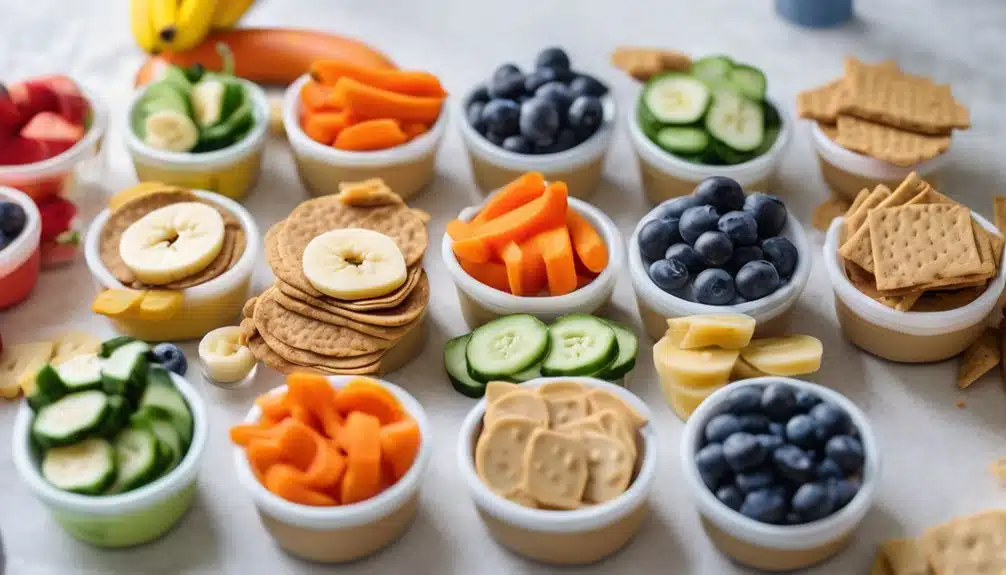
These choices offer nutritional benefits such as fiber, protein, calcium, and healthy fats, which help with digestion, bone development, and brain function. Careful portion sizes matter because toddlers have small appetites and may feel overwhelmed by large servings.
Offering one or two simple options at a time can make eating calmer and more satisfying. Gentle routines, such as sitting together and avoiding distractions, can help a child feel secure while learning to enjoy wholesome snacks.
Healthy Snack Ideas for Preschoolers
As children grow into the preschool years, snack choices can become a little more varied while still staying simple and nourishing. Small portions of yogurt, fruit combinations, and whole-grain crackers can offer fiber, protein, and steady energy. Gentle veggie dips may help children accept new flavors when paired with familiar foods.
| Snack | Benefit | Note |
|---|---|---|
| Berries with yogurt | Vitamin C, protein | Serve plain |
| Apple and pear mix | Fiber, hydration | Keep fresh |
| Carrot sticks with veggie dips | Color, crunch | Offer lightly |
Evidence suggests routine snack times support appetite regulation and comfort. Caregivers can keep options nearby, rotate choices often, and notice which foods feel welcome. In this way, preschool snacks remain practical, warm, and reassuring.
Best Finger Foods for Little Hands
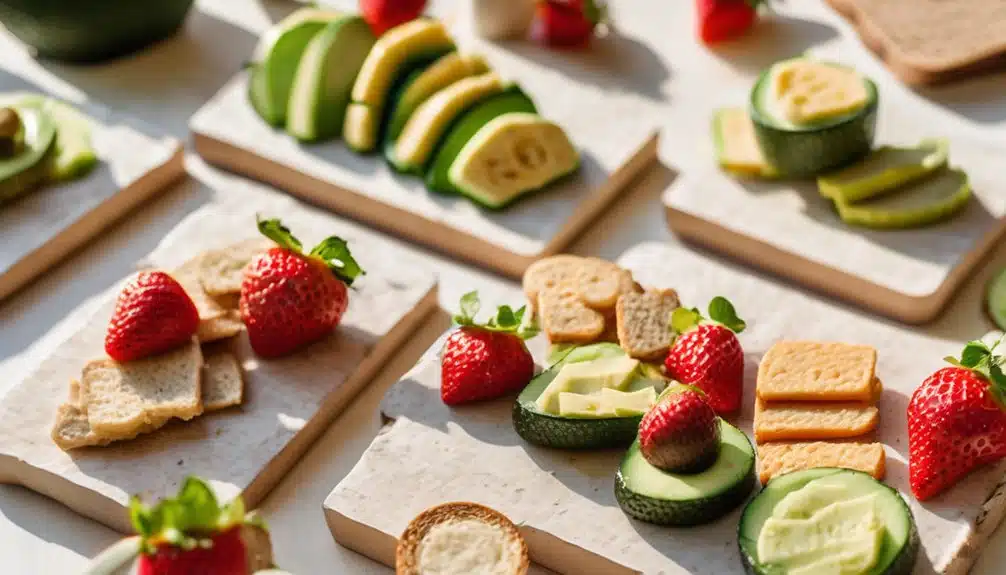
Small, easy-to-grasp foods are often best for little hands because they support self-feeding while reducing frustration at snack time. Soft fruit pieces, steamed vegetable sticks, cheese cubes, and whole-grain toast strips are practical choices that can be held securely and chewed safely.
Parents and caregivers may offer finger food combinations such as banana with yogurt dip or cucumber with hummus to add variety and balance. A fun presentation, like arranging foods in small rows or colorful clusters, can invite interest without needing extra sugar or salt.
Texture matters as well; foods should be tender, moist, and cut to age-appropriate sizes. When snacks are simple, familiar, and thoughtfully prepared, young children are more likely to eat calmly and develop confidence at the table.
Easy No-Cook Snack Ideas
No-cook snacks can be a helpful next step once families have a few reliable finger foods on hand, especially on busy days when preparation time is limited.
Toddlers often respond well to simple choices that respect appetite and texture preferences. A few nourishing options include:
- sliced banana with yogurt dips
- soft berries with whole-grain crackers
- cheese cubes with cucumber rounds
- fruit combinations such as pear and melon
These snacks offer familiar flavors, hydration, and useful nutrients without added fuss.
Offering two or three items at once can support interest and self-feeding while avoiding pressure. Small portions, close supervision, and age-appropriate textures remain important.
When caregivers present food calmly, children usually feel more secure, and mealtimes become gentler, more connected moments for everyone.
Make-Ahead Snacks for Busy Days
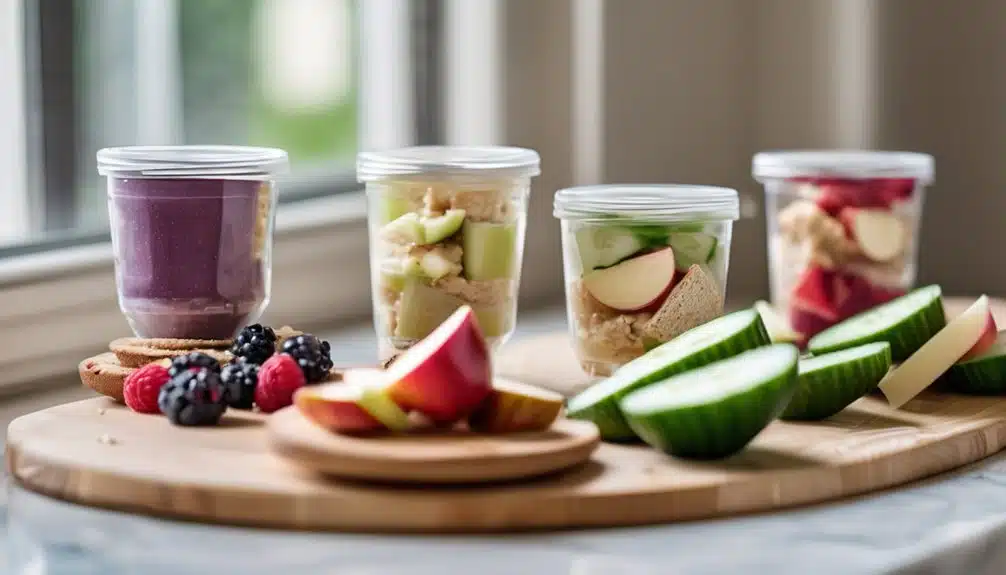
When the week gets busy, make-ahead snacks can help families keep nourishing options within easy reach without relying on last-minute preparation.
Small batches of muffins, baked oatmeal squares, and mini veggie patties can be portioned ahead and stored for grab-and-go use. Freezer friendly options are especially helpful because they keep texture and flavor well enough for later meals.
Quick prep ideas include washing fruit, cutting soft vegetables, and packing yogurt into small containers the night before.
Research on family routines shows that planning snacks ahead can reduce stress and support steadier eating patterns in young children.
Simple labels and dated containers also make it easier to rotate items, so nothing is forgotten and busy caregivers feel more supported.
Protein- and Fiber-Rich Snacks
Balanced snacks that include protein and fiber can help toddlers feel satisfied between meals and support steadier energy throughout the day. This kind of nutritional balance is often achieved with small, simple pairings that are easy for little hands to manage, while respecting portion control, and offering gentle nourishment.
- Soft fruit with yogurt supplies protein and fiber.
- Whole-grain crackers with hummus add steady fuel.
- Apple slices with nut or seed butter offer satiety.
- Beans, avocado, or cheese with vegetables build variety.
These options support healthy growth without overwhelming a child’s appetite. Serving modest amounts and watching texture can make snacks safer and more comforting.
When caregivers offer calm, consistent choices, toddlers can enjoy food in a way that feels reassuring, familiar, and supportive.
Snacks for Picky Eaters
For picky eaters, small and familiar foods often work best, especially when new flavors are introduced alongside preferred items. Research suggests repeated, low-pressure exposure can gradually increase acceptance, so caregivers may offer a tiny portion beside a trusted snack.
Creative combinations help, such as apple slices with yogurt dip, cheese with soft crackers, or peas folded into mashed potatoes. Gentle taste testing can be framed as a game, letting children smell, touch, or lick before deciding.
Texture matters too; some children prefer crunchy foods, while others accept smooth options more readily. Offering choices within a limited range can support autonomy without overwhelm.
Consistency, patience, and calm modeling often matter more than persuasion, helping mealtime feel safe, familiar, and warmly encouraging.
Snack Safety Tips for Little Kids
Once a toddler accepts a snack, safety becomes the next priority. Small, calm choices help reduce choking, upset, and mealtime stress. Caregivers can serve soft foods in toddler-sized pieces and stay nearby while children eat.
- Cut grapes, cherry tomatoes, and hot dogs into quarters lengthwise.
- Offer age-appropriate textures, such as ripe fruit, yogurt, or thinly spread nut butter.
- Practice allergy awareness by checking labels and avoiding shared utensils.
- Use portion control to present a few bites at a time, then offer more if needed.
Water is a wise companion, especially with dry or salty snacks.
Gentle supervision, steady routines, and familiar foods help little kids feel secure while learning safe eating habits.
Frequently Asked Questions
How Can I Store Snacks to Keep Them Fresh Longer?
Snack storage works best in airtight containers, kept cool, dry, and away from light. Freshness tips include portioning snacks, refrigerating perishables promptly, and checking labels. These steps help preserve flavor, safety, and care.
What Are Good Snack Options for Daycare or Travel?
Portable options like sliced fruit combinations, cheese cubes, whole-grain crackers, and yogurt pouches serve as small lanterns for busy days. Evidence suggests these travel well, nurture energy, and suit daycare routines.
How Do I Handle Snack Allergies Safely?
They should identify allergens, read labels, avoid cross-contact, and notify caregivers. Allergy awareness, safe substitutions, and an emergency plan support evidence-based, practical safety while keeping snack time nurturing and reassuring for families.
When Should I Offer Snacks Between Meals?
Generally, snacks fit midway between meals, about 2–3 hours apart; timing matters. Keep portions modest. When hunger strikes between meals, a little goes a long way, preserving appetite and steady energy.
How Can I Encourage Toddlers to Try New Snack Flavors?
Toddlers are encouraged through repeated, pressure-free taste testing and gentle flavor exploration. Small portions, familiar foods with one new element, and shared mealtime modeling help build trust, curiosity, and acceptance over time.
Conclusion
Healthy snacking for toddlers and preschoolers can feel like planting a small garden: with the right mix of color, texture, and nutrients, steady growth follows. Offering simple, portion-sized choices helps little appetites stay balanced, while protein, fiber, and healthy fats provide lasting energy. When caregivers pair variety with safety and routine, snack time becomes more than a quick bite—it becomes a gentle, nourishing rhythm that supports healthy habits for years to come.