Puzzle books are like treasure maps, guiding kids toward new skills and knowledge hidden within challenges. As they navigate crosswords, Sudoku, and mazes, they sharpen their minds while having fun. But how can you make this experience more enriching and engaging for your child? Exploring different types of puzzles and their benefits could unlock a world of learning opportunities. Let’s uncover the potential that puzzle books hold for your child’s development.
Key Takeaways
- Puzzle books sharpen critical thinking and problem-solving skills, making learning engaging and enjoyable for kids.
- Activities like crosswords and sudoku enhance vocabulary, spelling, and logic while keeping children entertained.
- Incorporating puzzles into learning routines fosters a playful environment that promotes cognitive development and creativity.
- Family puzzle-solving sessions strengthen relationships, encourage teamwork, and create lasting memories while learning together.
- Celebrating achievements in puzzle-solving boosts children’s confidence and nurtures a love for learning.
The Educational Value of Puzzle Books
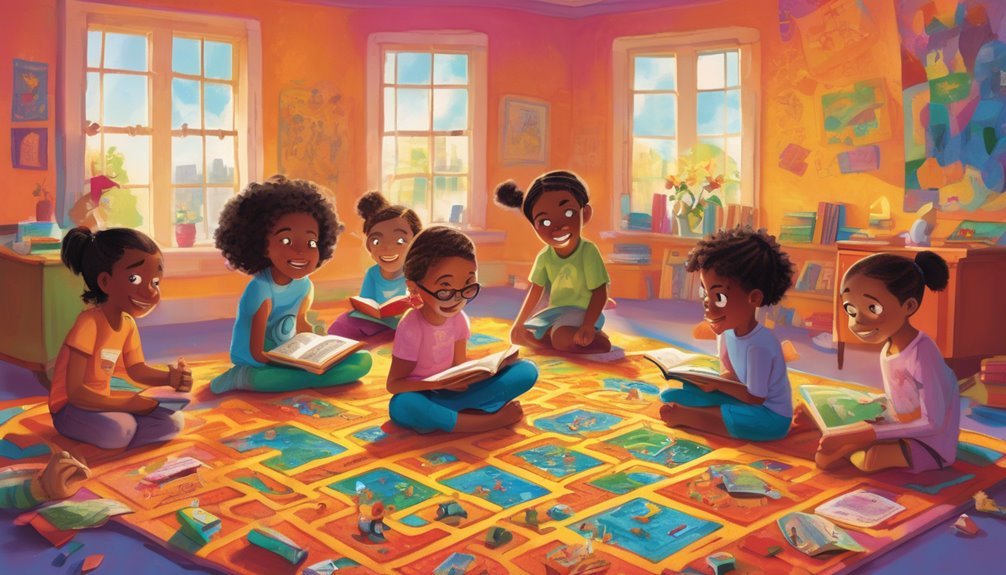
While you might think of puzzle books as just a fun pastime, they actually offer significant educational benefits for kids. Engaging with puzzles sharpens critical thinking and problem-solving skills, encouraging your child to think outside the box.
As they tackle each challenge, they’re developing concentration and patience, virtues that’ll serve them well in school and life. You’ll notice their confidence grow as they find solutions, fostering a sense of accomplishment.
Additionally, puzzle books often introduce new vocabulary and concepts in a playful way, making learning enjoyable. By incorporating these books into their routine, you create a rich environment for cognitive development.
Types of Puzzles That Engage Young Minds
Puzzle books come in various forms that cater to different interests and skills, making them an engaging choice for kids. These puzzles spark curiosity and creativity, drawing children into a world of fun learning. Here are some popular types to explore:
| Puzzle Type | Description | Benefits |
|---|---|---|
| Crossword | Word-based grid puzzles | Boosts vocabulary and spelling |
| Sudoku | Number placement challenges | Enhances logic and reasoning |
| Mazes | Pathfinding adventures | Improves problem-solving skills |
Enhancing Critical Thinking Through Challenges
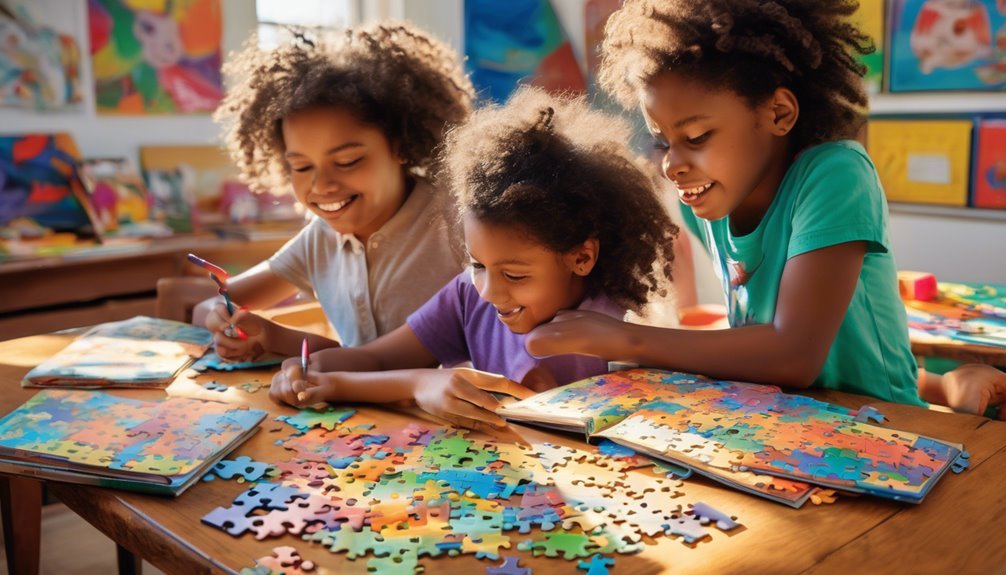
Engaging with diverse challenges not only entertains kids but also sharpens their critical thinking skills. When you introduce puzzles that require problem-solving, you’re inviting your child to think outside the box.
As they tackle riddles or logic puzzles, they learn to analyze information and develop strategies. This process fosters resilience, teaching them that persistence pays off. You’ll witness their excitement as they piece together clues, and each small victory boosts their confidence.
Encourage them to discuss their thought processes—this dialogue deepens their understanding and enhances their reasoning abilities. By making these challenges a regular part of their routine, you’re nurturing a lifelong love for learning and critical thinking, paving the way for future success in all areas of life.
Boosting Cognitive Development With Fun Activities
Fun activities are essential for boosting cognitive development in kids. When you engage your child in playful learning, you’re not just having fun; you’re also helping them think critically and solve problems. Simple games, puzzles, and creative activities stimulate their minds, encouraging curiosity and exploration.
By introducing them to varied challenges, you’re fostering essential skills like memory retention and logical reasoning.

Think about incorporating activities like scavenger hunts or building projects that require planning and creativity. These experiences don’t just entertain; they lay the groundwork for your child’s future learning.
Encouraging Family Bonding Through Puzzle Solving

While family time can sometimes feel rushed, solving puzzles together offers a unique opportunity to strengthen those bonds.
When you gather around a table, each piece becomes a connection, sparking laughter and conversation. You’ll find that as you work through challenges, you’re not just solving the puzzle, but also deepening your relationships.
Sharing thoughts and strategies fosters teamwork and encourages open communication. This playful environment nurtures trust and understanding between family members.
Plus, the sense of accomplishment you feel when completing a puzzle together is truly rewarding.
Strategies for Incorporating Puzzle Books Into Learning
Puzzle books can seamlessly fit into your child’s learning routine, enhancing their educational experience while keeping them entertained.
Start by setting aside a special time each week dedicated to puzzle-solving. This can be a cozy family activity, where you all gather around with your favorite snacks and tackle challenges together.
Incorporate puzzles relevant to what your child is learning in school—like math puzzles for math lessons or word searches for vocabulary practice. You can also mix in puzzles that encourage critical thinking and creativity, fostering deeper engagement.
Celebrate their successes, no matter how small, to boost confidence. With your support, puzzle books can become a joyful bridge connecting fun and learning, creating lasting memories along the way.
Selecting the Right Puzzle Book for Your Child
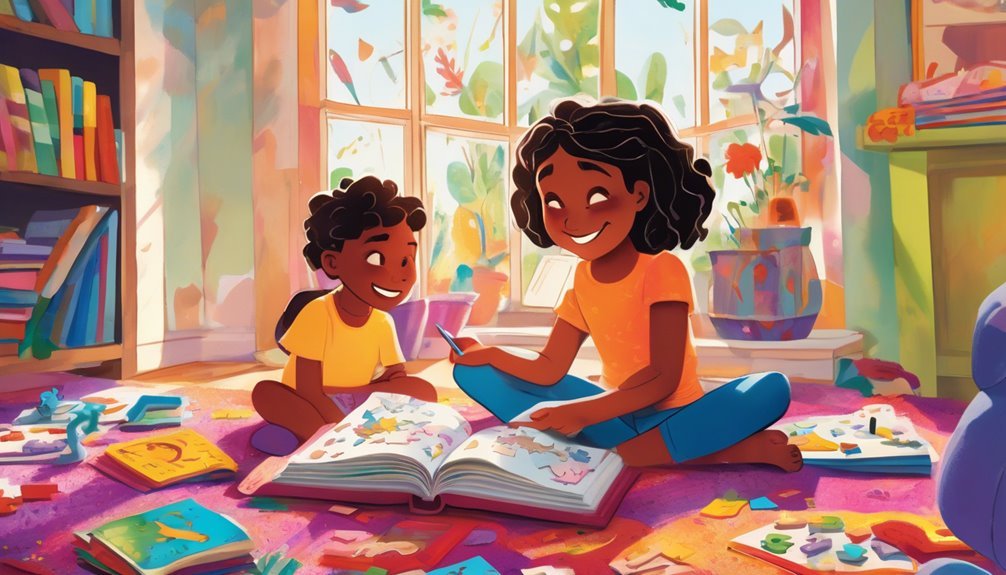
Choosing the right puzzle book for your child can greatly enhance their learning experience. Start by considering their age and interests. If they love animals, look for themed puzzles that feature their favorite creatures.
Pay attention to the difficulty level, ensuring it’s challenging yet achievable, so they don’t feel frustrated. You’ll want to choose books that encourage critical thinking and creativity, like those with mazes or logic puzzles.
Don’t forget to check for variety; a mix of word searches, crosswords, and Sudoku can keep things exciting.
Lastly, make it a bonding activity by solving puzzles together. This way, you’re not just selecting a book; you’re creating memorable moments while nurturing their love for learning.
Measuring Progress and Celebrating Achievements
After selecting the perfect puzzle book, it’s important to track your child’s progress and celebrate their achievements along the way. Keep a simple chart or a fun sticker system to mark completed puzzles—this visual representation can motivate them.
When they finish a challenging puzzle, cheer them on! Your excitement reinforces their efforts and boosts their confidence.
Consider setting small rewards, like a favorite snack or extra playtime, for completing a certain number of puzzles. These little celebrations make the learning process feel special.
Frequently Asked Questions
At What Age Should I Introduce Puzzle Books to My Child?
You can introduce puzzle books to your child around age three. At this age, they’re curious and eager to explore. Choose simple puzzles to spark their interest and encourage problem-solving skills. They’ll love it!
How Can I Motivate My Child to Complete Puzzle Books?
To motivate your child, you can create a fun atmosphere. Celebrate small victories, offer rewards, and join in on the puzzles. Sharing your excitement will inspire them to engage and enjoy the challenges together.
Are There Specific Puzzle Themes That Are More Beneficial for Learning?
Some themes spark curiosity, like animals and space; others boost problem-solving, like mazes and riddles. By choosing diverse topics, you’re enhancing your child’s learning experience, encouraging exploration, and nurturing their love for discovery.
Can Puzzle Books Help With Specific Learning Disabilities?
Absolutely, puzzle books can support learning disabilities. They engage your child’s mind, boost problem-solving skills, and enhance focus. You’ll notice improvements in their cognitive abilities while having fun together, making learning enjoyable and effective.
How Do I Choose Age-Appropriate Difficulty Levels for Puzzles?
When choosing puzzle difficulty, consider their age and skills. Start with simpler puzzles, then gradually increase complexity as they gain confidence. Pay attention to their interests—engaging topics can make even challenging puzzles enjoyable for them.
Conclusion
By embracing puzzle books, you’re opening a treasure chest of learning opportunities for your child. These engaging activities not only sharpen their minds but also strengthen family bonds, turning puzzle-solving into a fun adventure. As you journey through challenges together, you’ll witness their growth, celebrating each small victory like a stepping stone toward greater understanding. So, dive into the world of puzzles and watch your child’s curiosity blossom while you create unforgettable memories together.