
Families traveling with children can make hotel stays much safer with a few careful steps. Before booking, it helps to check safety records and guest reviews, then confirm secure entrances, good lighting, and clear exits. Once there, simple items like outlet covers and a small first-aid kit can help. Doors, windows, pools, and busy common areas all deserve attention, but one overlooked detail can matter most.
Key Takeaways
- Check hotel safety reviews, secure entrances, lighting, and emergency exits before booking.
- Test room locks, secure windows and balconies, and move hazards out of children’s reach.
- Pack childproofing gear, a first-aid kit, a night light, and familiar comfort items.
- Keep kids supervised in elevators, hallways, pools, and playgrounds, with clear safety rules.
- Learn evacuation routes, save emergency contacts, and set a family meeting spot outside.
Check Hotel Safety Before You Book
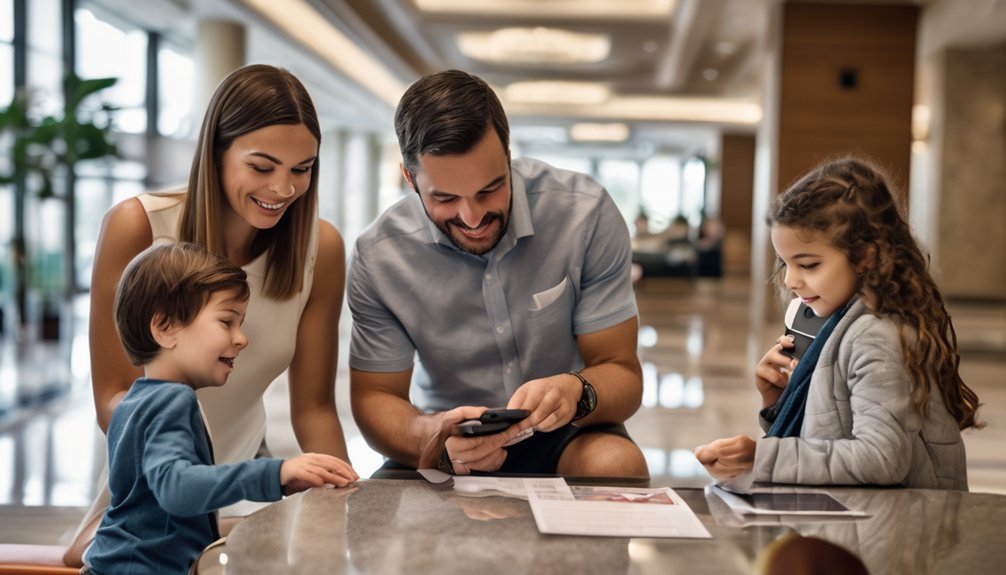
Before booking, families should review a hotel’s safety record, location, and guest reviews to identify any concerns in advance. They can look for recent hotel reviews that mention secure entrances, well-lit corridors, attentive staff, and clean common areas.
Checking location safety means confirming proximity to busy roads, nightlife, or isolated blocks that may feel uncomfortable after dark. A reliable property often has clear emergency exits, functioning locks, and visible security measures.
Families may also compare room placement, choosing higher floors away from street noise when possible. When details are uncertain, a direct call to the front desk can clarify policies and reassure parents.
Careful screening helps create a calmer stay, allowing loved ones to relax together with greater confidence and ease.
Bring a Few Kid Safety Essentials
Packing a small set of kid safety essentials can make a hotel stay feel more secure and organized. Parents often pack childproofing essentials such as outlet covers, cabinet locks, a night light, and a compact first-aid kit.
A familiar baby monitor, soft corner guards, and a few adhesive straps can also support travel safety without adding much bulk. Small items like a reusable water bottle, kid-safe soap, and disinfecting wipes help keep routines steady and hands clean.
Keeping essentials in one labeled pouch makes them easy to reach during bedtime or quick room checks. With these simple tools close at hand, families can settle in more calmly, knowing comfort and safety are being handled with care.
Secure Doors, Windows, and Balconies
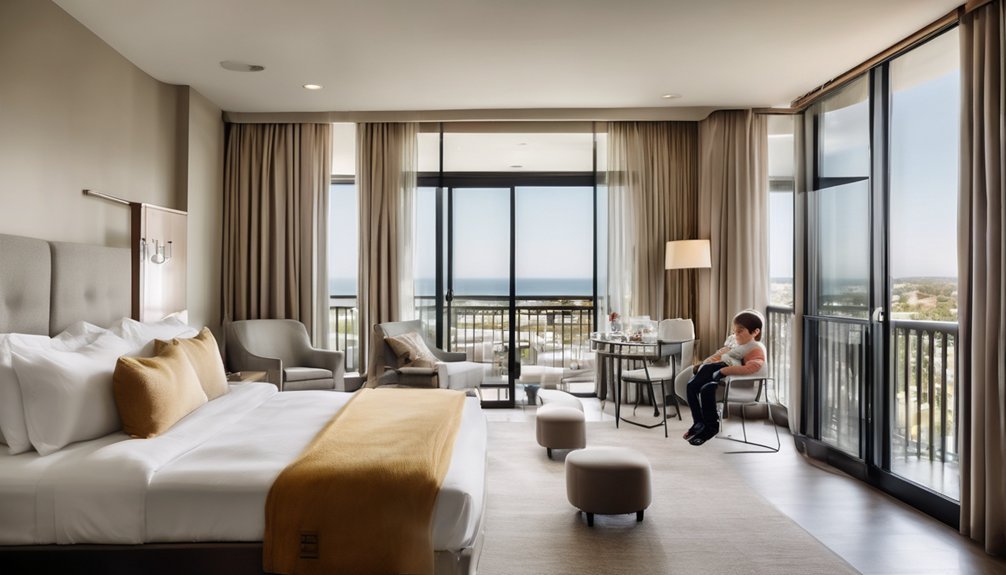
Once the room is set up with child safety items, the next step is to check every opening that could give a child unexpected access to the outside or the hallway. Parents can test door locks, confirm that latches close fully, and keep keys or cards within easy adult reach.
| Area | Check |
|---|---|
| Entry door | Closes firmly |
| Door lock | Works smoothly |
| Windows | Open only slightly |
| Balcony door | Stays secured |
| Balcony barriers | Feel stable |
If a window or balcony seems weak, request another room immediately. Curtains should not hide access points, and furniture should stay away from openings. A careful sweep like this helps a family rest with greater ease, knowing small hands have fewer chances to wander.
Quickly Childproof the Hotel Room
A quick childproofing sweep can turn a hotel room into a safer space within minutes. Caregivers can begin by placing breakable decor, glassware, and remote controls out of reach, then checking that cords, charging cables, and curtain pulls are tucked away.
Heavy furniture should stay stable, and sharp corners may be padded with available baby gear if needed. Safety gadgets such as outlet covers, door alarms, and portable latches can add useful protection when space feels unfamiliar.
The bathroom deserves special attention: toiletries, razors, and medications should be moved high and locked away. A brief scan of the floor for small objects, loose batteries, or choking hazards helps keep little hands protected.
With a calm, careful routine, the room can feel more restful and intimate for everyone.
Set Rules for Elevators and Hallways
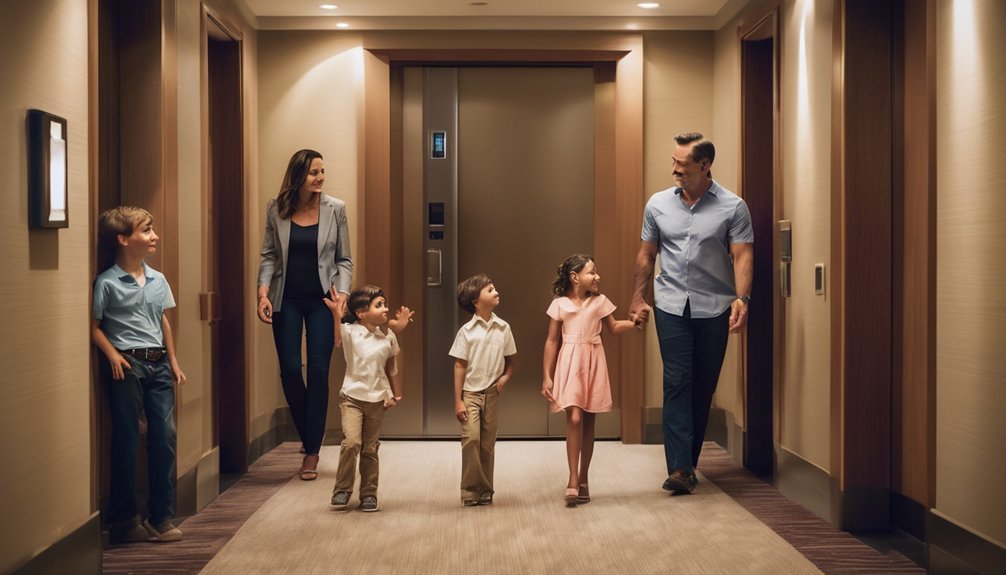
Elevator rides and hallway walks go more smoothly when children know the rules before they leave the room. Adults can explain elevator etiquette in simple terms: wait for others to exit, step in calmly, keep hands away from doors, and press buttons only with permission. A quiet voice and steady feet help everyone feel comfortable in the small space.
In the hall, hallway awareness matters just as much. Children should walk instead of run, stay near the adult, and avoid darting into corners or touching room doors. If a child becomes excited, a gentle reminder works better than a sharp correction.
Clear expectations give the family a smoother rhythm, protect nearby guests, and help the child feel guided, secure, and close.
Keep Kids Safe in Pools and Play Areas
After hallway routines are set, the same calm structure should carry into pools and play areas. Gentle pool supervision means one adult remains focused, nearby, and ready. Families can choose clear seating, review depth markers, and remind children to walk, not run, on wet surfaces. For play area safety, equipment should fit the child’s age, be dry, and free of sharp edges. Small limits help everyone feel secure and cared for.
| Area | Safe choice | Reason |
|---|---|---|
| Pool | Shallow zone | Easier monitoring |
| Deck | Non-slip shoes | Better footing |
| Playground | Age-appropriate gear | Safer play |
A brief check before use can prevent upset, while steady attention preserves the warm ease families want during travel.
Watch Kids Closely in Busy Common Areas
In busy common areas like lobbies, breakfast rooms, and elevators, children benefit from close, steady supervision. Hotel crowds can shift quickly, so parental vigilance helps prevent small moments from becoming stressful ones.
A child should stay within arm’s reach when entering or leaving doors, standing in lines, or waiting for an elevator. Clear directions, such as where to meet and whom to ask for help, give reassurance without causing alarm.
It also helps to choose a visible spot to pause, making it easier for adults to keep sight of everyone. When children know they are being watched with care, they usually feel more secure.
Gentle attention in shared spaces supports calm, orderly travel for the whole family.
Know What to Do in a Hotel Emergency
When a hotel emergency arises, families benefit from a simple, shared plan. Adults should point out emergency exits, stairwells, and evacuation routes as soon as they enter the room, then review them with children in calm, clear language.
Emergency contacts, including the front desk, local emergency services, and a trusted relative, should be saved in phones and written on paper. If alarms sound, everyone should dress quickly, leave belongings behind, and meet at a chosen spot outside.
Children should know to stay with an adult, avoid elevators, and cover their mouths if smoke is present. Parents can keep shoes, a flashlight, and key documents near the door.
A brief practice before bed can steady nerves and make the next step feel familiar.
Frequently Asked Questions
Can I Request a Room Away From Elevators and Ice Machines?
Yes, a guest can request a room location away from elevators and ice machines, and staff often accommodate it. This usually lowers noise levels, creating a quieter, more intimate stay.
Are Hotel Cribs and Rollaway Beds Safe for Young Children?
About 60% of hotel child injuries involve furniture falls. Crib safety and bed stability matter: he or she should check firmness, guardrails, locking wheels, and age limits, then request alternatives if equipment feels shaky or worn.
How Can I Tell if a Hotel Has Strong Wi-Fi Security?
Strong Wi Fi security is suggested by WPA2 or WPA3 Wi Fi encryption, a passworded guest network, and clear network security policies. Staff should confirm isolation of devices, automatic updates, and HTTPS-only login pages.
Should I Bring a Baby Monitor for Hotel Stays?
A baby monitor can be helpful for hotel stays, especially compact baby monitor types or travel sleep solutions. It offers reassurance during naps and evenings, though checking hotel Wi-Fi security and signal reliability remains important.
What’s the Safest Way to Store Valuables in a Hotel Room?
Use the room locks, use the safety deposit box, use discreet packing. He or she keeps valuables out of sight, carries essentials only when needed, and checks the room before leaving, reassuringly and carefully.
Conclusion
In the end, hotel safety for families with kids is less a checklist than a quiet shield, built one careful choice at a time. When parents inspect doors, windows, pools, and hallways, they turn unfamiliar spaces into safer ground. A well-prepared room becomes a small lighthouse in a new city, guiding children through the stay with calm and care. With attention and simple precautions, the journey can remain both secure and bright.