
Raising a toddler can strain a family budget faster than many expect. Childcare often takes the biggest share, while food, diapers, wipes, clothes, and basic gear add steady monthly costs. Some expenses are predictable, but others change with the child’s needs and the family’s choices. The real question is not just what it costs, but where the money goes and how much can be reduced without sacrificing care.
Key Takeaways
- Toddler costs vary widely based on family budget, location, and childcare choices.
- Childcare is usually the biggest expense, with daycare often cheaper than a nanny.
- Food costs rise as toddlers eat more variety, but meal planning and store brands save money.
- Diapers, wipes, and daily supplies create steady monthly expenses that can be reduced by bulk buying.
- Clothes, shoes, toys, and learning items add recurring costs, especially during rapid growth.
How Much Does It Cost to Raise a Toddler?

How much does it really cost to raise a toddler? For many households, the answer depends on careful family budgeting.
The toddler’s needs often center on toddler health, basic clothing, food, and routine supplies, but costs can rise with educational expenses such as books, toys, and simple learning tools.
Small social activities, like park visits or birthday gatherings, may seem modest, yet they add up over time.
A practical budget usually sets aside a monthly amount for essentials and another cushion for surprises, because toddlers grow quickly and outgrow items fast.
Families that track spending closely often find comfort in knowing where each dollar goes, and that awareness can make daily life feel more secure, more intimate, and far less stressful.
Toddler Childcare Costs
Some families choose daycare options for their lower price, while others prefer nanny services for closer attention and home-based convenience. Childcare subsidies may reduce the strain for eligible households, making care more manageable.
Flexible schedules can also lower expenses when part-time coverage is enough. A thoughtful plan usually balances cost, reliability, and the comfort of knowing a toddler is safe and cared for throughout the day.
Toddler Food Costs

After childcare, food is another steady expense that can quickly add up in a toddler’s monthly budget. A family often spends more when a child is learning to eat a wider range of textures, fruits, grains, dairy, and proteins.
Toddler nutrition does not require expensive brands; simple staples, prepared with care, usually meet daily needs. Meal planning helps reduce waste and keeps grocery trips focused on affordable items that can be shared across the household.
Buying in season, choosing store brands, and cooking at home can lower costs without sacrificing quality. Small, frequent portions may seem modest, yet they still add up over a month.
With thoughtful budgeting, a family can nourish a toddler well while keeping food spending manageable and predictable.
Diapers, Wipes, and Daily Supplies
Diapers, wipes, and other daily supplies are another regular expense that families must budget for during the toddler years. Costs vary by diaper brands, size changes, and how often the child needs changes each day.
Many households lower spending by buying in bulk, comparing store brands, and watching for sales. Wipes add up quickly too, yet wipe alternatives, such as washable cloths for home use, can reduce monthly totals. Families often find that a small routine of planning prevents waste and keeps the budget steady.
- Track usage for one week.
- Compare unit prices before buying.
- Set aside a monthly supply fund.
This simple approach helps caregivers protect resources while still meeting daily needs with care, comfort, and quiet consistency.
Clothes, Shoes, and Toddler Gear
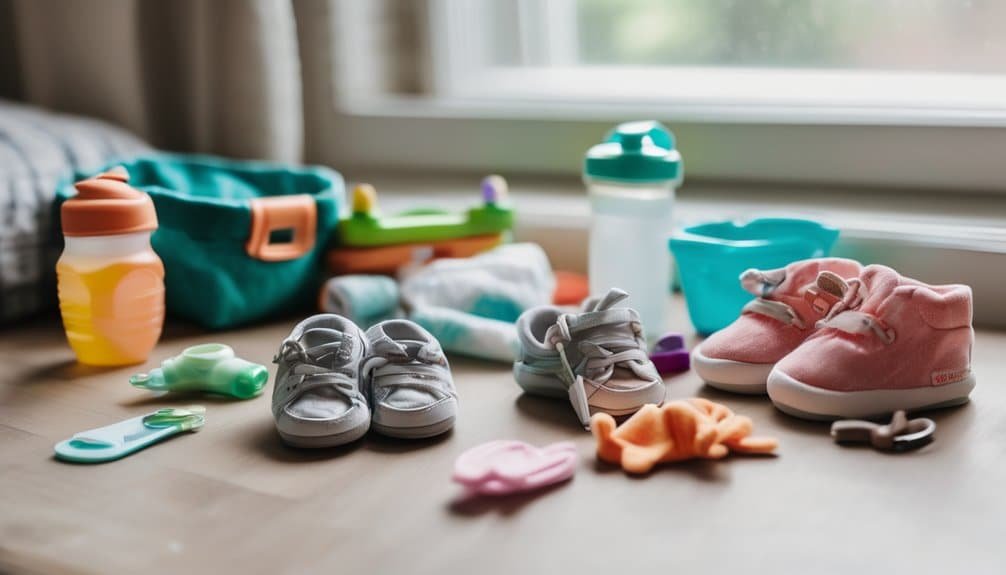
Clothing, shoes, and toddler gear add another steady layer of expense as children grow quickly and wear items out fast. Families often notice that seasonal clothing is needed more often than expected, especially when sizes change between weather shifts.
Durable footwear matters because little feet need support, and cheap pairs may need replacing sooner. Many parents rely on thrift shopping to stretch budgets, finding good basics and outerwear at lower prices.
Gear essentials such as coats, hats, backpacks, and play items can also raise monthly costs, even when purchases seem small. Taken together, these needs create a recurring outlay that feels personal in every family budget, since comfort, safety, and daily practicality all depend on items that fit well and hold up.
How to Lower Toddler Expenses
Lowering toddler expenses often starts with small, practical shifts that add up over time. Families can use savings strategies that protect comfort while easing monthly pressure. Careful budget planning helps identify where diapers, snacks, and toys quietly stretch spending.
- Use secondhand shopping for clothes, books, and sturdy gear that still has plenty of life.
- Share parenting hacks with trusted friends, such as swapping toys, joining local buy-nothing groups, and meal prepping toddler snacks.
- Set limits on impulse purchases by keeping a short list of needed items and reviewing prices before buying.
These habits support a warmer, calmer home, where parents feel less strain and more connection. Small choices, made consistently, can keep toddler care affordable without sacrificing what matters most.
Frequently Asked Questions
How Do Toddler Expenses Change by Region?
Toddler expenses vary by region, with urban areas usually costing more for childcare, housing, and food. Regional differences make cost comparisons essential, helping families budget realistically and choose affordable communities with greater peace of mind.
What Emergency Costs Should Parents Budget For?
Parents should budget for unexpected medical bills, childcare emergencies, safety equipment replacements, and travel expenses for urgent family needs. A practical reserve helps households stay calm, protect loved ones, and handle surprises without financial strain.
How Much Does Toddler Health Insurance Cost?
Toddler health insurance often costs $150–$400 monthly; one family called it “a rainy-day umbrella” after a pediatric bill. Budget-minded parents compare toddler insurance options and average premium costs, weighing deductibles, subsidies, and family needs.
Are Toddler Extracurricular Activities Expensive?
Yes, toddler extracurricular activities can be expensive, though costs vary. Toddler sports, creative classes, music lessons, outdoor activities, educational programs, and mommy and me sessions often fit modest budgets when chosen carefully.
What Tax Breaks Help Offset Toddler Expenses?
Gentle relief often arrives through childcare credits, dependent exemptions, and tax deductions, though income thresholds can limit benefits. A family-oriented planner may find these breaks soften toddler expenses, keeping budgets steadier and hearts closer.
Conclusion
Raising a toddler can feel expensive, but the total cost is often more manageable when broken into childcare, food, diapers, clothing, and daily supplies. Some families may assume the numbers are overwhelming, yet careful budgeting, bulk buying, and choosing only essential gear can keep spending under control. With planning and regular expense tracking, parents can meet a toddler’s needs without sacrificing financial stability or family priorities.