
Did you know that fewer than 1 in 10 adults meet the recommended daily intake of fruits and vegetables? You're likely falling short of these nutritional goals, but there are straightforward and enjoyable ways to incorporate more greens and fresh flavors into your diet. Whether it's blending them into your morning smoothie, snacking on crunchy veggies, or experimenting with salads and stir-fries, increasing your intake can be both delicious and beneficial. Let's explore how these changes can not only enhance your meals but also significantly impact your health and well-being. What might it look like if fruits and veggies were a bigger part of your day?
Key Takeaways
- Incorporate fruits and veggies into every meal, such as adding spinach to omelets or berries to breakfast cereals.
- Use whole fruits and vegetables as snacks, like apple slices with peanut butter or carrot sticks with hummus.
- Blend a variety of colorful fruits and greens in smoothies for a nutrient-packed snack or meal supplement.
- Prepare meals with seasonal produce to ensure freshness, better flavor, and nutritional value.
- Engage in weekly meal prep, including pre-cutting fruits and veggies, to make healthy choices convenient and accessible.
Start With Breakfast
Kicking off your day with a fruit-filled breakfast is a simple and effective way to boost your nutrient intake. By incorporating fruit toppings on your morning cereals or yogurt, you're not only enhancing the flavor but also enriching your meal with essential vitamins, minerals, and fibers. It's an easy step with significant benefits.
You can further fortify your breakfast by adding veggies to your morning routine. Consider preparing veggie omelets, which can be a savory way to introduce more vegetables into your diet. Start by sautéing a mix of spinach, tomatoes, and onions, then pour your eggs over these nutritious veggies.
This combination doesn't just offer a delicious taste but also provides a powerhouse of nutrients like iron, vitamin C, and protein, making it a balanced meal.
These simple modifications to your breakfast are practical and sustainable strategies that not only cater to your health but also allow you to serve nutritious meals to your family or community.
Encouraging others to start their day with such wholesome choices can significantly impact overall wellness. Remember, a healthy diet is about making small, manageable changes that add up to substantial health benefits over time.
Snack Smart
While incorporating more fruits and vegetables into your breakfast is a great start, don't overlook the power of smart snacking throughout the day. Snacks aren't just fillers between meals; they're opportunities to fuel your body and boost your intake of essential nutrients.
By choosing the right snack alternatives and exercising portion control, you can maintain energy levels and avoid the common pitfalls of overeating.
Here are four practical ways to snack smarter:
- Opt for Whole Fruits: Choose whole fruits like apples, berries, or bananas instead of processed snacks. They're packed with fiber, help control hunger, and regulate blood sugar levels.
- Vegetable Sticks and Hummus: Swap out chips for crunchy vegetables like carrots, celery, or bell peppers. Pair them with a small serving of hummus for a satisfying, protein-rich snack.
- Portion-Controlled Nuts: Nuts are nutritious but high in calories. Measure out a small handful to avoid overeating while still getting a good mix of protein and healthy fats.
- Frozen Grapes or Berries: For a sweet craving, try frozen grapes or berries. They're like natural candy and are perfect for portion-controlled snacking.
These snack alternatives help you stay on track with your dietary goals while serving your body's needs efficiently and deliciously.
Enhance Your Lunch
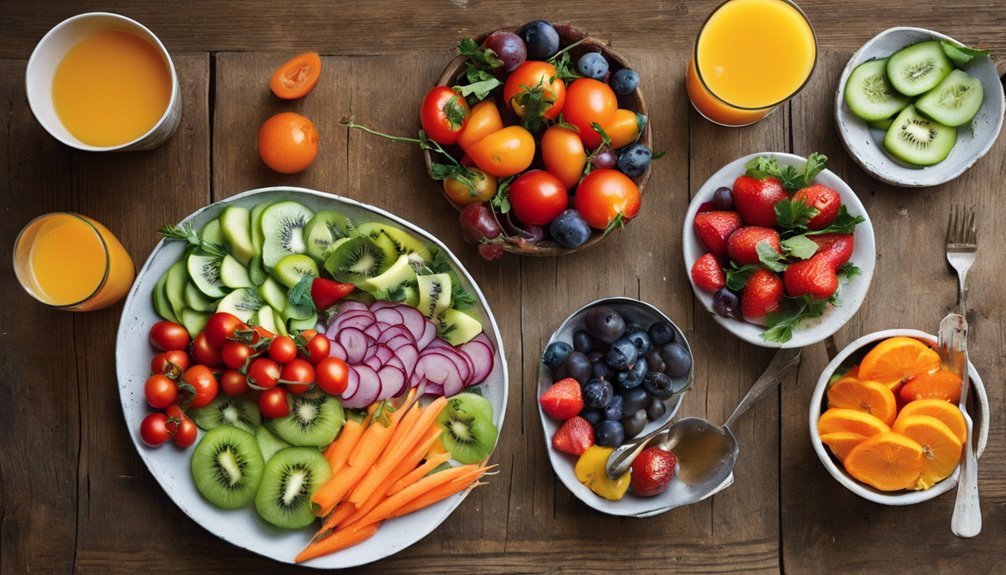
How can you turn your lunch from a quick bite into a nutrient-rich power meal? Start by rethinking your typical choices and opting for lunch wraps and veggie sandwiches, which are both versatile and packed with nutrients.
Lunch wraps are an excellent canvas for a variety of vegetables; think beyond lettuce to include options like shredded carrots, beet slices, and spinach. Add in some lean proteins like grilled chicken or tofu to keep you full longer, and sprinkle in seeds or nuts for a crunchy texture.
Veggie sandwiches offer a similar opportunity for creativity and nutrition. Choose whole grain bread, which serves as a hearty base. Layer on tomatoes, cucumbers, peppers, and avocados for a dense nutrient profile.
Don't forget to spread a thin layer of hummus or a drizzle of olive oil for healthy fats that promote vitamin absorption.
Dinner Additions
Revamping your dinner plate to include more fruits and vegetables can significantly enhance your meal's nutritional value. By integrating a variety of colors and textures, you'll not only enjoy a visually appealing plate but also reap the benefits of a diverse range of nutrients.
Here are some practical ways to make your evening meals both healthier and more enjoyable:
- Incorporate a Vegetable Stir Fry: Quickly sauté a mix of your favorite vegetables such as bell peppers, broccoli, and snap peas. Add tofu or chicken for protein, and flavor with garlic, ginger, and a splash of soy sauce for a nutritious, filling dish.
- Experiment with Fruit Toppings: Instead of heavy sauces, top your dishes with fresh or grilled fruits. Try grilled pineapple on BBQ chicken or fresh mango salsa over fish tacos to add a sweet, tangy flavor that complements the main course.
- Bulk Up Salads: Transform salads into hearty meals by adding roasted veggies, nuts, seeds, and a variety of greens. Hearty kale, spinach, and arugula make excellent bases.
- Swap in Whole Grains: Serve your main dishes with sides of whole grains like quinoa, farro, or brown rice. They're excellent at absorbing flavors and increase the fiber content of your meals.
Smoothie Solutions
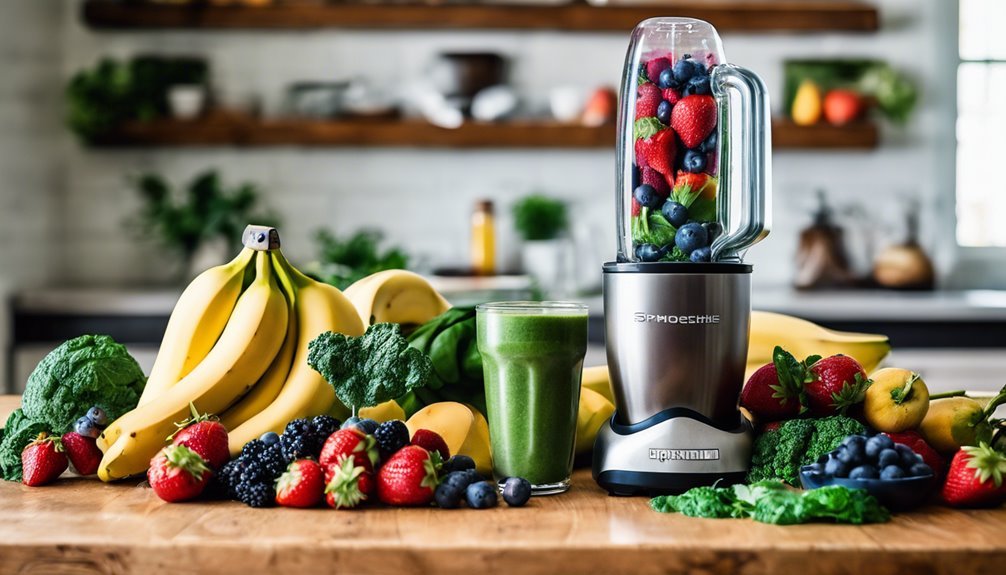
Smoothies offer an excellent way to boost your daily intake of fruits and vegetables, effortlessly combining nutrition and convenience in a single glass. By incorporating a variety of smoothie ingredients, you can create delicious and nutritious smoothie combinations that suit your taste and dietary needs.
Here's a simple guide to get you started:

| Base Ingredient | Fruit Addition | Superfood Boost |
|---|---|---|
| Spinach | Banana | Chia Seeds |
| Kale | Mixed Berries | Flaxseeds |
| Greek Yogurt | Mango | Hemp Seeds |
| Almond Milk | Apple | Spirulina |
| Coconut Water | Pineapple | Cocoa Powder |
When you blend these ingredients, you're not just making a meal; you're fueling your body with essential vitamins, minerals, and antioxidants. It's crucial to mix up your choices to maximize the health benefits and keep your taste buds excited. Remember, the more colorful your smoothie, the broader the range of nutrients.
Start experimenting with these combinations, or create your own based on what's fresh and available. You're not just serving up a quick snack, you're nourishing your body and caring for your well-being in the most delightful way.
Explore Salads
While smoothies offer a quick nutritional fix, incorporating a variety of salads into your diet can significantly enhance your intake of essential nutrients.
Exploring salad variations not only boosts your vitamin and mineral intake but also adds exciting textures and flavors to your meals, making them more enjoyable and beneficial for those you serve.
Here are some tips to help you dive into the world of salads:
- Mix Your Greens: Don't just stick to lettuce; try arugula, spinach, kale, or a mix of several greens for varied nutrients and tastes.
- Add Colorful Vegetables and Fruits: Incorporate a rainbow of options like red peppers, carrots, blueberries, and oranges. These not only make your salad more visually appealing but are packed with essential vitamins and antioxidants.
- Experiment with Proteins: Include lean proteins such as grilled chicken, tofu, or beans. They'll make your salads more filling and provide the necessary proteins your body needs.
- Get Creative with Dressing Ideas: Opt for homemade dressings with olive oil, lemon juice, herbs, and spices to control your intake of healthy fats and avoid preservatives found in many store-bought dressings.
Try Vegetable Soups
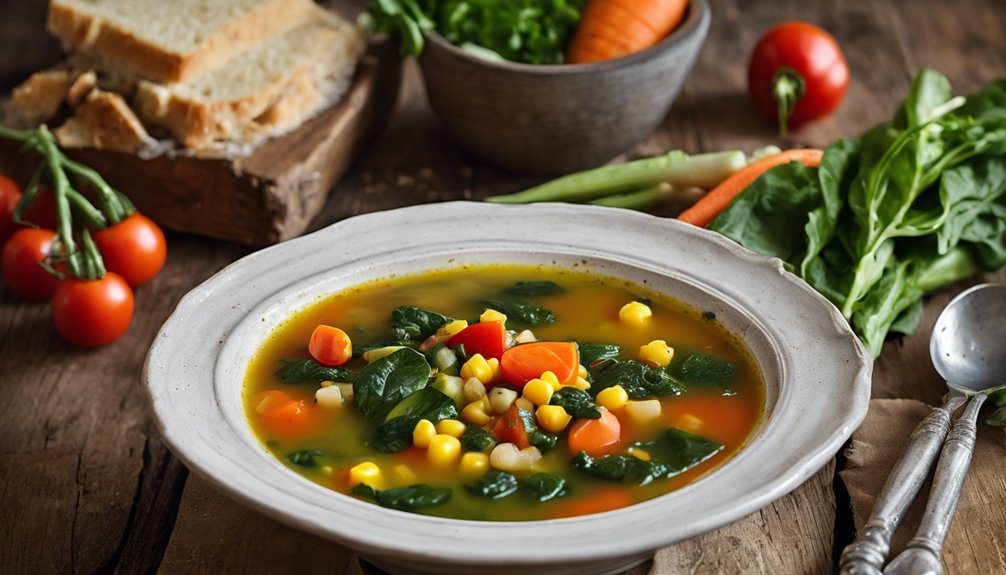
Transitioning to vegetable soups is an excellent way to boost your daily intake of vegetables in a warm and comforting way. Hearty flavors and seasonal ingredients not only make each bowl delicious but also pack it with essential nutrients. You can easily tailor soups to what's available or preferred, ensuring variety and freshness.
Here's a simple guide to get you started:
| Ingredient | Benefits | Season |
|---|---|---|
| Pumpkin | High in vitamins A and C, fiber | Fall |
| Kale | Rich in vitamins K, A, and C, calcium | Winter |
| Tomato | Good source of vitamin C, potassium | Summer |
| Carrot | Loaded with vitamin A, antioxidants | Spring |
By choosing ingredients that are in season, you not only enjoy the peak of flavor but also support local farming. This practice can also be more economical and environmentally friendly.
When making your soups, consider blending part of the soup to thicken it naturally without cream. This method preserves the fiber and nutritional content. Don't shy away from experimenting with spices and herbs—they enhance both the taste and the health benefits. Remember, your creations can be a fantastic way to serve those around you, offering both nourishment and comfort.
Grill Your Greens
Grilling your greens is a fantastic way to enhance their natural flavors while preserving their nutritional benefits. When you grill vegetables like asparagus and eggplant, you're not just preparing a meal; you're crafting a nutrient-rich dish that can significantly benefit your health and please your palate.
Let's explore how you can master the art of grilling vegetables, particularly focusing on grilled asparagus and smoky eggplant, which are beloved for their robust flavors and health benefits.
Here are a few tips to get you started:
- Preheat Your Grill: Ensure your grill is hot before you add your veggies. A hot grill helps to sear the vegetables quickly, retaining their texture and nutrients.
- Use Minimal Oil: Brush your veggies lightly with olive oil. This not only prevents sticking but also helps in achieving that delightful char without adding too many extra calories.
- Season Simply: A sprinkle of salt and pepper can enhance the natural flavors of your grilled asparagus and smoky eggplant. You can also experiment with herbs like rosemary or thyme for added aroma.
- Don't Overcook: Grill each side just enough to get tender but still crisp. Grilled asparagus, for instance, typically needs about 2-4 minutes per side.
Fruit as Dessert
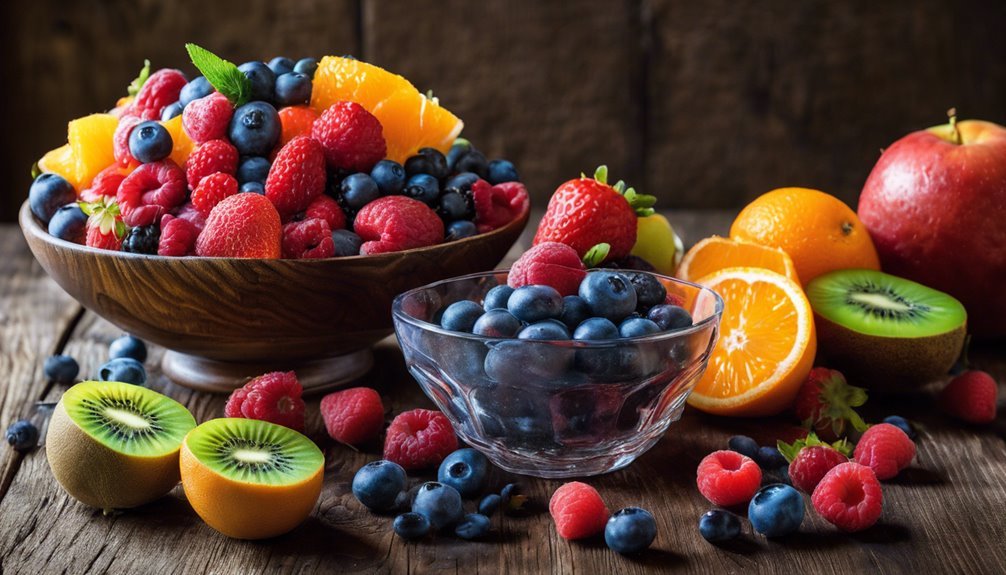
After exploring how to enhance your meals by grilling vegetables, consider another healthy adjustment to your diet by using fruit as dessert. Swapping traditional sweets with fruit desserts not only reduces your sugar intake but also boosts your intake of essential vitamins, fiber, and antioxidants. This simple switch can be both delightful and nourishing.
Introducing fruit desserts into your diet doesn't have to be boring. Get creative with toppings and presentation to make each dessert exciting and visually appealing. Below is a table that illustrates some quick and nutritious fruit dessert ideas:
| Fruit Base | Creative Toppings |
|---|---|
| Sliced peaches | A sprinkle of cinnamon and a dollop of Greek yogurt |
| Mixed berries | Drizzled honey and toasted almonds |
| Chopped apples | Warm peanut butter and granola |
| Banana slices | Dark chocolate shavings and coconut flakes |
Each combination offers a unique taste and texture, making your dessert both satisfying and beneficial for your health. You're not just serving a sweet end to a meal; you're also providing valuable nutrients to your body. Embrace these fruit desserts as a testament to your commitment to a healthier, more wholesome diet that you can proudly share with others.
Prep Weekly Batches
Planning is key when incorporating more fruits and vegetables into your diet efficiently. By setting aside time each week for meal prep, you can ensure that you have healthy options readily available. This practice not only saves time but also enhances your diet quality.
Here are some practical steps to help you get started:
- Choose a Variety: Select a wide range of fruits and veggies each week. This diversity ensures you get a broad spectrum of nutrients and keeps your meals interesting.
- Pre-Cut for Convenience: Wash, peel, and chop your produce right after shopping. You're more likely to reach for them if they're ready-to-eat.
- Smart Storage: Use clear, airtight containers to store your prepped fruits and veggies. Keeping them visible and properly stored extends freshness and reduces waste. Learn specific storage tips for different types of produce to maintain optimal quality.
- Schedule Your Prep Time: Consistency is crucial. Pick a day that works best for you and make it a non-negotiable part of your week. This routine simplifies your meal planning and reduces the daily decision fatigue about what to eat.
Use Vegetable Dips
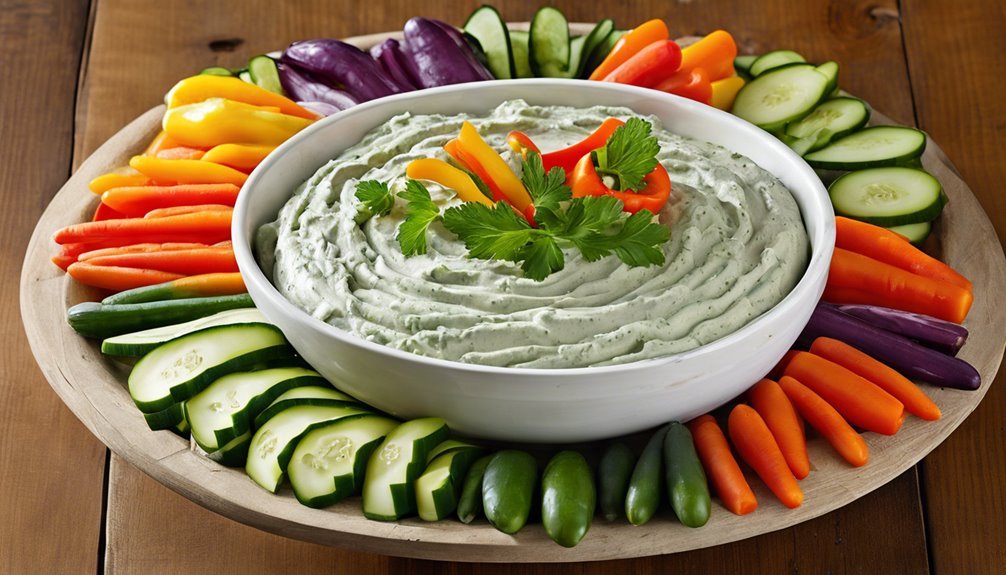
Introducing vegetable dips into your snack routine can significantly increase your daily intake of veggies. Dips not only enhance the flavor of raw vegetables but also make them more appealing and satisfying.
Consider preparing a range of hummus varieties, which are rich in protein and fiber. Classic hummus, roasted red pepper, or garlic herb—each offers a unique taste that can complement different vegetables like carrots, celery, or bell peppers.
Experiment with dip pairings to keep your palate excited. For instance, a spicy black bean dip pairs wonderfully with sweet mini peppers, while a creamy avocado dip might be the perfect match for crunchy cucumber slices. These pairings not only cater to your taste buds but also ensure you're getting a variety of nutrients.
When serving others, presenting a colorful array of vegetables with multiple dip options can encourage everyone to eat more greens. It's a practical approach to boost nutrient intake in a social setting, making healthy eating a shared experience.
Furthermore, by choosing dips made with whole ingredients, you prioritize health without sacrificing taste, ensuring that your efforts to serve nutritious snacks are both appreciated and beneficial.
Educate on Benefits
Understanding the health benefits of fruits and vegetables can motivate you to incorporate more into your diet. These food groups are packed with essential nutrients that support overall health and can help you serve others by promoting a healthy community.
Here's a clear breakdown of their advantages:
- Rich in Vitamins and Minerals: Fruits and veggies are loaded with vitamins such as A, C, and E, and minerals like magnesium and potassium. These nutrients are crucial for maintaining many body functions, including vision, skin health, and immune response.
- High in Fiber: Consuming foods high in fiber helps in digestion and maintaining a healthy gut. It can also aid in weight management by keeping you fuller longer, reducing the temptation to snack on less healthy options.
- Antioxidants for Disease Prevention: The antioxidants found in many fruits and vegetables, such as beta-carotene and lycopene, help combat free radicals, potentially reducing your risk of chronic diseases such as heart disease and cancer.
- Low in Calories: Adding more fruits and vegetables to your diet can help manage calorie intake while still delivering the nutritional value needed for energy and vitality.
Frequently Asked Questions
How Do I Store Cut Fruits to Prevent Browning?
To prevent browning of cut fruits, you'll want to use lemon juice.
It's packed with vitamin C, which acts as an antioxidant to inhibit the oxidation that causes browning. Simply sprinkle lemon juice over the cut surfaces of your fruits.
Then, store them in airtight containers to minimize exposure to air.
This method not only preserves the aesthetic appeal of your fruits but also maintains their nutritional quality, ensuring they're always ready for serving.
Can Frozen Vegetables Be as Nutritious as Fresh Ones?
Absolutely! Frozen vegetables can sometimes feel like unsung heroes compared to their fresh counterparts.
In terms of frozen nutrition, they're often picked at peak ripeness and flash-frozen, which locks in vital nutrients. This process ensures that you're not losing significant vitamins or minerals in comparison to fresh veggies.
What Are Low-Carb Vegetable Options?
You're looking for low-carb vegetable options, and leafy greens and root vegetables are your best bets. Spinach, kale, and arugula offer minimal carbs and are packed with nutrients.
Among root vegetables, turnips and radishes have fewer carbs compared to potatoes. Incorporating these veggies into your meals enhances nutrition efficiently.
You can serve them raw in salads, sautéed as side dishes, or blended into smoothies, helping you maintain a balanced, health-focused diet.
Are Canned Fruits Healthy?
Canned fruits can be a healthy choice if you're selective. Look for options without added sugars or syrups, which align with maintaining a balanced diet.
They offer similar nutritional benefits to fresh fruits and are convenient for quick meals. Try incorporating them into recipes like salads or smoothies to boost your nutrient intake.
Always check labels to ensure you're choosing the healthiest versions to serve your family and guests.
How Do I Make Vegetables Tasty for Kids?
To make vegetables tasty for kids, try incorporating creative recipes and fun presentations. You can blend veggies into smoothies or shape them into fun characters and scenes on their plates.
Experiment with different seasonings and cooking methods like roasting to enhance their natural flavors.
Show enthusiasm about vegetables as you serve them; your positive attitude can influence their willingness to try and enjoy these healthy options.
Conclusion
Now that you're armed with these tips, turning over a new leaf with fruits and veggies will be a breeze. Remember, every meal is an opportunity to color your plate with nature's bounty. Dive into those weekly prep sessions—it's your safety net against the fast-food trap. By weaving in vibrant, nutritious options throughout your day, you'll not only feel the benefits but see them too. Here's to a healthier, happier you!