
Confidence in young children grows through small, consistent experiences that show them they are capable. Research suggests that specific praise, limited choices, and chances to solve simple problems can strengthen autonomy and resilience. Play adds another layer, helping children test skills in a low-pressure setting. Adults also shape this process through calm, confident self-talk. These early habits matter more than they may first appear, especially when challenges begin to get harder.
Key Takeaways
- Give specific praise for effort and actions, not just results, so children see what they did well.
- Offer small, age-appropriate choices to help children feel capable and included.
- Let children solve simple problems on their own before stepping in.
- Use play to let children practice skills, try ideas, and build resilience.
- Model confident self-talk and calm responses to mistakes so children learn how to cope.
Use Specific Praise to Build Confidence
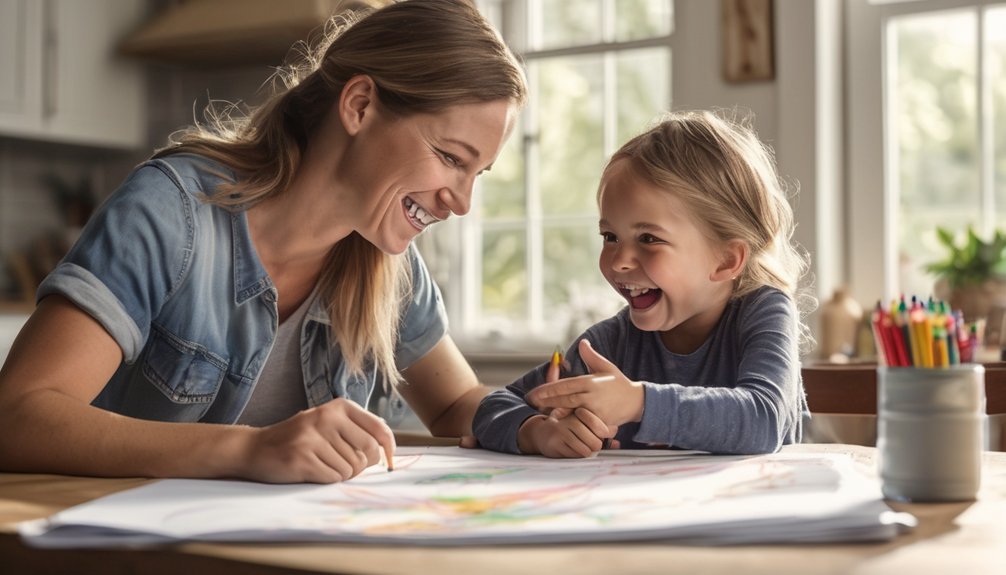
Specific praise helps young children understand exactly what they did well, making confidence more likely to grow from real success rather than vague approval. When adults offer specific feedback, children can connect effort with outcome and begin to trust their own abilities.
A caregiver might say, “You kept trying that puzzle until the last piece fit,” or, “You shared your blocks so kindly.” Such praise examples highlight actions that are observable, concrete, and meaningful.
Research suggests that this kind of language supports healthy motivation because it recognizes the child’s behavior, not a fixed label. Over time, children feel seen, capable, and emotionally secure.
Gentle, precise praise can strengthen closeness while helping young children build an inner sense of competence that lasts beyond the moment.
Give Young Children Small Choices
Offering a few small choices can strengthen a young child’s sense of competence without overwhelming a developing mind. Research suggests that simple decisions, such as selecting a shirt or choosing between two snacks, support autonomy and help children practice decision making skills in a safe, familiar way.
A gentle choice variety also teaches that preferences matter and that caregivers can respect those preferences while maintaining appropriate limits. When adults keep options clear and manageable, children are more likely to feel seen, capable, and secure.
This steady experience of being included in decisions can quietly build confidence over time. Small choices invite participation, reduce frustration, and create warm moments of connection that support healthy growth.
Let Kids Solve Problems on Their Own

When a child is given room to work through a small challenge, problem-solving skills and confidence can grow together. Instead of rushing in, a caregiver can pause, observe, and offer encouragement that keeps the child calm and engaged.
This approach supports independent thinking, because the child learns to test ideas, notice what works, and adjust without fear of immediate correction. Developmentally, manageable frustration is useful; it gives the child practice in staying with difficulty long enough to find a solution.
Over time, these moments become resilience building. The child begins to trust personal effort and feels capable of handling setbacks. Gentle guidance still matters, but waiting before helping can deepen confidence in a quiet, lasting way.
Build Confidence Through Play
Play gives young children a natural setting to practice new skills without the pressure of performance. Through creative exploration, they test ideas, make choices, and discover that effort can lead to success.
Imaginative play and role playing help them rehearse social situations, while cooperative games build trust, turn taking, and shared purpose. Storytelling activities and art projects invite expression, allowing children to see their thoughts valued.
Outdoor adventures and physical challenges strengthen coordination and resilience as they navigate manageable risks. Research shows that playful learning supports confidence because children feel competent when tasks are engaging and adaptable.
When adults provide space, materials, and gentle encouragement, play becomes a quiet teacher, helping young children grow sure of themselves in a warm, developmentally appropriate way.
Model Confidence With Positive Self-Talk

Children learn how to talk to themselves by listening to the language adults use aloud. When caregivers face mistakes with calm, encouraging words, young children absorb a template for resilience.
Phrases such as, “I can try again,” or, “This is hard, but I am learning,” teach that effort matters more than perfection. These affirmation techniques work best when they sound natural, brief, and sincere.
Developmentally, children need repeated examples before they can internalize them. Adults who name their own strengths, manage frustration, and celebrate small wins model self-esteem strategies in action.
Over time, this gentle self-talk becomes part of a child’s inner voice, supporting courage, persistence, and a secure sense of capability.
Frequently Asked Questions
What Age Should Confidence-Building Activities Begin?
Confidence-building activities should begin in infancy, when confidence milestones first emerge through secure attachment, exploration, and early encouragement. Developmentally informed research suggests gentle praise, responsive caregiving, and success experiences support healthy self-belief.
How Can Parents Tell if a Child Lacks Confidence?
Parents can tell by noticing self esteem indicators and behavioral signs: avoidance, hesitation, frequent self-criticism, and reluctance to try. Research suggests these patterns may reflect fragile confidence, though temperament and development also shape them.
Can Too Much Praise Reduce a Child’s Confidence?
Yes, too much praise can reduce confidence when it feels insincere. Research on praise impact and overpraising effects suggests children may rely on approval instead of developing effort, resilience, and internal self-trust.
What Role Does Sleep Play in a Child’s Confidence?
Sleep cushions a child’s mind like a soft blanket, steadying emotions and sharpening attention. Research shows sleep importance for learning and resilience. Consistent sleep routines help children wake calmer, feel capable, and face challenges more confidently.
How Do Cultural Differences Affect Confidence Development?
Cultural differences shape confidence through cultural values, parenting styles, social expectations, family dynamics, community influences, and educational approaches. Research suggests children thrive when encouragement aligns with their environment, fostering competence, belonging, and secure self-belief.
Conclusion
Building confidence in young children is like planting a sturdy tree: it grows best with steady support, room to try, and time to stretch. Specific praise helps children notice effort, small choices build autonomy, and problem-solving opportunities strengthen resilience. Play gives them a safe space to explore skills, while positive self-talk models a healthy inner voice. Together, these strategies help children develop the self-assurance needed to face new challenges with confidence.