
When you're navigating the multitude of changes that come with motherhood, dealing with postpartum hair loss and texture changes can feel overwhelming. It's crucial to choose a shampoo that not only addresses these issues but also suits your unique hair needs. You'll want to opt for products that are gentle yet effective, free from harsh chemicals, and enriched with nutrients that support hair regrowth and strength. But the question remains: among the vast array of options, how do you pinpoint the one that's perfect for you? Let's explore the key factors to consider, ensuring your hair receives the best care possible during this delicate time.
Key Takeaways
- Opt for sulfate-free shampoos to avoid stripping natural oils, essential for maintaining scalp health postpartum.
- Choose shampoos enriched with natural oils like argan or jojoba to enhance moisture and elasticity.
- Select shampoos containing hair-strengthening vitamins such as biotin and Vitamin E to support hair repair and growth.
- Look for products labeled paraben-free and phthalate-free to minimize hormonal disturbances.
- Ensure shampoos feature scalp-stimulating ingredients like menthol or peppermint for enhanced blood flow and nutrient delivery.
Understanding Postpartum Hair Changes
During the postpartum period, many women experience significant changes in their hair health and growth patterns. These transformations are primarily driven by hormonal fluctuations that accompany pregnancy and the subsequent return to pre-pregnancy hormone levels.
You might notice that your hair texture feels different; it could be drier, more brittle, or curlier than it was before. This is because estrogen levels, which are elevated during pregnancy, begin to drop after you give birth, significantly impacting your hair's life cycle and texture.
Understanding these changes is crucial if you're looking to maintain healthy hair during the postpartum period. The scalp's sensitivity might also change, necessitating a gentle approach to hair care.
Choosing the right shampoo becomes pivotal—it should match your current hair texture and cater to the new sensitivity levels of your scalp.
It's essential to opt for products that aren't only gentle but also rich in nutrients that can support hair strength and elasticity. Look for shampoos with natural oils and proteins.
These ingredients help in nourishing your scalp and hair, compensating for the hormonal upheaval your body is undergoing. Remember, your goal is to nurture both your hair and your wellbeing during this transformative time.
Signs of Postpartum Hair Stress
After childbirth, you may notice several signs indicating stress on your hair. One of the most evident symptoms is hair thinning. This occurs when hair falls out more frequently and regrows at a slower rate, leading to noticeable reductions in overall hair volume.
It's not uncommon for you to experience this type of hair loss, particularly in the first few months postpartum due to hormonal fluctuations.
Effective stress management plays a crucial role in mitigating hair thinning. Chronic stress can exacerbate hair loss by disrupting your hair growth cycle. Integrating stress-reduction techniques such as mindfulness, yoga, or regular exercise can significantly help in managing these effects.
You might also observe changes in hair texture and increased scalp sensitivity. These changes are typically due to alterations in your body's nutrient distribution and hormonal levels.
It's important to address these signs by selecting hair care products specifically designed to strengthen and nourish your hair.
Essential Nutrients for Healthy Hair

Addressing the signs of hair stress discussed earlier leads naturally to understanding what specific nutrients are vital for maintaining healthy hair. Postpartum hair issues often stem from nutritional deficiencies that can be mitigated by ensuring intake of key nutrients.
Here are three crucial components:
1. Protein: Hair is predominantly composed of keratin, a type of Protein. Adequate protein intake from varied sources supports the keratin infrastructure, promoting hair strength and growth.
Consider incorporating lean meats, fish, eggs, and legumes into your diet.
2. Vitamins: Several Vitamins play integral roles in hair health:
- Vitamin C aids in the production of collagen, a vital part of hair structure.
- B-Vitamins, particularly Biotin (B7), are essential for hair growth. They help in creating red blood cells, which carry oxygen and nutrients to the scalp and hair follicles.
- Vitamin E supports the scalp by reducing oxidative stress and preserving the hair follicle's integrity.
3. Minerals: Iron, zinc, and selenium are foundational for hair growth and repair.
Iron helps red blood cells carry oxygen to hair follicles, which is crucial for healthy hair cycles.
Choosing the Right Ingredients
Often, selecting the right shampoo ingredients can significantly impact your postpartum hair recovery and maintenance. As you navigate this delicate period, understanding ingredient sourcing and formulation transparency becomes paramount. It's not just about choosing a product; it's about making informed decisions that benefit your hair's health.
Firstly, consider the origin of the ingredients. Ethically sourced components ensure that the products are of high quality and produced without compromising the welfare of ecosystems or communities. This approach supports not only environmental sustainability but also the integrity of the shampoo you use on your sensitive postpartum hair.
Moreover, formulation transparency is crucial. Companies that disclose their shampoo formulations typically adhere to higher safety and efficacy standards.
Look for products that clearly list their ingredients and their purpose. This transparency allows you to avoid unnecessary additives and focus on beneficial elements such as natural oils, proteins, and vitamins that support hair strength and growth.

Avoiding Harmful Chemicals
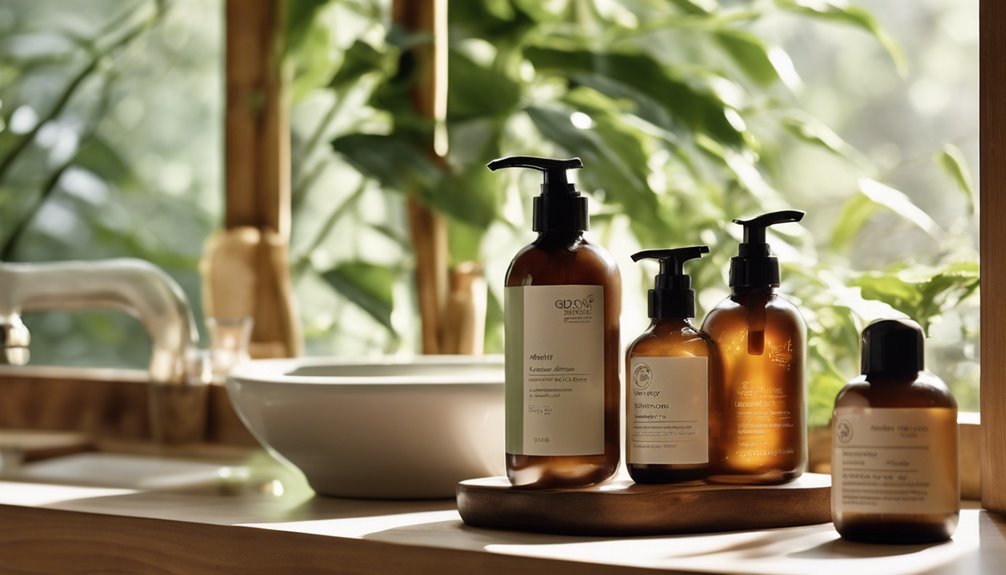
In selecting your postpartum shampoo, it's crucial to steer clear of harmful chemicals that can exacerbate hair loss and impede healthy regrowth. Your delicate hormonal balance during this period requires gentle care, not aggressive compounds that could potentially harm not just your hair but also your overall health.
When choosing your shampoo, closely scrutinize the ingredient labels. This practice will safeguard you from inadvertently exposing yourself and possibly your nursing child to undesirable substances.
Here are key chemicals to avoid and safe chemical alternatives to consider:
- Sulfates (e.g., Sodium Lauryl Sulfate): These are harsh detergents that strip natural oils from your hair and scalp, leading to dryness and breakage. Opt for sulfate-free formulas that contain milder cleaning agents like decyl glucoside.
- Parabens (e.g., Methylparaben, Propylparaben): Used as preservatives, parabens can disrupt hormone function. Look for paraben-free shampoos that use natural preservatives like sodium benzoate.
- Phthalates: Often hidden under "fragrance," phthalates are linked to hormonal disturbances. Select shampoos labeled as "phthalate-free" and prefer products that list all fragrance components or use natural essential oils.
Shampoos for Thinning Hair
After focusing on the importance of avoiding harmful chemicals in shampoos, you should also consider products specifically formulated for thinning hair postpartum. As you navigate this delicate period, selecting a shampoo that supports hair density without compromising hair health is essential.
Opt for sulfate-free options, as these are gentler on your scalp and less likely to strip hair of natural oils, which are crucial for maintaining hair strength and preventing breakage.
Look for volumizing formulas that contain natural botanicals and proteins. These ingredients are key in providing lift at the root, thereby enhancing the appearance of thicker hair.
Additionally, these formulations often include nutrients like biotin and niacin, which are known to support hair growth and improve the overall health of your scalp.
It's vital to choose products that not only address hair thinning but also cater to the overall integrity of your scalp environment. Products enriched with antioxidants and anti-inflammatory agents can help soothe the scalp and create a conducive environment for healthy hair growth.
Moisturizing Products for Dry Hair

Postpartum hair often requires extra hydration, so choosing the right moisturizing shampoo is crucial for managing dryness effectively.
When selecting a shampoo, you'll want to look for products that contain hydrating oils and offer scalp treatments to nourish both your hair and scalp deeply.
Here are the key components to look for in a moisturizing shampoo:
- Hydrating Oils: Opt for shampoos with natural oils like argan, coconut, or jojoba. These oils are rich in fatty acids and vitamins that penetrate the hair shaft, improving moisture retention and elasticity.
- Scalp Treatments: Ingredients like tea tree oil or peppermint can invigorate the scalp, promoting a healthy environment for your hair. Balanced scalp health helps prevent additional dryness and irritation.
- Humectants: Look for ingredients like glycerin or honey. Humectants attract moisture from the environment and lock it into your hair, maintaining hydration throughout the day.
Enhancing Hair Growth
To enhance hair growth during the postpartum period, you'll need to focus on products and treatments that stimulate the scalp and fortify hair follicles. Scalp stimulation is critical, as it increases blood flow, bringing more nutrients and oxygen to the hair roots. This can be achieved through specific shampoos that contain ingredients like menthol or peppermint.
Additionally, incorporating a massage routine while shampooing can further enhance this effect, encouraging healthier, stronger hair growth.
Hair serums also play a pivotal role. Look for serums specifically formulated with growth-promoting components such as biotin, caffeine, and niacinamide. These substances not only support the hair's natural growth cycle but also help in thickening the hair shaft and reducing hair breakage.
Applying serum directly to your scalp can intensify the effects of scalp stimulation by nourishing the follicles and extending the anagen (growth) phase of the hair cycle.
Natural and Organic Options

Switching to natural and organic shampoos can be a gentle yet effective way to care for your postpartum hair. Opting for products formulated with natural ingredients not only supports the health of your hair but also aligns with eco-friendly practices, benefitting both you and the environment.
Here are three critical aspects to consider when selecting a natural and organic shampoo:
1. Ingredient Integrity: Look for shampoos that boast a high concentration of organic and naturally sourced ingredients. Avoid products containing sulfates, parabens, and synthetic fragrances, which can be harsh on sensitive postpartum hair and scalp.
Instead, choose formulations enriched with natural oils and herbs that nourish and strengthen hair.
2. Certification Standards: Select products certified by reputable organizations such as the USDA Organic or ECOCERT. These certifications ensure the ingredients are sustainably sourced and the product meets stringent environmental and health safety standards.
3. Efficacy and Suitability: While natural ingredients are beneficial, you need a product that effectively addresses postpartum hair issues like thinning and dryness. Look for shampoos with hydrating ingredients such as aloe vera or argan oil, which help maintain moisture balance and improve hair texture.
Frequency of Washing
While selecting the right natural and organic shampoo is important, understanding how often to wash your hair postpartum plays a pivotal role in maintaining its health.
The ideal washing frequency can vary based on individual hair type, but a general rule of thumb is to allow for some natural oil buildup, which is crucial for scalp and hair health. Over-washing can strip these essential oils, leading to dryness and breakage, which are particularly undesirable during the postpartum period when your hair might already be more fragile.
You should consider adjusting your hair care routine to washing your hair 2-3 times a week. This frequency supports the natural oil cycle while keeping your scalp clean and refreshed.
If you find your hair feels overly greasy or itchy, it might be a sign that adjustments are needed—either in the frequency of washing or the type of shampoo you're using.
Combining With Conditioners
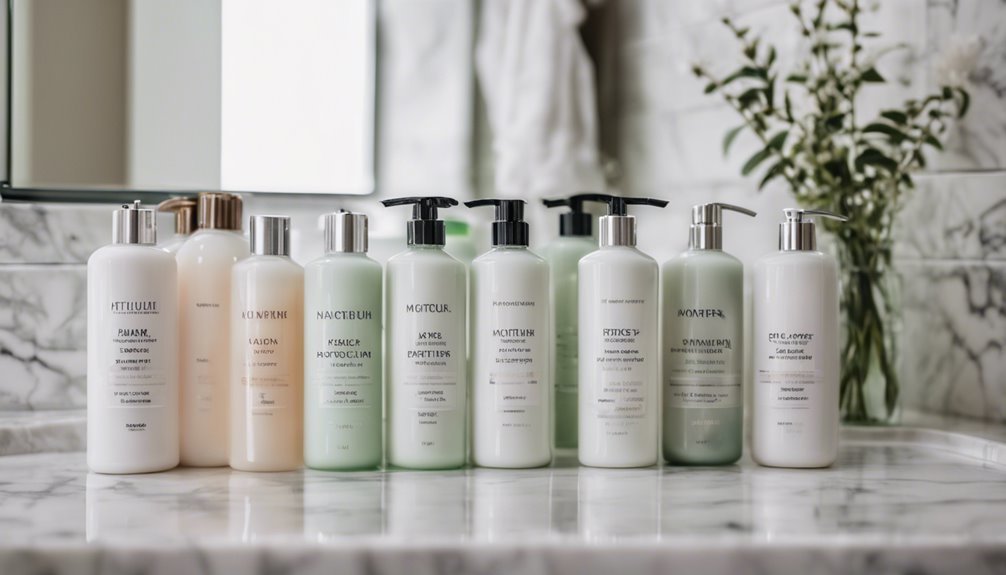
Selecting the right conditioner complements your shampoo choice and significantly impacts your postpartum hair health. When choosing a conditioner, it's essential to consider how it will work in conjunction with the shampoo types you've selected. This strategic pairing maximizes conditioner benefits, enhancing hair recovery and maintenance during the postpartum period.
Here's how you can effectively combine shampoo and conditioner for optimal results:
- Match Formulations: Ensure that the conditioner matches the type of shampoo used, whether it's moisturizing, volumizing, or designed for sensitive scalps. This harmony between products ensures that each complements the other's effects without overpowering or counteracting them.
- Focus on Ingredients: Look for conditioners that contain natural oils and proteins. These ingredients help in repairing and strengthening hair strands weakened during pregnancy and childbirth. They also provide necessary hydration that works in tandem with your shampoo's cleansing properties.
- Consider Special Needs: If you're experiencing specific issues like excessive dryness or hair fall, choose a conditioner formulated to address these. Such products often contain additional nutrients that aid in fortifying and revitalizing your scalp and hair.
Maintaining Hair Health Long-Term
As you transition into maintaining long-term hair health postpartum, it's crucial to establish a routine that consistently supports hair strength and vitality. Implementing long-term strategies isn't just about choosing the right products; it's about understanding the underlying health of your scalp and hair.
Firstly, focus on nutrition. Your hair's condition reflects your overall nutritional status. Ensure you're consuming a balanced diet rich in vitamins and minerals that fortify hair health, such as Vitamin D, zinc, and omega fatty acids.
Remember, a well-nourished body can better manage hair thinning and loss that often accompanies postpartum changes.
Secondly, adopt preventive measures against hair damage. Minimize the use of heat styling tools and harsh chemical treatments. Instead, opt for natural styling methods and gentle, sulfate-free shampoos that preserve your hair's natural oils and moisture balance.
Regular trims also prevent split ends, promoting healthier hair growth.
Lastly, consider regular scalp massages to improve blood circulation, supporting the hair follicles. This practice not only nurtures the scalp but also reduces stress, a common factor in postpartum hair issues.
Frequently Asked Questions
Can Changing Pillowcases Improve Postpartum Hair Health?
Yes, changing your pillowcases can indeed improve your postpartum hair health.
Opting for pillowcases made from smoother materials like silk or satin can reduce friction and prevent hair breakage during sleep. These materials help maintain natural hair oils and minimize tangles, contributing to healthier, stronger hair.
Additionally, ensure you're regularly washing your pillowcases to eliminate buildup of oils and skin cells, which can affect scalp health and hair quality.
How Does Breastfeeding Impact Postpartum Hair Quality?
Breastfeeding affects your postpartum hair like a double-edged sword.
While it promotes bonding and provides essential nutrients to your baby, the breastfeeding hormones can lead to suboptimal nutrient absorption for you, potentially worsening hair quality.
These hormones might prolong the telogen phase of your hair cycle, increasing shedding.
To mitigate this, ensure you're eating a nutrient-rich diet to support both your baby's needs and your hair health.
Are Scalp Massages Effective for Postpartum Hair Recovery?
Yes, scalp massages are indeed effective for postpartum hair recovery.
By employing specific massage techniques, you can enhance scalp health, stimulating blood flow and nutrient delivery to hair follicles. This process can significantly aid in strengthening your hair and promoting new growth.
Make sure you're gentle and use your fingertips to avoid any damage. Regular massages, combined with a healthy diet, can greatly improve your hair's condition during the postpartum period.
Is It Safe to Dye Hair During the Postpartum Period?
You might be eyeing that new hair color, wondering if it's safe to dive into dyeing during the postpartum period.
Here's what you need to know: Generally, hair dyeing is considered safe as modern formulations are less harsh.
However, your postpartum hair is more delicate, and hormonal shifts can affect how your hair reacts to color.
Always patch-test and choose ammonia-free products to minimize any risk while refreshing your postpartum hair color.
Can Stress Management Techniques Prevent Postpartum Hair Loss?
Stress management techniques can indeed help mitigate postpartum hair loss, which is often exacerbated by hormonal changes.
By engaging in stress reduction activities, you're not only supporting your overall well-being but also potentially reducing the impact of stress on your hair follicles.
Practices like mindfulness, yoga, and adequate rest can stabilize hormonal fluctuations, thus helping to preserve hair health.
Prioritizing these techniques can be crucial in maintaining your hair during this transformative period.
Conclusion
Navigating the delicate journey of postpartum hair rejuvenation requires a thoughtful approach. You'll want to embrace shampoos enriched with life-giving nutrients and natural essences that tenderly coax your locks back to their former glory. Avoid harsh chemicals that disrupt your natural harmony. As you integrate these gentle warriors into your routine, you'll notice your tresses not just surviving but thriving. Remember, treating your hair with the respect it deserves is a testament to your overall well-being.