Hosting a word search puzzle competition can be both fun and rewarding. First, you'll want to choose a theme that resonates with your participants. This sets the tone and keeps everyone engaged. Next, consider how you want to structure the competition. Individual play or teams? Each choice has its benefits. Once you've got the basics down, it's all about creating challenging yet enjoyable puzzles. But that's just the beginning—let's explore how to keep the excitement going.
Key Takeaways
- Choose a relevant theme for the puzzles that reflects participants' interests and creates excitement.
- Decide on the competition format, whether individual or team-based, and establish clear rules and time limits.
- Prepare balanced puzzles with 15-20 words, mixing familiar and challenging terms for diverse skill levels.
- Foster engagement by encouraging collaboration, providing encouragement, and keeping a visible scoreboard for motivation.
- Plan meaningful prizes and recognition for winners, and consider participation prizes to celebrate all contestants.
Choosing the Right Theme for Your Word Search
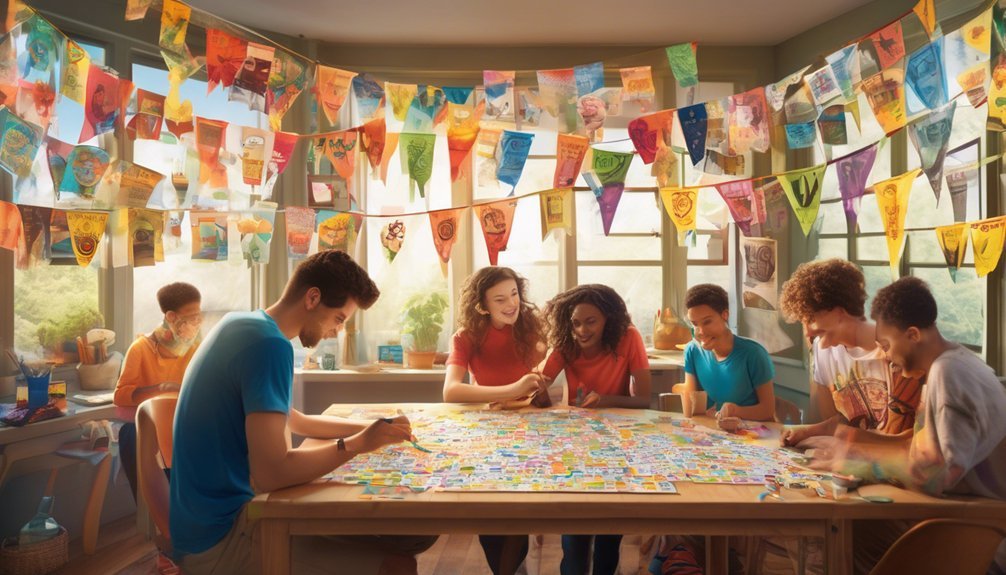
When planning your word search puzzle competition, choosing the right theme can make all the difference in creating an engaging experience for participants.
Consider incorporating seasonal themes, like autumn leaves or summer adventures, to spark excitement and connection. These themes resonate with shared experiences, fostering a sense of belonging among contestants.
Alternatively, you might explore educational topics that challenge participants while also enhancing their knowledge. Subjects like history, science, or literature can make your puzzles both fun and informative.
Whichever theme you choose, ensure it reflects your audience's interests, encouraging friendly competition and camaraderie.
Setting Up the Competition Format
Establishing a clear competition format is crucial for ensuring a smooth and enjoyable experience for all participants. Start by deciding on format variations, like individual versus team-based puzzles or timed rounds versus casual play. Each format can foster a different atmosphere, so choose what suits your group best.
Next, outline the competition rules—these should include how puzzles will be distributed, time limits for completion, and scoring methods. Consider incorporating bonus points for creativity or teamwork.
Make sure everyone understands the rules before the competition begins to avoid confusion. Creating a welcoming environment encourages friendly competition and connection among participants, making your word search event memorable and fun for everyone involved.
Preparing the Word Search Puzzles
To create an engaging word search puzzle for your competition, start by selecting a theme that resonates with your participants. Consider their interests—whether it's pop culture, sports, or local history.

Next, focus on word selection. Choose a mix of familiar and challenging words to cater to different skill levels, ensuring a balanced puzzle difficulty. Aim for about 15-20 words per puzzle, allowing enough space for participants to find them without feeling overwhelmed.
Then, create your puzzle grid using a template or online generator, placing words in various directions. Finally, double-check for accuracy and make sure there are no duplicate words.
With these steps, you'll have a captivating word search that fosters camaraderie and friendly competition among participants.
Engaging Participants and Keeping Score
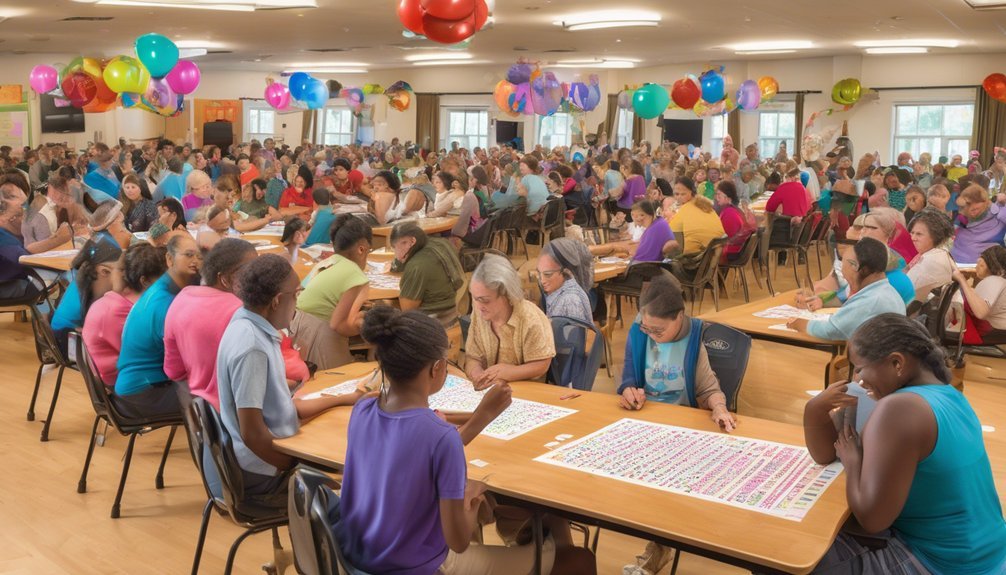
How can you keep participants engaged throughout the word search puzzle competition? Start by fostering a lively atmosphere where everyone feels included.
Encourage friendly competition by explaining scoring methods clearly, such as awarding points for each word found and bonus points for completing the puzzle first. This boosts participant motivation and keeps energy levels high.
Use a large scoreboard visible to all, updating scores in real-time to maintain excitement. Engage everyone by creating small teams, allowing for collaboration and camaraderie.
Regularly check in with participants, offering encouragement and acknowledging their efforts. This sense of belonging enhances the experience, making everyone eager to contribute and stay involved.
With these strategies, you'll create an unforgettable event that keeps participants on their toes!
Prizes and Celebrating the Winners
After keeping the energy high and fostering a sense of community, it's time to recognize the hard work and achievements of your participants.
Start by carefully planning your prize selection. Choose items that resonate with your audience, like gift cards, puzzle books, or fun merchandise. This not only motivates but also shows you value their efforts.
During the award ceremony, create a moment of winner recognition that feels special—share a few words about each winner's journey.
Consider celebrating everyone with small participation prizes to cultivate belonging and encourage future contests.
Finally, capture the excitement with photos and share them online, creating lasting memories of your competition that participants can cherish long after the event ends.
Frequently Asked Questions
How Long Should the Competition Last?
For your competition duration, aim for 30 to 60 minutes. This timeframe encourages excitement and allows participants to showcase their skills. Effective time management keeps everyone engaged, fostering a sense of belonging among competitors.
Can I Use Online Tools to Create Puzzles?
Absolutely! You can use online puzzle generators to create custom puzzle designs tailored to your theme. These tools make it easy to craft engaging puzzles, ensuring everyone feels included and excited to participate in your event!
What Age Group Is Best for a Word Search Competition?
When you think of gathering generations, word searches bring together elementary students' enthusiasm and senior citizens' wisdom. A mix of both age groups fosters connection, ensuring everyone enjoys the challenge and camaraderie of the competition.
How Many Puzzles Should Each Participant Complete?
You should aim for participants to complete two to three puzzles, adjusting based on puzzle difficulty and individual preferences. This balance keeps everyone engaged while fostering a sense of camaraderie and friendly competition among participants.
What Should I Do if Participants Finish at Different Times?
If participants finish at different times, you can introduce timed challenges for those still working. Offer bonus puzzles as rewards to keep everyone engaged, fostering camaraderie and ensuring everyone feels included in the fun.
Conclusion
As the final seconds tick away, the room buzzes with anticipation. You've set the stage, created the puzzles, and engaged the participants, but the real excitement lies in the outcome. Who will emerge victorious? With scores tallied and hearts racing, you prepare to announce the winners. Will it be the underdog or the seasoned puzzler? As you unveil the prizes, the thrill of competition lingers in the air, promising unforgettable memories for everyone involved.