
So, you’ve got a story in your heart, something magical that could spark a child’s imagination. But where do you go from here? Whether you’re leaning toward traditional publishing or thinking about self-publishing, each path has its own treasures to discover. Understanding your audience and crafting engaging tales are just the beginning. What about illustrations that leap off the page? The journey to bring your story to life is just unfolding.
Understand Your Target Audience
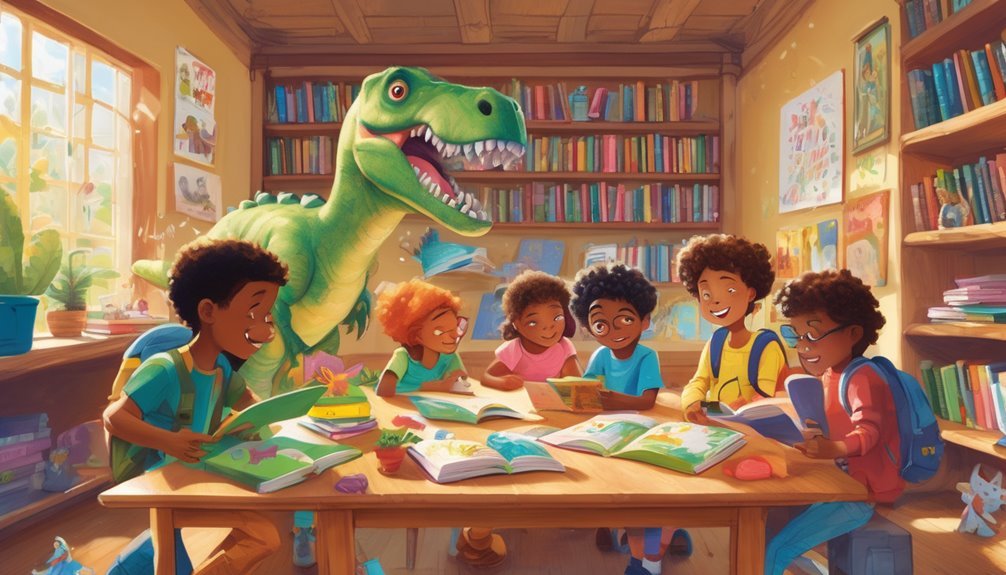
How well do you really know the kids you’re writing for? Understanding your target audience is key to creating stories that resonate. Kids aren’t just mini adults; they think, feel, and learn differently. Dive into their world!
Consider their age appropriateness—what themes and topics captivate their imaginations?
Explore different reading levels, too. A picture book for toddlers differs vastly from a chapter book for middle graders. Pay attention to their interests, fears, and dreams; these elements will spark your creativity.
How to Craft Compelling Stories for Kids
Crafting compelling stories for kids requires a sprinkle of imagination and a dash of understanding.
Start with vibrant character development; kids love relatable heroes. Give them quirks, dreams, and challenges to overcome.
Next, focus on plot structure. Begin with an exciting hook to grab their attention, then build tension through obstacles. Your characters should face dilemmas that lead to a satisfying resolution, teaching valuable lessons along the way.
Use vivid descriptions and playful language to paint pictures in their minds. Don’t forget to incorporate adventure and humor; kids thrive on fun!
Finally, keep your pacing brisk, ensuring every page invites them to turn to the next. With these elements, you’ll create stories that captivate young readers’ hearts and imaginations.

Choose the Right Publishing Method

Choosing the right publishing method can feel like navigating a magical forest filled with twists and turns. You’ve got two main paths: traditional publishing and self-publishing options. Each has its own treasures and challenges.
Here’s a quick guide to help you decide:
| Method | Pros |
|---|---|
| Traditional Publishing | Professional support, wider distribution |
| Self-Publishing | Full creative control, faster turnaround |
If you prefer guidance and support, traditional publishing might be your enchanted path. However, if you want to unleash your creativity and have control over every detail, self-publishing options could be your secret weapon. Whichever path you choose, trust your instincts and let your story shine!
Create Engaging Illustrations and Layouts
Creating engaging illustrations and layouts is like painting a vibrant world for your readers to explore. Start with bright color palettes that catch the eye and spark imagination.
Your character design should be relatable and fun, drawing kids into their adventures. Keep layout balance in mind; ensure text and visuals complement each other, guiding the reader’s journey seamlessly.
Use visual storytelling to convey emotions and themes without overwhelming words. Age appropriateness is key; tailor your illustrations to resonate with your target audience, making sure they’re engaging yet suitable.
Finally, consider adding interactive elements, like flaps or textures, that invite kids to touch and explore, turning reading into a delightful experience. Let your creativity shine!
Marketing and Distribution Tips
While you might’ve written a captivating kids’ book, getting it into the hands of eager readers is just as crucial.
To effectively market your book, embrace creative strategies that resonate with both kids and parents.
- Utilize social media strategies to share colorful illustrations and snippets from your book.
- Attend local events, like fairs or school readings, to connect directly with your audience.
- Partner with schools and libraries for book readings and workshops.
- Create engaging content, like fun activities or contests, related to your book’s theme.
Lessons From Successful Children’s Book Authors
Success in writing children’s books often hinges on the lessons learned from those who’ve already navigated this vibrant landscape.
Dive into the world of character development; your characters should leap off the page, breathing life into your stories. Think about what makes them relatable and memorable.
Next, master your storytelling techniques. Engage young readers with imaginative plots and playful dialogue. Remember, children crave adventure and emotion, so paint vivid pictures with your words.
Read widely to absorb different styles and find your unique voice. Don’t shy away from feedback; it can spark magical improvements.
Ultimately, keep your passion alive, and remember: every great author started where you’re now, dreaming of their characters’ adventures!
Frequently Asked Questions
What Age Group Should I Target for My Children’s Book?
You should target ages 3 to 8, as this range covers crucial developmental stages. Engage their imaginations with vibrant stories and relatable characters, ensuring your book resonates with their curiosity and love for adventure.
How Long Should a Children’s Book Typically Be?
Like a painter choosing colors, you’ll find a children’s book typically ranges from 500 to 1,500 words. Consider your page layout; shorter books invite colorful illustrations, while longer stories allow for deeper adventures.
Are There Specific Themes That Resonate Better With Kids?
Absolutely! Kids love themes like imagination exploration and friendship adventures. These elements spark creativity and connection, encouraging them to dream big and cherish relationships. Craft stories that ignite their minds and warm their hearts!
What Are Common Mistakes to Avoid When Publishing?
You’ll want to avoid overlooking marketing strategies and skipping thorough edits. Ignoring these can lead to missed opportunities and lackluster stories. Remember, a polished book paired with smart promotion captivates young readers and parents alike!
How Do I Handle Copyright Issues With Illustrations?
To handle copyright issues with illustrations, you’ll need to secure illustration rights through licensing agreements. Always clarify usage terms, ensuring you respect the artist’s work while bringing your captivating story to life.
Conclusion
In the world of kids’ books, remember: “You can’t judge a book by its cover.” Dive into your imagination and let your stories shine, whether you choose traditional or self-publishing. Embrace your creativity, connect with your young readers, and don’t forget the magic of illustrations! With each page, you’re not just telling a story; you’re sparking joy and wonder. So go ahead, unleash your ideas, and watch them come to life!