
Did you know that the right book can spark a child’s imagination and boost their confidence? Ranking kids’ books isn’t just about picking favorites; it’s about understanding what truly resonates with young readers. You’ll need to consider character development, themes, and illustrations. But how do you make sure your choices align with kids’ interests and needs? Let’s explore the essential criteria that can help you create a thoughtful ranking system.
The Importance of Ranking Kids’ Books
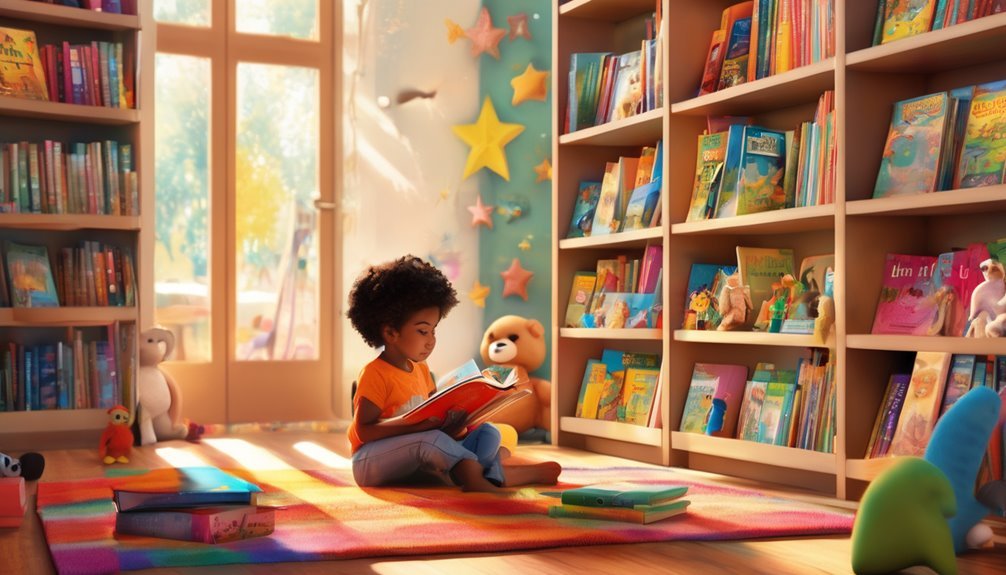
When you think about the endless array of children’s books available, ranking them might seem like a daunting task. However, it’s crucial for fostering reading engagement and supporting literacy development.
By identifying top choices, you help kids find books that spark their interest and imagination. A well-ranked book not only entertains but also introduces new vocabulary and ideas, making reading a fun adventure.
Identifying top children’s books ignites imagination and enriches vocabulary, transforming reading into an exciting adventure.
When children connect with a story, they’re more likely to read regularly, enhancing their skills. Plus, understanding what makes a book stand out—like relatable characters or captivating plots—guides parents and educators in making informed selections.
Ultimately, ranking kids’ books ensures that every child can discover the joy of reading and develop a lifelong love for literature.
Essential Criteria for Evaluating Kids’ Books
Finding the right books for kids goes beyond just picking popular titles; it involves looking at specific criteria that make a book truly great.
First, consider character development. Kids connect with relatable characters who grow and face challenges. A well-developed character can inspire empathy and understanding.
Next, examine the narrative structure. A strong, clear plot keeps young readers engaged, guiding them through exciting twists and turns. Look for stories with a beginning that hooks interest, a middle that builds tension, and a satisfying conclusion that wraps things up.
Finally, don’t underestimate the power of language. Engaging, age-appropriate vocabulary can spark curiosity and love for reading.
What Age Appropriateness Means for Reading Levels?
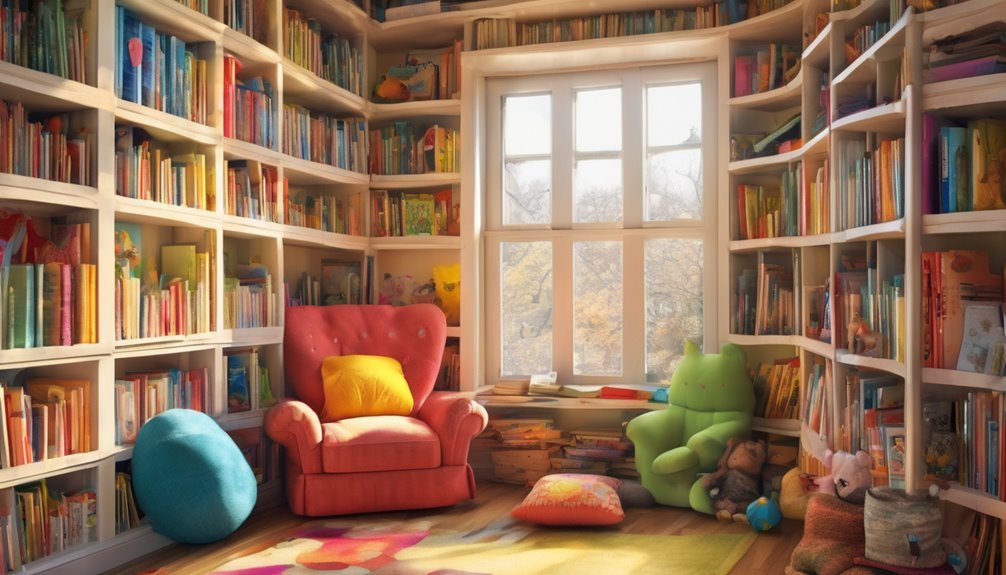
How does age appropriateness influence reading levels? When you choose books for kids, age appropriateness plays a crucial role in ensuring they meet developmental milestones. Books that match their age can enhance reading comprehension, making reading enjoyable and beneficial.
Here’s a quick look at how age groups align with reading levels:
| Age Group | Typical Reading Level | Key Focus |
|---|---|---|
| 3-5 | Pre-Readers | Picture recognition |
| 6-8 | Early Readers | Simple sentences |
| 9-12 | Intermediate Readers | Chapter books |
| 13-15 | Advanced Readers | Complex themes |
| 16+ | Young Adults | Critical thinking |
How to Choose the Right Genre for Kids’ Books
Which genre sparks your child’s imagination? Choosing the right genre can make a big difference in their reading experience.

Start with genre exploration to discover what your child enjoys most. Is it fantasy, mystery, or adventure? Pay attention to their reader preferences. If they love animals, delve into animal tales; if they’re curious about space, look for sci-fi.
Offer a mix of genres to broaden their horizons and keep reading exciting. Encourage them to pick books based on themes that resonate, like friendship or bravery.
Evaluating Illustrations: Importance of Visual Appeal in Kids’ Books
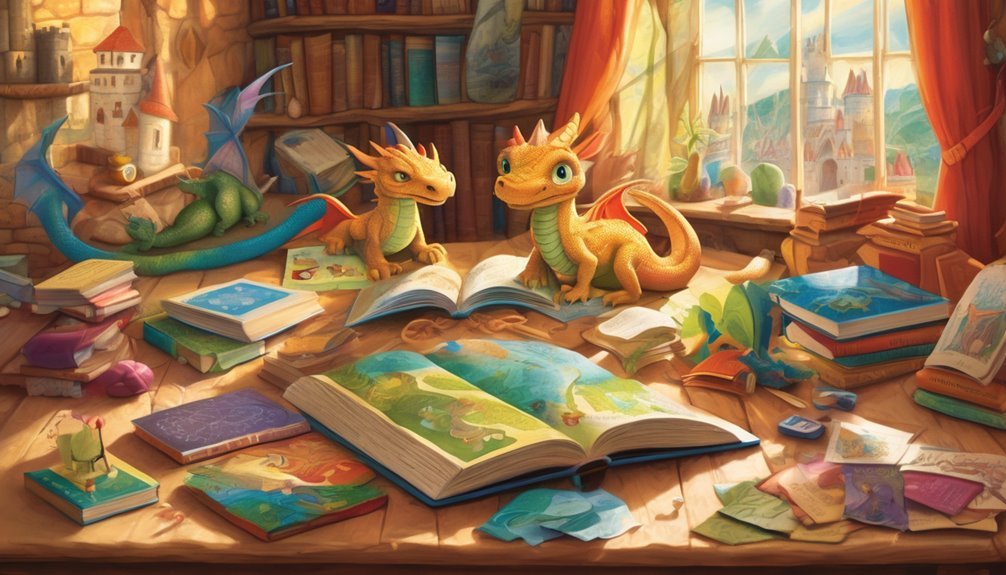
While a captivating story often draws kids in, the illustrations can truly bring a book to life. The right visuals enhance the narrative, using visual storytelling techniques that spark imagination. Different illustration styles can cater to various age groups and interests, making the book more appealing.
| Illustration Style | Characteristics | Ideal Age Group |
|---|---|---|
| Realistic | Detailed, lifelike images | 8-12 years |
| Cartoonish | Fun, exaggerated features | 3-7 years |
| Abstract | Unique, imaginative designs | 5-10 years |
Key Themes and Messages in Kids’ Literature
When you dive into kids’ literature, you’ll quickly discover that key themes and messages play a crucial role in shaping young minds. Books often explore concepts like friendship, courage, and empathy, helping kids understand themselves and the world around them.
Strong character development allows readers to connect with protagonists, making their journeys relatable and impactful. A well-crafted narrative structure guides children through these themes, ensuring they grasp the lessons woven into the story.
Whether it’s a tale about overcoming fears or the importance of teamwork, the messages resonate deeply, influencing young readers’ values and decisions. By recognizing these themes, you can better appreciate how stories can inspire and educate children as they grow.
Getting Kids Involved in Choosing Their Books
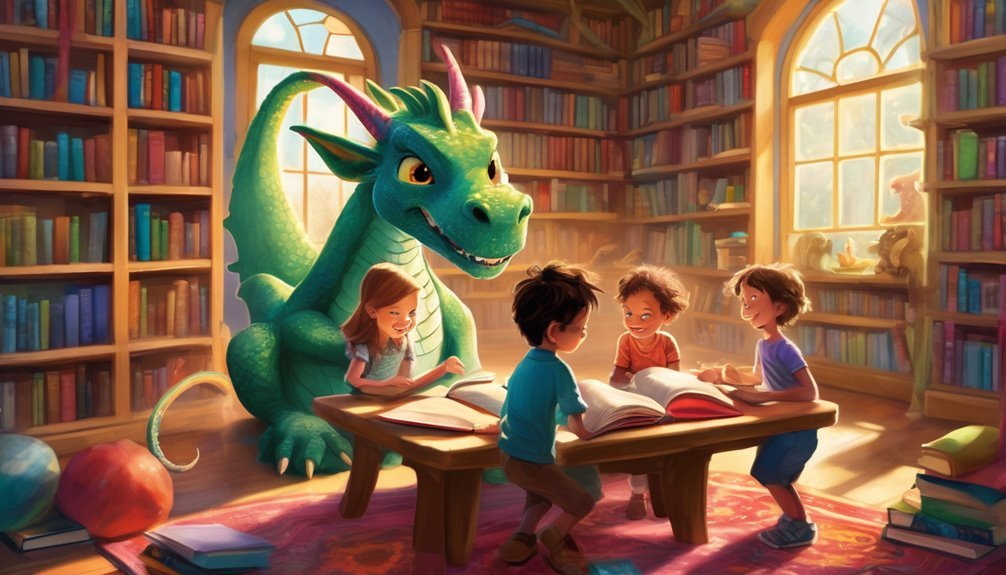
How can you make book selection an exciting adventure for your kids? Start by involving them in the process!
Use book selection strategies like setting up a cozy reading nook filled with a variety of genres. Let them explore and pick out books that spark their interest.
Ask open-ended questions about their preferences—what characters they like or what topics excite them. This encourages them to express their kid preferences and feel empowered in their choices.
You can also visit the library together and allow them to browse the shelves, making it a fun outing.
Finding Trusted Reviews and Recommendations for Kids’ Books
Where can you find trustworthy reviews and recommendations for kids’ books? Start by exploring trusted sources like established review platforms and online communities dedicated to children’s literature.
Look for expert opinions from educators and librarians who offer valuable insights. Parent testimonials can also guide you, as they share real-life experiences with specific titles.
Pay attention to age recommendations and genre explorations to match your child’s interests. Check out award winners, as these often highlight exceptional reads.
Joining reading challenges can introduce you to new favorites, while librarians can provide personalized suggestions based on your child’s reading level.
Popular Kids’ Book Lists: A Comparison
As you dive into the world of children’s literature, you’ll find many popular kids’ book lists that can guide your choices. These lists often highlight classic favorites, like “Where the Wild Things Are” and “Charlotte’s Web,” which have stood the test of time. They spark imagination and teach valuable lessons.
However, don’t overlook lists that feature emerging authors. New voices bring fresh perspectives and diverse stories, making them essential for today’s young readers. Comparing these lists can help you discover a balance of beloved classics and exciting new titles.
Tips for Creating Your Own Kids’ Book Ranking System
Involve kids in the process! Let them vote on their favorites, adding a personal touch.
Additionally, keep your system flexible; as new books come out, be ready to update your rankings.
Finally, share your system with friends or a local library. This way, you can inspire others and create a community around your love for kids’ literature!
Frequently Asked Questions
How Do I Handle Differing Opinions on Book Rankings?
To handle differing opinions on book rankings, consider audience feedback, discuss book preferences, and clarify your ranking criteria. Emphasize genre comparisons, age appropriateness, and thematic elements to create a more inclusive conversation.
Can I Rank Books Based on Personal Experiences?
Absolutely! Personal reflections on childhood favorites add depth to your rankings. Studies show that emotional connections greatly impact reading preferences, so trust your experiences—they’ll help others discover books that resonate just as deeply for them.
What Are Common Mistakes When Ranking Kids’ Books?
When ranking kids’ books, avoid neglecting target audience, age appropriateness, and genre diversity. Don’t overlook reading levels, author reputation, illustration quality, educational value, or cultural relevance. Each factor shapes a book’s impact and appeal.
How Often Should I Update My Book Rankings?
You should update your book rankings every few months. Regularly revisiting your ranking frequency helps you incorporate new releases and feedback. Try different update strategies to keep your lists fresh and engaging for young readers.
Are There Specific Platforms for Sharing My Rankings?
Yes, platforms like Goodreads and social media offer great features for sharing your rankings. They boost audience engagement with reviews and discussions, helping you connect with fellow readers while promoting your favorite kids’ books.
Conclusion
In the world of kids’ books, ranking helps you discover treasures like finding hidden gems in a sandbox. By considering character depth, age suitability, and vibrant illustrations, you’ll guide young readers to stories that spark their imaginations. Involving kids in the selection process makes reading more exciting, and trusting reviews ensures you’re picking quality reads. So dive in, explore various genres, and watch as their love for reading blossoms like a garden in spring!