
Young children often learn numbers best when they can see, touch, and use them in familiar moments. A teacher or parent can turn counting into a game, a song, or a daily task like setting the table or sorting fruit. Small steps, repeated gently, help numbers feel less like lessons and more like part of life. The next question is which simple activities make that learning stick.
Key Takeaways
- Connect numbers to real objects children know, so quantities feel concrete and meaningful.
- Use play, songs, and simple games to make counting enjoyable and pressure-free.
- Practice counting during daily routines like shopping, steps, and meal preparation.
- Reinforce number recognition with puzzles, crafts, tracing, and repeated exposure.
- Offer calm guidance and praise to build confidence while children learn numbers.
How Young Children Understand Numbers
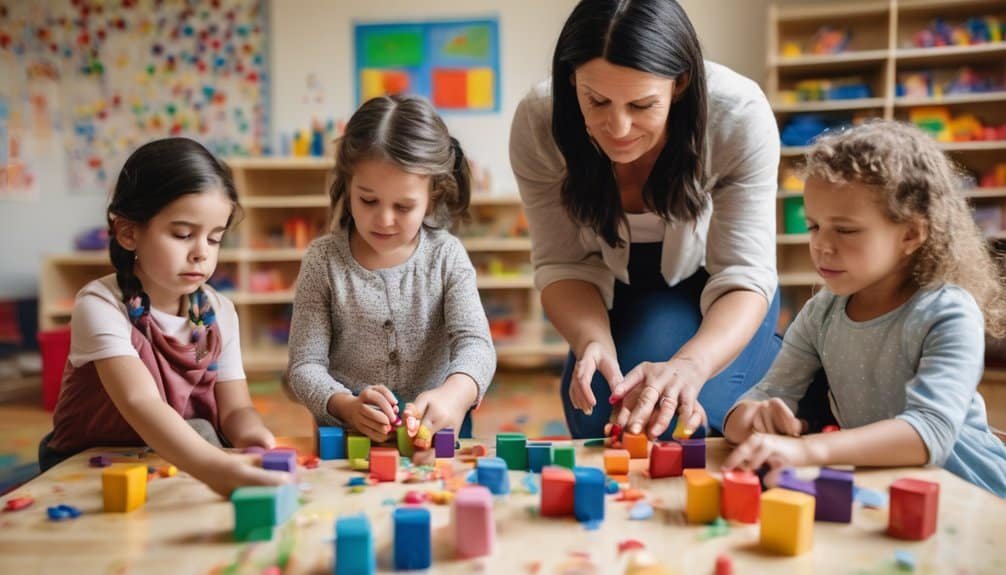
Young children begin to understand numbers best when they can connect them to real objects and everyday experiences. At first, number concepts grow slowly through seeing one cup, two shoes, or three blocks.
Early numeracy develops when a child notices that numbers stand for exact amounts, not just words to repeat. Number recognition often appears before full counting skills, as children may point to a written 4 or 7 and know it has a name.
Repetition with familiar items helps these ideas settle gently. A child learns more easily when adults speak calmly, pause often, and give time to notice patterns.
With steady support, numbers become less abstract and more familiar, forming a quiet foundation for later learning.
Teach Numbers to Young Children Through Play
Play gives children a natural way to practice numbers without pressure. Through simple number games, they begin to notice quantity, sequence, and comparison while staying relaxed and curious. A child may match cards, move pieces, or roll dice, and each small turn becomes a chance to notice one, two, three, and beyond.
Counting songs add rhythm and repetition, helping numbers feel friendly and memorable. A gentle adult can join in, offering smiles, patience, and brief encouragement without turning play into a lesson.
When numbers appear inside laughter and movement, children often stay engaged longer and feel safer trying again. In this way, play supports early number learning while preserving joy, closeness, and confidence.
Use Daily Routines to Count Together
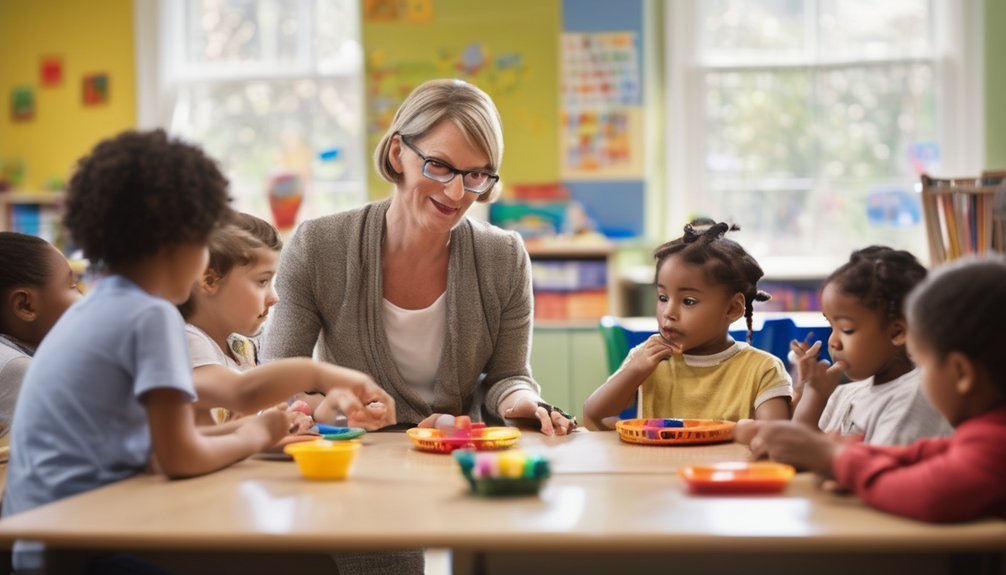
Everyday moments can become easy counting lessons when children are invited to count together during familiar routines.
During grocery shopping, an adult may ask a child to count apples, boxes, or spoons with gentle attention. Counting steps on the way to the door, the car, or a favorite room helps numbers feel real and useful.
In meal preparation, a child can notice how many carrots are placed on a plate or how many cups are set out. Simple number songs also support rhythm and memory, making counting feel warm and familiar.
When these moments repeat, children begin to hear numbers, see amounts, and trust their growing skills. Small daily patterns quietly build confidence and a loving connection to learning.
Try Simple Number Activities at Home
Simple number activities at home can make learning feel natural and enjoyable. A caregiver may invite a child into counting games during playtime, such as gathering toys, steps, or snacks.
Gentle number songs can add rhythm and help ideas stay in memory. Small moments like these keep practice light and warm.
Simple puzzles with numbers can also support early thinking, giving a child a chance to notice patterns and match pieces with care.
Number crafts offer another inviting path, letting children touch, move, and create while exploring quantity.
When these activities feel playful and close, children often stay curious and relaxed. Repeated often, they build comfort with numbers without pressure, turning ordinary time at home into meaningful learning.
Help Kids Recognize and Write Numbers
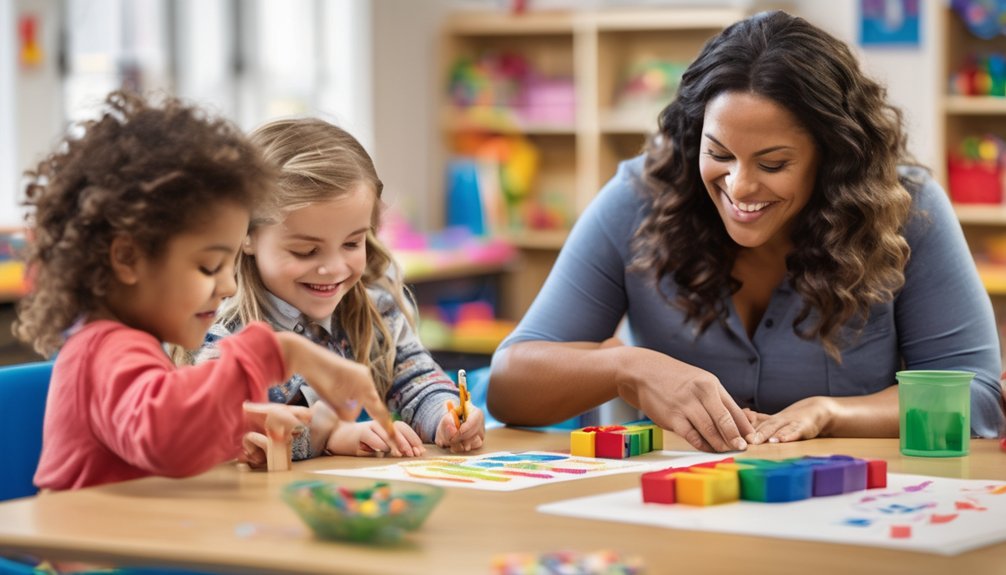
Recognizing and writing numbers becomes easier when children see them often and trace them in calm, guided ways. To build number recognition, adults can point out numbers on clocks, books, signs, and calendars during ordinary moments. Short, repeated practice helps numbers feel familiar rather than difficult.
Children may first trace large digits with a finger, then copy them with crayons or pencils. Simple writing techniques, such as starting at the top and following clear strokes, give steady support. It also helps to say the number aloud while writing it, so the shape and name connect.
Gentle praise keeps the process safe and encouraging. With patient repetition, children grow more confident, and numbers begin to feel like friendly symbols they can read and write.
Frequently Asked Questions
When Should I Start Teaching My Child Number Facts?
Number facts can begin once a child shows interest in number recognition and counting games, often around age four or five. A gentle, patient approach keeps learning engaging, especially when intimacy and trust make practice feel safe.
How Do I Know if My Child Is Ready for Addition?
A child is ready for addition when number readiness appears: counting objects, noticing “more” and “less,” and understanding simple addition concepts. Gentle play, not pressure, usually shows whether combining groups feels natural.
What Are Common Signs of Number Learning Difficulties?
Common signs include weak number recognition, difficulty with counting games, trouble matching quantities, and frequent confusion about order. A child may also avoid number tasks, forget digits quickly, or need repeated guidance.
Should I Use Flashcards or Apps to Teach Numbers?
Flashcards or apps? Both can help; flashcard effectiveness often supports quick recall, while app engagement may sustain interest. A balanced choice, guided by the child’s pace, usually feels most gentle, patient, and intimate.
How Can I Make Number Learning Fun During Outings?
A number scavenger hunt can make outings fun: find signs, steps, or cars, then count them together. Simple counting games during walks, shopping, or waiting help numbers feel playful, warm, and memorable.
Conclusion
In closing, young children learn numbers best when counting feels like play, not pressure. Through songs, games, shopping trips, and simple home activities, numbers become part of everyday life. With tracing, copying, and gentle praise, children can build recognition and confidence step by step. This relaxed approach helps learning stick, making numbers seem less like a puzzle and more like second nature, lighting up curiosity and opening the door to early success.