It’s a coincidence that you stumbled upon this topic, as word puzzles can play a crucial role in improving letter sounds. You might not realize how engaging in these activities sharpens your phonemic awareness and boosts your decoding skills. As you explore different types of puzzles, you’ll uncover the subtle connections between sounds and letters that can enhance your overall language abilities. So, what exactly makes these puzzles so effective?
Key Takeaways
- Word puzzles break down words into individual sounds, enhancing phonemic awareness and letter-sound recognition.
- Engaging with puzzles encourages close listening to letter combinations, improving sound association skills.
- Solving word searches introduces new words and sounds, reinforcing letter-sound connections through gameplay.
- Increased focus and concentration during puzzles develop stronger letter-sound associations over time.
- The playful nature of word puzzles makes learning letter sounds enjoyable, fostering a positive learning experience.
The Connection Between Word Puzzles and Phonemic Awareness
While you mightn’t realize it, word puzzles can significantly enhance your phonemic awareness. When you engage with these puzzles, you’re actively breaking down words into their individual sounds. This playful exploration encourages you to listen closely to how letters come together, strengthening your ability to discern similar sounds.
As you piece together words, you’ll naturally start to recognize patterns in phonetics, which makes the learning process feel more intimate and personal. Each time you solve a puzzle, you’re not just having fun; you’re nurturing your connection to language.
This journey through sounds fosters a deeper understanding of how words work, helping you communicate more effectively. So, embrace these challenges, and watch your phonemic skills flourish!
Enhancing Vocabulary Through Word Games
As you engage in word games, you’ll find that your vocabulary expands in exciting ways. Each challenge pushes you to think about words differently, sparking curiosity about their meanings.
You’ll discover new terms, and as you play, you’ll likely feel a sense of accomplishment when you master tricky words. This playful approach makes learning feel effortless, and you’ll start to weave these new words into your everyday conversations.
Plus, with each game, you’re not just memorizing; you’re connecting words with their context, making them easier to remember. So, dive into these games and watch your language skills bloom!
You might even surprise yourself with how expressive and confident you become in your communication.
The Role of Crosswords in Decoding Skills
Crosswords can significantly enhance your decoding skills, especially when you tackle clues that require you to think critically about word structure and meanings. By engaging with crosswords, you sharpen your ability to break down words, leading to improved reading proficiency.

Here’s how they help:
- Word Structure Awareness: You’ll learn prefixes, suffixes, and root words, making it easier to infer meanings.
- Contextual Clues: Understanding how words fit into sentences boosts your comprehension and decoding abilities.
- Problem-Solving Skills: As you work through tricky clues, you develop persistence and analytical thinking, essential for decoding unfamiliar terms.
Word Searches: A Fun Approach to Sound Recognition
How can word searches make learning letter sounds enjoyable? They turn the process into a playful game, where you hunt for letters and discover words. This engaging activity helps reinforce the sounds associated with each letter. As you search, you connect sounds to letters, making learning stick.
Here’s a quick overview of some word search benefits:
| Benefit | Description | Example |
|---|---|---|
| Sound Recognition | Improves letter-sound association | Finding “cat” helps with /k/, /a/, /t/ |
| Vocabulary Expansion | Introduces new words and sounds | Encountering “dog” expands your lexicon |
| Focus and Concentration | Engages your mind in a fun way | Solving puzzles keeps you sharp |
| Confidence Boost | Builds pride in completing challenges | Finishing a search feels rewarding |
| Fun Learning | Makes education enjoyable | You’ll look forward to practicing! |
Engaging Different Age Groups With Word Puzzles
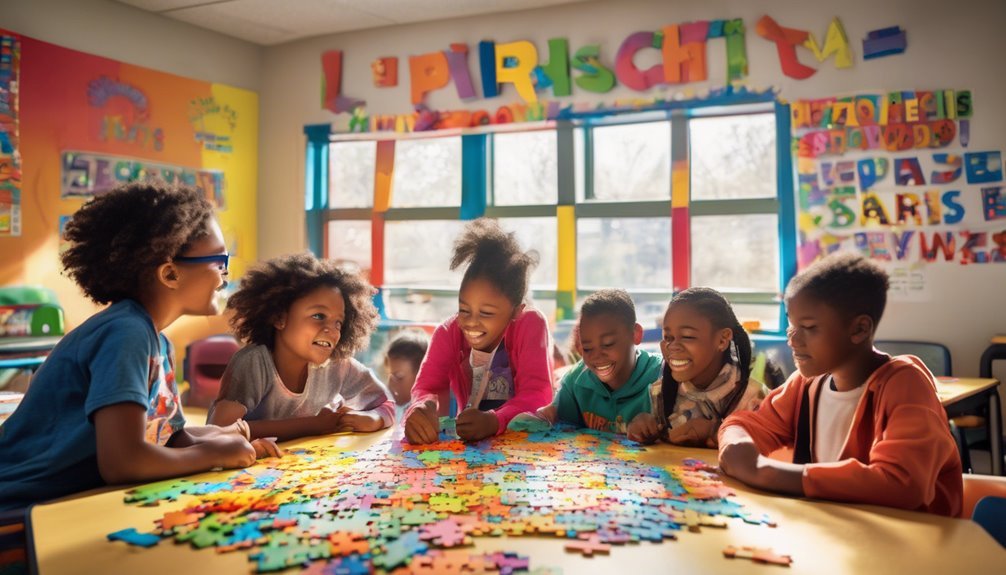
Word puzzles can captivate learners of all ages, making them an excellent tool for education. Whether you’re a parent, teacher, or friend, you’ll find joy in bringing word puzzles to life for everyone. They’re versatile and can be tailored to fit each age group’s needs.
Consider these engaging options:
- For young children: Use simple images and words to boost early literacy.
- For teens: Challenge them with complex anagrams or crossword puzzles that spark their interests.
- For adults: Introduce themed word searches or logic puzzles to keep their minds sharp.
Strategies for Using Word Puzzles in Education
While integrating word puzzles into educational settings, you can enhance students’ learning experiences by using various strategies tailored to their unique needs.
Start by introducing puzzles that connect with their interests—this makes learning more relatable and fun. Incorporate teamwork by allowing students to solve puzzles in pairs or small groups, fostering collaboration and communication skills.
Utilize digital platforms for interactive puzzles that can engage tech-savvy learners. You can also create themed puzzles around subjects like science or history to reinforce concepts.
Lastly, be sure to celebrate their successes, big or small, to motivate them further. By implementing these strategies, you’ll create a dynamic and supportive learning environment that nurtures their love for language.
Measuring Progress in Language Skills Through Puzzles
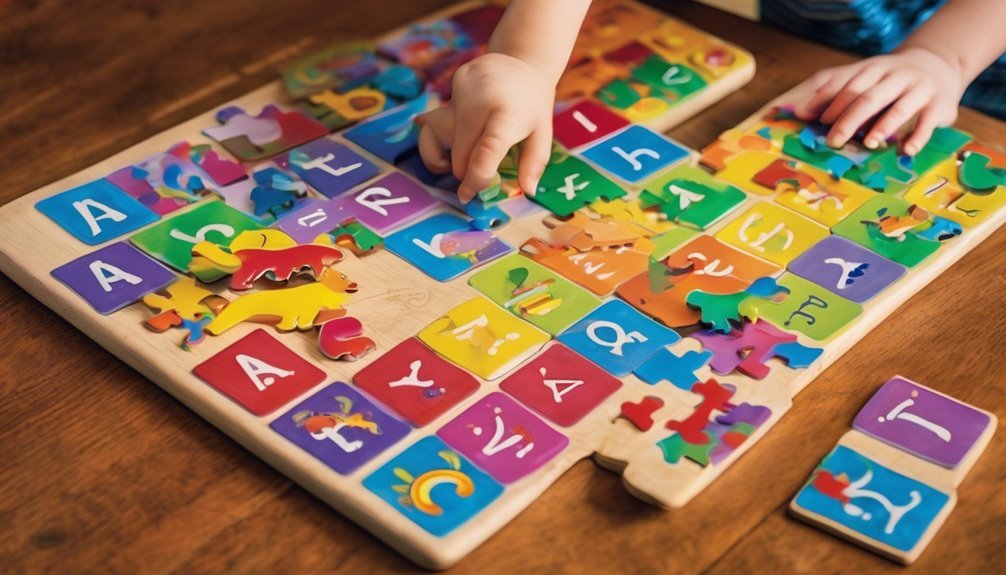
Measuring progress in language skills can be as engaging as solving the puzzles themselves. You’ll find that tracking your development can be both rewarding and motivating.
As you dive into word puzzles, consider these ways to gauge your improvement:
- Track your puzzle completion time: Notice how quickly you solve puzzles. Faster times can indicate enhanced skills.
- Evaluate vocabulary usage: Keep a list of new words you encounter and use them in conversation or writing.
- Monitor sound recognition: Pay attention to how well you identify letter sounds and patterns as you work through different puzzles.
Frequently Asked Questions
Can Word Puzzles Help With Dyslexia and Other Reading Difficulties?
Absolutely, word puzzles can boost your reading skills. They engage your brain, making it fun to recognize patterns and sounds. You’ll find they help improve your confidence and enjoyment in reading over time.
Are There Specific Types of Puzzles for Different Age Groups?
Absolutely, you’ll find that certain puzzles cater beautifully to various age groups. For younger ones, simple crosswords and word searches work wonders, while older kids might enjoy more complex jumbles and cryptic challenges to spark their interests.
How Often Should Children Engage With Word Puzzles for Best Results?
You should encourage children to engage with word puzzles regularly, ideally a few times a week. This consistency helps reinforce their skills, making learning enjoyable while fostering a love for language and words.
What Online Resources Offer Word Puzzles for Phonemic Awareness?
You’ll find fantastic online resources for phonemic awareness puzzles like PBS Kids and Education.com. They offer engaging activities, making learning fun for you and your child while fostering essential skills together. Enjoy exploring these valuable tools!
Do Word Puzzles Improve Spelling Skills as Well?
Absolutely, word puzzles can boost your spelling skills! As you engage with them, you’ll notice patterns and letter combinations that reinforce your understanding, making it easier for you to spell words accurately and confidently.
Conclusion
Incorporating word puzzles into your learning routine can be a game-changer for improving letter sounds and phonemic awareness. Did you know that studies show regular engagement in word games can boost vocabulary by up to 30%? By making these puzzles a fun part of your educational journey, you not only enhance your reading skills but also enjoy the process. So, grab a crossword or a word search, and watch your language abilities flourish!