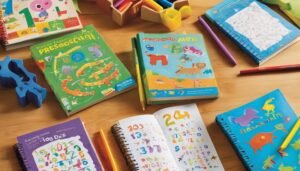
When you consider vocabulary development for kids, word searches often come to mind as a simple pastime. However, they serve a much deeper purpose. As children hunt for words, they engage in cognitive processes that enhance their vocabulary skills significantly. This activity goes beyond mere fun; it lays the groundwork for better word recognition and contextual understanding. Curious about how this interactive approach fosters a love for language and builds confidence? Let's explore further.
Key Takeaways
- Word searches enhance vocabulary by exposing kids to new words and their meanings in an interactive format.
- They help build essential word associations, reinforcing memory and recall through repeated engagement.
- Visual cues in puzzles improve kids' understanding of word structure, aiding in spelling and pronunciation.
- Contextual clues found in word searches foster a deeper comprehension of language and its usage.
- The playful nature of word searches makes learning enjoyable, boosting confidence and encouraging regular practice.
The Cognitive Benefits of Word Searches

Word searches aren't just a fun pastime; they offer significant cognitive benefits that can enhance your vocabulary skills. Engaging in these puzzles supports cognitive development by sharpening your ability to recognize patterns.
As you scan for words, you're training your brain to identify letters and sequences quickly, which can translate to improved reading and comprehension skills. This form of active learning fosters mental agility, making it easier for you to connect new words with existing knowledge.
Additionally, the repetitive nature of word searches helps solidify your understanding of vocabulary through context. By regularly practicing, you not only enhance your vocabulary but also cultivate a sense of belonging among peers who share similar interests in word games.
Enhancing Word Recognition and Recall
Unlocking the power of word recognition and recall is crucial for language development, and engaging in word searches can significantly aid this process. When you tackle a word search, you're not just hunting for words; you're also building essential word associations. Each word you find connects to others, strengthening your understanding and memory.
Visual cues play a vital role as well. The layout of letters and words helps you visualize their structure, making it easier to recall them later. As you practice regularly, you sharpen your ability to recognize words quickly, which boosts your overall vocabulary.

Embrace the challenge of word searches; they're a fun way to enhance your language skills while fostering a sense of belonging in your learning community.
Building Contextual Understanding
While you search for words in a puzzle, you're not just focusing on individual terms; you're also weaving them into a broader context that enhances your understanding of their meanings. This process taps into contextual clues that surround each word, helping you connect them to similar concepts and themes.
As you engage with these puzzles, you're actively participating in vocabulary acquisition, making the learning experience both interactive and enjoyable. By recognizing patterns and relationships among words, you build a richer linguistic foundation that aids in comprehension.
This not only boosts your vocabulary but also helps you feel part of a community that values language, fostering a sense of belonging as you share newfound knowledge with peers.
Encouraging Spelling and Pronunciation Skills

Engaging with word searches not only enriches your vocabulary but also sharpens your spelling and pronunciation skills. As you search for words, you're actively practicing spelling strategies that reinforce how words are formed.
This hands-on approach lets you visualize the letters and sounds, enhancing your ability to recall them later. Moreover, when you say the words aloud, you're getting valuable pronunciation practice. Hearing the sounds reinforces your understanding and helps you develop a natural way of speaking.
Making Learning Fun and Engaging
When you incorporate word searches into your learning routine, you're not just filling in letters; you're transforming the process of acquiring new vocabulary into an enjoyable challenge. These puzzles promote interactive learning through playful exploration, allowing you to engage with words in a fun way.
| Benefits | How It Helps |
|---|---|
| Enhances Focus | Keeps your mind sharp |
| Builds Confidence | Celebrating small wins |
| Encourages Teamwork | Work with friends or family |
Frequently Asked Questions
How Often Should Kids Do Word Searches for Maximum Benefit?
To maximize benefits, you should encourage kids to do word searches several times a week. Varying puzzle difficulty and themes keeps them engaged, enhancing learning while meeting frequency recommendations for effective vocabulary development.
Are There Specific Age Groups That Benefit More From Word Searches?
Like seeds sprouting in rich soil, preschoolers thrive on word searches, developing foundational skills. Meanwhile, elementary students reap advantages, expanding their vocabulary and cognitive abilities. Tailoring activities to age maximizes engagement and nurtures growth in language skills.
Can Word Searches Be Used for Teaching Other Subjects?
Absolutely! Word searches can enhance learning across subjects like science or history. By integrating subject-specific terms, you'll unlock word search benefits, making lessons engaging while reinforcing vocabulary and concepts in a fun, interactive way.
What Materials Are Best for Creating Word Search Puzzles at Home?
To create engaging word search puzzles at home, you'll need puzzle templates and printable resources. These materials spark creativity and allow you to craft unique challenges that foster a sense of achievement and connection with learning.
How Can Parents Track Their Child's Progress With Word Searches?
To track your child's progress with word searches, consider using progress charts. These tracking methods visually show improvements, making it easier for you both to celebrate achievements and identify areas needing extra practice.
Conclusion
In conclusion, word searches aren't just puzzles; they're gateways to a richer vocabulary. By weaving together fun and learning, these activities sharpen your child's word recognition, enhance contextual understanding, and foster essential spelling skills. As they dive into each search, they're not only discovering words but also building confidence in their language abilities. So, let these word-filled adventures become a staple in your child's learning routine, turning vocabulary expansion into a thrilling journey of discovery.