Like a treasure map guiding young explorers, word searches can lead kids to a treasure trove of spelling skills. As they hunt for hidden words, they engage with letters in a way that’s both enjoyable and educational. But there’s more to this simple puzzle than meets the eye. Discover how these engaging activities can unlock a deeper understanding of language and foster a love for words that lasts a lifetime.
Key Takeaways
- Word searches reinforce spelling by allowing kids to recognize and remember various word patterns and structures during the puzzle-solving process.
- Engaging with hidden words in puzzles helps children discover new vocabulary, enhancing their understanding of spelling.
- The visual experience of searching for letters aids in decoding new words, improving overall spelling skills.
- Completing word searches builds confidence in spelling by familiarizing kids with different prefixes, suffixes, and roots.
- The focused concentration required in word searches translates to better spelling abilities in other learning activities.
The Benefits of Word Searches for Learning
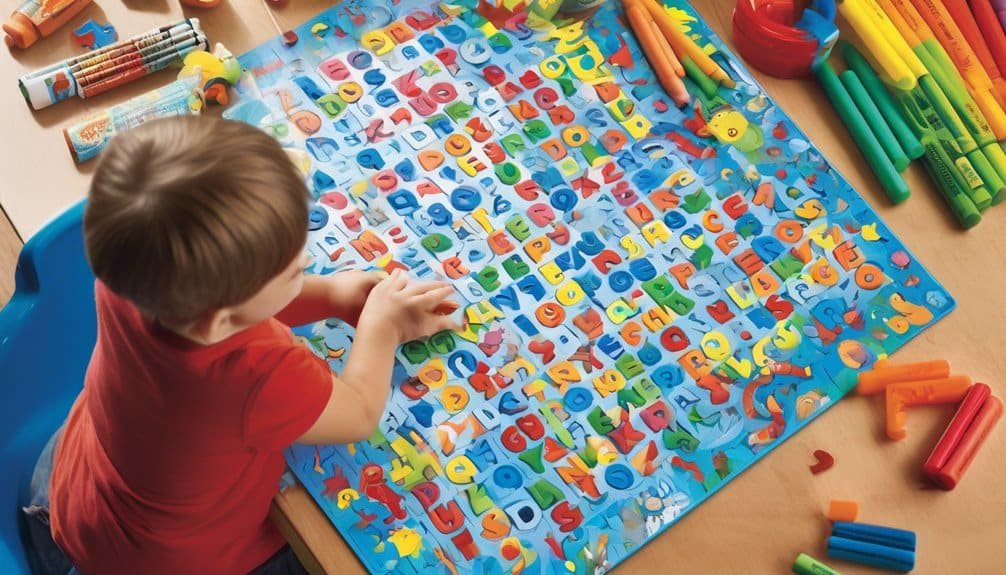
Although many teaching methods exist, word searches stand out as a fun and effective way to enhance learning. They engage kids in a playful way, making the process enjoyable rather than a chore.
When your child dives into a word search, they’re not just searching for letters; they’re actively recognizing patterns and familiarizing themselves with spelling. This hands-on approach helps boost their confidence as they discover words they didn’t know before.
Plus, there’s a sense of accomplishment when they find those hidden gems. You’ll notice that each completed puzzle reinforces their memory, making spelling feel less daunting.
Enhancing Vocabulary Through Word Searches
Word searches not only sharpen spelling skills but also significantly enhance vocabulary. When you engage with these puzzles, you’re not just looking for letters; you’re discovering new words and their meanings. Each hidden term becomes a chance to expand your language skills, making learning feel like a game rather than a chore.
| Word | Meaning |
|---|---|
| Serendipity | A fortunate discovery |
| Ephemeral | Lasting a very short time |
| Ubiquitous | Present everywhere |
| Nostalgia | A sentimental longing |
| Quintessential | Representing the perfect example |
Reinforcing Word Structures and Patterns
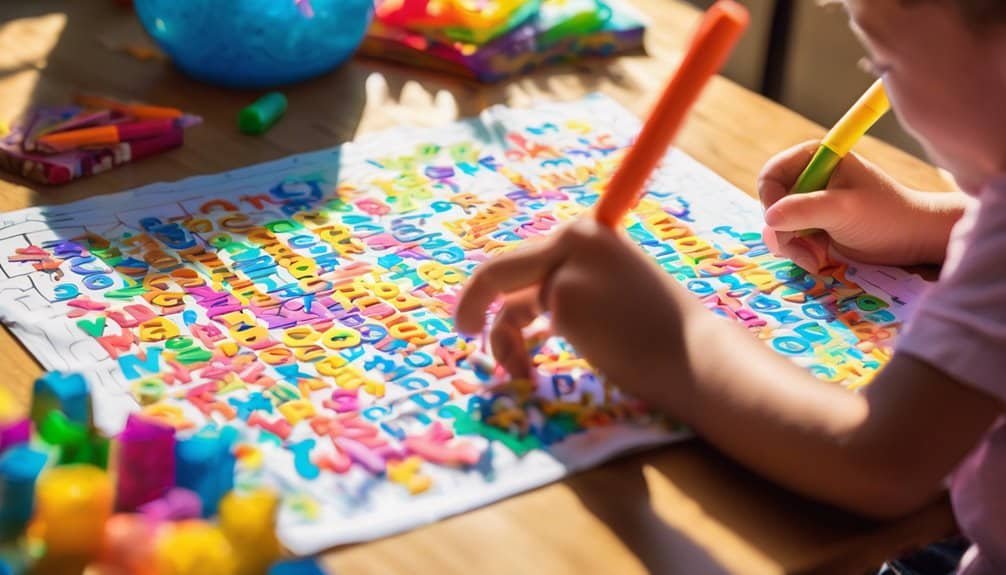
Engaging with word searches not only broadens vocabulary but also reinforces understanding of word structures and patterns.
As you hunt for words, you’ll start to recognize familiar prefixes, suffixes, and roots, making it easier to decode new words. This visual and tactile experience helps solidify your knowledge of how words are formed.
You might notice that certain patterns repeat, and that’s your brain making connections. Each time you find a word, you’re not just celebrating a small victory; you’re also internalizing how different components fit together.
This deeper understanding of word structures builds confidence, making you more adept at spelling in the long run.
Boosting Concentration and Focus
As you dive into a word search, you’ll find that the focused nature of the task sharpens your concentration. Each letter demands your attention, pulling you into a world of words.

You’ll notice how distractions fade away as you hone in on the grid, your mind fully engaged in the challenge ahead. This immersive experience encourages you to block out the noise and truly immerse yourself in the task.
Over time, you’ll develop a stronger ability to concentrate on other activities, too. The skills you gain here translate into better focus during homework or reading.
Embrace this journey, and enjoy the satisfaction that comes with finding each word, knowing you’re nurturing your focus along the way.
Encouraging Independent Learning

When you tackle a word search, you’re not just having fun; you’re also fostering independent learning skills. As you search for words, you take the initiative to recognize patterns and develop problem-solving strategies. This active engagement encourages you to explore new vocabulary on your own.
You’ll find that you start to notice words in different contexts, enhancing your understanding and retention. Plus, when you work through a word search without help, you build confidence in your abilities. You learn to trust your instincts and rely on your knowledge, making each completed puzzle a personal achievement.
Embracing this independence not only boosts your spelling but also nurtures a love for learning that lasts a lifetime.
Making Spelling Fun and Engaging
Spelling doesn’t have to feel like a chore; it can actually be a thrilling adventure. When you turn learning into play, it becomes something you look forward to.
Here are a few ways to make spelling more engaging:
- Create a Spelling Game: Turn word lists into fun challenges with friends or family. Who can spell it fastest?
- Use Art: Draw pictures or create colorful posters featuring your spelling words. Art can make them stick in your mind.
- Incorporate Technology: Play spelling apps or online games that make learning interactive and exciting.
Targeting Specific Spelling Skills

While making spelling fun is important, focusing on specific skills can elevate your child’s understanding and retention. By using word searches, you can target particular spelling patterns, such as silent letters or vowel combinations. This approach allows your child to engage with words that challenge them while still enjoying the process.
For instance, if your child struggles with “-tion” endings, you can create a word search filled with words like “station” and “action.” This not only reinforces the spelling but also helps them recognize the pattern in context.
As they discover each word, you’ll notice their confidence grow, making spelling feel less daunting. Together, you can celebrate these small victories, fostering a love for learning and a deeper connection with language.
Using Word Searches Across Different Age Groups
Regardless of age, word searches can be a valuable tool for enhancing literacy skills. Whether you’re guiding young children or supporting older kids, these puzzles fit seamlessly into various learning stages. They not only make spelling practice fun but also spark curiosity about words.
- For younger kids: Simple word searches with familiar vocabulary boost confidence and recognition.
- For tweens: Incorporate themed searches that connect to subjects they’re passionate about, making learning feel relevant.
- For teens: Challenge them with more complex puzzles that introduce advanced vocabulary, encouraging deeper engagement.
Incorporating Word Searches Into the Classroom

Incorporating word searches into the classroom can transform the way students engage with language. You’ll notice their excitement as they dive into a sea of letters, searching for familiar words. This activity not only boosts their spelling skills but also encourages teamwork when done in pairs or groups.
As you watch them collaborate, you’ll appreciate the bonds they form over shared discoveries. You can easily tie these puzzles to current lessons, reinforcing vocabulary in a fun, interactive way. By offering a break from traditional learning, you create a welcoming space where curiosity thrives.
Tips for Creating Your Own Word Searches
Creating your own word searches can be a fun way to reinforce what students are learning in class. You can easily customize them to fit any topic or vocabulary set, making learning engaging.
Here are some tips to get started:
- Choose a theme: Pick a subject like animals or math terms to focus on.
- Mix up the difficulty: Use a variety of word lengths and orientations, so everyone feels challenged.
- Incorporate visuals: Consider adding pictures or color to make the word search more appealing.
Frequently Asked Questions
Can Word Searches Be Used for Advanced Spelling Practice?
Absolutely, you can use word searches for advanced spelling practice! They challenge your mind, engage your focus, and help reinforce difficult words. Plus, they make learning fun and interactive, keeping your motivation high.
How Do Word Searches Compare to Traditional Spelling Tests?
Word searches can be more fun than a rollercoaster ride! Unlike traditional spelling tests that feel like a chore, word searches engage you in a playful way, making learning enjoyable while reinforcing those spelling skills effortlessly.
Are There Any Online Resources for Printable Word Searches?
Absolutely! You’ll find plenty of online resources offering printable word searches. Websites like Education.com and TeacherPayTeachers have great options. Just search, pick a theme, and print; it’s that easy and fun for you!
What Age Should Kids Start Doing Word Searches?
Ah, the mysterious age for word searches! You might think kids need to be scholars, but really, they can start as early as five. Just watch them giggle and hunt for letters—it’s pure joy!
Can Word Searches Help With Dyslexia or Other Learning Disabilities?
Absolutely, word searches can be beneficial for kids with dyslexia or other learning disabilities. They engage visual skills and enhance word recognition, making reading more enjoyable and accessible. You’ll see improvement in their confidence and skills.
Conclusion
Incorporating word searches into your child’s learning routine can be a game changer. Did you know that studies show kids who engage in word puzzles improve their spelling skills by up to 30%? By making spelling fun, you help them develop a love for words and reading. So, grab a pencil and dive into a word search together! You’ll not only boost their vocabulary and confidence but also create cherished moments that can spark a lifelong interest in learning.