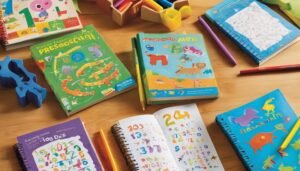
Imagine a room filled with laughter and excitement as kids gather around colorful game boards and interactive tools. These engaging activities not only entertain but also nurture essential skills for young learners. You might wonder how these games spark curiosity and enhance comprehension. Let’s explore the various ways you can introduce these dynamic experiences into your child’s routine, paving the way for a love of stories and words.
Key Takeaways
- Interactive reading games enhance literacy skills while making learning enjoyable for kids.
- Games like “Story Cubes” and “Letter Hunt” promote creativity and language development.
- Engaging reading apps such as “Epic!” and “Starfall” offer personalized reading experiences.
- Board games like Scrabble and Story Cubes create fun bonding moments while improving reading skills.
- Printable games for home learning, like word searches and bingo, encourage reading practice in an exciting way.
Benefits of Interactive Reading Games

When kids engage with interactive reading games, they not only have fun but also enhance their literacy skills.
These games spark curiosity and ignite a love for reading, making stories come alive in a way that traditional methods can’t. You’ll notice them becoming more confident as they tackle new words and concepts, building a solid foundation for future learning.
Plus, the interactive nature keeps their attention, turning learning into an exciting adventure. As they play, they’re developing critical thinking skills and improving their comprehension, all while enjoying quality time with you.
You’ll find that these moments foster deeper connections, as you share in their triumphs and giggles, making reading a cherished experience for both of you.
Top Interactive Reading Games for Preschoolers
Interactive reading games for preschoolers can take the joy of learning to a whole new level. These games turn stories into adventures, making your little ones eager to explore words.
Try “Story Cubes,” where kids roll dice with pictures and create their own tales, sparking creativity and language skills.
“Letter Hunt” turns your home into a treasure map, encouraging kids to find and identify letters around them.
Another favorite is “Sing-Along Books,” which combines music with reading, helping them learn rhythm and rhyme.
Don’t forget “Interactive Story Apps,” where they can touch, swipe, and engage with characters.
These games make reading fun and help build a solid foundation for your child’s lifelong love of books. Enjoy this special learning journey together!
Engaging Reading Apps for Elementary Students

As kids progress to elementary school, finding reading apps that captivate their interest becomes essential for fostering a love of literature.
You’ll want to explore interactive apps like “Epic!” and “Raz-Kids,” which spark curiosity through engaging stories and colorful illustrations. These platforms let your child choose what they read, making it feel personal and exciting.

With features like read-aloud options and quizzes, they’ll boost comprehension while having fun.
“Starfall” is another gem that blends phonics with interactive games, perfect for early readers.
Don’t forget to check out “Book Creator,” where your child can create their own stories!
Interactive Storytelling Websites
How can kids immerse themselves in stories while also being part of the action? Interactive storytelling websites offer a magical blend of reading and participation. These platforms let your child choose paths, make decisions, and even create their own narratives.
Imagine the thrill as they navigate through enchanted forests or solve mysteries alongside beloved characters!
With vibrant graphics and engaging audio, these sites make stories come alive, capturing their imaginations in a way traditional books may not. Plus, many of them encourage creativity, allowing kids to contribute to the story’s direction.
It’s not just reading; it’s an adventure! Embrace this opportunity to bond with your child as you explore together, sharing laughter and excitement along the way.
Board Games That Promote Reading Skills

While traditional reading methods can be effective, board games offer a fun and engaging way to enhance reading skills. Imagine gathering around a table, laughter filling the air as you play games designed to spark curiosity and ignite a love for words.
Games like Scrabble encourage spelling and vocabulary, while Story Cubes inspire creativity and storytelling. You can even try games that focus on comprehension, asking questions that keep young minds engaged.
The best part? You’re bonding over shared moments, making learning feel effortless. As you roll the dice and draw cards, you’re not just having fun—you’re helping kids develop critical reading skills that will serve them well for years to come.
Printable Reading Games for Home Learning
Printable reading games are a fantastic way to make home learning both enjoyable and effective. You can easily find a variety of games that cater to different reading levels and interests. From word searches to bingo, these activities spark excitement and keep your child engaged. You’ll love seeing their faces light up as they tackle fun challenges together.
Gather some colorful printouts and set up a cozy reading corner. You can turn learning into a bonding experience by playing these games as a family. Encourage your little one to read aloud, promoting confidence and fluency.
Plus, you’ll create cherished memories while reinforcing essential skills. Dive into these printable games, and watch your child’s love for reading blossom!
Incorporating Technology in Reading Activities

In today’s digital age, you can easily incorporate technology into reading activities to enhance your child’s learning experience. Consider using eBooks or interactive apps that make stories come alive. These platforms often include fun animations and sound effects that engage your little one’s imagination.
You can also explore online reading games that promote literacy skills through playful challenges. Many websites offer age-appropriate content tailored to your child’s interests, making reading feel less like a chore and more like an adventure.
Encourage your child to create their own digital stories using simple storytelling apps, allowing them to express their creativity.
Tips for Parents to Encourage Interactive Reading
To foster a love for interactive reading, parents can take a few simple yet effective steps. Here are some tips to help you engage your child:
- Make it Fun: Use voices, sounds, and gestures to bring stories to life. Your enthusiasm is contagious!
- Ask Questions: Encourage your child to think critically by asking open-ended questions about the story. What do they think will happen next?
- Incorporate Technology: Use educational apps or interactive e-books to make reading more exciting. Just a little tech can spark a lot of interest!
- Create a Cozy Reading Space: Set up a special spot with comfy pillows and good lighting. A welcoming environment invites exploration.
Creating Your Own Interactive Reading Games
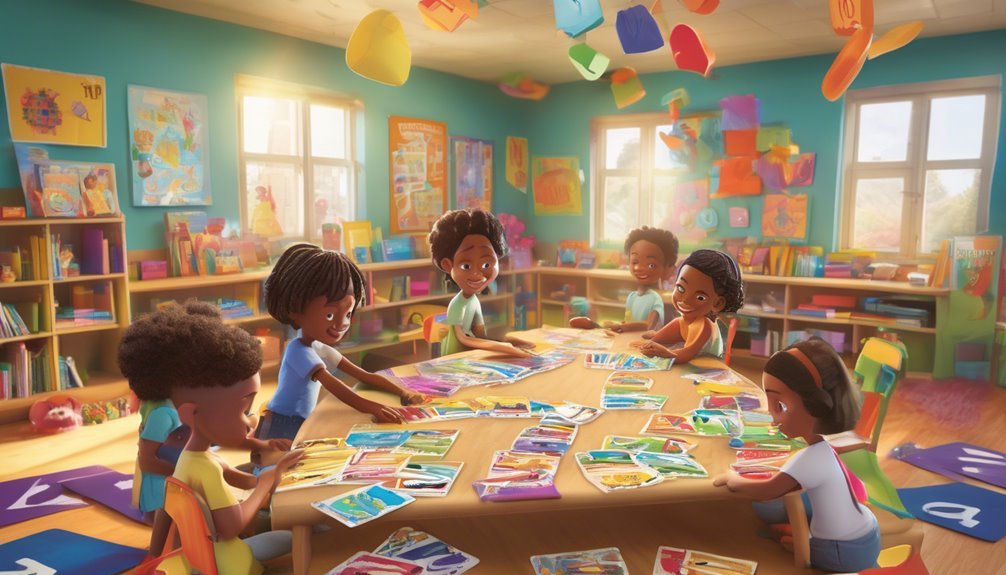
Building on the excitement you create around reading, designing your own interactive reading games can further enhance your child’s experience.
Start by picking a favorite story or theme; it can be anything from fairy tales to adventure. Create a scavenger hunt where your child finds objects related to the story, or turn vocabulary words into a fun matching game. Use simple materials like index cards or colorful paper to make it visually appealing.
You can even include art and storytelling elements, allowing your child to express their creativity. Remember, the goal is to make reading joyful and engaging, so don’t hesitate to adapt the games based on your child’s interests.
Together, you’ll create lasting memories while fostering a love for reading.
Frequently Asked Questions
How Can I Assess My Child’s Reading Progress With Games?
You can assess your child’s reading progress by observing their engagement and comprehension during games. Ask questions about the story, encourage them to summarize, and celebrate their milestones to foster confidence and a love for reading.
Are Interactive Reading Games Suitable for Children With Learning Disabilities?
Imagine a garden where every child blooms uniquely. Interactive reading games nurture those blossoms, including children with learning disabilities. They’re tailored to engage, support, and empower, ensuring every little one thrives in their own beautiful way.
What Age Is Best to Start Interactive Reading Games?
You can start engaging with interactive reading games as early as age three. At this age, children are curious and eager to learn, making it a perfect time to nurture their love for reading through play.
Can Interactive Reading Games Replace Traditional Reading Methods?
Imagine diving into a colorful world of stories. While interactive reading games can enhance engagement and excitement, they shouldn’t fully replace traditional methods. Both approaches together can create a richer, more fulfilling reading experience for you.
How Much Screen Time Is Appropriate for Interactive Reading Games?
You should limit screen time to about one hour daily for young children. Balance it with other activities, like reading physical books or outdoor play, to ensure a well-rounded experience that promotes healthy development.
Conclusion
Interactive reading games are a powerful way to boost your child’s literacy skills while keeping learning fun. Did you know that kids who engage in interactive reading activities show a 20% increase in comprehension skills? By incorporating these games into your routine, you’re not just helping them tackle new words but also nurturing a love for reading that can last a lifetime. So, dive into these activities together and watch your child’s confidence and passion for books grow!