Have you ever wondered how a simple book can spark a child’s love for math? Kindergarten math practice books are designed to make learning fun and interactive. They introduce essential skills like counting and number recognition through engaging activities. But not all books are created equal. So, how do you choose the right one that fits your child’s needs and keeps them motivated? Let’s explore what makes these resources so invaluable.
What Are Kindergarten Math Practice Books?
Kindergarten math practice books are essential tools that make learning fun and interactive for young learners. These books help you introduce important concepts like number recognition and counting in an engaging way. You’ll find colorful illustrations and playful activities that capture kids’ attention, making math feel like a game.
Counting games within these books encourage children to practice their skills while having fun. Whether they’re counting objects or matching numbers, kids gain confidence in their abilities.
Additionally, these practice books often include puzzles and challenges, sparking curiosity and excitement. By using these resources, you’re not just teaching math; you’re creating a joyful learning environment that helps young learners thrive.
Why Are Kindergarten Math Practice Books Important?
While you might wonder why math practice books matter, they play a crucial role in building a strong foundation for your child’s learning journey. These books help reinforce the importance of practice, making math concepts more familiar and easier to grasp.
Engaging activities not only make learning fun but also enhance your child’s confidence in their abilities.
In early learning, consistent practice helps solidify skills like counting, addition, and shapes. When kids interact with these books, they develop critical thinking and problem-solving skills that extend beyond math.
Plus, you can easily incorporate them into daily routines, turning learning into a joyful experience. By using math practice books, you’re setting your child up for success in their educational adventures!
Essential Math Skills for Kindergarteners
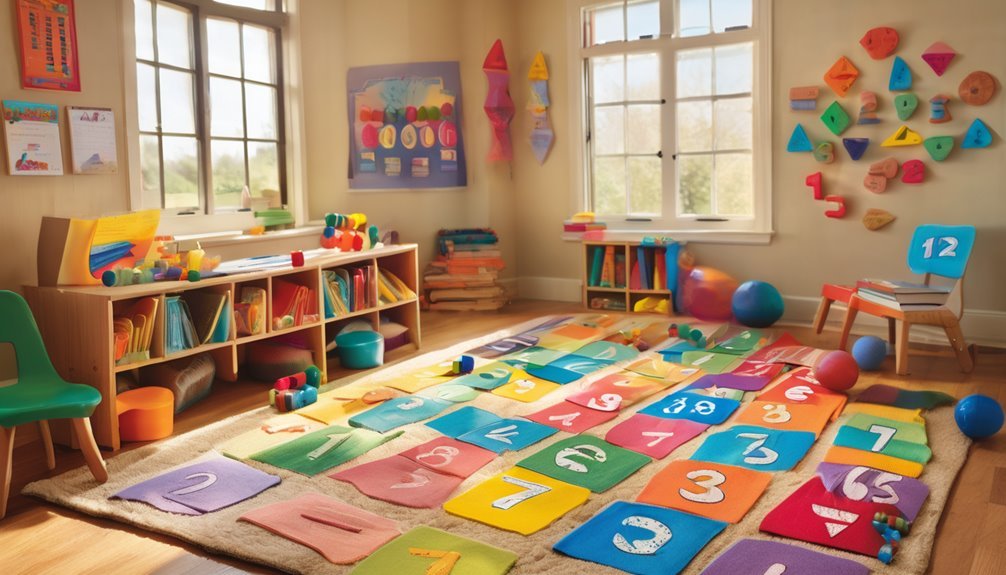
Building on that foundation, there are key math skills every kindergartener should master. First, number recognition is essential; your child should easily identify numbers from 0 to 20. Encourage them to spot numbers in everyday situations, like on street signs or in books.
Next, basic counting is vital. Help your child practice counting objects around the house—like toys or snacks—making it fun and interactive. You might turn it into a game, counting as you play!
Additionally, understanding simple addition and subtraction concepts lays the groundwork for future math skills. By focusing on these areas, you’re setting your child up for success and helping them develop a love for math that will last a lifetime.

Choosing the Right Math Practice Book for Your Child
How do you choose the right math practice book for your child? It’s essential to find a book that makes math fun and engaging. Here are some tips to help you select the perfect one:
- Look for interactive learning activities that encourage hands-on practice.
- Choose books that incorporate visual aids like colorful illustrations and charts.
- Ensure the content aligns with your child’s current skill level to keep them motivated.
- Find books that offer a variety of exercises to cater to different learning styles.
- Check for any additional resources, like online games or worksheets, that can enhance the learning experience.
With these tips, you’ll be well on your way to finding a math practice book that sparks your child’s interest!
Key Features of Effective Kindergarten Math Books
When selecting a kindergarten math book, it’s crucial to look for features that truly engage young learners. Effective books should focus on building number sense through fun, relatable activities.
Look for colorful illustrations and interactive elements that invite children to participate. Books that incorporate games or puzzles can enhance spatial awareness, helping kids understand shapes and their relationships in a playful way.
Additionally, choose books that offer a variety of problems to solve, ensuring kids can practice different skills without feeling overwhelmed. Clear instructions and age-appropriate language are essential, too, as they guide young minds through concepts effortlessly.
Fun Activities to Make Math Engaging
While kids might initially find math daunting, introducing fun activities can spark their interest and make learning enjoyable. Here are some engaging ways to bring math to life:
- Hands-on games like counting hopscotch or number scavenger hunts.
- Math crafts where kids can create their own shapes and patterns using everyday materials.
- Storytime math, incorporating math concepts into their favorite stories.
- Cooking projects that involve measuring ingredients, blending math with delicious fun.
- Outdoor math challenges, like measuring distances or counting nature items.
Daily Incorporation of Math Practice Books

After sparking interest in math through fun activities, you can further enhance your child’s skills by incorporating daily math practice books into their routine. These books can turn everyday moments into engaging math games, making learning seamless and enjoyable.
Here’s how to integrate math into daily routines:
| Time of Day | Math Activity |
|---|---|
| Morning | Count breakfast items together |
| Afternoon | Solve a page from the math book |
| After School | Play a math game based on the book |
| Dinner | Discuss shapes of food |
| Bedtime | Read a fun math story |
How Can Parents Support Math Learning?
Supporting your child’s math learning can be as simple as incorporating fun activities into your daily routine. You don’t need to be a math whiz; just a little parental involvement can make a big difference.
Here are some engaging ways to help:
- Play math games during family game night.
- Count objects together while shopping or cooking.
- Use everyday scenarios to introduce basic math concepts.
- Create a math scavenger hunt around the house or yard.
- Encourage your child to measure ingredients while baking.
These activities not only make learning enjoyable but also reinforce important skills.
Top Kindergarten Math Practice Books
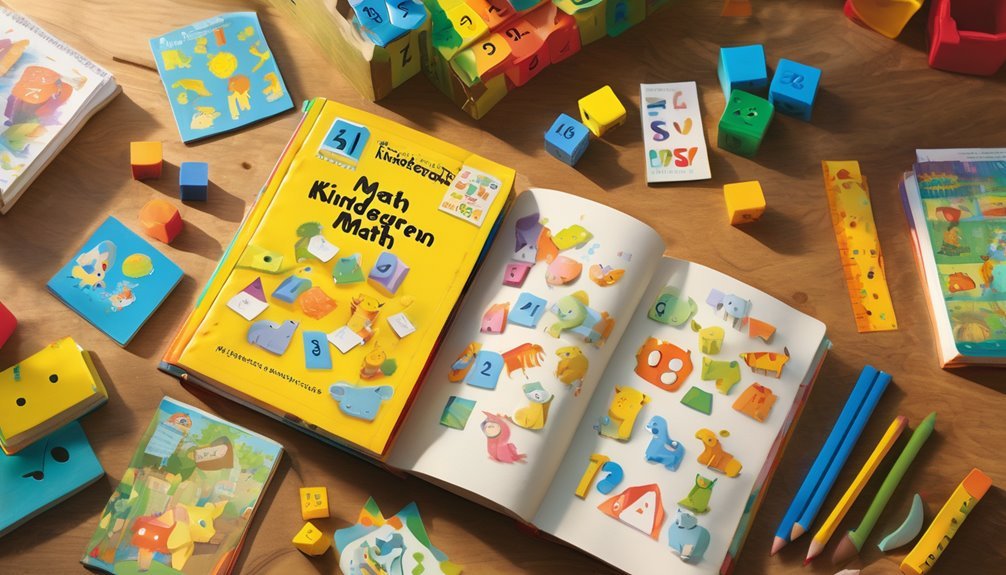
As you explore the world of math with your kindergartner, selecting the right practice books can make all the difference. Look for books that feature engaging math games, as these can turn learning into a fun experience.
Interactive worksheets are another great option, allowing your child to practice skills like counting and simple addition while staying actively involved.
Consider titles like “Math Made Fun” or “Kindergarten Math Adventures,” which offer colorful illustrations and hands-on activities. These books not only reinforce concepts but also build confidence.
Keeping Your Child Motivated in Math
Finding the right practice books is just the beginning of your journey in keeping your child excited about math.
To boost their math motivation, consider these fun strategies:
- Make it a game: Turn math exercises into playful challenges.
- Celebrate small wins: Use positive reinforcement to acknowledge their efforts.
- Incorporate math in daily life: Count snacks, measure ingredients, or tell time together.
- Use visuals: Colorful charts and interactive tools can make concepts stick.
- Create a math routine: Establish a specific time for math practice to build consistency.
Frequently Asked Questions
Are Kindergarten Math Practice Books Suitable for All Learning Styles?
Yes, kindergarten math practice books can suit various learning styles. They often incorporate visual learning and interactive activities, making math engaging for kids. You’ll find they cater well to different preferences and help foster understanding.
How Can I Track My Child’s Progress With Math Practice Books?
You can track your child’s progress by using assessment strategies like regular quizzes and checklists. Progress monitoring helps you identify strengths and areas needing improvement, ensuring your child stays engaged and motivated in their math journey.
What Is the Ideal Time to Start Using Math Practice Books?
You should start using math practice books as soon as your child shows interest in numbers. Early engagement and parental involvement make learning fun, helping them develop confidence and skills that last throughout their education.
Can These Books Be Used for Homeschooling?
Absolutely! Using these books for homeschooling is like planting seeds for growth. They offer engaging activities that enhance learning, making math fun. Plus, they amplify homeschooling benefits by providing structure and flexibility tailored to your child’s needs.
Are There Online Resources to Supplement Math Practice Books?
Yes, you can find plenty of online resources to supplement your math practice. Interactive games and digital worksheets make learning fun and engaging, helping you reinforce concepts while keeping your little one excited about math!
Conclusion
Incorporating kindergarten math practice books into your child’s routine doesn’t have to feel like a chore! These colorful, interactive tools make learning fun and engaging. Even if you’re worried about your child’s interest, the playful activities and games will captivate their attention. Remember, fostering a love for math early on sets the stage for future success. So, dive into these books together, and watch your little one thrive while enjoying every step of their math journey!