
Just like a jigsaw puzzle, learning word families can fit together to create a clearer picture of language. Engaging with puzzles like crosswords or word searches not only makes the process enjoyable but also helps you connect related words more easily. You might wonder how these interactive tools can enhance your vocabulary skills further and support your language journey. The following sections will explore various ways to make word family learning both fun and effective.
Key Takeaways
- Crossword puzzles reinforce word recognition and enhance vocabulary through clues related to word families.
- Word searches offer a fun way to hunt for and identify hidden words within specific families.
- Matching games challenge learners to connect words with their definitions or pictures, reinforcing understanding of word families.
- Jumble puzzles encourage creativity as participants rearrange letters to form words from different families.
- Engaging in these interactive puzzles fosters a deeper connection with vocabulary and boosts confidence in usage.
The Importance of Word Families in Language Learning
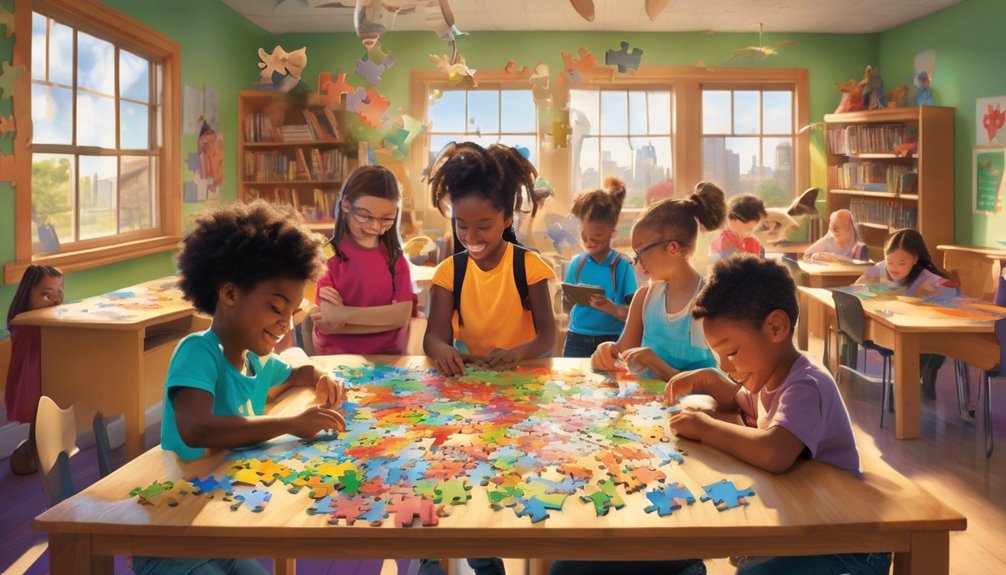
Understanding word families is essential for effective language learning. When you grasp these connections, you unlock a deeper understanding of vocabulary. Each family reveals how words relate, making it easier to remember and use them in context.
You’ll notice that by focusing on root words and their variations, you can expand your language skills without feeling overwhelmed. It’s like finding a cozy little nook in a big library; everything feels more approachable.
Plus, you’ll gain confidence as you recognize patterns and apply them in your conversations and writing. Embracing word families not only enriches your vocabulary but also deepens your connection to the language, making learning feel more intimate and rewarding.
Types of Puzzles for Engaging Word Family Practice
Exploring word families can be even more enjoyable when you incorporate puzzles into your practice. Consider using crossword puzzles, where you fill in words based on clues related to specific families.
Word searches can also be fun; you’ll hunt for words hidden among letters, reinforcing your recognition. If you enjoy a challenge, try creating matching games that pair words with their definitions or pictures.
Jumble puzzles, where you rearrange letters to form words, can spark your creativity too. Each type of puzzle not only makes learning interactive but also deepens your understanding of how words connect.
Creating Your Own Word Family Puzzles
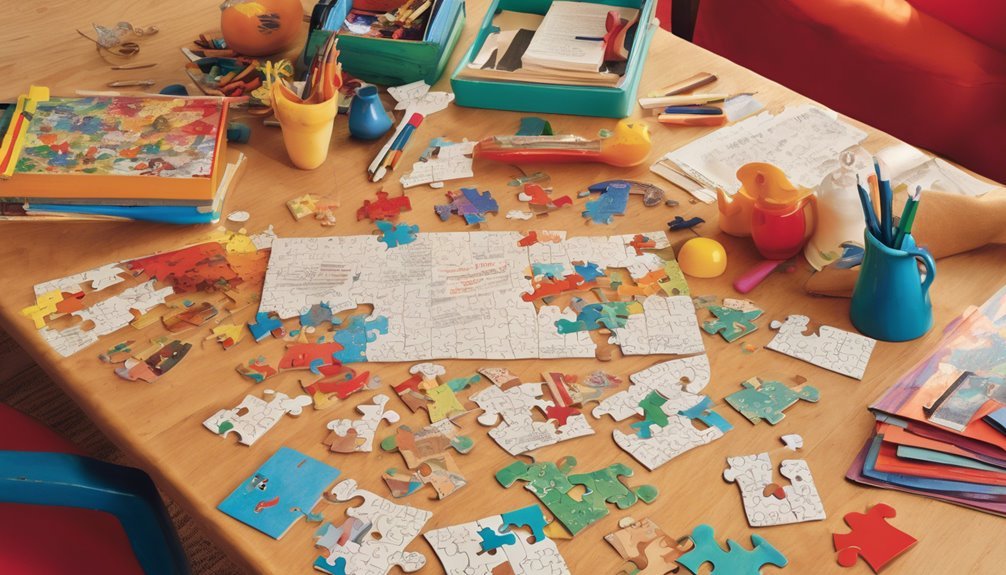
Get creative and design your own word family puzzles! It’s a fun way to make learning personal and engaging. Here’s how to get started:
- Choose a word family: Pick a main word, like “cat.” Think of related words, such as “bat,” “hat,” and “mat.”
- Create your puzzle: Use crosswords, word searches, or matching games. Draw grids or lists to place your words in.
- Add clues or definitions: For each word, write a simple clue. It’ll help others connect the dots and understand the meanings.
Share your puzzles with friends or family, and watch them discover the joy of word families. You’ll not only enhance your own learning but also inspire others to join in!
Using Technology to Enhance Word Family Learning
As you dive into the world of word families, technology can be a powerful ally in enhancing your learning experience. You can explore interactive apps that make discovering new words engaging and fun.
These tools often use games and quizzes, allowing you to practice word families in a dynamic way. Online platforms offer personalized exercises, adapting to your pace and skill level, ensuring you grasp concepts thoroughly.
You might also find online communities where you can share your progress and connect with others who are on the same journey. Additionally, educational videos can visually illustrate word families, making them easier to remember.
Embrace these technological resources, and watch your word family skills grow as you learn.
Fun Games and Activities to Reinforce Word Families
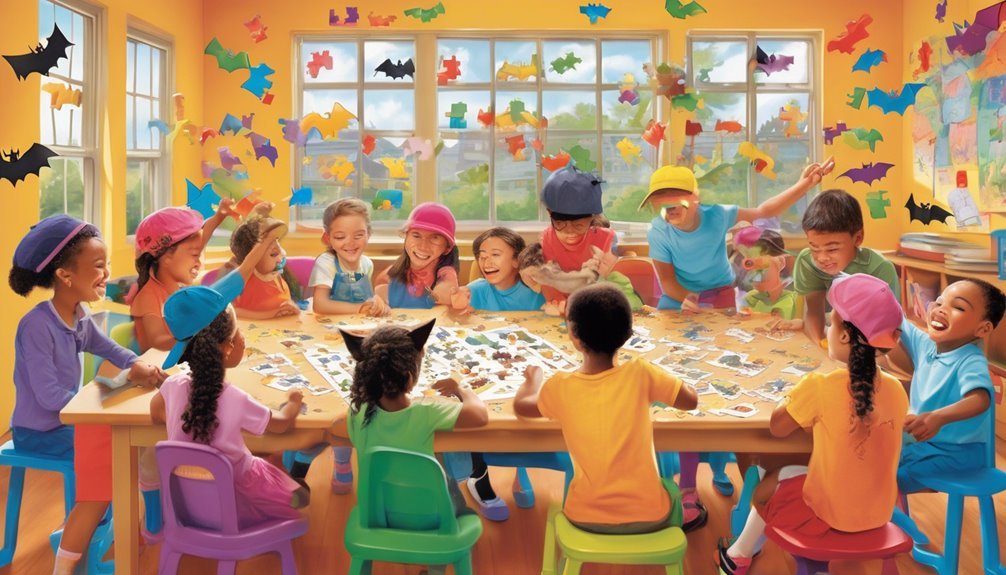
After utilizing technology to enhance your understanding of word families, it’s time to incorporate some fun games and activities that make learning even more enjoyable.
Here are a few ideas to get you started:
- Word Family Bingo: Create bingo cards filled with words from specific families. As you call out words, mark them off and shout “Bingo!” when you complete a row!
- Rhyming Match: Write down words from different families on cards and have fun matching them based on their rhymes.
- Puzzle Play: Design a puzzle where you fit words into their correct family slots.
These activities not only reinforce learning but also make it a delightful experience. Enjoy the process and watch your word family knowledge grow!
Tips for Parents and Educators to Support Word Family Learning
While you’re helping your child or students learn about word families, providing a supportive environment can make a significant difference.
Start by incorporating word families into daily conversations. When you read together, point out words that belong to the same family, like “cat,” “bat,” and “hat.”
Use playful activities—like rhyming games or word puzzles—to make learning fun. Celebrate their progress, no matter how small; positive reinforcement boosts confidence.
Create a cozy reading nook filled with family-themed books, encouraging exploration and curiosity.
Lastly, be patient. Learning takes time, and your encouragement will help them feel safe to make mistakes and grow.
Frequently Asked Questions
How Can I Assess a Child’s Understanding of Word Families?
To assess a child’s understanding of word families, you can ask them to identify and create words from a specific family. Engaging them in fun activities like rhyming games will also reveal their grasp of the concept.
Are There Any Recommended Books for Teaching Word Families?
You’ll love “Word Families: A Fun Approach” and “The Word Family Book.” They’re packed with engaging activities and stories that make learning enjoyable. Plus, they’ll help you guide kids through discovering word families effortlessly.
What Age Groups Benefit Most From Word Family Puzzles?
Kids aged 4 to 8 really thrive with word family puzzles. They’re at a stage where play enhances learning, and these puzzles make mastering language fun and engaging, helping you nurture their love for words.
How Do Word Families Relate to Phonemic Awareness?
Word families strengthen your phonemic awareness by helping you recognize sound patterns in similar words. When you connect these sounds, you’ll enhance your reading and spelling skills, making language feel more familiar and approachable.
Can Word Family Puzzles Be Used for ESL Learners?
Absolutely, you can use word family puzzles for ESL learners. They’ll ignite curiosity and foster connection with language. As you piece together words, you’ll help them build confidence and enhance their vocabulary in a fun way.
Conclusion
Don’t worry if you think puzzles are too challenging; they’re actually a fun way to grasp word families! You’ll find that solving them can boost your confidence and make learning enjoyable. By engaging with these interactive activities, you’ll not only expand your vocabulary but also deepen your understanding of language connections. So grab a pencil, dive into some puzzles, and watch your language skills flourish while having a great time!