
When you sit down with your child and open a math book filled with colorful puzzles, you’re not just teaching numbers; you’re sparking curiosity. Quality math books can transform learning into an enjoyable experience, catering to various age groups and skill levels. But what truly makes a math book effective? Exploring the different types available can help you find the perfect fit for your home learning environment. Let’s look at what you should consider next.
What Makes a Great Math Book for Kids?

What makes a math book truly engaging for kids? A great math book grabs their attention through interactive activities that spark curiosity. When kids can actively participate, they’re more likely to absorb concepts.
Think about incorporating puzzles, games, or hands-on projects that allow them to explore math in a fun way.
Relatable examples are also crucial. Kids connect better with math when they see real-life applications. Use scenarios they encounter daily, like shopping or cooking, to illustrate mathematical principles. This helps demystify abstract concepts and makes learning feel relevant.
Ultimately, an engaging math book combines these elements, turning what could be a daunting subject into an enjoyable adventure that fosters a love for learning.
Engaging Math Books for Elementary Students
As you dive into the world of math books for elementary students, you’ll find that the right selections can transform learning into an exciting journey. Engaging math books often combine interactive storytelling with fun math puzzles, making concepts come alive.
Here are some great options to consider:
- “Sir Cumference” series: Adventures in geometry that captivate young minds.
- “Math Curse” by Jon Scieszka: A playful tale that turns everyday situations into math challenges.
- “The Grapes of Math” by Greg Tang: Creative puzzles that encourage problem-solving.
- “The Phantom Tollbooth” by Norton Juster: A whimsical journey filled with math-related concepts.
These books make math enjoyable, sparking curiosity and fostering a love for learning!
Best Math Books for Middle School Learners

Finding the right math books for middle school learners can make a significant difference in their understanding and appreciation of the subject.
Look for books that emphasize problem solving strategies and provide clear math concept explanations. Titles like “The Art of Problem Solving” and “Math Doesn’t Suck” are excellent choices, as they engage students with real-world applications.
These books not only break down complex ideas but also encourage critical thinking. Additionally, consider resources that include practice problems and interactive elements, making learning fun and dynamic.
These resources simplify complex concepts while fostering critical thinking and making math engaging through interactive practice problems.
By choosing the right materials, you’ll help your child develop confidence in their math skills and foster a lifelong love for the subject.
Happy learning!
Recommended Math Books for High School Students
When students dive into high school math, they often encounter more complex concepts that can be daunting. To support your journey, here are some recommended books that enhance advanced problem solving while connecting math to real-world applications:
- “Algebra and Trigonometry” by Michael Sullivan: Offers practical examples and exercises.
- “Calculus” by James Stewart: Provides in-depth explanations and applications in various fields.
- “The Art of Problem Solving” by Richard Rusczyk: Focuses on critical thinking and innovative problem-solving techniques.
- “Precalculus” by Douglas F. Riddle: Bridges the gap between algebra and calculus, emphasizing real-world scenarios.
These books not only clarify mathematical principles but also inspire you to tackle challenging problems confidently!
Top Math Books for Preschool Learning
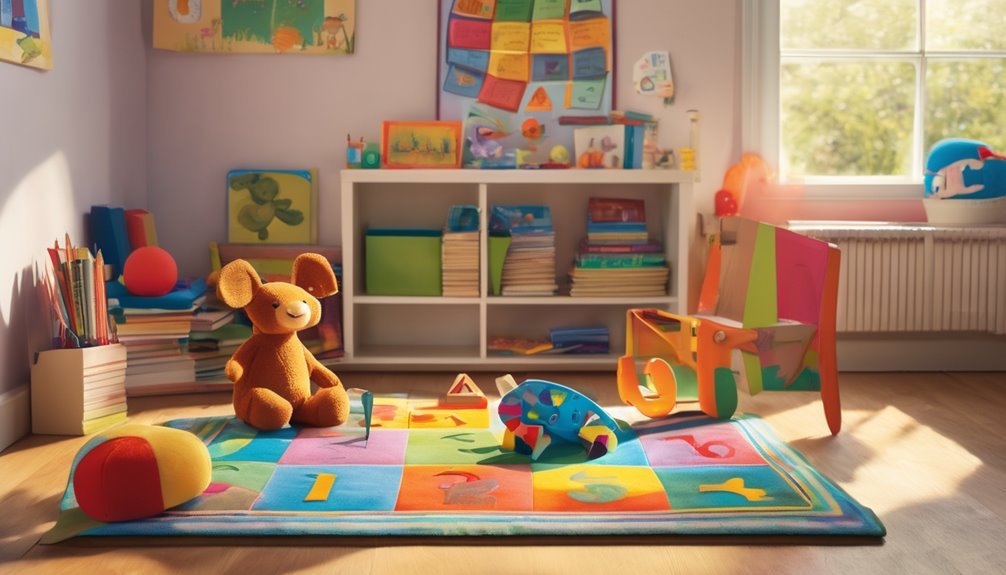
While high school math lays a strong foundation, early math skills are just as important for young learners. To foster these skills, consider exploring engaging math books designed specifically for preschoolers.
Look for titles that incorporate counting games, allowing your child to practice numbers in a fun way. Books that emphasize number recognition can also be invaluable, as they help little ones identify and understand the significance of each digit.
Interactive elements, like lift-the-flap or touch-and-feel features, can enhance the learning experience, keeping your child interested. Choose books that encourage hands-on activities, making math a playful adventure.
Choosing Math Books by Learning Style
Understanding your child’s learning style can make a significant difference in their math journey. Tailoring your choices to their preferences fosters personalized learning and enhances their engagement.
- Visual Learning: Look for books with colorful illustrations and diagrams that help with conceptual understanding.
- Auditory Learning: Choose books with accompanying audio resources or read-aloud features to strengthen logical reasoning.
- Kinesthetic Approaches: Seek interactive activities that involve hands-on problem-solving skills, making math tangible.
- Combining Styles: Find books that incorporate various methods to cater to different learning preferences, ensuring a well-rounded experience.
Combining Math Games With Books for Fun Learning

Combining math games with books can transform your child’s learning experience into an engaging adventure. You can use math boardgames alongside story-based puzzles to reinforce concepts in a fun way. Consider hands-on activities that encourage playful problem solving, making math feel less like a chore and more like an enjoyable challenge.
| Activity Type | Description |
|---|---|
| Interactive Storytelling | Create narratives that involve math challenges. |
| Math-Themed Crafts | Engage kids in crafting while learning math concepts. |
| Collaborative Learning | Encourage teamwork through group math games. |
Why Visual Math Books Can Help Your Child
Visual math books can be a game-changer for your child’s learning experience, as they make abstract concepts tangible and relatable. By embracing visual learning, your child can enhance their cognitive development and grasp mathematical ideas more easily.
Here’s how these books can benefit them:
- Illustrated examples show real-world applications, making math feel relevant.
- Colorful diagrams simplify complex problems, turning confusion into clarity.
- Interactive elements engage your child, encouraging exploration and curiosity.
- Progressive layouts build skills gradually, fostering confidence in their abilities.
With these tools at their disposal, your child can develop a deeper understanding of math, making learning enjoyable and effective.
Visual math books truly bridge the gap between theory and practice.
Tips for Encouraging Independent Math Learning

Encouraging your child to take charge of their math learning can lead to greater confidence and mastery of concepts. Start by providing self-paced exercises that allow them to progress at their own speed. This way, they can revisit challenging topics without feeling rushed.
Encouraging self-paced learning in math fosters confidence and mastery, allowing children to tackle challenges comfortably.
Incorporate interactive activities, like math games or online quizzes, to make learning enjoyable and engaging. These activities not only reinforce skills but also spark curiosity.
Set aside time for your child to explore math concepts independently, fostering a sense of ownership. Celebrate their successes, no matter how small, to build motivation.
Lastly, create a comfortable workspace free from distractions, so they can focus and thrive in their independent math journey.
Resources for Finding Quality Math Books Online
Finding quality math books online can feel overwhelming, but there are several reliable resources that can simplify your search. Here are some great options to consider:
- Online Bookstores: Websites like Amazon and Barnes & Noble offer extensive selections, along with user reviews to help guide your choices.
- Educational Websites: Platforms like Khan Academy and Education.com often recommend specific math books tailored to different learning levels.
- Library Catalogs: Many local libraries have online catalogs where you can search for math titles and even access eBooks.
- Social Media Groups: Join homeschooling or parenting groups on platforms like Facebook to get recommendations from other parents.
Using these digital resources, you can find the perfect math books for your home learning journey!
Frequently Asked Questions
How Can I Assess My Child’s Math Book Comprehension?
To assess your child’s math book comprehension, use comprehension strategies like summarizing or questioning. Incorporate assessment tools such as quizzes or discussions to gauge understanding and identify areas needing improvement. Engage actively in their learning process!
What Are the Signs of a High-Quality Math Book?
A high-quality math book shines like a guiding star, featuring engaging illustrations and interactive exercises. It fosters curiosity, encourages problem-solving, and offers clear explanations, ensuring your child feels empowered and excited about learning math.
Can Math Books Replace a Traditional Classroom Curriculum?
Yes, math books can effectively replace traditional curricula, offering curriculum flexibility and personalized learning. They allow you to tailor lessons to your needs, making it easier to grasp concepts at your own pace and style.
How Do I Create a Math Learning Environment at Home?
To create a math learning environment at home, gather math tools and incorporate interactive activities. Use games, puzzles, and hands-on projects to make learning fun, engaging, and effective for you and your child.
What Should I Do if My Child Dislikes Math Books?
If your child dislikes math books, try incorporating math games and engaging activities instead. Use puzzles, apps, or hands-on projects to make learning fun and interactive, helping them develop a positive attitude towards math.
Conclusion
Incorporating the right math books into your home learning routine can transform how your child engages with numbers. From preschool to high school, there’s something out there that fits their learning style perfectly. Why not explore these resources together and make math an exciting journey? With the right materials, you can foster a lifelong love for math in your child. So, get ready to dive into a world of numbers and creativity—adventure awaits!