
Imagine a seven-year-old named Mia who struggles with basic multiplication but lights up when she encounters a colorful, story-driven multiplication book. These resources can transform learning by making math concepts relatable and fun. As you explore the essential features of effective multiplication books, you’ll discover how they not only build foundational skills but also cultivate a lasting interest in math. What makes these books so effective for young learners?
Why Multiplication Matters for Young Learners

While you might think of multiplication as just another math skill, it plays a crucial role in building a strong foundation for young learners. Understanding the importance of multiplication in early learning can set kids on the path to greater mathematical confidence and competence.
It’s more than just memorizing times tables; multiplication helps children grasp patterns and relationships between numbers. This foundational skill opens doors to more advanced concepts like division, fractions, and algebra.
By engaging with multiplication early on, you’re equipping young minds to tackle real-world problems and develop critical thinking skills.
Essential Features in Effective Multiplication Books for Kids
Building a strong multiplication foundation is key, and choosing the right resources can make all the difference.
A solid multiplication foundation is essential; selecting the right resources can truly enhance the learning experience.
When selecting effective multiplication books for kids, look for these essential features:
- Engaging Narratives: Stories that incorporate multiplication concepts help kids connect with the material and make learning fun.
- Interactive Exercises: Hands-on activities that encourage practice and participation keep kids motivated and reinforce learning.
- Visual Aids: Colorful illustrations and diagrams can simplify complex ideas, making them easier to understand.
Top Recommended Multiplication Books for Various Ages
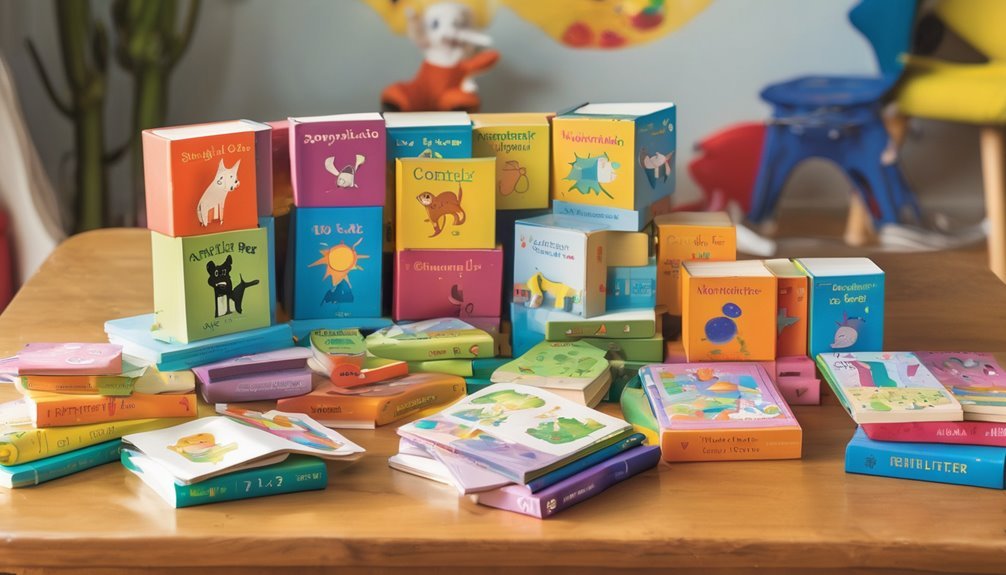
When it comes to finding the right multiplication books for young learners, you’ve got plenty of fantastic options to choose from. For preschoolers, consider picture books that introduce multiplication concepts through colorful illustrations and simple stories.
As kids enter elementary school, look for age-appropriate content that uses fun characters and engaging formats, like games or puzzles, to reinforce learning. For older children, chapter books or workbooks that offer challenges and real-life applications can spark interest and deepen understanding.
Books like “Multiplication Unplugged” or “The Times Tables Cat” blend stories with practice, making learning enjoyable. Whatever age your child is, there’s a multiplication book that’ll captivate their imagination and enhance their math skills!

Fun Activities Using Multiplication Books
Multiplication books can transform learning into a fun adventure for kids! You can make the most of these resources by incorporating engaging activities that reinforce multiplication concepts.
Here are three fun ideas:
- Hands-On Games: Create a multiplication bingo using problems from the book. Kids can mark off answers as you call them out, making learning interactive and exciting.
- Creative Projects: Turn multiplication facts into a colorful poster. Have kids illustrate their favorite multiplication problems, blending art with math.
- Storytime Challenges: After reading a multiplication-themed book, challenge kids to solve problems related to the story’s characters or scenarios.
How Illustrations Improve Multiplication Understanding

Illustrations play a powerful role in enhancing a child’s understanding of multiplication. When you incorporate vibrant visuals in multiplication books, you create visual engagement that captures a child’s attention. These images help simplify complex concepts, making them easier to grasp. For instance, a picture of grouped objects can visually demonstrate the idea of multiplying quantities, turning abstract numbers into relatable scenarios.
Moreover, illustrations stimulate cognitive development by encouraging kids to make connections between what they see and what they learn. As they engage with colorful diagrams, they can better visualize multiplication as repeated addition. This not only strengthens their understanding but also fosters a love for math.
Supporting Math Learning at Home
Creating a supportive environment at home can significantly boost your child’s math learning. You can make math fun and engaging with a few simple strategies. Here are some effective ways to support their learning:
A supportive home environment can greatly enhance your child’s math learning, making it both fun and engaging.
- Incorporate Math Games: Use board games or card games that require counting and strategy. This makes math enjoyable and social.
- Engage in Hands-On Activities: Cooking together or building with blocks can teach multiplication through practical applications. Measuring ingredients helps reinforce concepts.
- Set a Regular Math Time: Establish a routine for math practice, whether it’s reading multiplication books or doing exercises together. Consistency helps reinforce their skills.
Using Technology to Enhance Multiplication Learning

While traditional methods have their place, integrating technology can significantly enhance your child’s multiplication learning experience. You can leverage interactive apps and digital games that make learning fun and engaging.
These tools often provide visual aids, helping your child grasp concepts more easily. Online resources and educational videos can break down complex topics into manageable segments, making multiplication less daunting.
Virtual classrooms offer collaborative spaces where your child can learn alongside peers, boosting motivation. Additionally, coding activities can introduce math concepts in creative ways, further reinforcing multiplication skills.
With gamified learning, kids stay engaged and excited about math, turning practice into play. Embracing technology in multiplication learning is a smart choice for today’s young learners.
Fostering a Love for Math in Children
Integrating technology in learning multiplication can spark a broader enthusiasm for math in children. When you create a positive mindset around math, you help them see it as fun, not just a chore.
Integrating technology into multiplication learning can ignite a passion for math, transforming it from a chore into a fun adventure.
Here are three ways to foster that love:
- Incorporate Math Games: Use engaging apps and online games that make multiplication interactive and enjoyable.
- Celebrate Small Wins: Acknowledge your child’s progress, no matter how minor. This boosts their confidence and encourages a love for learning.
- Connect Math to Real Life: Show them how multiplication is used in everyday activities, like cooking or shopping, to make it relatable and practical.
Tips for Choosing the Right Multiplication Book for Your Child
How can you find the perfect multiplication book for your child? Start by considering age appropriateness; you want a book that matches your child’s developmental stage. Next, look for engaging content that captures their interest, making learning fun.
Here’s a quick guide to help you choose:
| Factor | What to Look For | Example Features |
|---|---|---|
| Age Appropriateness | Grade level or age range | Recommended age on the cover |
| Engaging Content | Colorful illustrations, stories | Interactive activities, games |
| Learning Style | Visual, auditory, or kinesthetic | Rhymes, songs, or hands-on tasks |
Frequently Asked Questions
What Age Should Children Start Learning Multiplication?
Most kids start learning early multiplication around ages 7 to 8, when they’ve built foundational skills in addition and subtraction. Engaging them with fun activities helps reinforce concepts and makes learning enjoyable and effective.
How Can Parents Assess Their Child’s Multiplication Understanding?
You can assess your child’s multiplication understanding using flashcard techniques and hands-on activities. Try quizzing them with flashcards, then engage in games or real-life scenarios to see how well they grasp the concepts.
Are There Online Resources for Supplemental Multiplication Practice?
Yes, you’ll find plenty of online resources for supplemental multiplication practice. Check out interactive games and video tutorials that make learning fun, helping your child grasp multiplication concepts while keeping them engaged and motivated.
How Do Different Learning Styles Affect Multiplication Book Choices?
How do you learn best? Visual learners thrive with colorful, illustrated interactive books, while auditory learners benefit from rhythmic, spoken content. Kinesthetic activities engage those who need movement, making each style crucial in your multiplication book choice.
What Are Common Misconceptions About Multiplication Among Young Learners?
Young learners often have factor misconceptions, believing multiplication’s just about adding groups or that it’s only for certain numbers. They might also think multiplication’s too hard, leading to multiplication myths that hinder their confidence and understanding.
Conclusion
Just like a sturdy tree needs nurturing roots to grow tall, your child’s understanding of multiplication needs the right support. By choosing engaging multiplication books, you’re planting seeds of knowledge that will flourish in their minds. As they explore colorful pages and tackle fun exercises, watch their confidence blossom. Remember, each page turned is a step toward a future where math isn’t just a subject, but a joyful adventure. So, let those multiplication seeds sprout and thrive!