
As a new mom, you might be noticing more than just a lack of sleep and a new bundle of joy; hormonal acne can also appear as an unwelcome visitor. You're not alone in this struggle, and natural remedies could be a tender solution for your skin. Have you considered the potential of spearmint tea to balance your hormones or the benefits of omega-3 fatty acids for your skin health? Maybe it's time to explore how these gentle, natural options can be integrated into your daily routine to improve your skin clarity, without compromising on safety or health. What if the answer to clearer skin lies in your kitchen cupboard or daily habits?
Key Takeaways
- Incorporate omega-3 supplements or foods high in omega-3s to reduce inflammation and acne severity.
- Drink adequate water and include hydrating foods to maintain skin elasticity and health.
- Use gentle, non-comedogenic skincare products containing natural ingredients like green tea or witch hazel.
- Consider herbal supplements like spearmint or chasteberry to regulate hormonal imbalances post-pregnancy.
- Practice stress-reducing activities such as mindfulness or yoga to help manage cortisol levels that can worsen acne.
Understanding Hormonal Acne
Hormonal acne primarily stems from the intricate interplay of your body's hormones. As you navigate through different phases of life, hormonal fluctuations significantly impact your skin's health. This type of acne is most prevalent during times of intense hormonal changes such as puberty, menstruation, pregnancy, and menopause.
Androgens, such as testosterone, increase in your body and trigger excess sebum production in your skin's sebaceous glands. This excess oil can clog pores, leading to the growth of acne-causing bacteria and inflammation.
Your skin sensitivity also plays a crucial role in how your skin reacts to these hormonal changes. If your skin is particularly sensitive, it's more likely to respond adversely to hormonal imbalances, exacerbating acne symptoms. This sensitivity can be influenced by genetic factors, environmental stressors, and overall skin care practices.
To manage hormonal acne effectively, it's essential to understand its root causes—hormonal fluctuations and skin sensitivity. By recognizing the signs early and adopting appropriate skin care strategies, you can mitigate the impacts of these fluctuations.
Focus on gentle, non-comedogenic products that don't further irritate your skin, keeping in mind that each individual's skin may respond differently to various treatments.
Impact of Diet on Skin Health
Examining your diet's role in skin health reveals significant connections between what you eat and how your skin appears, especially concerning acne. Achieving a nutrient balance is crucial, as deficiencies or excesses can exacerbate skin issues. For example, diets high in refined sugars and dairy products have been linked to increased sebum production and inflammatory responses, which can trigger acne flare-ups. Conversely, incorporating foods rich in omega-3 fatty acids, antioxidants, and fibers can help manage inflammation and support skin health.
Understanding food sensitivities is also essential. Foods that you're sensitive to can lead to an inflammatory response, worsening acne. It's beneficial to monitor how your body reacts to certain foods and consider an elimination diet under professional guidance to pinpoint triggers.
Here's a quick guide on how different foods can impact your skin:
| Food Type | Effect on Skin |
|---|---|
| High glycemic foods | May increase acne flare-ups |
| Dairy | Potential to worsen acne |
| Omega-3 rich foods | Helps reduce inflammation |
| Antioxidant-rich foods | Supports skin repair |
| Fiber-rich foods | Aids in toxin elimination |
Tailoring your diet to your specific health needs can significantly improve your skin's condition, helping you look and feel better.
Natural Dietary Supplements
Building on the understanding of how diet affects skin health, it's important to explore the role of natural dietary supplements in managing hormonal acne. As you seek to support others in their journey towards clearer skin, consider the targeted use of supplements that are rich in certain micronutrients known for their skin benefits.
Zinc, for instance, plays a critical role in skin health owing to its anti-inflammatory properties and ability to reduce keratinocyte activation—an event that can block pores and worsen acne. You'll find that supplementing with zinc, particularly in its bioavailable forms like zinc gluconate, can significantly diminish the severity of acne.
Another powerful supplement is omega-3 fatty acids, typically sourced from fish oil or algae. These fats are crucial for managing inflammation—a key factor in acne outbreaks. Studies consistently show that higher intake of omega-3s correlates with reduced inflammation and potentially lessened acne severity.
Lastly, vitamin D has been noted for its immunomodulatory effects which can influence skin health. Low levels of vitamin D are associated with exacerbated acne symptoms, making supplementation potentially beneficial if dietary sources are insufficient.
These suggestions are backed by research assessing supplement efficacy and should be considered as part of a comprehensive approach to treating hormonal acne.
Importance of Hydration
Maintaining adequate hydration is crucial for overall health and plays a significant role in the condition of your skin, particularly when managing hormonal acne. Hydration benefits your body by aiding in the removal of toxins and waste products, which, when accumulated, can exacerbate acne flare-ups.
Additionally, sufficient water intake maintains skin elasticity, reducing the likelihood of dry, flaky skin that can clog pores and trigger acne. Your skin, the largest organ of your body, requires a continuous supply of water to function optimally.
As a new mom, you're especially susceptible to hormonal changes which can affect your skin's oil production and barrier function. By ensuring you're well-hydrated, you're helping to balance these factors more effectively.
Aim to consume at least eight 8-ounce glasses of water daily, though your specific needs may vary based on your activity level and overall health. Remember, hydration isn't only about water; foods high in water content, such as cucumbers, tomatoes, and watermelon, also contribute to your total intake.
Prioritizing hydration not only supports your skin's health but enhances your well-being, making it a pivotal aspect of managing hormonal acne naturally. By serving your body's needs, you serve your overall health and, by extension, your ability to care for others.
Herbal Remedies to Consider
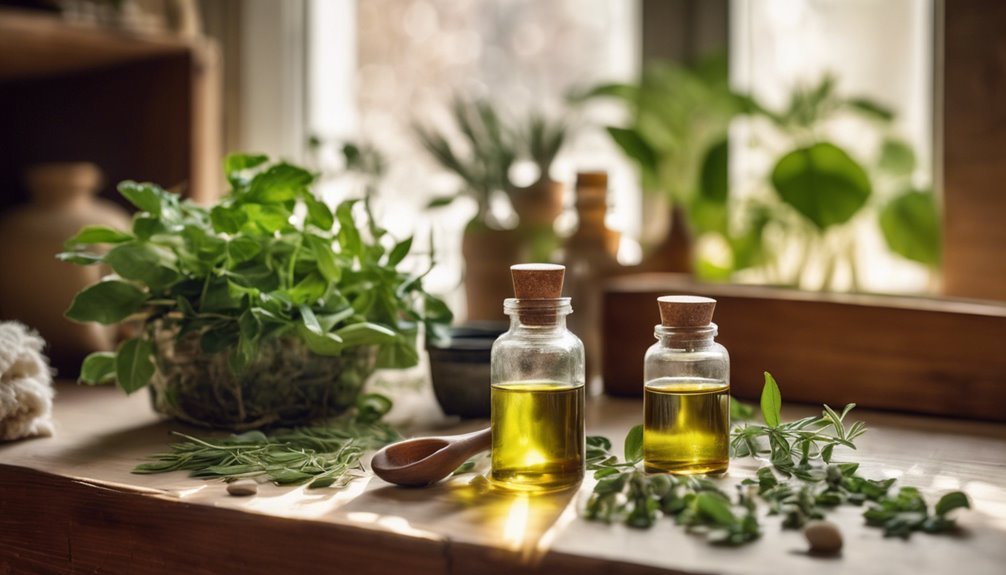
Turning now to herbal remedies, you'll find that certain plants can be incredibly effective in managing hormonal acne. Herbal infusions and plant extracts offer a natural approach that can gently work with your body's own healing processes. Here are some key herbs to consider:
| Herb | Form | Benefits for Acne |
|---|---|---|
| Green Tea | Infusion | Anti-inflammatory, reduces sebum production |
| Spearmint | Infusion | Anti-androgenic properties, reduces hormonal fluctuations |
| Licorice | Extract | Anti-inflammatory, helps regulate hormone levels |
| Chasteberry | Extract | Balances hormones, particularly progesterone |
| Witch Hazel | Topical | Astringent, reduces skin oiliness and inflammation |
These herbal treatments can be integrated into your daily routine. For example, drinking a cup of spearmint tea twice a day has been shown to reduce the levels of androgens, hormones often responsible for hormonal acne in women. Similarly, applying witch hazel directly to the affected areas can help soothe irritation and decrease oiliness. When using plant extracts, ensure they are of high quality and derived from reputable sources to maximize their therapeutic effects. Remember, while herbal remedies can be beneficial, they should complement a holistic approach to your skincare, including a balanced diet and adequate hydration.
Stress Reduction Techniques
While herbal remedies offer significant benefits in managing hormonal acne, addressing stress is equally important as it directly influences hormonal balance and skin health. Stress induces the production of cortisol, a hormone that can exacerbate your acne. Implementing stress reduction techniques is crucial for your overall well-being and can lead to clearer skin.

Mindfulness practices are a scientifically supported method to mitigate stress. These involve focusing on the present moment and acknowledging your thoughts and feelings without judgment. Studies have shown that regular mindfulness exercises can reduce the physiological symptoms of stress, thereby potentially decreasing stress-related acne flare-ups.
Yoga, a practice combining physical postures with breathing techniques, is another effective stress reducer. Specific yoga techniques, such as controlled breathing (pranayama) and gentle asanas (postures), promote relaxation and improve mental clarity. Engaging in yoga not only helps in lowering stress levels but also aids in regulating hormonal activity, which is vital for managing hormonal acne.
You can integrate these practices into your daily routine to help manage stress effectively. Even short sessions, if consistent, can provide significant benefits.
Regular Physical Activity

Engaging regularly in physical activity is a powerful strategy to combat hormonal acne. The exercise benefits are multifaceted, impacting not only your skin health but also your hormonal balance and overall well-being.
When you participate in workout routines, your body increases blood circulation, promoting the delivery of oxygen and nutrients to skin cells. This process helps to detoxify the skin by encouraging the removal of waste products.
Additionally, exercise helps regulate the production of hormones such as cortisol and androgens, which can exacerbate acne when imbalanced. By maintaining a regular exercise regimen, you can help stabilize these hormone levels, reducing the severity and frequency of acne breakouts.
It's essential to choose activities you enjoy, which can range from brisk walking to more vigorous activities like cycling or swimming.
Consistency is key, aiming for at least 30 minutes of moderate-intensity exercise most days of the week. This not only aids in managing hormonal acne but also enhances your overall health.
Proper Skincare Routine
Adopting a proper skincare routine is crucial for managing hormonal acne. As a new mom, you're likely navigating hormone fluctuations that can wreak havoc on your skin.
It's essential to employ effective cleansing techniques to remove impurities and prevent clogged pores. Start with a gentle cleanser tailored to sensitive skin—this allows for thorough cleaning without stripping skin of its natural oils. Use lukewarm water and apply the cleanser using soft, circular motions, which helps promote blood circulation and detoxification.
Next, focus on moisturizing essentials. Hydration is key, even for acne-prone skin.
Opt for oil-free moisturizers that contain non-comedogenic ingredients to maintain moisture balance without contributing to further breakouts. Look for products enriched with hyaluronic acid or glycerin, which provide deep hydration while maintaining skin barrier integrity.
Natural Skincare Products
In addition to a disciplined skincare routine, integrating natural skincare products can further enhance your skin's health and combat hormonal acne.
Opting for gentle cleansers formulated with natural components helps maintain the skin's lipid barrier, preventing over-drying and irritation. These cleansers typically contain non-comedogenic organic oils like jojoba or almond oil, which mimic the skin's natural sebum, thereby not triggering further breakouts.
Moreover, incorporating products with anti-inflammatory properties, such as tea tree oil or witch hazel, can significantly reduce acne flare-ups by soothing the skin and reducing redness.
It's crucial to select products free from harsh chemicals, sulfates, and parabens, which can exacerbate acne and disrupt hormonal balance.
Safe Sun Exposure Practices
While natural skincare products can help manage hormonal acne, another important aspect of skin health involves how you handle sun exposure.
Sun safety is critical, especially for new moms who might find themselves outdoors more often, perhaps walking with the baby or enjoying the park. You must protect your skin to prevent exacerbating acne with sun damage.
Here's how you can enjoy the sun safely:
- Choose Broad-Spectrum Sunscreen: Always apply a broad-spectrum sunscreen that offers both UVA and UVB protection. Look for a minimum SPF of 30, and remember to reapply every two hours, or more frequently if you're swimming or sweating.
- Wear Protective Clothing: Long-sleeved shirts, pants, and wide-brimmed hats can provide additional UV protection. Consider garments with a UV protection factor (UPF) rating to maximize defense against sun exposure.
- Seek Shade: Especially during peak sun intensity hours—between 10 a.m. and 4 p.m.—it's wise to stay in the shade as much as possible. Utilizing umbrellas or canopies can significantly reduce your UV exposure while allowing you to enjoy the outdoors.
Adhering to these sun safety tips can help maintain your skin health while minimizing the risk of aggravating hormonal acne due to UV exposure.
The Role of Sleep
Sleep plays a crucial role in regulating various bodily functions, including hormonal balance that can significantly impact acne. When you're sleep-deprived, your body produces more cortisol, a stress hormone that can exacerbate acne. High cortisol levels can stimulate your oil glands to produce more sebum, which can lead to clogged pores and breakouts.
Improving your sleep quality isn't just about getting more hours of rest; it's about ensuring that the sleep you get is restorative and uninterrupted. Aim for 7-9 hours of quality sleep per night. To enhance your sleep quality, establish a calming pre-sleep routine and create a sleep-conducive environment: dim lights, reduce noise, and maintain a comfortable temperature.
Remember, your body repairs itself during deep sleep stages, which are crucial for hormonal regulation and skin health. Disrupted sleep or inadequate sleep cycles can prevent your body from effectively performing these vital functions.
If you're struggling with sleep quality, consider consulting a healthcare provider who can offer tailored advice or treatments to improve your sleep. Additionally, apps or devices that track sleep patterns can be valuable tools to help you understand and optimize your sleep, contributing positively to your overall health and potentially reducing hormonal acne.
Ongoing Skin Monitoring
To effectively manage hormonal acne, ongoing skin monitoring is essential. This proactive approach allows you to identify skin changes and adjust your skincare routine in response to hormonal fluctuations.
By keeping a close eye on your skin's condition, you can intervene early and potentially minimize flare-ups.
Here are three key steps you should consider for effective skin monitoring:
1. Daily Observation: Each day, examine your skin in a well-lit mirror to note any new breakouts, changes in skin texture, or increased oiliness. This daily check helps in spotting trends and reacting swiftly to new developments.
2. Weekly Documentation: Take weekly photographs of your skin to track your progress. This visual diary can be incredibly helpful in understanding how your skin reacts to various treatments and phases of your menstrual cycle.
Over time, these images can reveal patterns that mere memory might miss.
3. Monthly Evaluation with a Professional: Schedule a monthly check-in with a dermatologist or a trained skincare specialist. They can provide expert insights, suggest adjustments to your regimen, and offer treatments that are more precise based on your skin's current needs.
Frequently Asked Questions
Can Breastfeeding Influence Hormonal Acne Severity?
Yes, breastfeeding can influence the severity of hormonal acne.
When you breastfeed, your body's hormones, especially estrogen and progesterone, fluctuate. These hormonal shifts can activate acne triggers, potentially worsening or alleviating symptoms.
It's essential you monitor your skin's response during this period. Maintaining a balanced diet and proper skincare routine can also help manage breakouts effectively.
Always consult a dermatologist for personalized advice tailored to your specific condition.
How Does Hormonal Acne Differ From Other Acne Types?
Imagine your body as a finely tuned orchestra, where hormonal triggers are the conductors directing the performance.
Hormonal acne, distinct from other acne types, primarily arises from these conductors cueing your oil glands to overproduce, leading to breakouts.
This type often features deeper, inflamed cysts and nodules, primarily around the jawline and chin, unlike the more superficial blemishes seen in common acne.
Understanding these nuances can empower you to better serve those affected.
Are There Specific Vitamins to Avoid for Hormonal Acne?
You shouldn't specifically avoid any vitamins unless advised by a healthcare provider.
In fact, vitamin D can be crucial for maintaining hormonal balance. It's key to consult with a specialist who understands your unique health needs.
Over-supplementation could disrupt your hormonal equilibrium, so it's vital to approach your vitamin intake with caution, ensuring it's tailored to support, not hinder, your body's natural processes.
Always prioritize professional guidance over generalized advice.
Can Changing Pillowcases Frequently Help Reduce Hormonal Acne?
Yes, frequent changing of your pillowcases can help reduce hormonal acne.
This practice, known as pillowcase hygiene, is a crucial part of your skincare routine. By swapping out your pillowcases regularly, you're minimizing the buildup of oils, dead skin cells, and bacteria, all of which can contribute to acne.
It's recommended to change your pillowcase at least once a week to maintain optimal skin health and prevent further irritation.
Is Hormonal Acne Linked to Any Long-Term Health Issues?
You might wonder if hormonal acne ties into deeper health concerns.
Generally, hormonal fluctuations that trigger acne aren't directly linked to long-term health issues.
However, persistent acne can sometimes signal underlying conditions like polycystic ovary syndrome (PCOS), which requires medical attention.
It's crucial to consult healthcare professionals if your acne persists or is severe, as they can provide tailored advice and treatment options that align with your health needs.
Conclusion
As you navigate motherhood, embracing natural remedies can significantly improve your hormonal acne. Interestingly, studies show that about 42% of new moms experience postpartum skin changes. Integrating spearmint tea and green tea extract into your routine, alongside a diet rich in omega-3s and antioxidants, not only supports your skin but also your overall well-being. Remember, consistent hydration, gentle skincare, and stress management are key. Keep monitoring your skin's health and adjust as needed to maintain its clarity and vibrancy.