
Phonics and spelling games using word searches can transform the way you approach vocabulary learning. These interactive puzzles not only reinforce spelling rules but also make the process enjoyable for learners. By engaging with themed word searches, you can spark curiosity and enhance word recognition. But how do you create effective word searches that keep kids motivated? Let’s explore the benefits and strategies that can elevate your teaching approach.
Key Takeaways
- Word searches enhance phonics and spelling by encouraging recognition of letter patterns and sounds through engaging and interactive activities.
- Incorporating themed word searches introduces new vocabulary while reinforcing spelling skills in a fun and structured format.
- Customizing difficulty levels and orientations in word searches keeps learners challenged and motivated, catering to various skill sets.
- Variations like timed challenges or mystery words make word searches more exciting and can foster collaboration among learners.
- Using word searches as a soothing activity makes learning enjoyable, encouraging deeper exploration of phonics and spelling concepts.
The Benefits of Word Searches in Phonics and Spelling
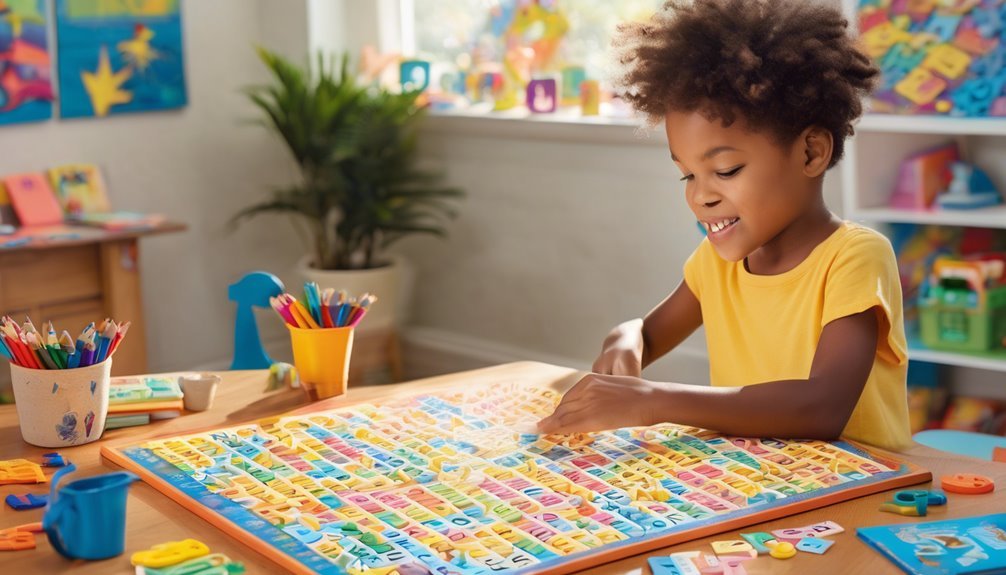
Word searches can be a fun and engaging way to enhance phonics and spelling skills. As you scan for words hidden in a jumble of letters, you’re not just playing a game; you’re strengthening your ability to recognize letter patterns and sounds.
This process helps you internalize the spelling of words, making them easier to recall later. Plus, it’s a soothing activity that can turn learning into a pleasurable experience. You might find yourself lost in the puzzle, feeling a sense of accomplishment each time you circle a word.
Embracing this playful approach can spark your curiosity and motivate you to dive deeper into phonics, transforming what could feel like a chore into something delightful and rewarding.
How Word Searches Enhance Vocabulary Development
As you engage with word searches, you’re not just hunting for letters; you’re also expanding your vocabulary in a fun and interactive way. Each puzzle introduces you to new words, helping you grasp their meanings while reinforcing spelling skills.
Here’s a glimpse of how word searches can enhance your vocabulary:
| Word | Meaning | Usage Example |
|---|---|---|
| Curious | Eager to learn | She has a curious mind. |
| Discover | Find something new | We’ll discover new ideas. |
| Challenge | A difficult task | It’s a fun challenge! |
| Explore | Investigate | Let’s explore the topic. |
| Enhance | Improve | This will enhance your skills. |
With each completed search, you’re building a foundation for better language skills, making learning enjoyable and effective.
Creative Word Search Themes for Engaging Learning

When you incorporate creative themes into word searches, you make the learning experience more engaging and enjoyable.
Imagine diving into a word search about outer space, where you’re hunting for planets and constellations. Or picture a beach theme, filled with words like “sandcastle” and “seashell.” These themes spark interest and curiosity, turning a simple activity into an adventure.

You can even align the themes with seasonal events, like a Halloween word search featuring spooky words or a spring theme with blooming flowers. By mixing it up, you not only keep things fresh but also cater to different interests.
Tips for Creating Effective Word Searches
To create effective word searches that truly engage learners, start by selecting a manageable number of words that are relevant to the theme you’re using. Keep it simple; too many words can overwhelm.
Next, consider the difficulty level. Tailor the puzzle to your learners’ skills, ensuring it’s challenging but not frustrating. Mix up the orientations—horizontal, vertical, and diagonal—to add excitement.
You might also want to include a few extra letters to make things more interesting. Lastly, test your word search before sharing it. You want to ensure the words fit properly and are discoverable.
Incorporating Word Searches Into Daily Learning Routines

Incorporating word searches into your daily learning routines can be a fun way to reinforce vocabulary and spelling skills. You might start by setting aside a few minutes each day, perhaps during breakfast or after school, to enjoy a word search together.
As you search for words, encourage your child to sound them out and discuss their meanings. This not only builds their spelling skills but also sparks conversations that deepen understanding. You can even create themed word searches that align with what they’re learning in school.
This simple activity can transform mundane moments into rich learning experiences, bringing a sense of joy and connection to your daily routine. Embrace the fun, and watch those skills flourish!
Fun Variations of Word Searches to Keep Kids Motivated
Word searches can be more than just a simple activity; they can be transformed into exciting variations that keep kids engaged and motivated.
Try turning it into a timed challenge, where your child races against the clock to find words. You could also create themed searches that connect to their favorite stories or subjects, making it relatable.
For a twist, use a “mystery word” approach, where kids find clues leading to a secret word. Incorporate colored pencils for a creative touch, or make it a collaborative game where you both work together.
These variations not only make word searches more fun but also foster a love for learning that lasts beyond the page. Let the adventure begin!
Frequently Asked Questions
How Can I Assess My Child’s Progress With Word Searches?
To assess your child’s progress with word searches, observe their speed and accuracy. Ask them to explain their strategies and celebrate their successes. Regularly challenging them can also help identify areas needing improvement.
What Age Groups Benefit Most From Phonics and Spelling Word Searches?
Kids ages 5 to 8 really thrive with phonics and spelling word searches. You’ll notice their reading skills blossom as they engage with letters and words, making learning both fun and effective in those formative years.
Are There Digital Tools for Creating Word Searches?
Imagine crafting a personalized word search, colors swirling on your screen. Yes, there’re digital tools that let you create unique puzzles effortlessly, making learning fun and engaging for everyone, including the eager minds around you.
How Can I Adapt Word Searches for Children With Learning Disabilities?
You can adapt word searches for kids with learning disabilities by using larger fonts, fewer words, and incorporating images. Break tasks into smaller steps, and provide plenty of encouragement to help them feel successful and confident.
Can Word Searches Be Used for Subjects Other Than Language Arts?
Absolutely, you can use word searches for subjects like science or history! Just create word lists based on key concepts or vocabulary. It’s a fun way to engage with different topics while enhancing learning.
Conclusion
Incorporating word searches into your phonics and spelling games can make learning fun and effective. Did you know that studies show interactive activities like word searches can boost retention rates by up to 80%? By engaging with words in playful ways, you not only enhance vocabulary but also reinforce essential spelling skills. So, why not add a word search to your daily learning routine? It’s a simple step that can spark curiosity and keep kids motivated in their language journey!