
Positive parenting with toddlers works best when connection comes first. Clear rules, calm limits, and immediate praise help young children learn what is expected. Predictable routines and simple choices can reduce conflict while building confidence. When tantrums happen, steady responses support emotional control rather than power struggles. The approach sounds straightforward, yet the details make the difference, especially when everyday stress tests consistency.
Key Takeaways
- Keep rules simple, consistent, and repeated so toddlers know what to expect.
- Praise specific positive behavior immediately to reinforce cooperation and confidence.
- Use a calm, warm tone and connect emotionally before correcting behavior.
- Offer limited choices and predictable responses to tantrums to support self-control.
- Build routines and gentle repetition to help toddlers learn self-regulation.
Positive Parenting for Toddlers

Clear routines help reduce confusion, while calm follow-through teaches that limits are steady. Toddler communication grows best when adults name feelings, offer short choices, and model the words toddlers cannot yet manage.
Emotional validation matters because it helps a child feel understood even when behavior is being redirected. Evidence shows that firm, gentle responses support trust and cooperation.
Small moments of patience, predictable guidance, and respectful tone can shape behavior while preserving closeness.
Build Connection Before You Correct
Before behavior can be corrected effectively, a toddler usually needs to feel noticed and safe. Emotional connection lowers stress and opens the door to learning, because a young child listens best when the body is calm. Brief eye contact, a gentle tone, and a touch on the shoulder can communicate mutual respect without overpowering the child.
| Action | Effect | Meaning |
|---|---|---|
| Pause and kneel | Reduces distance | Signals presence |
| Reflect feelings | Builds trust | Shows understanding |
| Guide after calm | Improves cooperation | Supports learning |
When adults connect first, correction feels less like rejection and more like guidance. This approach helps toddlers preserve dignity while gradually learning self-control, making everyday moments more intimate, secure, and effective.
Set Simple Toddler Rules They Can Follow
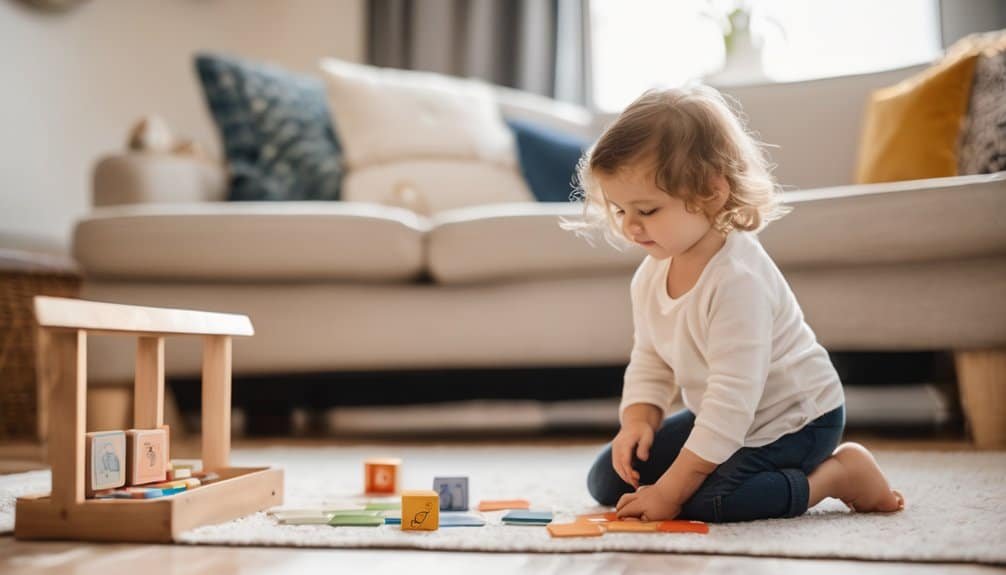
Simple toddler rules work best when they are short, concrete, and easy to repeat. A small set, such as “gentle hands,” “feet stay on the floor,” and “toys stay on the table,” helps toddlers understand what is expected.
At this age, rules should match developmental limits: memory is still emerging, impulses are strong, and language is just growing. Visual reminders, such as picture cards or simple signs, can make expectations easier to remember during daily routines.
Engaging activities, like sorting toys or practicing “stop and go” games, help toddlers learn the rule in a playful way. Consistency across caregivers supports learning and reduces confusion.
When rules are few and clear, toddlers can begin to feel secure, capable, and closer to the adults guiding them.
Use Praise to Reinforce Good Behavior
Praise works best when it is specific, immediate, and tied to the exact behavior adults want to see repeated. Developmental research shows that behavioral reinforcement through praise techniques helps toddlers connect actions with outcomes.
Specific compliments such as “You put your blocks away” guide learning more effectively than vague approval. Praise should also notice encouraging efforts, not only perfect results, because early mastery grows through repetition and patience.
- Offer positive reinforcement right after the behavior.
- Name the behavior and the effort clearly.
- Pair praise with genuine appreciation and emotional support.
Celebrating milestones, even small ones, builds confidence and encourages cooperation.
When adults respond warmly and consistently, toddlers feel secure, valued, and more willing to repeat helpful behavior.
Handle Toddler Tantrums Calmly

Toddler tantrums are best handled with calm, predictable responses that help a child feel safe while learning to manage intense feelings. A steady caregiver can lower arousal by speaking softly, staying nearby, and naming the emotion without judgment. These calming techniques support emotional regulation over time.
| Tantrum cue | Calm response |
|---|---|
| Crying | Gentle voice |
| Hitting | Block and wait |
| Floor collapse | Quiet presence |
Consistency matters more than lecture during the storm. Developmental research shows toddlers borrow regulation from trusted adults before they can do it alone. After the surge passes, brief comfort and simple words can restore connection. In intimate family moments, this calm stance tells the child: distress is survivable, and care remains steady throughout.
Offer Toddler Choices Without Losing Control
Once the storm has passed, giving limited choices can help a toddler regain a sense of control without opening the door to chaos. Research supports choice empowerment because small decisions strengthen decision making while protecting adult boundaries.
An options framework works best when the adult offers controlled freedom, such as two guided choices that fit the moment. This supports toddler autonomy and reduces power struggles. Preference selection becomes easier when each option is acceptable, brief, and concrete.
- Offer limited options: “red cup or blue cup.”
- State the boundary first, then invite guided choices.
- Keep the choices close enough for success, not overwhelm.
Used well, these moments build trust, soothe frustration, and teach that agency can exist safely within caring limits.
Create Simple Toddler Routines
Simple routines give toddlers a predictable structure that lowers stress and supports cooperation, because young children respond well to repeated patterns they can anticipate.
Morning rituals, snack time, and bedtime routines work best when kept brief and consistent. Simple playtime schedules and family activities help toddlers know what comes next, strengthening transition strategies during daily changes.
Chore charts, even with one or two pictures, can support participation and a sense of competence. Regular screen time limits are easier to accept when they are part of an established routine.
Repeated daily patterns also support language development, since toddlers hear familiar words and labels often, and they build social skills through shared, orderly interactions.
Gentle repetition, warmth, and predictability make routines feel safe, intimate, and manageable for the whole family.
Set Clear Boundaries for Toddlers
With routines in place, toddlers also benefit from clear limits that define what is allowed and what is not. Boundary importance is seen in how consistent rules reduce confusion and support self-regulation. Calm, brief statements help toddlers understand expectations without shame. Boundary examples, such as “gentle hands,” “food stays at the table,” and “toys are for throwing only outside,” give concrete guidance tied to daily life.
- State the limit before misbehavior escalates.
- Repeat the same wording each time.
- Follow through with a predictable response.
Evidence suggests children respond best when adults pair firmness with warmth, offering closeness while holding the line. This steady approach teaches safety, respect, and trust, helping toddlers feel securely held within family life.
Support Toddler Independence Safely
Toddlers thrive when they are allowed to do manageable tasks on their own, such as choosing between two outfits, helping put toys in a bin, or attempting to wash hands with supervision. This kind of toddler decision making supports brain growth, language, and confidence while keeping risk low.
Adults can prepare the environment by offering safe choices, using child-sized tools, and staying close without taking over. Brief instructions, gentle demonstrations, and patient pauses help a young child practice skills at a comfortable pace.
Nurturing autonomy works best when the task matches the child’s ability, so success feels real and secure. Small responsibilities, repeated often, build competence and closeness, because the child learns, “I can do this, and trusted adults are here.”
Stay Consistent When Parenting Gets Hard
As toddlers gain more independence, daily routines can still become difficult when fatigue, hunger, or frustration show up, and consistency matters most in those moments.
Caregivers support secure development by responding in calm, predictable ways, because repeated limits help toddlers learn what to expect and reduce testing over time. Effective consistency strategies also protect emotional resilience by making boundaries feel safe, not harsh.
- Keep rules simple and brief.
- Follow through with the same consequence each time.
- Offer warmth after correcting behavior.
When adults stay steady, toddlers are less overwhelmed and more able to recover from disappointment.
A familiar tone, clear routine, and gentle repetition teach self-control while preserving closeness.
Frequently Asked Questions
What Foods Help Toddlers Stay Calm and Focused?
Toddlers often stay calmer and more focused with protein-rich foods, oatmeal, yogurt, fruit, vegetables, and whole grains. Mindful meals and calming snacks, spaced regularly, help steady blood sugar and support attention.
How Much Screen Time Is Appropriate for Toddlers?
Toddlers should have very limited screen time, ideally little to none, like a dim lantern in early development. Screen time guidelines favor co-viewing, brief, purposeful use, and growing digital literacy through real-world play.
When Should Toddlers Start Learning to Share?
Toddlers begin learning to share around age two, but expectations should stay gentle. During toddler playdates, adults can model sharing strategies, use timers, and praise turn-taking. Developmentally, consistent practice helps children gradually cooperate without pressure.
What Are Signs of Speech Delays in Toddlers?
A stitch in time saves nine: missed speech milestones, limited gestures, few words by 18 months, or poor imitation may signal delay. Early intervention, pediatric evaluation, and hearing checks are practical, evidence-based next steps.
How Do I Choose Safe Toys for My Toddler?
Age appropriate toys should match the child’s developmental stage and avoid small parts. Toy material safety matters too: choose non-toxic, sturdy, washable options. Checking labels, recalls, and supervised play reduces choking and injury risks.
Conclusion
Positive parenting for toddlers works best like a steady lighthouse: warm, consistent, and easy to trust. When adults connect first, set simple rules, praise good choices, and stay calm during tantrums, children learn what is expected and feel सुरक्षित enough to try again. Routines and clear boundaries give shape, while safe independence builds confidence. Even on difficult days, steady support helps toddlers grow with stronger self-control, security, and hope.