
Potty training often goes more smoothly when adults watch for readiness signs, set a simple routine, and keep the tools close at hand. A child-sized potty, training pants, and small rewards can reduce friction, while calm responses to accidents help maintain progress. Nighttime challenges, resistance, and travel add another layer. The useful part is that each of these problems has a practical fix, and the next steps matter.
Key Takeaways
- Watch for readiness signs like staying dry longer, noticing wet diapers, and following simple directions.
- Create a consistent potty routine after waking, meals, naps, and before outings.
- Use child-friendly tools like a stable potty seat, training pants, wipes, and easy-to-remove clothing.
- Praise success calmly, use small rewards, and keep accidents low-stress and punishment-free.
- Teach hygiene and independence gradually, including wiping, handwashing, and using the toilet in different places.
How Do You Know Your Child Is Ready?
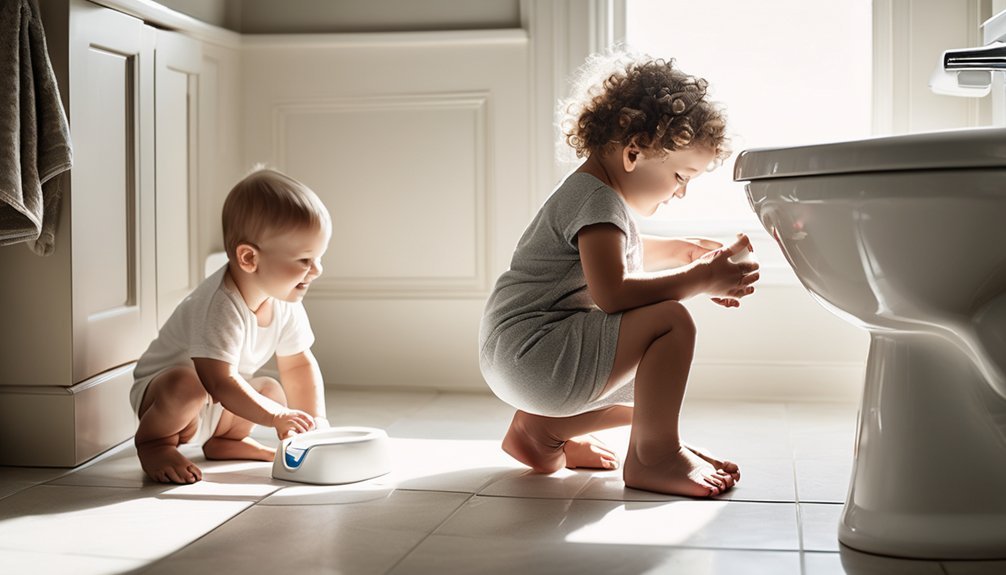
Readiness for potty training is best judged by a pattern of physical, behavioral, and cognitive signs rather than age alone. Common signs of readiness include staying dry for longer periods, showing awareness of a wet diaper, and communicating discomfort promptly.
Child behavior may also shift toward curiosity about the bathroom, a wish for privacy, or interest in copying adults and older siblings. A child who can follow simple directions and sit briefly with support often has the coordination needed for early practice.
Strong emotional stability matters too; resistance, fear, or major life changes can signal that waiting is kinder. Caregivers can watch these cues calmly and respond with warmth, because readiness is individual and progress is usually gradual, gentle, and intimate.
Build a Consistent Potty Schedule
Once a child shows steady readiness cues, a consistent potty schedule can help turn that readiness into a predictable routine. Caregivers can use potty timing to create gentle check-ins after waking, before leaving home, after meals, and before sleep. Routine reinforcement matters more than strictness; repeated, calm invitations help the child feel safe and understand expectations.
| Time | Action |
|---|---|
| Morning | Offer potty |
| After meals | Try again |
| Before outings | Check in |
| After naps | Prompt use |
| Bedtime | Final visit |
This structure reduces guesswork and supports independence. When accidents occur, the response should remain brief and neutral. Over time, the body and schedule begin to align, and the child gains confidence through steady, familiar practice.
Choose Potty Training Gear
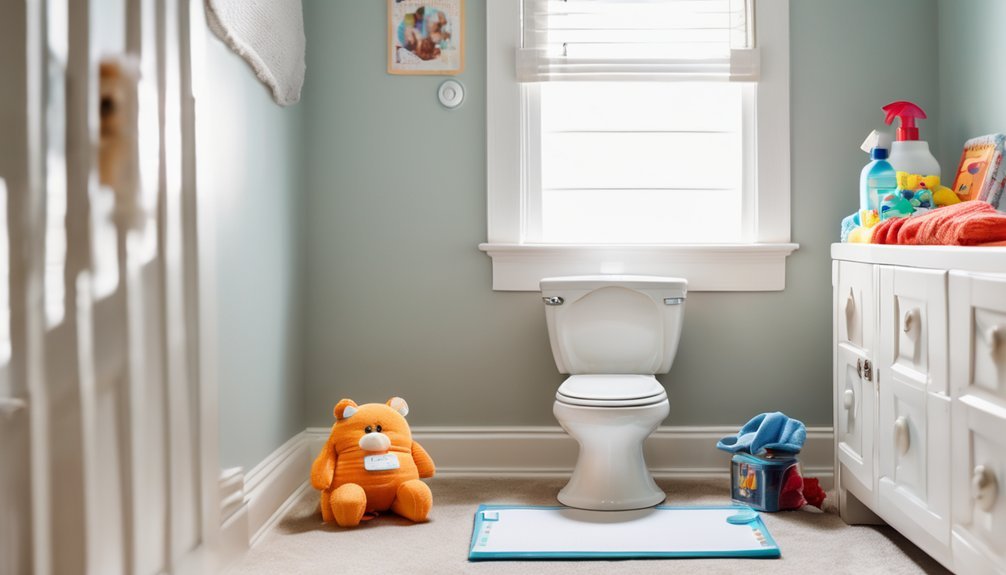
Choosing a few basic potty training tools can make the process smoother and less stressful for both child and caregiver. A stable potty seat helps a child feel secure, while training pants offer a gentle bridge between diapers and underwear.
Child friendly wipes support cleanliness, and travel potties are useful for outings or extended visits. Potty books can introduce the routine in a calm, familiar way, and simple potty charts may help track progress without pressure.
Restroom etiquette can also be taught through brief, consistent reminders. Fun incentives may be considered if they feel natural, but they should remain modest and supportive.
Together, these items create a practical setup that respects the child’s comfort and the caregiver’s need for ease and consistency.
Use Potty Training Rewards
Rewards can reinforce potty training when they are simple, immediate, and tied to specific success. A small reward given after a child uses the potty helps link the behavior with positive reinforcement.
Sticker charts work well because they make progress visible and allow steady encouragement without pressure. The reward does not need to be large; praise, a sticker, or brief extra playtime is often enough. Consistency matters more than cost.
Caregivers should keep expectations clear and apply the same system each day so the child understands what earns a reward. This approach supports confidence and makes the routine feel calm and manageable.
When rewards are specific and predictable, children often respond with more cooperation, and the process can feel more intimate and supportive for everyone involved.
Handle Potty Training Accidents
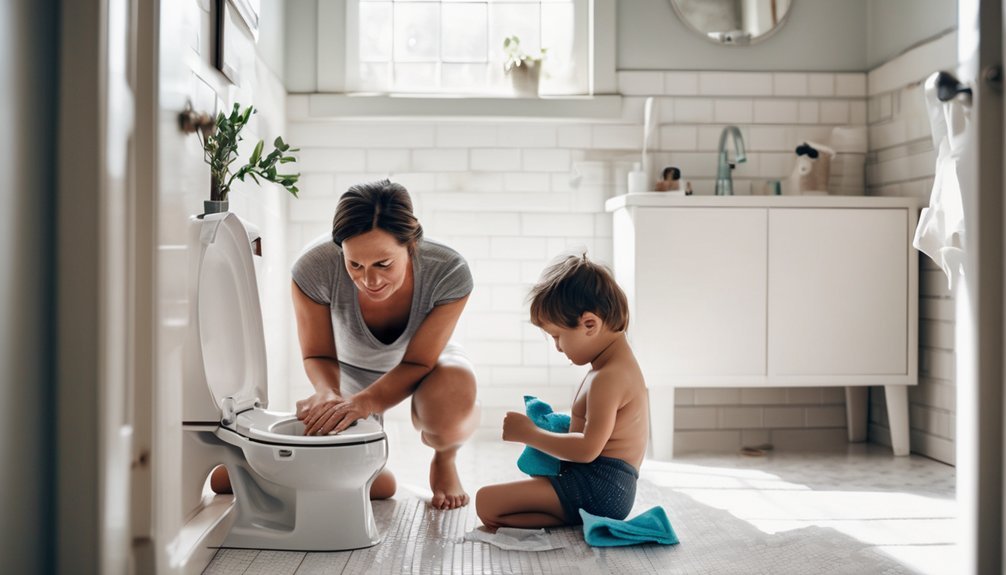
Accidents are a normal part of potty training and should be handled with calm, matter-of-fact responses. Caregivers can use coping strategies that reduce stress: clean up promptly, change clothing, and avoid dramatizing the event.
Clear setting expectations helps children understand that accidents do not mean failure. Brief emotional support, such as a steady tone or gentle reassurance, protects trust. Positive reinforcement should follow any attempt to use the toilet, even when the outcome is imperfect.
For managing messes, keep supplies nearby for quick cleanup. Teaching hygiene after each accident, including handwashing, reinforces healthy habits.
When handling embarrassment, a quiet, private response is usually best. Simple calming techniques, such as slow breathing and neutral language, help the child recover and continue learning.
Make Potty Training Easier at Night
Nighttime potty training often progresses more slowly than daytime training, so caregivers may reduce stress by focusing on routine and preparedness rather than immediate dryness. A calm pre-bed bathroom visit, limited evening fluids, and consistent nighttime routines can support bladder awareness without pressure.
Keeping a small light nearby and placing the potty or path to the bathroom within easy reach may help the child wake with less disruption. Practical sleepwear choices, such as clothing that is easy to remove, can also preserve momentum during sleepy moments.
Protective bedding can reduce laundry and protect sleep quality for everyone. Gentle praise in the morning reinforces progress while preserving a warm, intimate bedtime atmosphere. Over time, steady habits often build confidence and make nights feel more manageable for the whole family.
What to Do When Your Child Resists
Resistance to potty training is common and often reflects discomfort, uncertainty, or a need for more control rather than defiance. A calm response supports understanding resistance and protects progress.
Caregivers benefit from observing triggers, then adjusting expectations without pressure. Gentle consistency helps the child feel safe, while short routines reduce overwhelm and keep the experience intimate and predictable.
- Offer simple choices to increase control.
- Praise small attempts, not perfection.
- Pause and retry later if tension rises.
- Keep language neutral and reassuring.
Building trust matters more than forcing compliance. When the child senses patience, bodily cues become easier to notice, and cooperation often grows.
If resistance persists, the focus should remain on connection, not correction, because emotional safety usually opens the path forward.
Help Your Child Potty Train Anywhere
Consistent routines can help a child use the toilet in unfamiliar places, such as stores, parks, or relatives’ homes. Caregivers may prepare simple travel tips: locate public restrooms early, offer brief reminders, and keep potty training tools within reach.
In social settings, calm guidance supports comfort without pressure. If outdoor training is necessary, a familiar phrase, portable seat, and patient timing can reduce anxiety.
Emergency supplies such as wipes, spare clothing, and plastic bags help manage mishaps discreetly. Family support matters as well; a steady, reassuring response can preserve trust and momentum.
Peer encouragement may also help when the child sees older children using the toilet. With practical preparation, toileting away from home can feel predictable, private, and manageable.
Track Potty Training Progress
Progress can be tracked by noting when the child uses the toilet successfully, has accidents, and shows readiness cues such as telling a caregiver in time or staying dry for longer periods. This progress tracking offers a calm, factual view of development and reduces guesswork for caregivers.
A simple chart can record timing, stool patterns, and reminders, helping identify steady gains and likely setbacks.
- Note dry intervals each day
- Record successful toilet trips promptly
- Mark accidents without blame
- Use motivation techniques, such as praise and stickers
Patterns often become easier to see after several days, allowing adjustments to schedules and expectations.
Gentle review supports a more intimate caregiver-child rhythm, while keeping the process practical, predictable, and reassuring.
Frequently Asked Questions
What if My Child Fears the Potty?
If the child fears the potty, gentle exposure, routine, and praise can reduce potty anxiety. Small steps, such as sitting clothed first, support overcoming fears. A calm caregiver presence helps the child feel safe and intimate reassurance matters.
How Long Does Potty Training Usually Take?
Usually, potty training takes a few weeks to several months, like sunrise slowly brightening a room. Timing factors and training signs vary by child, yet steady routines and patience often bring reassuring progress.
Should I Train During Travel or Vacations?
Training during travel or vacations is usually not ideal; maintaining familiar vacation routines reduces setbacks. If a travel potty is needed, it can support continuity, but major changes are best postponed until home.
When Should I Consult a Pediatrician?
Consult a pediatrician if potty training signs are absent by age three, or if pain, constipation, urinary accidents, or regression appear; pediatrician advice can reassure caregivers and guide practical, gentle next steps with intimacy.
How Do I Potty Train Twins?
Twins can be potty trained together with consistent routines, separate praise, and a shared potty chart. Attention to sibling dynamics helps prevent rivalry. Clinical patience, reassurance, and private encouragement usually support steady progress.
Conclusion
Potty training often begins like a small key turning in a larger lock: readiness, routine, and patience opening the door to independence. When a child resists, slips, or succeeds, each moment becomes part of the same steady path forward. Nighttime progress and trips anywhere else simply add new steps to the journey. With calm guidance and consistent tracking, the process usually becomes less about struggle and more about growing confidence.