Preschool readiness skills help children feel safe, capable, and curious in a new setting. Language awareness, early motor control, and simple self-regulation give them tools for daily classroom life. Independence with dressing, hygiene, and routines builds confidence. Social skills like sharing, listening, and taking turns support smoother transitions. When these abilities grow together, the move into preschool becomes less overwhelming and more successful. Yet some of the most useful skills are often the easiest to overlook.
Key Takeaways
- Strong language skills help children follow directions, name feelings, and participate in group activities.
- Fine and gross motor skills support cutting, stacking, scribbling, climbing, and other classroom tasks.
- Self-regulation helps children wait, shift attention, and recover calmly from frustration.
- Independence skills like dressing, handwashing, and organizing belongings build preschool confidence.
- Social skills such as sharing, turn-taking, listening, and gentle communication support classroom relationships.
Core Preschool Readiness Skills to Build First
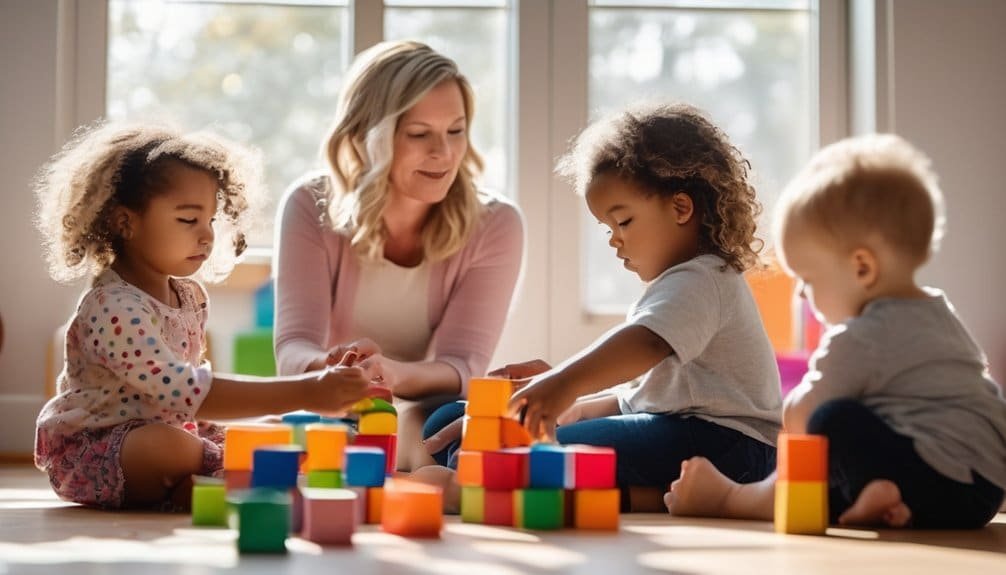
Before preschool begins, children benefit most from a few core skills that support daily routines, learning, and social growth.
Strong language awareness helps them understand simple directions, name feelings, and listen during group time. Early motor skills matter too, since cutting, stacking, scribbling, and climbing build control and confidence.
Gentle self regulation allows a child to wait, shift attention, and recover when emotions rise. Curiosity and basic problem solving also prepare young learners to explore with comfort.
These abilities do not need to be perfect; they need steady practice in warm, playful settings. When caregivers notice small progress, children feel seen, capable, and ready to enter preschool with trust and ease.
Daily Independence Skills for Preschool
Daily independence skills help preschoolers feel capable during routines that happen every day. These gentle self care practices support comfort and confidence as children learn to wash hands, put on shoes, and manage simple belongings. Small decision making opportunities, such as choosing between two shirts or selecting a snack, let a child practice control in a safe way.
| Skill | Example |
|---|---|
| Dressing | Pulling up pants |
| Hygiene | Brushing teeth |
| Organization | Storing toys |
With patient guidance, these tasks become familiar and reassuring. A child who can handle basic routines often enters preschool with steadier focus, growing pride, and a warmer sense of readiness for the day.
Build Social and Communication Skills
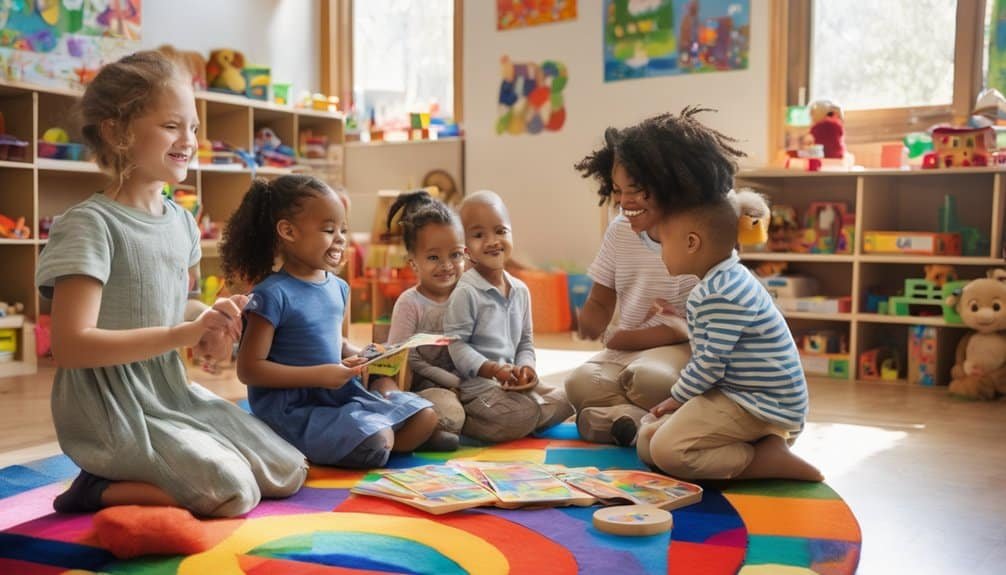
Social and communication skills help preschoolers connect with others in simple, reassuring ways. These skills grow through playful interactions that invite sharing, turn-taking, and gentle conversation.
When a child learns to look at a speaker, respond with a smile, or use a few clear words, relationships begin to feel safe and warm. Effective listening supports this growth by helping preschoolers follow directions, notice feelings, and understand simple questions.
Adults can model calm speech, name emotions, and encourage children to speak kindly with peers. Small moments of encouragement matter: a child who feels heard is more likely to reach out again.
With patient support, preschoolers develop confidence, empathy, and the ease needed to join classroom life.
Practice Preschool Routines at Home
Practicing preschool routines at home helps young children feel prepared for the rhythm of the classroom. Simple, steady patterns give a child a sense of safety and direction.
Gentle morning routines can include waking at a regular time, washing hands, dressing, and sharing breakfast without hurry. These small steps help the day begin with calm confidence.
Evening can be shaped by bedtime rituals such as tidying toys, brushing teeth, and listening to a short story. Repeating these routines allows a child to know what comes next, reducing uncertainty and building trust.
When home life mirrors school expectations in a warm, predictable way, a child often arrives with greater comfort, readiness, and ease.
Simple Ways to Support Readiness Skills
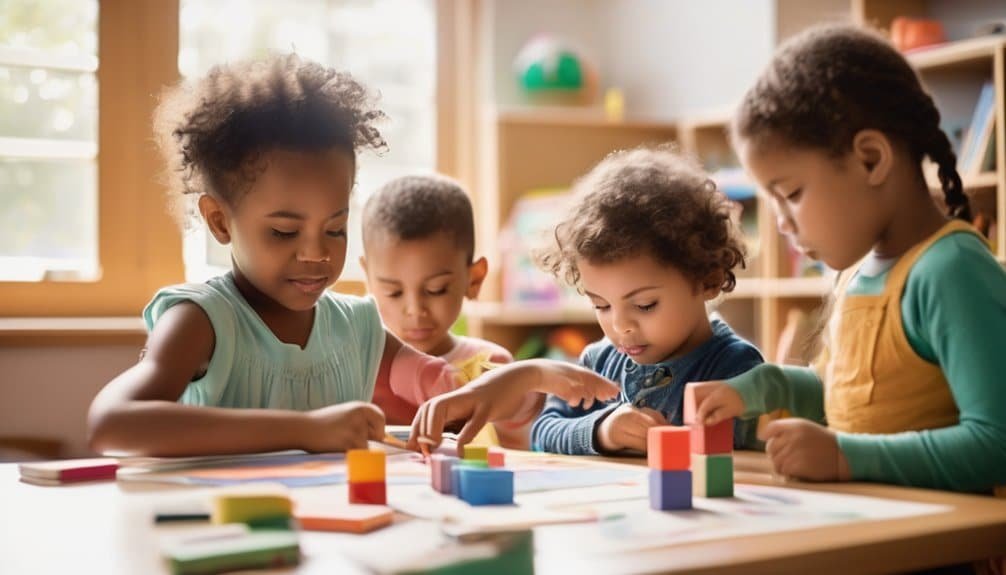
Simple readiness skills can be supported through brief, playful activities that fit naturally into everyday life. A child often grows best when playful learning feels warm, safe, and close at hand.
Gentle repetition helps little ones build confidence while keeping expectations light and inviting.
- Sort socks by color.
- Name shapes during walks.
- Use sensory activities with rice, water, or clay.
- Practice opening lunch containers.
- Read short books together.
These small moments strengthen attention, language, and hand skills without pressure. When adults stay patient and encouraging, children feel seen and capable.
Even a few minutes each day can nurture readiness in a calm, loving way that fits the child’s pace.
Frequently Asked Questions
How Can I Tell if My Child Is Emotionally Ready for Preschool?
A child may be emotionally ready if they show emotional development, can separate briefly from caregivers, and use basic social skills with peers. Comfort with routines, curiosity, and recovering from small upsets also suggest readiness.
What if My Child Resists Separating From Me at Drop-Off?
Resisting drop-off often reflects separation anxiety, not defiance. Gentle coping strategies, steady emotional support, and gradual exposure can help. A calm goodbye, predictable routine, and brief reassurance support the child’s growing confidence and security.
Are Preschool Readiness Skills Different for Children With Developmental Delays?
Yes, they can differ, because children with developmental delays may need individual learning styles and tailored support. A child-centered approach respects unique pacing, strengths, and needs, helping preschool readiness feel safe, loving, and achievable.
How Much Screen Time Affects Preschool Readiness?
Excessive screen time can limit cognitive development, especially when it replaces play, conversation, and sleep. Balanced, child-centered limits support attention, language, and self-regulation, helping preschoolers feel secure, engaged, and ready to learn.
When Should I Seek Extra Help for Preschool Readiness Concerns?
When concerns linger like fog over a sunrise, extra help should be sought if delays in language, social skills, motor skills, or attention persist. Early intervention and support resources can gently guide the child.
Conclusion
Preschool readiness skills are like a small backpack packed for a child’s first school path. Language, movement, self-control, curiosity, independence, and social habits each become a bright tool inside it. When these skills grow through gentle practice at home, children step into preschool with steadier feet and warmer hearts. The doorway to learning then feels less like a leap and more like the opening of a welcome garden.