
Printable daily routine charts for toddlers can offer a simple way to support structure during a stage of rapid growth. When daily steps are shown with clear pictures and predictable order, young children often feel more secure and more willing to cooperate. These charts may also strengthen language, independence, and self-regulation over time. Yet the most effective charts are not one-size-fits-all, and a few small choices can make a noticeable difference.
Key Takeaways
- Printable toddler routine charts use pictures or icons to show daily steps like waking, meals, play, naps, and bedtime.
- Visual schedules help toddlers understand what comes next, reducing uncertainty and easing transitions.
- Consistent routines support language development, memory, self-regulation, and growing independence.
- Effective charts use large, simple images, clear spacing, and often include the child’s name or favorite visuals.
- Morning and bedtime charts work best with calm, repeated sequences and minimal text for easy understanding.
What Is a Toddler Routine Chart?
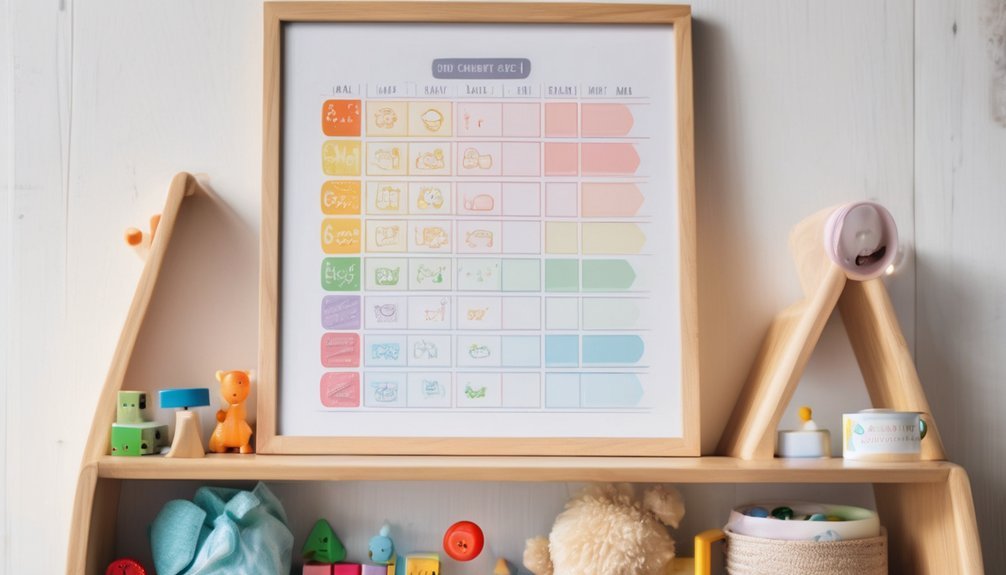
These visual schedules can include waking, eating, play, naps, and bedtime, helping the child follow familiar patterns with less confusion. Developmentally, toddlers respond well to clear, repeated cues because their language and memory skills are still growing.
A chart can support toddler independence by letting the child see what comes next and begin small transitions with more confidence. When caregivers present the chart calmly and consistently, it can feel reassuring, intimate, and steady, while giving the day a gentle sense of structure.
Benefits of Printable Routine Charts for Toddlers
Printable routine charts offer toddlers a clear, predictable framework that supports understanding, cooperation, and emotional security. As visual aids, they help young children grasp what comes next, reducing uncertainty and easing transitions between activities.
Their consistency benefits can be especially comforting during busy mornings, naps, and bedtime, when steady expectations support self-regulation. By pairing images with familiar daily events, these charts can reinforce developmental milestones such as language growth, memory, and sequencing.
They also nurture independence skills by inviting toddlers to notice, anticipate, and complete simple steps with growing confidence. Over time, this gentle structure may strengthen trust, foster calmer interactions, and support a sense of competence, making daily routines feel more secure and emotionally connected.
How to Make a Toddler Routine Chart

Creating a toddler routine chart begins with selecting the few daily moments that matter most, such as wake-up, meals, play, nap, and bedtime, so the visual stays simple and manageable. Research on early development suggests young children respond best to predictable cues and clear pictures.
- Choose large icons or photos that match each routine.
- Use color and spacing to support visual design and quick recognition.
- Allow chart customization with the child’s name, preferred images, or removable pieces.
A gentle, consistent layout helps toddlers anticipate what comes next, reducing stress and supporting cooperation.
When adults introduce the chart warmly and review it regularly, the routine becomes an intimate shared rhythm rather than a command.
Morning Routine Chart Ideas
Morning routines can feel smoother for toddlers when the chart follows the natural order of early-day tasks: getting out of bed, using the bathroom or changing a diaper, washing hands, getting dressed, eating breakfast, and brushing teeth.
Simple picture icons help young children understand each step without needing many words, and visual prompts support memory while building confidence. A chart with removable velcro pieces or checkboxes can make progress feel rewarding and concrete.
It also helps when each morning activity is shown in one clear spot, so the child can see what comes next. Warm, familiar images may reduce resistance and encourage cooperation.
When adults keep the sequence consistent, toddlers often learn the routine more quickly, with less stress and more calm connection.
Bedtime Routine Chart Ideas
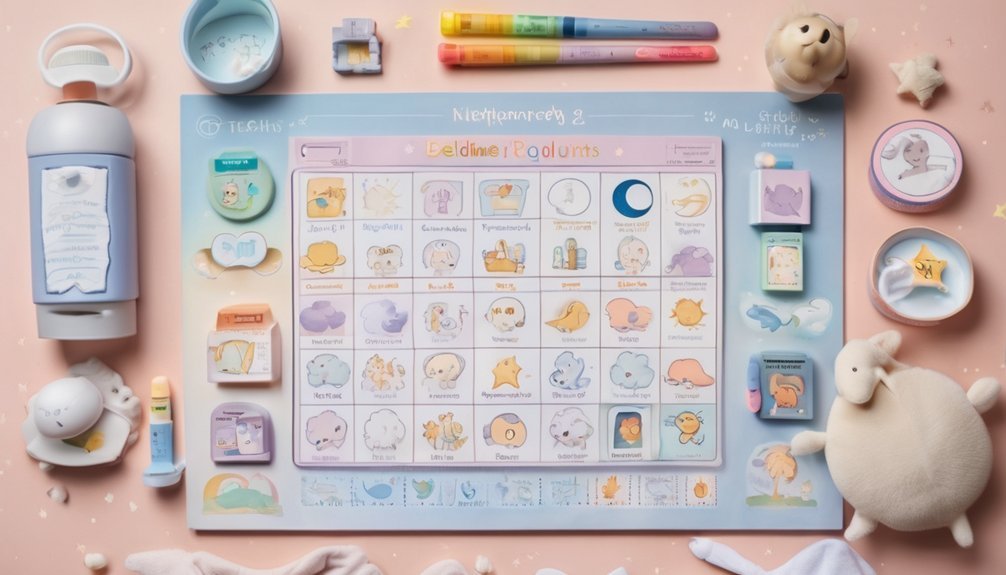
As bedtime approaches, a simple routine chart can help toddlers move through the evening in a calm, predictable order, such as picking up toys, putting on pajamas, brushing teeth, using the bathroom, reading a story, and settling into bed.
A visual sequence supports emerging self-regulation and reduces power struggles, especially when the steps feel familiar and warm.
- Keep the chart simple with pictures and few words.
- Include soothing cues like soft lights, quiet music, or other calming activities.
- End with bedtime stories to create closeness and help the child transition peacefully.
This structure nurtures security, supports language growth, and gives little ones a tender sense of control as the day gently closes.
How to Use a Routine Chart Every Day
A routine chart works best when it is used consistently at the same points in the day, such as after waking, before meals, and at bedtime, so toddlers can begin to anticipate what comes next.
Caregivers can invite the child to point, name, or move each picture as the step is finished, turning the chart into a gentle participation tool. Clear visual aids help toddlers process sequences better than verbal reminders alone, especially when transitions feel hard.
Simple consistency tips include placing the chart at toddler eye level, using the same order daily, and praising small efforts to build confidence.
When the chart is followed with warmth and patience, it supports security, reduces resistance, and helps the child feel lovingly guided through familiar moments.
Frequently Asked Questions
How Do I Handle Routine Chart Resistance From My Toddler?
Resistance is often eased by making the chart visually appealing and using positive reinforcement. A calm, consistent, developmentally appropriate approach helps toddlers feel secure, while brief choices and warmth usually reduce power struggles.
Can Routine Charts Help With Potty Training?
Routine charts can help with potty training by providing predictable prompts and pictorial progress. Paired with potty training tips and positive reinforcement, they support reassurance, repetition, and readiness, gently guiding toddlers toward success.
What Materials Work Best for Durable Printable Charts?
Thicker cardstock, laminated paper, and wipe-clean vinyl offer the best chart durability materials. Evidence suggests printable chart options last longer when protected with clear sleeves, supporting gentle, repeated use in nurturing daily routines.
How Often Should I Update the Chart as My Toddler Grows?
As the child grows, the chart should evolve every few months, or sooner if routines change. Toddler growth benefits from gentle, responsive chart evolution; by and large, caregivers notice cues and adapt lovingly.
Are Routine Charts Suitable for Toddlers With Special Needs?
Yes, routine charts can suit toddlers with special needs when adapted to developmental level, visual aids, and sensory preferences. Evidence suggests predictable routines reduce stress, support independence, and offer nurturing reassurance through consistency.
Conclusion
Printable daily routine charts for toddlers are often most effective when they are simple, consistent, and visual. Evidence from child development research suggests that predictable routines can reduce stress and support early self-regulation, making transitions easier for young children. When used daily, these charts may help toddlers build confidence, language skills, and cooperation. A well-designed chart does not just organize the day; it can quietly strengthen independence and a sense of security over time.