
You might think that quiet time coloring books are just a way to keep kids busy, but they actually unlock a treasure trove of benefits. These books not only spark creativity but also enhance fine motor skills and promote mindfulness. If you’re wondering how to choose the perfect coloring book or create an ideal atmosphere for your child, you’ll want to explore the insights that can transform this simple activity into a powerful tool for growth.
The Benefits of Quiet Time Coloring for Kids
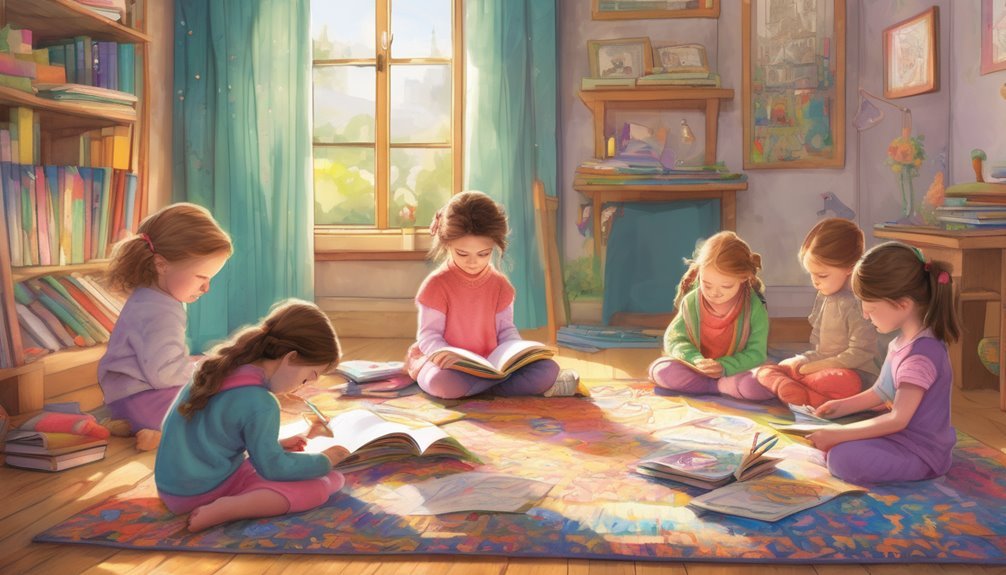
When kids engage in quiet time coloring, they not only express their creativity but also experience a range of developmental benefits.
The coloring benefits are profound; it enhances fine motor skills as they grip crayons and navigate intricate designs. This activity also provides a much-needed creativity boost, allowing them to explore their imagination freely.
Coloring enhances fine motor skills and creativity, inviting kids to explore their imagination through intricate designs.
Research shows that coloring can reduce anxiety and improve focus, creating a calming environment that fosters emotional regulation.
Additionally, as they choose colors and create patterns, kids develop decision-making skills and self-confidence in their artistic choices.
How to Choose the Right Coloring Book?
How can you ensure your child gets the most out of their coloring experience? Start by considering the different coloring book types available. For younger kids, opt for books with simple designs and larger spaces to color, fostering creativity without frustration.
As they grow, explore more intricate patterns that align with their developing skills.
Age appropriateness is key; select books tailored to your child’s age group. This ensures they’ll remain engaged without feeling overwhelmed.
You can also incorporate themes they love, whether it’s animals, nature, or fantasy.
Popular Themes in Kids’ Coloring Books
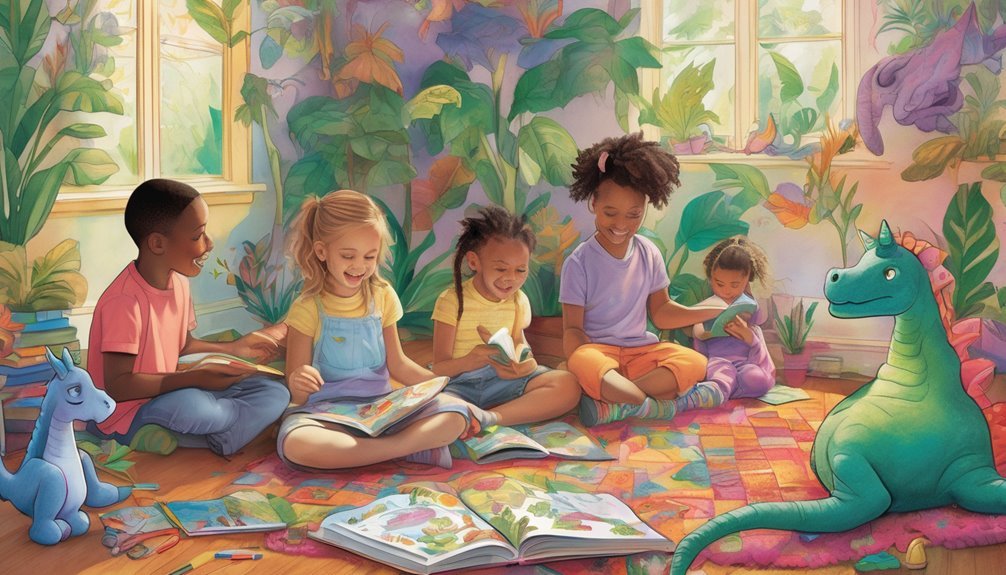
Choosing the right coloring book opens the door to a world of creativity, especially when considering popular themes that resonate with kids. Engaging themes not only enhance their coloring experience but also spark imagination.
Here are three popular themes to explore:
- Animal Adventures – Kids love bringing to life various creatures, from lions to parrots, fostering a connection with nature.
- Fantasy Landscapes – Imagine vibrant castles and enchanted forests, allowing kids to escape into magical realms.
- Superhero Designs – These empower children to create their own heroes, inspiring creativity and confidence.
Tips for Setting Up a Tranquil Coloring Space
Creating a tranquil coloring space can significantly enhance your child’s artistic experience, as a calm environment fosters focus and creativity. Here are some tips to set up the perfect area:
| Element | Recommendation |
|---|---|
| Lighting | Use soft, natural light |
| Seating | Comfortable chair/table |
| Atmosphere | Play calming music |
Start with a dedicated table for coloring supplies, ensuring everything is organized and within reach. Incorporate a soft rug to add comfort. Playing calming music can create a soothing backdrop, allowing your child to immerse themselves in their art. Encourage them to personalize their space with favorite colors or decorations, making it a sanctuary for creativity.
Enhancing Fine Motor Skills Through Coloring
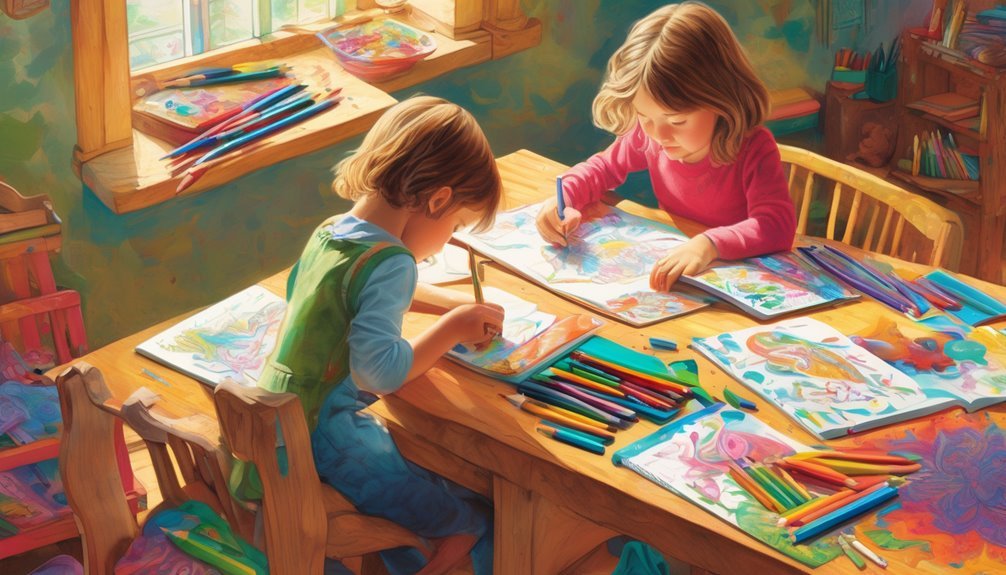
While many parents see coloring as just a fun activity, it actually plays a crucial role in enhancing your child’s fine motor skills. Engaging in coloring not only fosters creative expression but also develops the small muscles in their hands and fingers.
Coloring is more than just fun; it significantly boosts your child’s fine motor skills and hand strength.
Here are three key benefits:
- Grip Strength: Holding crayons or pencils improves grip, which is essential for writing.
- Hand-Eye Coordination: Staying within lines hones coordination, critical for various tasks like buttoning shirts.
- Precision Control: Choosing colors and applying them accurately teaches control, leading to better dexterity.
Mindfulness Techniques for Quiet Time Coloring
As you encourage your child to dive into their coloring book, consider incorporating mindfulness techniques to enhance the experience.
Start by creating a calm environment; dim the lights and play soft music to help them focus. Encourage them to take deep breaths before they begin, fostering a sense of calm.
As they color, prompt them to pay attention to the colors they choose and the sensations of the crayons on the paper. This coloring mindfulness helps them connect with their emotions and thoughts, transforming the activity into a powerful form of creative expression.
Remind them that there are no mistakes in art—every stroke is a reflection of their feelings. This practice can cultivate patience and self-awareness, enriching their quiet time.
Best Quiet Time Coloring Books for Kids of All Ages
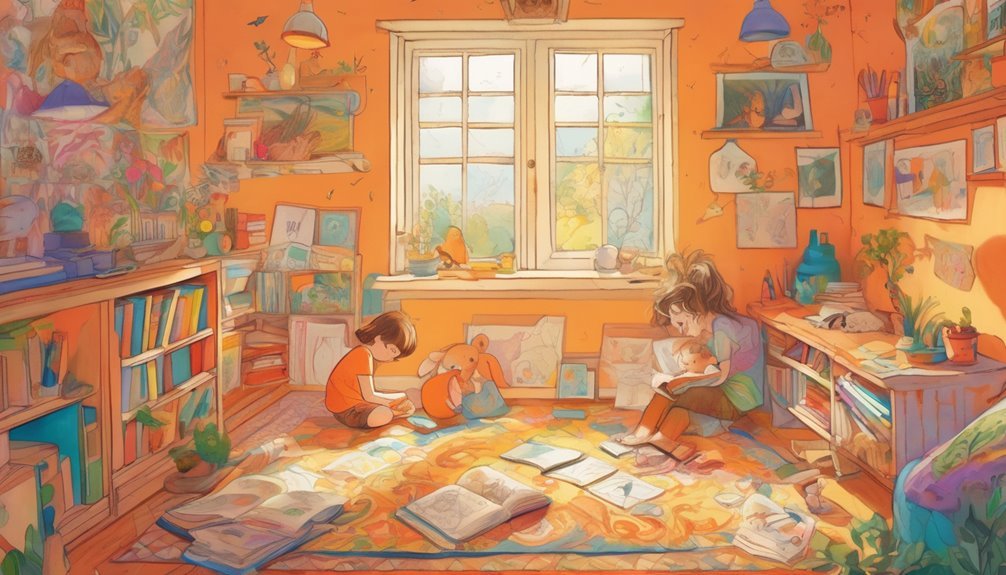
Coloring books can be a delightful gateway to creativity and relaxation for kids of all ages. They encourage creative expression while introducing basic color theory, helping children understand how colors interact and complement each other.
Here are three of the best quiet time coloring books to consider:
- “Creative Haven Coloring Book Series” – Perfect for older kids, this series offers intricate designs that foster mindfulness and focus.
- “The Big Book of Coloring” – Great for younger children, it features simple shapes and characters, promoting early artistic skills.
- “Coloring for Calm” – This book focuses on themes of nature, providing a peaceful way for kids to unwind while exploring their artistic side.
These options cater to various ages and skill levels, ensuring everyone can enjoy quiet time.
Frequently Asked Questions
What Age Is Appropriate for Quiet Time Coloring?
Quiet time coloring’s great for kids aged three and up. It boosts creativity, enhances focus, and supports fine motor skills, contributing positively to child development. You’ll notice improved concentration and emotional regulation as they color.
Can Coloring Books Be Reused or Shared Among Kids?
Yes, coloring books can be reused or shared among kids. Just ensure you practice good coloring hygiene and follow sharing etiquette—like cleaning supplies between uses—to keep the experience enjoyable and safe for everyone involved.
What Materials Are Best for Coloring?
For vibrant masterpieces, you’ll want the best supplies—colored pencils, markers, and gel pens. Explore various coloring techniques like shading and blending to elevate your art. Trust me, your creativity will explode like fireworks!
How Long Should a Quiet Coloring Session Last?
Aim for a 20 to 30-minute coloring session. This duration maximizes coloring benefits, allowing focus and creativity to flourish. To enhance the experience, consider session tips like choosing calming environments and encouraging self-expression.
Are Digital Coloring Books Effective for Quiet Time?
Absolutely, digital coloring books can be effective for quiet time. They promote creativity and provide digital engagement. Isn’t it great how kids can enjoy art while managing screen time? Balance is key for a fulfilling experience.
Conclusion
Incorporating quiet time coloring into your child’s routine can unlock a world of creativity and calm. Picture your little one immersed in a vibrant jungle scene, crayons in hand, as worries fade away with each stroke. By choosing the right book and creating a serene space, you’re not just enhancing their fine motor skills but also nurturing mindfulness. This simple yet powerful activity can transform a hectic day into a peaceful adventure, fostering both joy and self-expression.