Word search puzzles can be a valuable tool in enhancing language skills. They offer a unique way to expand your vocabulary and improve spelling without the pressure of traditional exercises. As you engage with these puzzles, you might discover new words and patterns that deepen your understanding. But there’s more to them than just individual benefits. Consider how these puzzles can foster collaboration and creativity in learning environments. What other strategies might complement their use?
Key Takeaways
- Incorporate themed word searches to connect vocabulary with specific subjects, enhancing engagement and memory retention.
- Use word searches to reinforce spelling skills, improving letter recognition and boosting confidence in reading.
- Engage in collaborative puzzle-solving to foster teamwork, share ideas, and deepen understanding of vocabulary and related concepts.
- Encourage discussions about found words to enhance comprehension and spark curiosity for further reading and exploration.
- Utilize word searches as a fun tool to practice pattern recognition, which translates to improved reading skills and confidence.
Enhancing Vocabulary Through Word Searches

Word searches are more than just a fun pastime; they’re a powerful tool for enhancing your vocabulary. As you scan through the letters, searching for hidden words, you’re not just playing a game; you’re actively engaging with language.
Each word you find brings new meanings and associations to life, enriching your understanding. You might stumble upon terms you’ve never encountered before, sparking curiosity and leading you to explore their definitions.
This process helps solidify new words in your memory, making them easier to recall later. So, the next time you dive into a word search, embrace the intimacy of language and let each word pull you deeper into a world of expression, connection, and growth.
Improving Spelling Skills With Puzzles
Puzzles can be a fun and effective way to improve your spelling skills. As you search for hidden words, you’re not just hunting; you’re engaging with each letter. This process helps reinforce the correct spelling of words as you encounter them repeatedly.
You’ll start to notice patterns and letter combinations that feel familiar, making it easier to remember how to spell tricky words. Plus, the thrill of finding a word boosts your confidence and keeps you motivated.
Boosting Reading Comprehension

While many people think of word search puzzles as just a fun pastime, they can actually play a significant role in boosting your reading comprehension. When you engage with these puzzles, you’re not just searching for words; you’re training your brain to recognize patterns and improve your vocabulary.
As you spot words related to specific themes or topics, you deepen your understanding and recall of those concepts. This heightened awareness translates directly to your reading skills, allowing you to grasp ideas and nuances more effectively.

Plus, the satisfaction of finding words keeps you motivated, encouraging you to read more. So, embrace those puzzles! They’re more than a game; they’re a stepping stone to richer reading experiences.
Encouraging Collaborative Learning
Engaging with word search puzzles can also foster collaborative learning among peers. When you tackle a puzzle together, you’re not just sharing answers; you’re sharing ideas and strategies. This teamwork builds a sense of community, allowing everyone to contribute unique perspectives.
You might discover that discussing the words sparks deeper conversations about the themes and concepts related to the puzzle. Encourage your friends to join you in solving these puzzles, and watch how your collective efforts enhance your understanding.
Incorporating Thematic Word Searches

Incorporating thematic word searches can enhance your learning experience by connecting vocabulary to specific subjects or topics. When you create or use word searches centered on a theme—like animals, seasons, or historical events—you’re not just having fun; you’re deepening your understanding of the material.
As you search for words, you engage with the content on a more personal level, making it easier to remember. You’ll find that themes can spark curiosity, encouraging you to explore beyond the puzzle.
Share these themed searches with friends or family, turning it into a bonding experience. It’s a simple yet effective way to make learning enjoyable, while also reinforcing your vocabulary in a meaningful context.
Using Word Searches for Phonics Practice
Word searches can be a fun and effective way to practice phonics, as they help reinforce sound-letter associations in an interactive manner.
When you dive into a word search, you’re not just hunting for words; you’re engaging with the sounds those letters make. As you circle or highlight each word, you’ll strengthen your ability to connect letters with their corresponding sounds.
Try focusing on specific phonics patterns, like blends or digraphs, to deepen your understanding. You’ll find that the more you play, the more confident you become in recognizing these sounds in everyday reading.
Creating Custom Puzzles for Targeted Learning
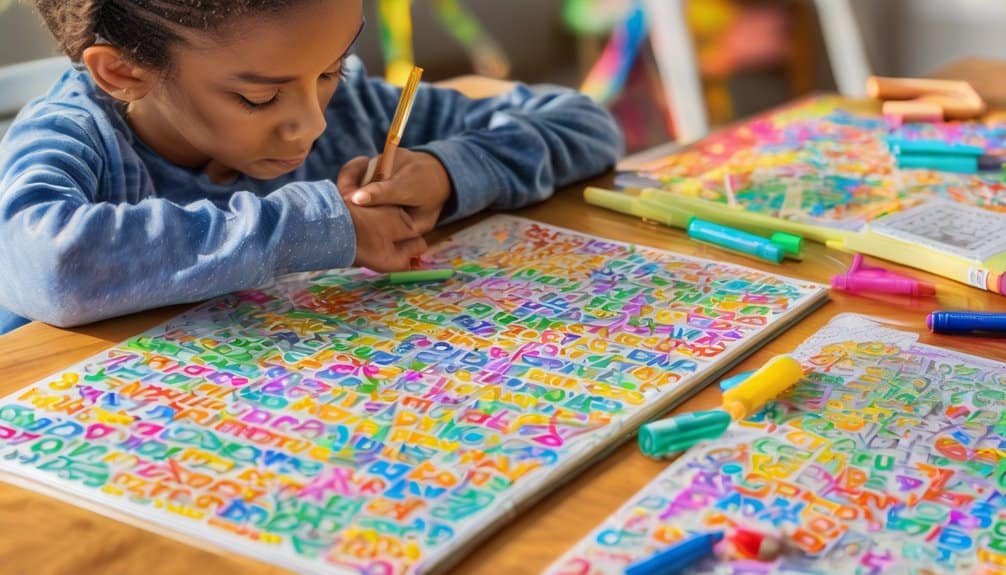
Custom puzzles let you target specific learning goals, making them a powerful tool in your teaching arsenal. When you create custom word search puzzles, you connect with your students in a meaningful way. You can focus on vocabulary, themes, or even specific sounds they need to master.
Here’s a simple guide to get you started:
| Topic | Example Words |
|---|---|
| Phonics | cat, bat, hat |
| Vocabulary | apple, banana, cherry |
| Themes | love, friendship, kindness |
Frequently Asked Questions
Can Word Search Puzzles Be Used for All Age Groups?
Absolutely, word search puzzles can engage all age groups! They stimulate your brain, enhance vocabulary, and provide a fun challenge. You’ll find joy in solving them, no matter your age or skill level. Enjoy!
How Often Should I Use Word Searches for Effective Learning?
Studies show that engaging with puzzles just twice a week can enhance memory retention. So, incorporate word searches into your routine regularly; it’ll make learning feel more enjoyable and help you connect with the material better.
Do Digital Word Searches Offer the Same Benefits as Printed Ones?
Digital word searches can offer similar benefits as printed ones, but you might find the tactile experience of pen and paper more engaging. Explore both methods to see which one resonates with you the most.
What Materials Do I Need to Create a Word Search Puzzle?
To create a word search puzzle, you’ll need paper or a digital platform, a list of words, a grid, and a pencil or software for filling in letters. It’s simple and fun—let your creativity flow!
Are There Any Online Resources for Finding Word Search Puzzles?
Imagine a treasure map leading you to countless word search puzzles. You can explore websites like Education.com or Puzzle-Maker.com, where you’ll uncover a trove of fun and engaging puzzles that’ll spark your curiosity and joy.
Conclusion
Incorporating word search puzzles into your reading strategy is like planting seeds in a garden; with time and care, you’ll watch your vocabulary blossom. These puzzles not only sharpen your spelling and comprehension skills but also cultivate a love for language. By engaging with themed searches and collaborating with others, you’ll find learning can be both fun and rewarding. So grab a pencil, dive in, and let your language skills flourish!