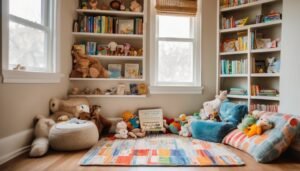
Screen-free activities for toddlers at home can support learning without adding extra stress to the day. Simple choices like blocks, crayons, songs, and sensory bins can build language, motor skills, and focus. A small play space and a few household items can also turn ordinary moments into useful play. The best part is that the right activity often depends on the child, the space, and the time available.
Key Takeaways
- Choose activities that match your toddler’s age, interests, and attention span, and keep sessions short.
- Set up a simple play space with soft flooring, low shelves, baskets, books, and safe art supplies.
- Offer skill-based play like stacking blocks, turning pages, bubbles, crayons, shakers, and marching.
- Try sensory activities with rice, pasta, water, cups, spoons, and different textures for short, guided play.
- Encourage pretend play with props for cooking, shopping, or doctor games, then let your toddler lead.
How to Choose Screen-Free Toddler Activities
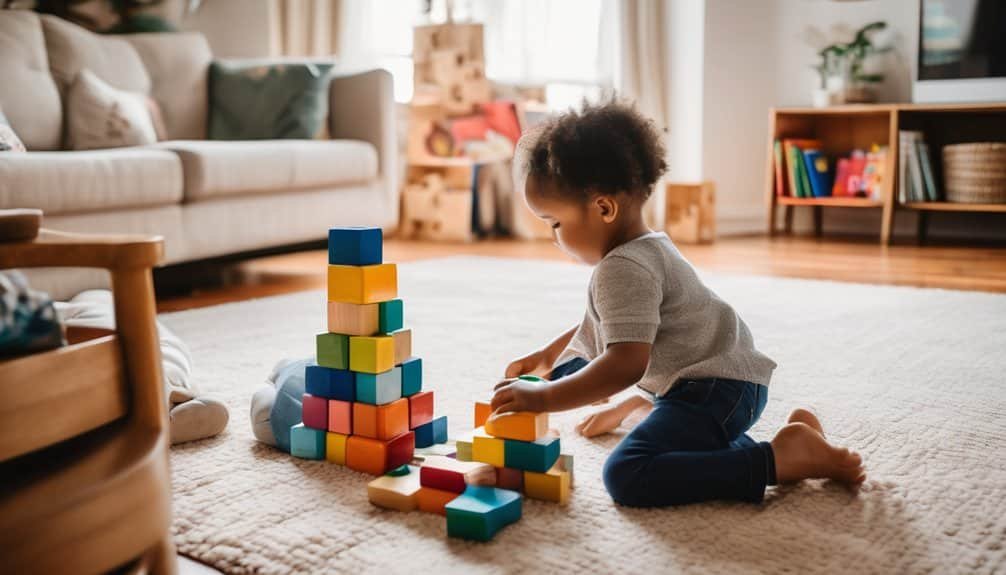
Choosing screen-free toddler activities begins with matching the activity to the child’s age, attention span, and current interests. A suitable choice feels inviting, simple, and safe, with enough challenge to hold attention without causing frustration.
When toddler interests are observed closely, selection becomes easier; a child who loves sorting may enjoy blocks, while one drawn to movement may prefer dancing or tossing soft balls.
Activity duration also matters, since many toddlers engage best in short bursts. Brief play periods can preserve enthusiasm and reduce resistance.
Rotating options throughout the day helps keep experiences fresh while supporting learning, independence, and connection. Caregivers may notice that the best activities are often the ones a toddler returns to willingly, again and again, with comfort and curiosity.
Set Up a Toddler Play Space
A well-prepared toddler play space gives young children a clear place to explore, move, and engage independently. It does not need to be large; a small corner with soft flooring, low shelves, and child-sized seating can feel inviting and safe.
Toddler playroom essentials may include baskets, board books, blocks, simple art supplies, and a few favorite comfort items. Clear labels and open containers support easy access, while creative organization tips help keep materials visible and manageable.
Rotating a limited number of toys can reduce clutter and keep interest fresh. Placing breakable objects out of reach and allowing room for movement encourages freedom within gentle limits. A calm, tidy space often helps toddlers settle into meaningful play more easily.
Simple Screen-Free Activities by Skill
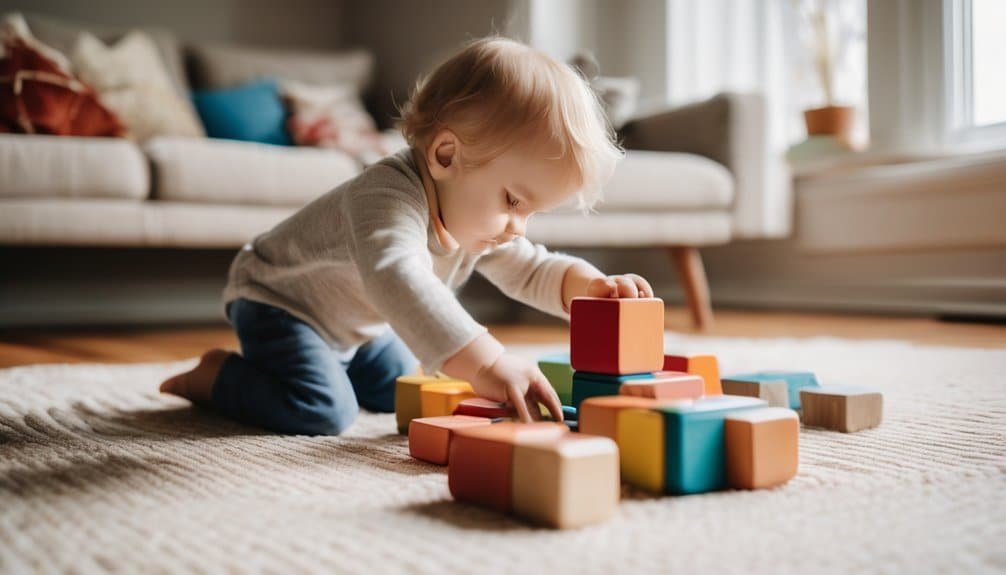
Simple screen-free activities can be grouped by the skills they support, making it easier to offer toddlers play that feels both fun and purposeful.
For fine motor practice, they can stack blocks, turn pages, or place lids on containers.
For language growth, adults may name objects, sing short rhymes, and pause for toddlers to repeat sounds.
For movement, they can chase bubbles, march in place, or carry soft toys from room to room.
Art exploration can include crayons, stickers, and large paper for open-ended marks.
Music play, with shakers, clapping, or simple drums, supports rhythm and listening.
These activities work best when kept short, repeated often, and matched to the child’s energy.
Try Sensory Play at Home
Sensory play can turn everyday items into engaging toddler activities at home. It invites calm focus, gentle curiosity, and cozy shared moments.
Sensory bins give toddlers a safe way to scoop, pour, and sort while building hand strength and concentration. Texture exploration supports language growth as little ones notice soft, rough, smooth, or squishy surfaces.
- Fill a shallow bin with rice, pasta, or water beads for supervised play.
- Add spoons, cups, or small bowls to encourage simple transfer games.
- Rotate textures often so interest stays fresh and learning stays rich.
An adult can stay nearby, name sensations, and follow the toddler’s lead. Short sessions work well, especially when the goal is comfort, discovery, and easy screen-free engagement.
Use Household Items for Play
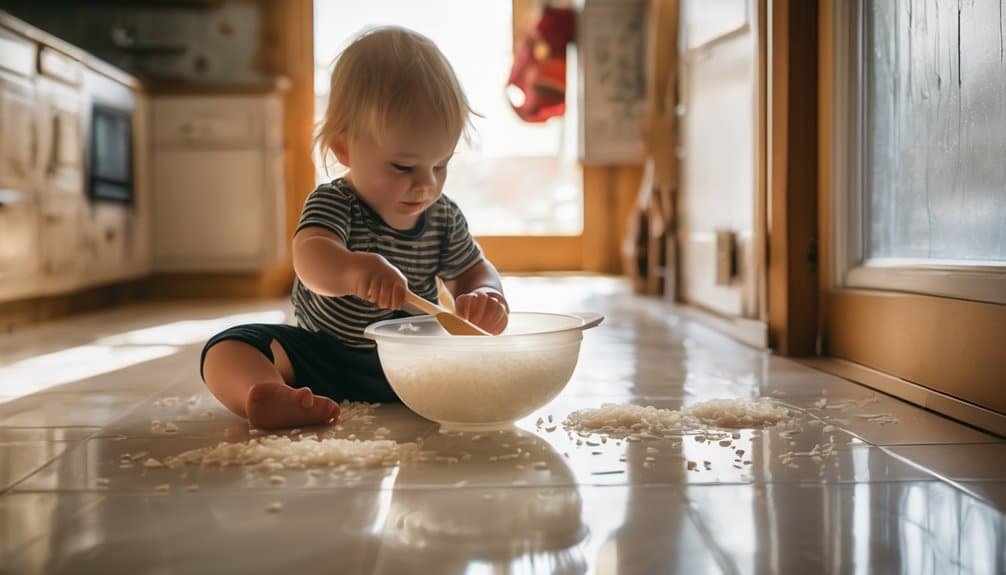
Household items can become easy, low-cost play tools that keep toddlers engaged without a screen. A sturdy box, plastic bowls, wooden spoons, and fabric scraps can invite simple exploration while staying close at hand.
Caregivers may offer safe, clean kitchen treasures such as measuring cups or silicone lids for stacking, nesting, and sorting. Cardboard creations, like tunnels, towers, or picture frames, help strengthen problem-solving and fine motor skills.
Toddlers often enjoy moving objects from one container to another, tapping textures, and opening and closing lids. This kind of play supports curiosity without demanding special supplies.
With quiet supervision, common objects can turn ordinary moments into warm, hands-on learning that feels familiar, comforting, and gently satisfying for both child and caregiver.
Encourage Pretend Play Ideas
Pretend play gives toddlers a way to practice everyday experiences through imagination, language, and movement. It can be gently encouraged with simple props and open-ended prompts that invite imaginative storytelling and role playing games.
A caregiver might notice how a small kitchen set, stuffed animal, or empty box becomes a rich scene when a toddler is given space to lead.
- Offer familiar themes like shopping, cooking, or doctor visits.
- Ask soft questions that extend the story, such as “What happens next?”
- Join briefly, then let the toddler continue independently.
This kind of play supports confidence, empathy, and conversation. It also feels warm and personal, because the child’s ideas are honored as meaningful.
Add Movement to Toddler Play
Movement helps toddlers release energy and build coordination while they play, especially when it is woven into simple, screen-free activities that feel natural and fun.
A gentle toddler dance to music can invite whole-body movement, while movement games like freeze-and-go teach listening and control.
Indoors, obstacle courses made with pillows, tape lines, and chairs can support balance exercises and jumping.
Active storytelling adds motion to familiar tales, letting a child crawl, tiptoe, or flap along with each scene.
Rhythm activities with claps, stomps, and taps strengthen timing and attention.
When possible, outdoor exploration gives toddlers space to run, reach, and notice the world.
A nature scavenger walk can turn movement into discovery, keeping play close, warm, and engaging.
Screen-Free Activities for Busy Days
Busy days still leave room for meaningful screen-free play, even when time is short or routines feel rushed. A toddler may respond well to simple, close-at-hand activities that invite calm focus and connection.
- A basket of crayons, paper, and stickers can support quick art projects that fit neatly between meals or errands.
- A brief nature exploration, such as feeling leaves, watching clouds, or collecting safe pebbles, brings fresh sensory interest without special planning.
- Household tasks can become play, with spoons for sorting, scarves for pretending, or a blanket fort for quiet hiding.
These small choices help a toddler feel seen and engaged. They also reduce pressure on the adult, offering practical moments of warmth, learning, and ease even on demanding days.
Build a Screen-Free Play Routine
A simple screen-free play routine can give a toddler a sense of predictability and ease. Short, repeated blocks of play help little ones know what comes next, which often reduces fussiness and supports smoother transitions.
Toddler schedules do not need to be rigid; they work best when they balance movement, quiet time, and hands-on exploration. A morning stretch, a midmorning puzzle, and an afternoon sensory bin can create a gentle rhythm at home.
Rotating toys and keeping materials visible encourages curiosity without overwhelm. The playtime benefits include stronger attention, more independent play, and more chances to practice sharing, stacking, and pretending.
When routines stay simple and warm, caregivers can offer calm guidance while toddlers feel secure, engaged, and cared for.
Frequently Asked Questions
What Age Is Best to Start Screen-Free Activities?
Screen-free activities can begin from birth, since developmental milestones and sensory exploration start early. Gentle tummy time, grasping toys, and simple songs support growth. As toddlers mature, varied play can deepen learning and connection.
How Do I Keep Toddlers Interested Without Screens?
They can keep toddlers engaged by offering a lantern of outdoor exploration, creative arts, sensory play, and imaginative storytelling. Rotating simple, hands-on choices helps curiosity bloom, while gentle routines provide comfort, intimacy, and steady focus.
What if My Toddler Resists Screen-Free Play?
Resistance is common; toddler motivation often grows with short, predictable routines and gentle choices. Offering creative alternatives, such as sensory bins or pretend play, can ease transitions, support connection, and gradually build interest in screen-free activities.
How Can Siblings Join Screen-Free Activities Together?
About 60% of toddlers engage better with peers when activities are shared, making shared play ideal for sibling bonding. A caregiver can offer simple cooperative tasks, like building, sorting, or pretend cooking, to encourage connection.
How Often Should I Rotate Toddler Activities?
Toddler activities should be rotated every few days or weekly, depending on attention and interest. Gentle activity rotation supports engagement strategies, keeps routines fresh, and helps caregivers notice which experiences feel most comforting and engaging.
Conclusion
In a home filled with little hands and curious pauses, screen-free play offers a gentler path to growth. With simple materials, a safe play space, and a few familiar routines, toddlers can stay happily occupied while building important skills. Busy days may still come and go, but these modest activities help keep them pleasantly engaged and learning along the way. Over time, such small moments often shape confident, creative little explorers.