
Sight word searches engage young learners, reinforce essential skills, and encourage curiosity. They transform learning into an enjoyable experience, making it easier for kids to recognize and remember words. If you’re looking for effective ways to incorporate these activities into your teaching strategy, you’ll find a variety of approaches and tips that can enhance the experience. Discover how simple changes can make sight word searches even more impactful for new readers.
Key Takeaways
- Sight word searches engage young readers, making learning fun while reinforcing word recognition skills.
- Choose exciting themes and relevant sight words to keep children motivated during searches.
- Incorporate visual elements like colorful illustrations to enhance the appeal of the activity.
- Pair sight word searches with storytelling to reinforce context and comprehension.
- Utilize online resources or apps for interactive sight word search activities tailored for new readers.
Benefits of Sight Word Searches

Sight word searches offer a fun and engaging way for young readers to develop their reading skills. These activities help you reinforce word recognition, making reading feel more natural.
As your child discovers words hidden in the puzzle, they’re not just having fun—they’re also building confidence in their reading abilities. Sight word searches can spark curiosity, encouraging kids to explore language further.
Plus, they promote fine motor skills as little fingers trace over letters. You’ll find that these searches can be a wonderful bonding experience, too, as you sit together, sharing smiles and excitement when a word is found.
How to Create Engaging Sight Word Searches
Creating engaging sight word searches can enhance the fun and learning experience for your child. Start by choosing a theme that excites them—like animals, space, or their favorite movie.
Next, select a list of sight words to include, ensuring they’re words your child is currently learning. Design a simple grid, mixing up the letters so it’s a bit of a challenge. You can even add colorful illustrations or stickers to make the search visually appealing.
To keep things lively, set a timer and see how quickly they can find all the words. Celebrate their achievements with praise or a small reward.
Tips for Incorporating Sight Word Searches Into Learning

While incorporating sight word searches into your child’s learning routine, consider blending them with other activities to enhance retention and engagement.
Try pairing a sight word search with a fun storytelling session. As you read together, point out sight words within the text, reinforcing their recognition.
You could also create a cozy corner with cushions and colorful markers, making the search feel like an adventure. Set a timer for quick challenges, turning it into a friendly race to see how many words they can find.
Celebrate their achievements with high-fives or small rewards. This way, you’re not just teaching words; you’re nurturing a love for learning that will stick with them long after the search is over.
Fun Variations on Sight Word Searches
Transforming sight word searches can add excitement to your child’s learning experience. Try these fun variations to keep things fresh and engaging!
| Variation | Description |
|---|---|
| Color-Coded Words | Use colored markers for each word. |
| Themed Searches | Create searches around holidays or seasons. |
| Timer Challenge | Set a timer and see how many words can be found! |
| Hidden Messages | Hide a special message using sight words. |
| Collaborative Fun | Work together to find words, fostering teamwork. |
These variations not only make learning enjoyable but also deepen your child’s understanding of sight words. You’ll both cherish these moments together, turning a simple activity into a memorable adventure!
Resources for Sight Word Search Activities
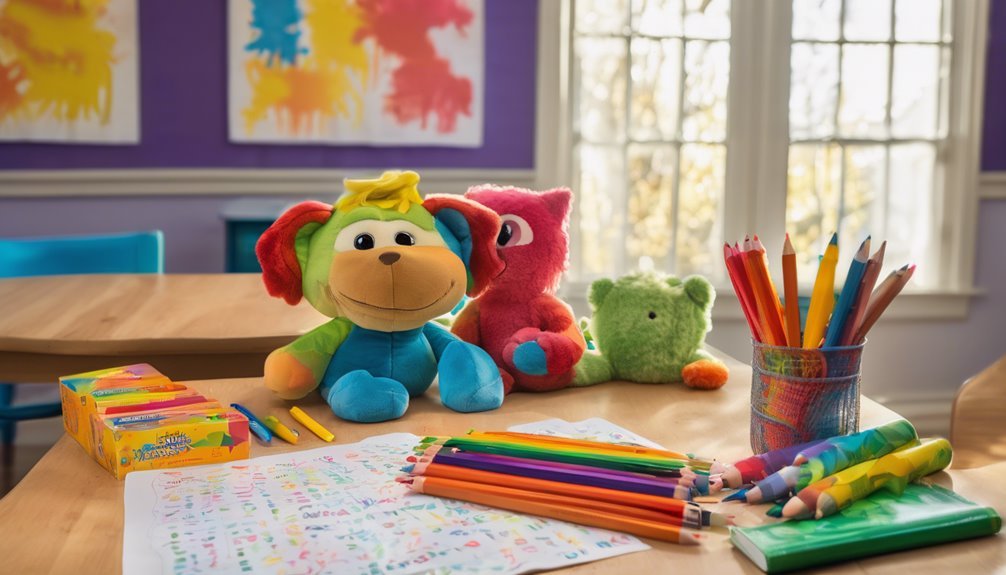
Finding the right resources for sight word search activities can make a significant difference in your child’s learning journey. You’ll want to explore printable worksheets that allow for engaging, hands-on practice.
Websites like Teachers Pay Teachers offer a treasure trove of creative options tailored to different skill levels. Don’t overlook apps designed for young learners; they often turn sight word practice into an interactive game.
You can also create your own searches using simple word lists, making it personal and relevant. Incorporating everyday themes like seasons or favorite characters can spark your child’s interest.
With these resources, you’ll not only enhance their reading skills but also create cherished memories together as you explore the world of words.
Frequently Asked Questions
What Age Group Is Best Suited for Sight Word Searches?
For young children, typically ages 4 to 7, sight word searches work best. At this age, you’ll see their excitement grow as they discover words, building a strong foundation for their reading journey together.
How Long Should a Sight Word Search Activity Last?
Think of a blooming flower—activities should flourish too! Aim for 10 to 15 minutes during a sight word search. You’ll keep your focus sharp and your excitement alive, making learning a joyful experience together.
Can Sight Word Searches Be Done Online?
Absolutely, you can do sight word searches online! It’s a fun way to engage with words, and you’ll find plenty of interactive tools and games that make learning enjoyable and effective for you and your learners.
Are There Any Printable Templates Available for Sight Word Searches?
Absolutely! You can find various printable templates online that cater to different skill levels. Just search for “printable sight word search templates,” and you’ll discover a treasure trove of resources to support your learning journey.
How Can Parents Support Their Children During Sight Word Searches?
You can support your child by sitting with them, encouraging their efforts, and celebrating small victories. Offer gentle guidance and share in their excitement as they discover new words together, making learning a joyful experience.
Conclusion
Incorporating sight word searches into your child’s reading routine can ignite their passion for learning, boost their confidence in word recognition, and enhance their fine motor skills. By creating engaging activities, fostering creativity, and encouraging exploration, you transform reading into an exciting journey. So, whether you’re crafting themed searches or integrating storytelling challenges, remember that each hidden word discovered is a step towards a brighter reading future. Embrace the adventure—together, you can make reading a joyful experience!