
Simple science activities for preschool kids can turn everyday moments into small discoveries. A cup of water, a few drops of color, or a magnet on a table may lead to questions and new observations. These simple experiences help young children explore, compare, and wonder in a way that feels natural. With a few basic materials, the ideas become easy to try and even easier to build on.
Key Takeaways
- Try magnet exploration with different household objects to see what sticks, moves, or stays apart.
- Plant seeds in soil or damp paper and observe roots, stems, and leaves growing over time.
- Use water play to pour, stir, splash, and test which objects float or sink.
- Mix primary colors with paint or tinted water to create new colors and explore color wheels.
- Use everyday materials for simple sorting, building, and science discovery activities.
Simple Science Activities for Preschool Kids
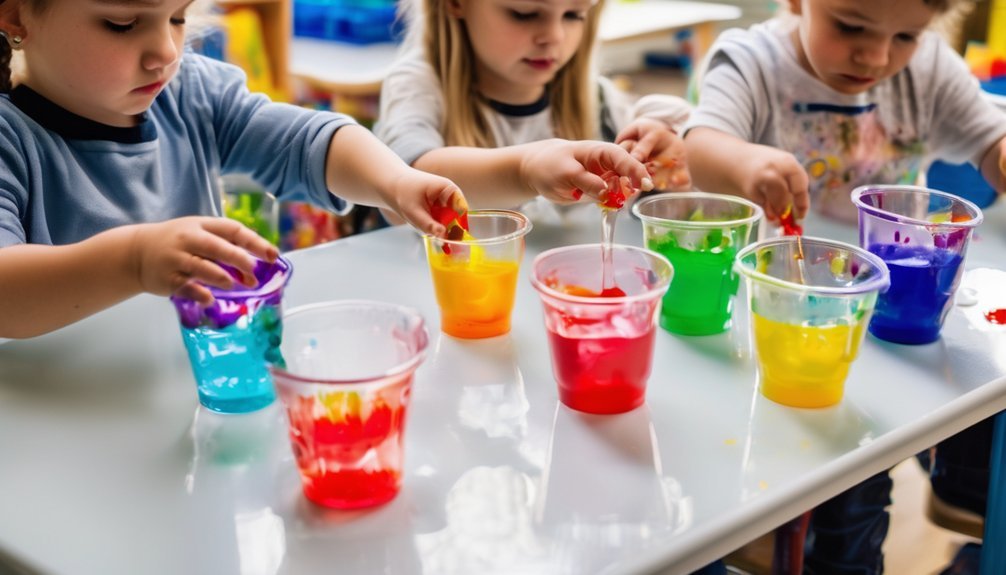
Simple science activities can spark a preschool child’s curiosity in a fun and approachable way. Through gentle invitations to look, touch, and compare, a young child begins to notice patterns and ask small questions.
Magnet exploration can feel almost magical as objects move, stick, or stay apart, helping the child see that some materials behave differently.
Plant growth offers another tender lesson, especially when a seed is placed in soil and watched over days. The child may notice a stem reaching upward, leaves unfolding, and roots finding support.
These simple moments build confidence and wonder. With patient guidance, science becomes a warm part of daily play, giving the child a sense of discovery that feels close, safe, and deeply rewarding.
Easy Water Science Activities
Water can become one of the easiest and most engaging science materials for preschool children. Gentle water play can invite curious hands to pour, stir, splash, and observe. A bowl of water, spoons, cups, stones, and corks can support simple discovery.
During buoyancy exploration, a child can notice which objects float and which sink, building early understanding through touch and surprise. A clear jar with sand, gravel, and cloth can show water filtration in a calm, visual way.
These moments do not need to be large or complicated. They only need careful supervision, a few household items, and time to wonder. With warm encouragement, children can feel proud of each small discovery and grow comfortable asking what happens next.
Color Mixing Experiments for Preschoolers
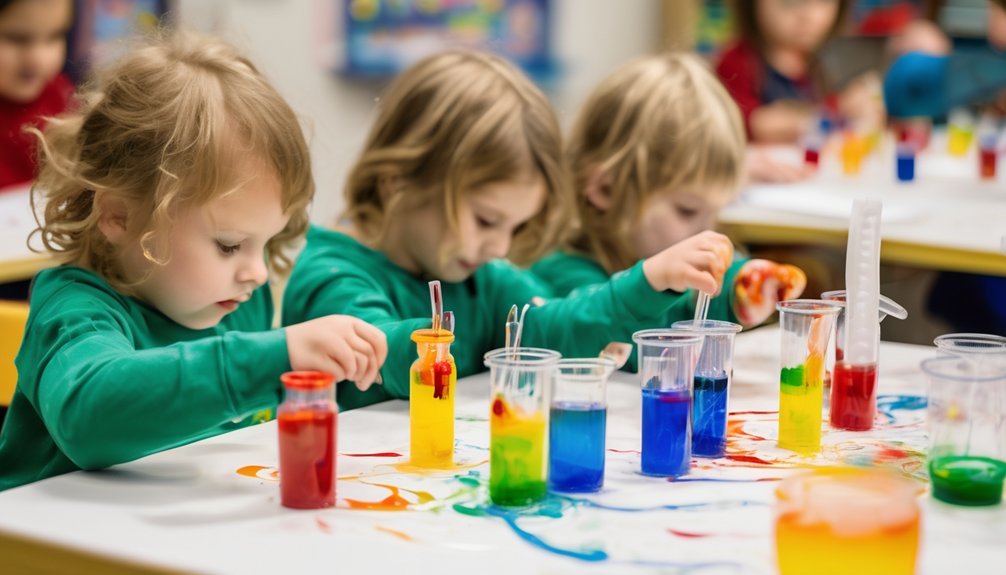
Colors can turn a preschool science activity into a bright moment of discovery, especially when children can watch one shade change into another right before their eyes. Simple cups of paint or tinted water invite visual exploration and sensory play.
| Mix | Result |
|---|---|
| Red + Yellow | Orange |
| Blue + Yellow | Green |
| Red + Blue | Purple |
| Color wheel | Primary colors guide |
This hands on learning helps little ones notice how primary colors combine to make secondary colors. A grown-up can point to a color wheel, then let children guess, stir, and compare. The experience stays gentle, cheerful, and close to home, giving each child a quiet chance to explore, notice, and feel proud of each colorful discovery.
Sink-Or-Float Activities for Kids
A small tub of water can turn into a lively science station when preschool children begin testing which objects sink and which ones float. A caregiver can gather spoons, corks, toy animals, and leaves, then invite each child to make a gentle guess before dropping an item in.
The simple surprise of watching something disappear or stay on top helps young minds notice differences in weight and shape. Warm talk about why an object moves one way or another keeps the moment calm and inviting.
Later, a child may notice floating balloons in balloon rockets or watch ice melting during another activity, linking new ideas together. With patient guidance, this playful water study builds curiosity, observation, and confidence in a very friendly way.
Science Activities With Everyday Materials
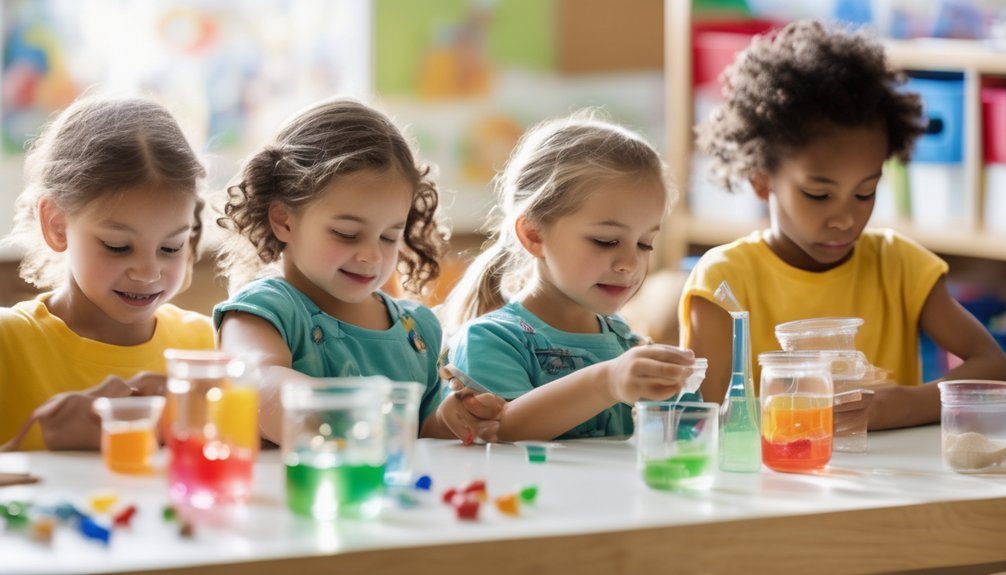
Simple science can continue with items found right at home, giving preschool children many chances to explore and ask questions. Cups, spoons, paper, water, buttons, and boxes can turn into gentle lessons.
A child may sort objects, build towers, or compare what bends, rolls, or sticks together. Magnet exploration invites children to test which household items are pulled by a magnet, helping them notice patterns with joy.
Seeds in a damp paper towel or a clear cup of soil can support simple plant growth наблюations and patience. Each small activity feels inviting and safe.
With steady guidance, everyday materials become meaningful tools for wonder, confidence, and early discovery.
Frequently Asked Questions
What Safety Precautions Are Needed for Preschool Science Activities?
Safety precautions include close adult supervision, age appropriate materials, and clear hazard awareness. Small parts, chemicals, heat, and water should be kept away. Hands should be washed, and activities should stay simple and gentle.
How Long Should Each Science Activity Take for Preschoolers?
About 5 to 10 minutes is ideal; preschoolers’ attention span is short. Keeping activity duration brief helps little learners stay engaged, curious, and smiling, with enough time to finish before excitement turns to distraction.
What Adult Supervision Is Recommended During These Experiments?
Adult supervision should be close and attentive, with supervised exploration and hands on guidance throughout. An adult can help prepare materials, watch for safety, and offer gentle support, keeping the experience warm, simple, and encouraging.
How Can I Adapt Activities for Different Learning Levels?
Activities can be adapted by simplifying steps, offering varied materials, and adding challenge choices. Through hands on exploration and sensory experiences, each child can engage at a comfortable pace, feeling supported, curious, and included.
What Cleanup Tips Make These Activities Easier for Parents?
Quick Tips for Mess Management show that preparation saves time: cover surfaces, use trays, keep wipes nearby, and sort supplies before starting. A calm cleanup routine helps parents feel closer, and children learn responsibility.
Conclusion
In simple science activities for preschool kids, small moments of discovery can create lasting curiosity. Water play, color mixing, sink-or-float experiments, and everyday material challenges help young children learn by touching, testing, and wondering. One interesting statistic is that children often remember more when they learn through hands-on play, which supports early learning in powerful ways. With gentle guidance, these easy activities can make science feel joyful, familiar, and full of possibility.