If you’ve been looking for innovative ways to engage kids in writing, puzzle books might be your answer. These interactive tools can turn the writing process into an exciting adventure. By blending puzzles with writing exercises, you can spark creativity while helping kids develop essential skills. But how exactly do these books make the writing experience more enjoyable and effective? Let’s explore the different ways puzzle books can transform writing education.
Key Takeaways
- Puzzle books spark creativity, encouraging kids to express ideas in innovative ways while engaging with writing.
- Story-based puzzles motivate children to craft narratives, enhancing their writing skills through interactive challenges.
- Word searches promote vocabulary building by discovering new terms, reinforcing spelling, and inspiring sentence creation.
- Crosswords develop critical thinking skills, fostering problem-solving abilities and encouraging logical reasoning through clue analysis.
- Regularly incorporating puzzle books into writing practice makes learning enjoyable, transforming it into a fun adventure for kids.
The Benefits of Using Puzzle Books in Writing Education
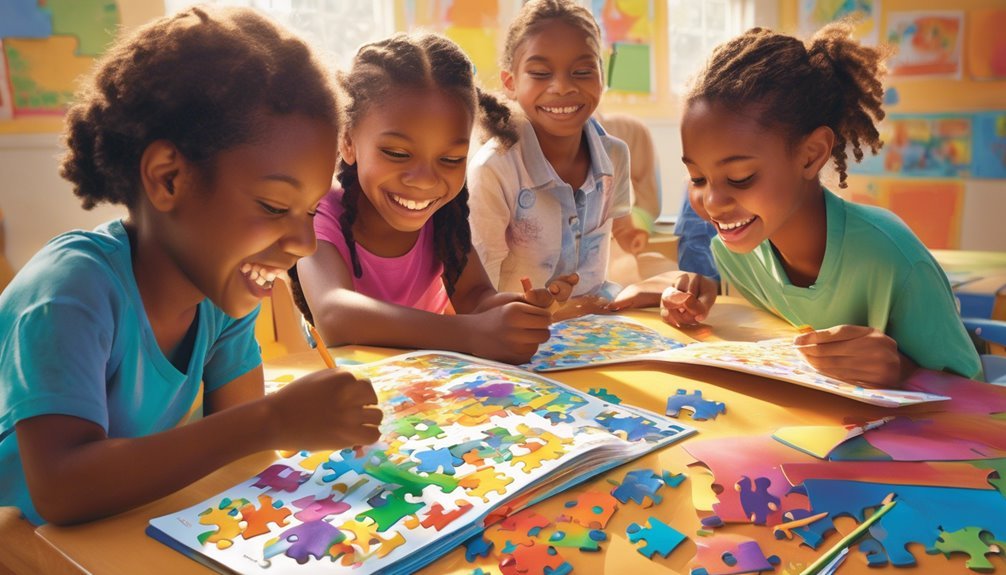
While you might think of puzzle books as mere fun and games, they actually offer valuable benefits in writing education. These engaging tools spark creativity, helping you discover new ways to express ideas. As you tackle word searches, crossword puzzles, or cryptograms, you’re not just having fun; you’re enhancing vocabulary and improving spelling skills in a playful environment.
Furthermore, puzzles can boost critical thinking, encouraging you to analyze clues and make connections. This process translates beautifully into writing, as you learn to structure thoughts and develop narratives.
Engaging Kids Through Interactive Puzzles
Puzzle books not only enhance writing skills but also serve as a gateway to even more interactive learning experiences.
When you introduce engaging puzzles, you spark kids’ curiosity and keep them motivated. These activities can transform writing practice into a fun adventure, making it easier for your little ones to express themselves.
- Story-based puzzles: Let kids craft stories based on puzzle themes.
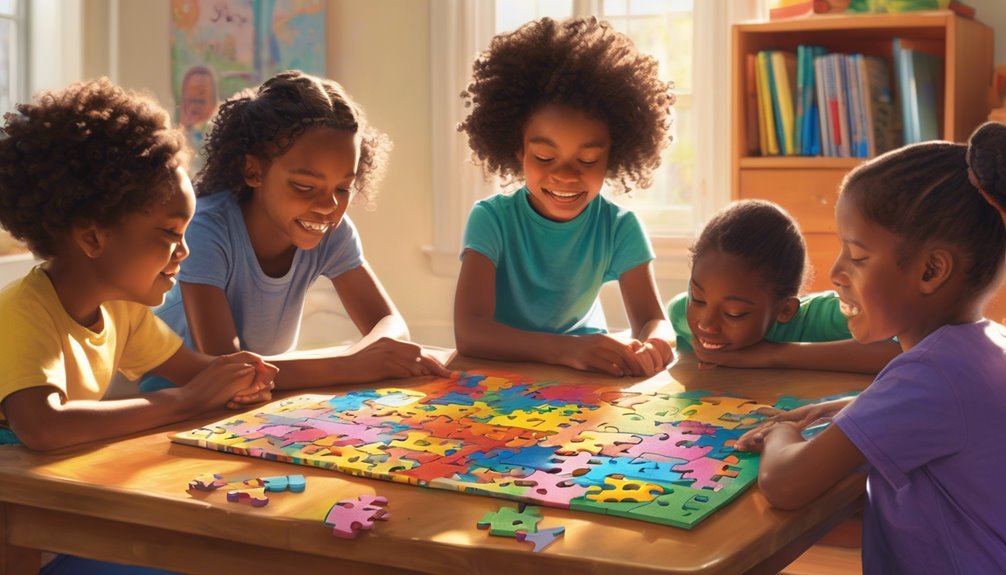
- Collaborative challenges: Work together on puzzles to strengthen teamwork and communication.
- Creative prompts: Use puzzle clues as inspiration for writing exercises that ignite their imagination.
Enhancing Vocabulary With Word Searches
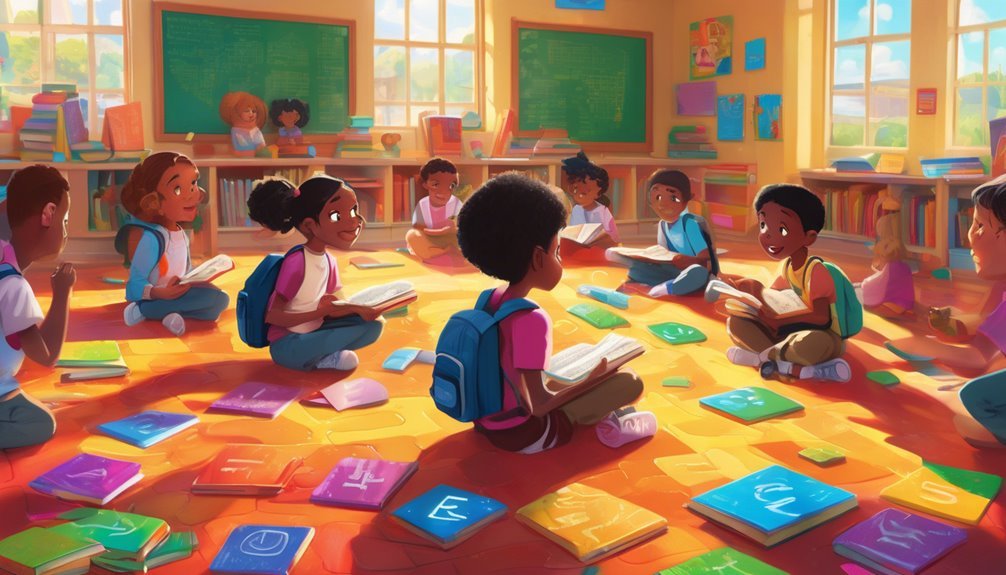
Word searches are a fun and effective way to enhance your child’s vocabulary. As they search for hidden words, they’re not just playing; they’re engaging with language in a meaningful way. You can choose themes that align with their interests, making the experience even more enjoyable.
Each word they find introduces them to new terms and reinforces their spelling skills. To make it special, sit down together and celebrate their discoveries. Ask them to use the words in sentences or stories afterward, deepening their understanding.
You’ll be amazed at how this playful activity sparks curiosity and excitement about language. Incorporating word searches into your routine can transform vocabulary building into a delightful adventure for both of you.

Developing Critical Thinking Skills With Crosswords
Crosswords can be a fantastic way to boost your child’s critical thinking skills. As they engage with clues and fill in the blanks, they’re not just solving puzzles; they’re learning to think analytically.
Here’s how crosswords can help:
- Enhance problem-solving abilities: Your child learns to break down clues and think creatively about answers.
- Encourage logical reasoning: They develop skills to deduce answers from given information, honing their thought processes.
- Foster a love for learning: Crosswords can spark curiosity, leading to exploration of new words and concepts.
Combining Writing Exercises With Puzzle Activities
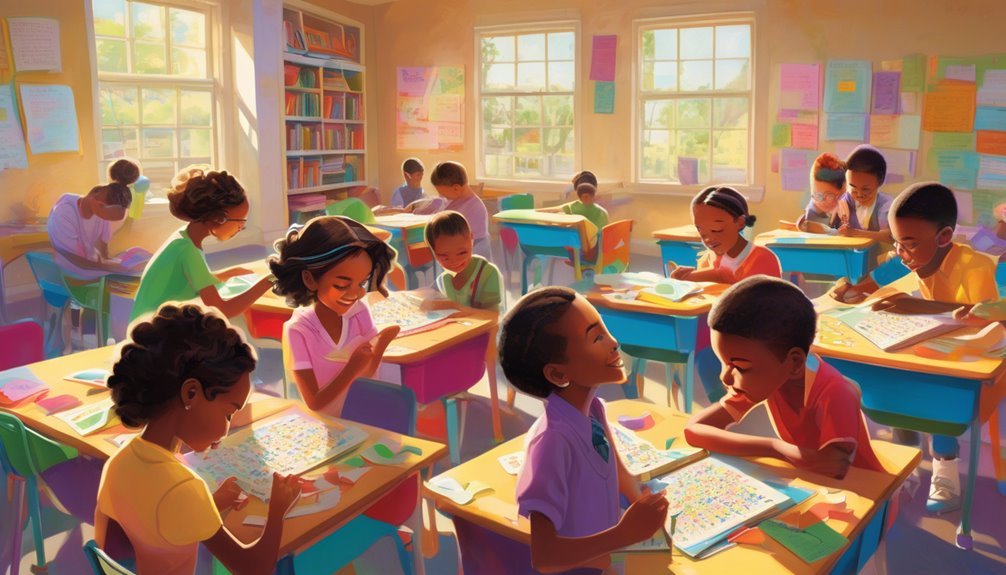
Engaging kids in puzzles opens up exciting opportunities to enhance their writing skills. By combining writing exercises with puzzle activities, you create a dynamic learning experience.
For instance, have your child write a short story based on clues from a word search or create a crossword that features vocabulary words they’ve recently learned. This approach not only sparks creativity but also reinforces their understanding of language.
As they brainstorm and structure sentences, they’ll feel a sense of accomplishment with each completed puzzle. Plus, it’s a great way to make writing feel less daunting and more like a fun game.
Creating a Fun Learning Environment
A fun learning environment can make all the difference in how kids approach writing. When they feel engaged and excited, their creativity flourishes.
You can foster this atmosphere by incorporating elements that spark joy and curiosity. Here are a few ideas to get started:
- Create cozy reading nooks with colorful cushions and soft lighting.
- Use interactive writing prompts that connect to their interests, like superheroes or animals.
- Encourage collaboration by having kids share their work with peers, promoting a sense of community.
Tips for Parents and Educators
While writing can sometimes feel daunting for kids, parents and educators can play a crucial role in making it enjoyable and accessible. Here are some simple tips to guide you:
| Tip | Description |
|---|---|
| Encourage Exploration | Let kids explore different styles. |
| Use Puzzle Books | Make writing fun with engaging puzzles. |
| Set Realistic Goals | Start small, like daily journaling. |
| Celebrate Efforts | Praise their creativity, not just accuracy. |
| Create a Routine | Establish a regular writing time. |
Success Stories: Kids Who Thrived With Puzzle Books
Puzzle books have become a powerful tool for sparking creativity in young writers. Many kids discover new ways to express themselves through the fun and engaging challenges these books provide.
You might find it heartwarming to hear how these little puzzles have transformed the lives of many children:
- A shy girl crafted her first short story after solving a word search about her favorite animals.
- A boy who struggled with writing gained confidence by completing crossword puzzles, leading him to write his own adventure tales.
- A group of friends bonded over a scavenger hunt, inspiring them to create a collaborative story together.
These stories remind us that creativity can flourish in unexpected ways, especially when kids have the right tools at their fingertips.
Frequently Asked Questions
What Age Group Is Best Suited for Puzzle Books?
Puzzle books are best suited for kids aged 5 to 10. At this age, their cognitive skills and creativity flourish, making it easier for you to engage them with fun challenges and stimulating activities.
Can Puzzle Books Be Used for Special Needs Children?
Absolutely! For instance, you might find a child with autism thriving while solving puzzles that incorporate colors and shapes. These engaging activities can boost their cognitive skills and make learning enjoyable, fostering both creativity and confidence.
How Do I Choose the Right Puzzle Book for My Child?
Choosing the right puzzle book for your child involves considering their interests, age, and skill level. Look for engaging themes, varying difficulty, and interactive formats. Trust your instincts—pick one that sparks joy and curiosity!
Are There Digital Puzzle Book Options Available?
Yes, there are plenty of digital puzzle book options available! You can find interactive apps and websites offering engaging puzzles that your child can easily access and enjoy on tablets or computers.
How Often Should Kids Practice Writing With Puzzle Books?
You should encourage kids to practice writing with puzzle books several times a week. Consistency helps build their skills, making it more fun and engaging. Just a little bit each day can make a big difference!
Conclusion
Incorporating puzzle books into writing education isn’t just a clever trick; it’s a key to unlocking your child’s imagination. By blending fun with learning, you’re not only enhancing their vocabulary and critical thinking skills but also creating an environment where writing becomes a thrilling adventure. So, why not turn the page on traditional methods? Embrace the joy of puzzle-based writing, and watch your child transform into a confident storyteller, eager to share their unique voice with the world.