
Imagine the gentle morning sunlight filtering through your window, casting a warm glow as you cradle your newborn. You're embarking on a transformative journey, not just in motherhood but in reclaiming your health. Postpartum detox plans can be a beacon on this path, designed to replenish and revitalize your body after childbirth. They focus on foods that heal and habits that restore. But how do you navigate the myriad of options and find the right one for your unique needs? Let's explore some key components that could make a significant difference in your postpartum recovery journey.
Key Takeaways
- Incorporate antioxidant-rich foods such as berries, leafy greens, and nuts to combat oxidative stress and promote healing.
- Include detoxifying superfoods like spirulina and chia seeds in daily meals to enhance the body's natural cleansing processes.
- Drink herbal teas like milk thistle for liver detoxification and ginger tea for improved digestion.
- Opt for organic or all-natural products to minimize exposure to harmful chemicals and toxins.
- Ensure adequate hydration by consuming at least eight 8-ounce glasses of fluids daily, supplemented with hydrating foods and coconut water.
Understanding Postpartum Detox Needs
After giving birth, it's crucial to recognize the unique detox needs your body may have during the postpartum period. A holistic approach focusing on nutrient-rich foods can significantly aid in your postpartum recovery and help restore hormonal balance.
Your body has undergone significant changes and stress, and it's essential to support it through nourishing dietary choices. Foods rich in antioxidants, such as berries, leafy greens, and nuts, are vital. They help combat oxidative stress and facilitate the healing process.
Additionally, including foods high in fiber assists in eliminating toxins naturally through digestion.
Balancing your hormones is also key to a successful postpartum detox. Foods such as flax seeds, which are high in phytoestrogens, can help stabilize estrogen levels, while fatty fish rich in omega-3 fatty acids supports your thyroid function—a crucial gland in hormone regulation.
Importance of Hydration
Maintaining adequate hydration is essential for postpartum recovery and overall health. After childbirth, your body requires significant fluids to replenish what was lost and to aid in the healing process. Hydration supports essential bodily functions, including nutrient transportation and waste removal, which are crucial during your postpartum period.
Hydration isn't just about drinking water; it's also about choosing the right hydration sources. Incorporate hydrating foods like cucumbers, strawberries, and lettuce, which offer both nutrients and additional fluids. Herbal teas and coconut water are excellent alternatives that provide hydration with added health benefits.
Here are some hydration tips to ensure you're effectively meeting your body's needs:
Aim to consume at least eight 8-ounce glasses of fluids daily, more if you're breastfeeding. Keep a water bottle handy throughout the day as a reminder to drink regularly. If you're finding it hard to keep up with your water intake, set reminders on your phone or use a marked water bottle that shows how much you've drunk throughout the day.
Nutrient-Rich Smoothie Cleanses
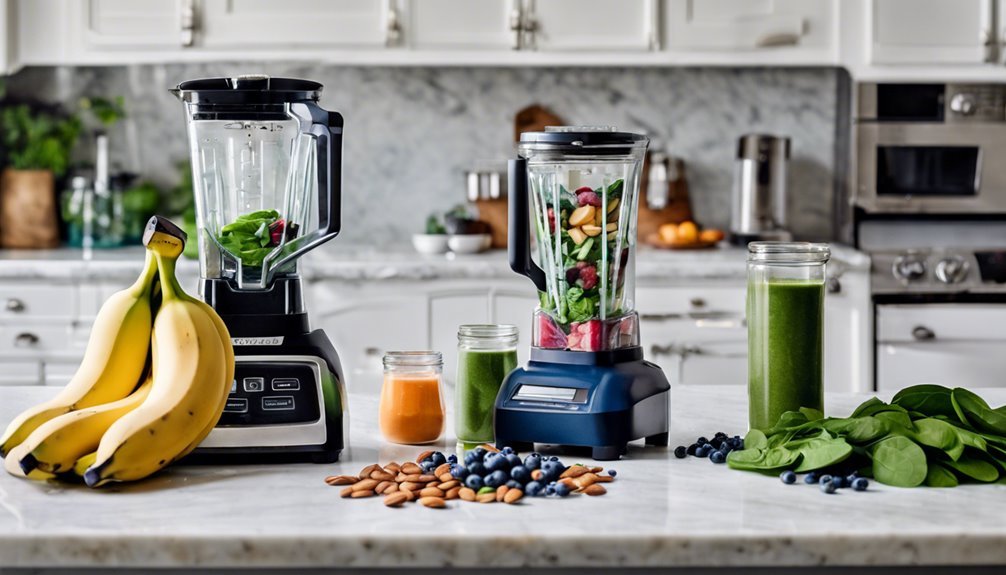
Boost your postpartum recovery with nutrient-rich smoothie cleanses that pack a powerful punch of essential vitamins and minerals. Smoothie recipes tailored for postpartum moms can help replenish your body, support vital functions, and promote healing. When you're nurturing a newborn, it's crucial to nourish yourself efficiently.
Understanding nutrient timing is key. Consuming smoothies at the right times can enhance nutrient absorption and energy levels throughout the day. Here are some prime times to enjoy these smoothies:
- Breakfast: Kickstart your metabolism with a smoothie rich in iron and vitamin C to enhance iron absorption.
- Post-workout: A protein-packed smoothie aids in muscle recovery and replenishes energy stores.
- Evening: Choose a smoothie with magnesium to promote relaxation and better sleep.
Incorporate ingredients like spinach for iron, Greek yogurt for protein, and berries for antioxidants. These components ensure you're not just detoxing but deeply nourishing your body.
Herbal Tea Benefits
While smoothie cleanses provide a robust start to your day and replenish your body post-workout, incorporating herbal teas can further enhance your postpartum recovery. Herbal tea varieties offer a spectrum of benefits, each bringing unique healing properties that are essential during the recovery phase.
For instance, ginger tea can soothe digestion and reduce nausea, while chamomile aids in sleep and stress reduction.
You'll find that specific detox tea recipes are designed to support liver function and promote the elimination of toxins. Milk thistle tea, for example, is renowned for its liver-protective qualities. It's packed with antioxidants that encourage liver detoxification, crucial for cleansing the residual effects of medication from childbirth.
Nettle tea is another powerhouse, rich in iron and supportive in replenishing your body's energy levels.
When choosing herbal teas, opt for organic to avoid pesticides and chemicals that can counteract your detox goals. Brew your tea with care, allowing it to steep long enough to release its full potential but not so long that it becomes bitter.
Sipping on these teas throughout your day not only hydrates but also fills your system with necessary nutrients, aiding in a more holistic and gentle recovery.
Gentle Yoga for Detoxification

Transitioning from herbal teas to physical activity, gentle yoga emerges as a powerful tool in your postpartum detox plan. Incorporating yoga into your routine can significantly aid in your recovery and overall well-being.
Gentle yoga focuses on slow movements and breathing techniques, which are perfect for your healing body. Practicing specific yoga poses can enhance circulation and digestion, key components in eliminating toxins from your body.
The emphasis on deep breathing helps increase oxygen flow, boosting your energy and supporting the body's natural detoxification processes. Here are three beneficial poses:
- Cat-Cow Pose: Enhances spinal flexibility and abdominal toning.
- Seated Twist: Stimulates digestive organs, promoting more efficient waste removal.
- Legs-Up-The-Wall Pose: Relieves tired legs and improves lymphatic drainage.
High Fiber Foods Plan
After exploring the benefits of gentle yoga for detoxification, let's focus on the role of diet, specifically how incorporating high fiber foods can support your postpartum recovery.

A fiber-rich diet not only aids in digestion but also helps stabilize blood sugar levels and improve heart health, crucial for managing your energy as a new mom.
Increasing your fiber intake is straightforward and beneficial. Foods like oats, lentils, apples, and chia seeds are packed with fiber and can be easily incorporated into your daily meals.
Start your day with a bowl of oatmeal topped with sliced apple and a sprinkle of chia seeds—a simple, nutritious choice that sets a positive tone for healthy eating throughout the day.
To further enhance your diet, consider fiber-rich recipes that are both delicious and nourishing.
A quinoa and black bean salad, for instance, can serve as a fulfilling lunch and provide a substantial amount of fiber.
Such meals not only support your digestive system but also contribute to your overall well-being by providing a balanced spectrum of nutrients.
Protein Essentials for Recovery

Protein is essential for your recovery as a postpartum mom, helping to repair tissues and build strength. After childbirth, your body needs adequate protein to heal and return to its pre-pregnancy state. This is especially true if you're breastfeeding, as protein supports not only your recovery but also the nutritional needs of your baby.
Integrating high-quality protein sources into your meals can significantly enhance your recovery process. It's not just about quantity but also the quality and timing of protein intake that matters.
Here are some optimal protein sources to consider:
- Lean meats: such as chicken or turkey, provide high-quality protein that's easily absorbed.
- Legumes: including lentils and chickpeas, aren't only rich in protein but also fiber, supporting digestive health.
- Fish: offers omega-3 fatty acids which are crucial for both your and your baby's brain development.
For effective recovery timing, aim to include a protein source in every meal and snack. This consistent intake helps maintain your energy levels and supports tissue repair throughout the day.
Organic Juice Cleanse Options
Exploring organic juice cleanse options can be a revitalizing step for postpartum moms seeking to cleanse their bodies and boost overall wellness. By choosing cold pressed juices made with organic ingredients, you're ensuring that your body receives the highest quality nutrients without the added chemicals found in conventional produce. Cold pressed juices preserve more vitamins, enzymes, and minerals, supporting your body's natural healing processes.
Opting for a variety of juices that include greens, roots, and fruits can help cover a wide spectrum of nutrients. Ingredients like kale, beetroot, and blueberries aren't only packed with essential vitamins but also help in combating inflammation and aiding the body's detoxification pathways.
It's crucial to ensure that you're consuming enough calories and nutrients to support your health, especially in the postpartum period. Incorporating these juices into your diet for a limited time can provide a gentle, nourishing way to reset your system.
However, it's important to pair your juice cleanse with a balanced diet to maintain energy levels and nutritional intake. Always consult with a healthcare provider before starting any new dietary regimen, particularly when you're in a sensitive phase like postpartum.
Incorporating Probiotics

Incorporating probiotics into your diet as a postpartum mom can complement the benefits gained from an organic juice cleanse. By integrating probiotic-rich foods, you're not only enhancing your gut health but also supporting your overall well-being during this delicate recovery period.
Probiotics are beneficial bacteria that can help balance your gut flora, which is crucial after the physiological stresses of childbirth. The gut health benefits are substantial, ranging from improved digestion to enhanced immune function. This is particularly vital as your body recuperates and you adapt to the demands of motherhood.
To effectively incorporate these beneficial bacteria, consider these probiotic-rich foods:
- Yogurt: Look for labels that mention "live and active cultures."
- Kefir: A fermented milk drink that's a potent source of diverse probiotics.
- Sauerkraut: Opt for unpasteurized versions to ensure it contains live bacteria.
Incorporating these foods into your meals can be simple. Add a dollop of yogurt to your breakfast, drink kefir as a snack, or toss some sauerkraut into your salads or sandwiches.
You're not just eating for yourself—you're nurturing your body to better care for your new baby with every beneficial bite.
Avoiding Harmful Substances
Often, postpartum moms are inundated with advice on what to eat, but it's equally crucial to consider what substances to avoid to ensure both your health and your baby's well-being. Minimizing toxic exposure can significantly enhance your postpartum recovery and support your infant's development.
You should be vigilant about avoiding chemical ingredients in everyday products. Pay close attention to labels on cleaning agents, beauty products, and even your food packaging. These can often contain harmful substances that you might unknowingly ingest or absorb.
Opt for products labeled 'organic' or 'all-natural' as these are less likely to contain harsh chemicals.
Additionally, consider the quality of your water supply. Contaminants often found in tap water can be a hidden source of chemical exposure. Investing in a high-quality water filter can be a wise decision to significantly reduce this risk.
Detoxifying Superfoods
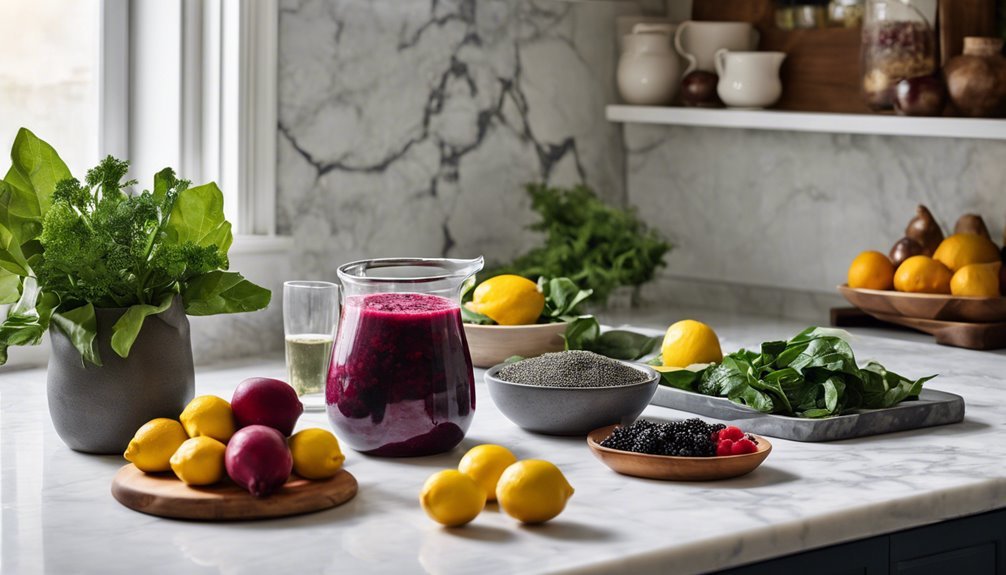
While you focus on avoiding harmful substances, adding detoxifying superfoods to your diet can significantly aid your body's natural cleansing processes. For a postpartum mom, your body has undergone significant changes and now is the ideal time to support recovery with nutrient-rich superfoods.
One excellent choice is spirulina, a blue-green algae packed with nutrients. The spirulina benefits are vast; it's high in protein, vitamins B and E, and iron, which are crucial for energy and overall health. It also contains chlorophyll, which helps remove toxins from the blood and boosts the immune system.
Another great addition is chia seeds. These tiny seeds are a powerhouse of omega-3 fatty acids, fiber, and antioxidants. Including chia seeds in your diet can help cleanse the digestive system, promote heart health, and maintain energy levels.
Here's why these superfoods are essential for detox:
- Spirulina: Enhances the body's ability to flush out toxins while replenishing essential nutrients.
- Chia Seeds: Facilitate digestive health and provide sustained energy.
- Antioxidants: Protect cells from damage and support liver function, the body's main detox organ.
Incorporating these foods can make a notable difference in your postpartum recovery and overall well-being.
Maintaining a Balanced Diet
After integrating superfoods into your postpartum diet, maintaining a balanced diet becomes essential for sustaining your health and well-being. You'll need to focus on meal prepping and mindful eating to ensure you're getting the nutrients your body requires during this recovery phase.
Meal prepping isn't just about saving time; it's about ensuring that you have healthy, balanced meals ready when your energy might be lacking. Here's a quick guide to balancing your plates with the right nutrients:
| Food Group | Examples | Benefits |
|---|---|---|
| Protein | Chicken, tofu, legumes | Supports tissue repair |
| Carbohydrates | Quinoa, sweet potatoes | Energizes your body |
| Fats | Avocado, nuts, seeds | Fuels and fills you up |
Mindful eating involves being present while you eat, savoring each bite, and listening to your body's hunger and fullness cues. This practice can help you maintain a healthy relationship with food and avoid overeating.
Frequently Asked Questions
Can Detox Plans Affect Breast Milk Production or Quality?
Detox plans can indeed impact your breast milk production and its composition.
It's crucial to choose a detox that's nutrient-rich and supports your body holistically. Avoiding harsh or restrictive detoxes is key, as these can deplete essential nutrients, affecting both you and your baby's health.
Opt for gentle, evidence-based cleanses that nurture your body, ensuring you continue to serve and nourish your baby effectively while maintaining your own health.
How Soon After Delivery Can I Start a Detox Plan?
You're eager to reclaim your wellness, but it's crucial to pace yourself.
Starting a postpartum detox too soon can be risky. Generally, it's safe to begin a gentle, nutrient-focused detox plan at least six weeks after delivery, once your doctor gives the green light.
This ensures your body recovers adequately and you continue to provide safe, nutritious breast milk if you're nursing.
Embrace this time to heal holistically, prioritizing your health and the new life you're nurturing.
Are There Any Detox Methods to Avoid While Breastfeeding?
You should avoid certain detox methods while breastfeeding, particularly herbal supplements and fasting methods.
These can reduce your nutrient supply and potentially harm your baby's development.
Focus on a nutrient-rich, balanced diet instead. This approach ensures you both receive essential vitamins and minerals, supporting your body holistically and safely.
Can I Detox While on Medication for Postpartum Recovery?
You can detox while on postpartum medications, but you've got to tread carefully.
Detox safety is paramount; medication interactions can complicate your recovery. Always consult with your healthcare provider before starting any detox plan.
They can guide you on safe, nutrient-focused methods that complement your medications holistically. This approach ensures you're nurturing your body while aiding those around you, keeping your well-being and service to others in perfect harmony.
How Do I Balance Detox With the Need for Increased Calories While Breastfeeding?
To balance detox with increased calorie needs during breastfeeding, focus on nutrient timing and healthy snacks.
You'll want to incorporate foods that are both nourishing and detoxifying, like leafy greens and high-fiber fruits.
Eating small, nutrient-dense snacks throughout the day can help maintain energy levels and support milk production, while gently cleansing your body.
Choose snacks rich in antioxidants and healthy fats, such as avocados or nuts, to optimize both your and your baby's health.
Conclusion
Are you ready to embrace a rejuvenating postpartum journey? By hydrating with water and soothing herbal teas, blending nutrient-rich smoothies, and engaging in gentle yoga, you're setting a strong foundation. Including probiotics and superfoods not only detoxifies but also nourishes your body. Remember, maintaining a balanced diet free from harmful substances is crucial for your health and your baby's well-being. Start today and feel the transformative effects of a holistic detox plan designed just for you.