
When you're navigating the maze of beauty products for sensitive skin, it's crucial to pinpoint foundations that not only enhance your complexion but also protect and soothe your skin. You'll want to look for formulas that are free of irritants like fragrances and parabens, and rich in calming ingredients such as aloe vera and chamomile. But the choices don't end there. From liquid to powder, each type offers unique benefits, and finding the right one can be a game-changer for your skin care routine. So, what exactly should you look for to ensure you're making the best choice for your sensitive skin? Let's explore your options.
Key Takeaways
- Choose foundations with hypoallergenic and non-irritating ingredients, avoiding fragrances and parabens.
- Look for products with soothing additives like aloe vera and chamomile to calm sensitive skin.
- Select foundations with SPF protection of at least 30 to shield against UV rays.
- Opt for liquid or powder foundations specifically labeled as suitable for sensitive skin.
- Conduct a patch test before fully integrating a new foundation into your routine.
Understanding Sensitive Skin
Sensitive skin reacts more intensely to stimuli that other skin types might find harmless. This particular skin type is less tolerant of external factors and often experiences redness, itching, and burning sensations.
These reactions are typically due to a compromised skin barrier which doesn't protect as well against irritants. Understanding the specific irritation triggers is crucial to managing this condition effectively.
Common triggers include harsh chemicals, fragrances, and environmental factors like extreme temperatures. Since each person's skin can react differently, it's important to observe how your skin responds to various substances. You might find that what irritates your skin could be completely benign to someone else.
It's also key to recognize that sensitive skin can evolve over time, influenced by factors such as age, hormonal changes, and lifestyle.
Regular assessment and adaptation of your skincare routine are necessary to accommodate these changes and minimize discomfort.
Choosing the Right Ingredients
When selecting skincare products, it's crucial to choose ingredients that nurture rather than irritate your skin. For those with sensitive skin, this decision becomes even more essential. Opting for foundations with natural ingredients known for their soothing properties can significantly reduce the risk of adverse reactions.
Firstly, seek out products containing aloe vera or chamomile. Both are renowned for their calming effects, helping to soothe redness and discomfort.
Hyaluronic acid, although not entirely natural, is another beneficial ingredient due to its exceptional ability to hydrate and maintain skin barrier health without causing irritation.
It's also wise to avoid certain additives that can provoke sensitivity. Fragrances and parabens, often included in many beauty products, are common irritants that can unsettle sensitive skin.
Always check the label for these potential irritants to ensure you're selecting the safest option for your skin needs.
Top Liquid Foundations
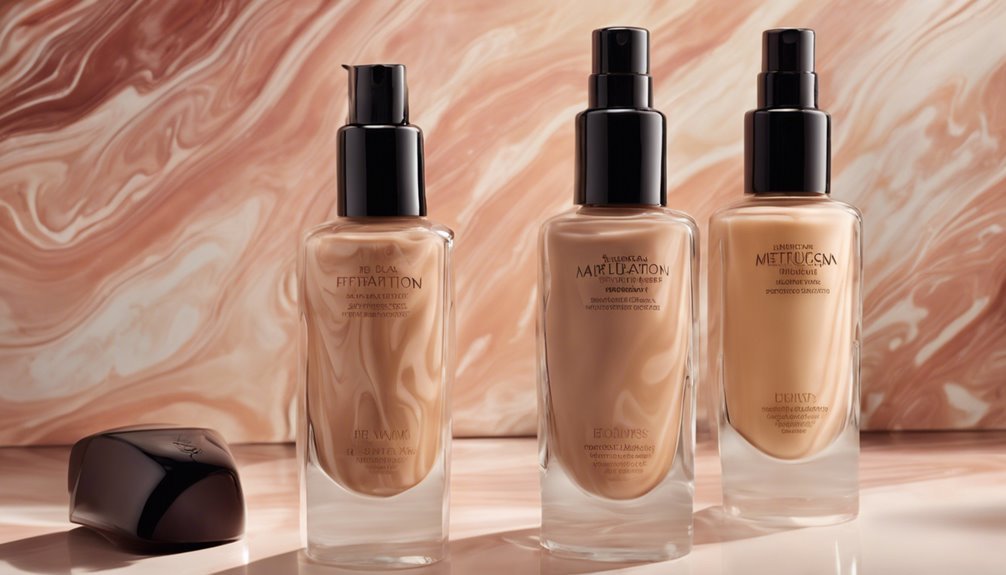
For those navigating the vast array of cosmetic options, selecting a top liquid foundation that caters to sensitive skin requires careful consideration. You'll want to prioritize products that are free from irritants and allergens typically found in conventional makeup.
Delve into liquid foundation reviews to find formulas praised for their gentle composition and effectiveness in enhancing skin without causing discomfort or reactions.
When applying liquid foundation, use techniques that minimize skin irritation. Opt for a soft brush or a blending sponge to apply the product gently. These tools can help you achieve a smooth, even coverage while reducing the risk of aggravating your skin.
It's advisable to test the foundation on a small area of your skin before a full application. This step ensures compatibility and prevents potential flare-ups.
Best Powder Foundations
While liquid foundations offer a seamless blend for many, you might find that powder foundations are a superior choice, especially if you're dealing with sensitive skin.
Powder formulation benefits include a low risk of clogging pores and a reduction in irritation potential, making it ideal for those prone to acne or dermatitis. These foundations tend to sit on the skin rather than being absorbed, which minimizes interaction with sensitive layers.
When applying a powder foundation, technique matters to avoid over-application, which can accentuate dry patches and lines. Start with a clean, moisturized face to ensure a smooth canvas.
Using a fluffy brush, lightly tap into the product, tap off excess, and apply in a gentle, circular motion. This method helps distribute the foundation evenly, providing a natural, breathable cover without overwhelming sensitive skin.
It's crucial to choose a powder that's free from irritants such as fragrances, parabens, and synthetic dyes. Look for products with minimal and non-comedogenic ingredients to reduce the likelihood of irritation.
Cream Foundations for Hydration
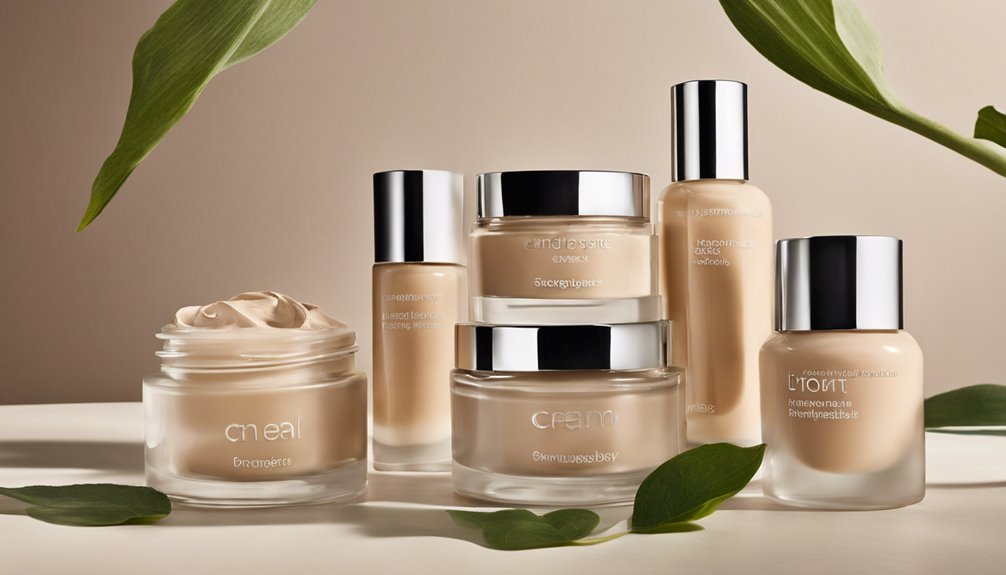
In contrast to powder foundations, cream foundations excel at providing hydration and a dewy finish, particularly beneficial for those with dry or mature skin. The cream texture of these foundations helps to lock in moisture, ensuring that your skin doesn't just look good but feels nourished and comfortable throughout the day.
When selecting a cream foundation, you'll want to look for products formulated with hydrating ingredients. These key components work together to enhance skin's moisture levels and provide a soothing effect that's ideal for sensitive skin types.
Here are some features to consider:

- Hydrating Oils: Ingredients like jojoba or argan oil deliver essential fatty acids that support skin's natural barrier.
- Ceramides: These lipid molecules help to retain moisture and fortify skin's defense against environmental aggressors.
- Hyaluronic Acid: A powerhouse hydrator, it attracts water to the skin, offering plumpness and reducing the appearance of fine lines.
- Antioxidants: Components such as vitamins C and E protect the skin from oxidative stress while boosting hydration.
As you assist others in selecting their ideal cream foundation, remember that your guidance can significantly enhance their daily skincare routine, ensuring they achieve not only aesthetic satisfaction but also lasting skin health.
Mineral Foundations Overview
Mineral foundations offer a distinct advantage for your skin's health, particularly if you're prone to sensitivity or breakouts. Unlike traditional formulas, these foundations are composed of finely milled minerals such as titanium dioxide, zinc oxide, mica, and iron oxides. These mineral ingredients are known for their inherent properties that can help reduce skin irritation and promote clarity.
The purity of mineral foundations means they're often free from preservatives, parabens, mineral oil, chemical dyes, and fragrance, all of which can trigger reactions in sensitive skin. This makes them a safe choice for you if you're looking to minimize potential irritants from your beauty routine.
Furthermore, the natural anti-inflammatory properties of zinc oxide and titanium dioxide can help soothe your skin and reduce redness.
As you explore mineral foundations, you'll find that they generally offer a lightweight, breathable feel that doesn't clog pores or exacerbate acne. This aspect is crucial in preventing further irritation or breakouts.
When applying mineral foundations, use a brush to gently buff the powder onto your skin, allowing for adjustable coverage that complements your natural complexion without overwhelming it. Remember, less is often more when it comes to applying makeup on sensitive skin.
Foundations With SPF Protection
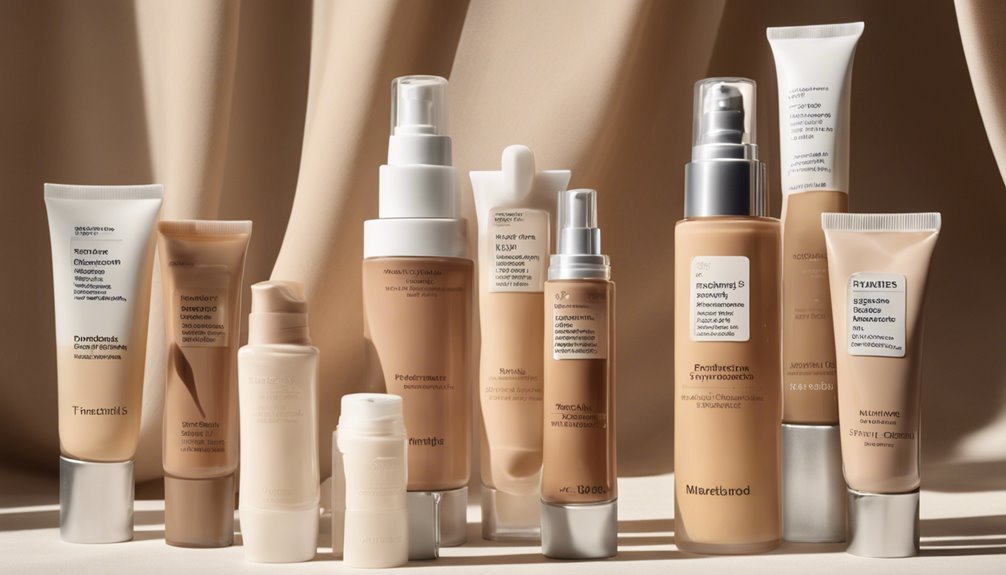
Foundations with SPF protection serve as a dual-purpose ally in your skincare and makeup regimen, shielding your skin from harmful UV rays while evening out your complexion.
When you choose a foundation with SPF, you're taking a proactive step to protect and nourish your skin. It's essential, however, to understand the SPF benefits and how they integrate with different foundation types to ensure you're getting the most out of your product.
Here are some key points to consider:
- Broad Spectrum Protection: Look for foundations that offer broad spectrum SPF, which protects against both UVA and UVB rays, reducing the risk of sunburn and skin cancer.
- SPF Rating: An SPF of at least 30 is recommended for effective protection. Remember, reapplication is crucial, especially if you're spending extended periods outdoors.
- Formula Compatibility: Ensure the SPF foundation matches your skin type. For oily skin, opt for oil-free formulas, whereas dry skin may benefit from moisturizing foundations.
- Layering Effectiveness: Applying SPF foundation over a sunscreen can enhance your UV protection but doesn't replace the need for a standalone sunscreen.
Hypoallergenic Foundation Picks
Sensitive skin's best friend might just be hypoallergenic foundations, which are specifically formulated to minimize the risk of allergic reactions and skin irritation. When you're selecting a foundation, it's crucial to prioritize products that respect and protect your skin's unique needs.
Hypoallergenic products, by design, contain fewer allergenic substances, making them a safer choice for those with sensitive skin. These foundations typically avoid common irritants like fragrances, parabens, and certain preservatives, which can trigger reactions. Instead, they incorporate soothing agents and skin-friendly ingredients that enhance the skin's barrier without causing discomfort.
When you're on the lookout for a hypoallergenic foundation, it's wise to thoroughly review the ingredient list. Look for products that aren't only labeled as hypoallergenic but also backed by dermatologist testing. This ensures that the foundation has undergone rigorous checks and is deemed safe for sensitive skin.
Moreover, a patch test before a full application is always recommended. Apply a small amount on your inner forearm to check for any adverse reactions over a day or two. This step can help you avoid potential skin issues and ensure that the product is well-suited for your individual skin type.
Vegan Options for Sensitive Skin
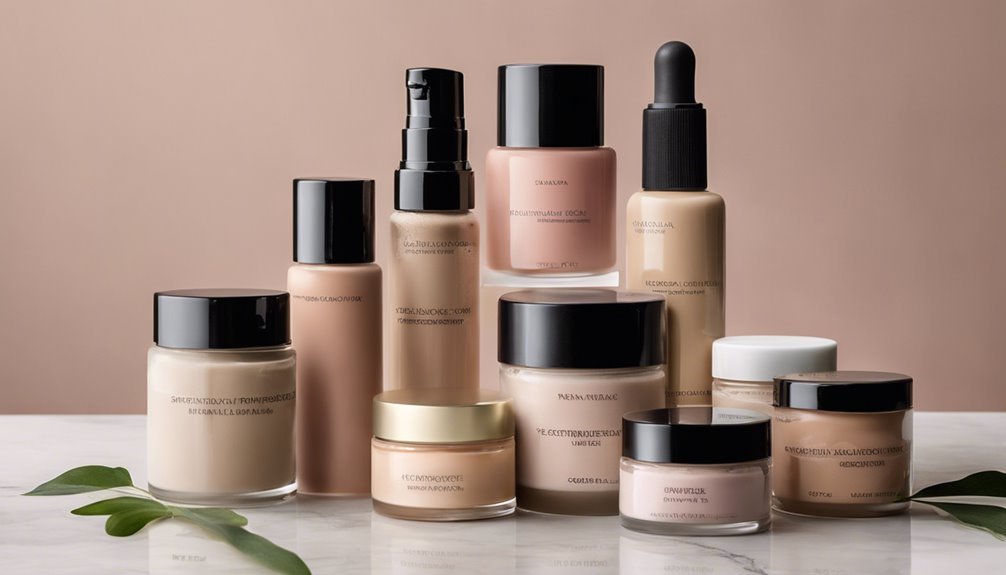
Many people with sensitive skin are now turning to vegan foundations as a conscientious choice that aligns with both ethical values and skin health.
When you opt for vegan foundations, you're not only making a decision that's kinder to animals but also selecting products that are often gentler on your skin. Ingredients in vegan foundations are typically derived from plants and are free from animal by-products, which can be beneficial if your skin reacts poorly to conventional makeup formulas.
Here's what to look for in vegan foundations if you're keen on caring for your skin while honoring your ethical standards:
- Non-comedogenic: Ensures the product won't clog your pores, reducing the risk of skin irritations.
- Hypoallergenic: Minimizes the chance of allergic reactions, a must-have for sensitive skin types.
- Rich in Antioxidants: Ingredients like Vitamin C and E help protect skin cells from damage and can calm inflammation.
- Certified Cruelty-Free: Look for certifications like Leaping Bunny to ensure that the products aren't tested on animals at any stage.
Foundations for Redness Control
If you're struggling with skin redness, choosing the right foundation can significantly improve your complexion and boost your confidence.
It's crucial to select products that not only cover but also treat the underlying sensitivity. Look for foundations enriched with redness reducers such as natural green pigments which counteract red tones. These are often paired with calming ingredients like aloe vera or chamomile, known for their soothing properties.
When selecting a foundation for redness control, opt for formulations that are free from irritants like fragrances and parabens, which can exacerbate skin redness.
Instead, focus on products labeled as non-comedogenic and hypoallergenic to minimize any adverse reactions. The inclusion of mineral-based ingredients can also be beneficial, as they tend to be gentler on sensitive skin.
Long-Wear Foundations for Sensitivity
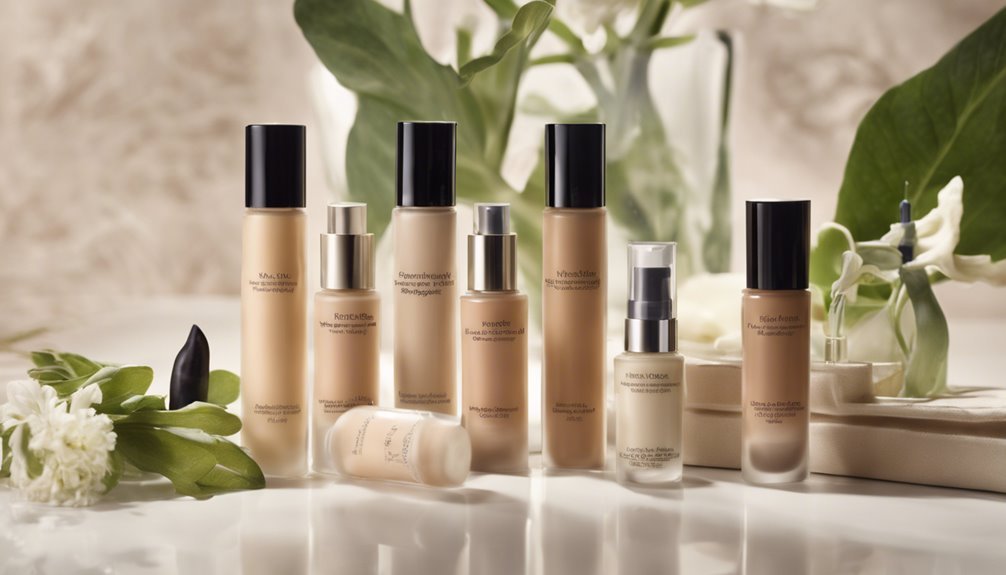
For individuals with sensitive skin, finding a long-wear foundation that doesn't aggravate your condition can be a challenge. You're likely searching for products that provide both durability and gentleness, ensuring your skin remains calm and clear throughout the day.
When choosing long-wear formulas, it's crucial to consider their composition and how they interact with sensitive skin.
Here are some key considerations:
- Non-comedogenic Ingredients: Opt for foundations that avoid pore-blocking components, which can trigger skin irritation or breakouts.
- Minimal Irritants: Choose formulas free from fragrances, parabens, and alcohol, as these are common irritants for sensitive skin types.
- Skin-Soothing Additives: Look for products containing ingredients like aloe vera or chamomile, which are known for their soothing properties.
- Dermatologist Tested: Select products specifically tested and recommended by dermatologists for sensitive skin.
It's essential to read labels and understand what's in your foundation.
Remember, the goal is to protect and comfort your skin, not just to cover imperfections. By selecting the right long-wear foundation, you can achieve a flawless look without compromising skin health.
Always prioritize your skin's needs to maintain its natural balance and beauty.
How to Apply Foundations Safely
After selecting the ideal long-wear foundation for your sensitive skin, it's important to focus on the correct application techniques to ensure your skin's health is preserved.
First, always start with a clean and moisturized face to create a smooth base. This reduces the risk of irritation and ensures the foundation blends seamlessly.
Using foundation brushes specifically designed for sensitive skin can make a significant difference. Opt for brushes with soft, synthetic bristles that are less likely to irritate your skin. Before applying the foundation, ensure the brush is clean to avoid transferring bacteria onto your skin, which can cause breakouts or allergic reactions.
Apply the foundation in gentle, circular motions, starting from the center of your face and working outward. This technique helps achieve an even coverage without overstimulating the skin. Be cautious not to tug or pull on the skin, as this can lead to redness or swelling.
Lastly, set your foundation with a light dusting of mineral powder if needed, using a clean, soft brush. This step will help lock in the foundation and reduce the need for touch-ups, which can further irritate sensitive skin.
Frequently Asked Questions
Can Changing Seasons Affect Which Foundation Is Best for Sensitive Skin?
Yes, seasonal changes can indeed influence the best foundation choice for you.
As seasons shift, your skin's hydration levels fluctuate, potentially making it more sensitive.
It's crucial to choose a foundation that adapts to these changes, providing sufficient hydration in the winter and lighter coverage in the summer.
Always opt for products specifically formulated for sensitive skin to avoid irritation.
Paying attention to these details can help maintain your skin's health year-round.
How Often Should I Replace My Foundation to Avoid Irritation?
To avoid skin irritation, you should replace your foundation every 6 to 12 months.
Over time, foundations can harbor bacteria that may exacerbate sensitivity issues.
Pay attention to foundation longevity and any changes in texture or smell—these are signs it's time for a new bottle.
Always opt for products specifically suited for sensitivity to further reduce risks.
Your diligence not only protects your skin but also ensures you're giving your best face forward.
Are There Specific Brushes Recommended for Applying Foundation on Sensitive Skin?
Interestingly, as you explore foundation application techniques, it's essential you use the right tools.
For applying foundation on sensitive skin, brushes with soft, non-abrasive bristles are recommended. Look for ones made from natural fibers or high-quality synthetics designed to minimize irritation.
These materials help distribute the product evenly without stressing the skin. Remember, gentle strokes enhance effectiveness and reduce the risk of flare-ups, making each application smooth and comfortable.
What Role Does Diet Play in Managing Sensitive Skin?
Your diet plays a crucial role in managing sensitive skin. Consuming skin-friendly foods rich in antioxidants and omega-3 fatty acids can reduce inflammation and improve skin health.
It's also vital to stay hydrated; water helps maintain your skin's moisture balance and flushes out toxins.
Be mindful of your food choices and water intake to support your skin's needs.
Can I Mix Different Foundations to Match My Sensitive Skin Needs?
Absolutely, you can mix different foundations to better suit your specific skin type needs.
However, you should proceed cautiously. Ensure each foundation is suitable for sensitive skin to avoid any adverse reactions.
It's also wise to test the foundation combinations on a small skin area first. This approach helps you achieve the desired shade and coverage without compromising your skin's health.
Always prioritize gentle formulations in your blends.
Conclusion
So, after meticulously selecting the perfect foundation to protect your sensitive skin, you might find it ironic that the best solution could be using as little as possible. Remember, less is often more. Carefully apply your chosen foundation, whether it's infused with soothing aloe or crafted for redness control, and embrace the paradox that sometimes, the key to beautiful skin is giving it a break. Choose wisely, apply sparingly, and watch your sensitive skin thank you by flourishing.