
Navigating the tender landscape of postpartum skin care, you'll find that redness often mirrors the delicate bloom of a new rose, sensitive yet beautiful. To soothe and protect this fragile state, you'll want to consider products that are as gentle as they are effective. Think about incorporating a hydrating serum with niacinamide, known for its anti-inflammatory properties, or a ceramide-rich moisturizer to fortify your skin's natural barrier. What you choose next could not only ease your current discomfort but also enhance your skin's resilience. Curious about which specific products to trust? Let's explore some top contenders.
Key Takeaways
- Opt for gentle cleansers with hydrating ingredients like hyaluronic acid and soothing oils such as chamomile to prevent irritation.
- Use alcohol-free, herbal-infused toners like those containing chamomile or aloe vera to soothe and balance skin pH.
- Select hydrating serums with niacinamide and Centella Asiatica to calm inflammation and strengthen the skin barrier.
- Choose calming moisturizers with aloe vera and chamomile, free from fragrances and harsh chemicals, to hydrate and reduce redness.
- Incorporate broad-spectrum, mineral-based sunscreens with SPF 30 or higher to protect sensitive postpartum skin from UV damage.
Understanding Postpartum Skin Changes
After childbirth, your body undergoes numerous transformations, and your skin is no exception. You might notice that your skin becomes more sensitive and reactive than it was before. This heightened sensitivity is primarily due to hormonal fluctuations that occur after you give birth. Estrogen and progesterone levels, which are high during pregnancy, suddenly drop, impacting your skin's behavior and appearance.
These hormonal changes can affect your skin's hydration levels and its ability to retain moisture, making it prone to dryness and irritation. In some cases, you may experience redness or even eczema. It's crucial to understand that these changes are normal and typically temporary as your body gradually returns to its pre-pregnancy hormonal balance.
To manage increased skin sensitivity, it's important to treat your skin with extra care. Opt for gentle, fragrance-free cleansers and moisturizers that hydrate without causing irritation.
While it might be tempting to try new skincare treatments, it's advisable to stick to simple and proven products during this sensitive period. Remember, your skin's needs during the postpartum period are unique, and catering to these needs effectively requires patience and understanding.
Importance of Choosing Safe Skincare
Choosing safe skincare products is essential for maintaining your skin's health during the postpartum period. As your body recovers, it's crucial to select products that support skin integrity without causing additional irritation or harm. This means prioritizing skincare that has undergone rigorous product testing and contains safe ingredients.
Product testing ensures that the items you use are both effective and gentle on your skin. It typically involves dermatological testing to verify that the products are non-irritating and hypoallergenic. Look for products that clearly state they've been tested under dermatological control, especially if you have sensitive postpartum skin.
Furthermore, understanding the composition of skincare products is key. Safe ingredients don't just soothe and nourish the skin; they also ensure that you aren't exposed to harmful chemicals that could potentially affect your overall health. Remember, what you apply to your skin can enter your bloodstream and, in some cases, affect your well-being.
Choosing skincare wisely isn't just about alleviating current symptoms; it's also about protecting your future health. Always opt for products that are transparent about their ingredients and their testing procedures. This approach not only safeguards your skin but also contributes to your long-term health and peace of mind.
Gentle Cleansers for Sensitive Skin
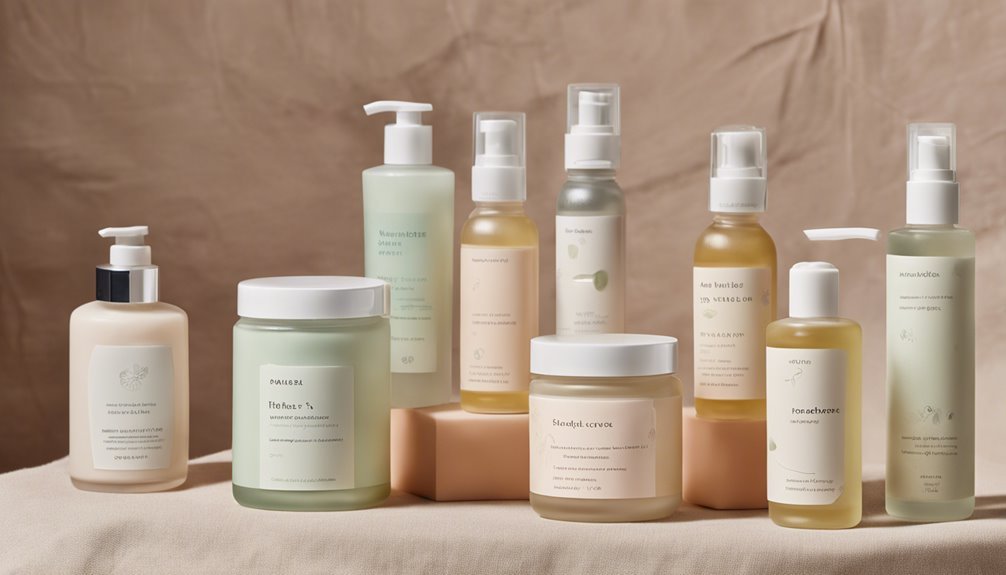
While recovering from childbirth, it's crucial to select a gentle cleanser that effectively removes impurities without stripping your skin of essential moisture.
After delivery, your skin can be particularly sensitive, making it important to choose products that are both nurturing and effective.
Here are four key features to look for in a gentle cleanser for sensitive postpartum skin:
1. Hydration-Enhancing Ingredients: Opt for cleansers with ingredients like hyaluronic acid or glycerin, which help maintain the skin's natural moisture barrier.
These components prevent dryness and ensure your skin stays supple and hydrated.
2. Gentle Exfoliation Methods: A cleanser with mild exfoliating properties can be beneficial.
Look for products containing enzymes or alpha hydroxy acids (AHAs) in low concentrations.
These help in gently removing dead skin cells, promoting a brighter and smoother complexion without causing irritation.
3. Soothing Facial Oils: Ingredients like chamomile or jojoba oil add a calming effect to the cleansing process.
These oils soothe redness and provide comfort to stressed skin, making them ideal for your sensitive postpartum skin.
4. Fragrance-Free Formulas: Choose cleansers that are free from artificial fragrances, which can trigger skin irritation.
Fragrance-free options are less likely to cause adverse reactions, ensuring a gentler cleansing experience.
Soothing Facial Toners
Following your selection of a gentle cleanser, incorporating a soothing facial toner into your skincare regimen can significantly enhance your skin's comfort and appearance during the postpartum period.
Ideally, you'll want to choose toners that are specifically formulated to be gentle and nurturing, especially when dealing with skin sensitivity and redness.
Opt for alcohol-free options, as alcohol can strip the skin of its natural oils, leading to further irritation and dryness. Instead, look for toners that contain herbal infusions. Ingredients like chamomile, calendula, and aloe vera are renowned for their soothing and anti-inflammatory properties. These herbs help calm the skin, reduce redness, and promote healing.

Applying a toner is a critical step between cleansing and moisturizing. It helps to balance the skin's pH and removes any residual impurities that your cleanser might've missed. This not only prepares your skin to better absorb the moisturizer but also enhances the overall effectiveness of your skincare routine.
When applying toner, it's best to use a soft cotton ball or a gentle pad. Pat the toner onto your skin rather than rubbing, to avoid any potential irritation.
Hydrating Serums for Redness Relief
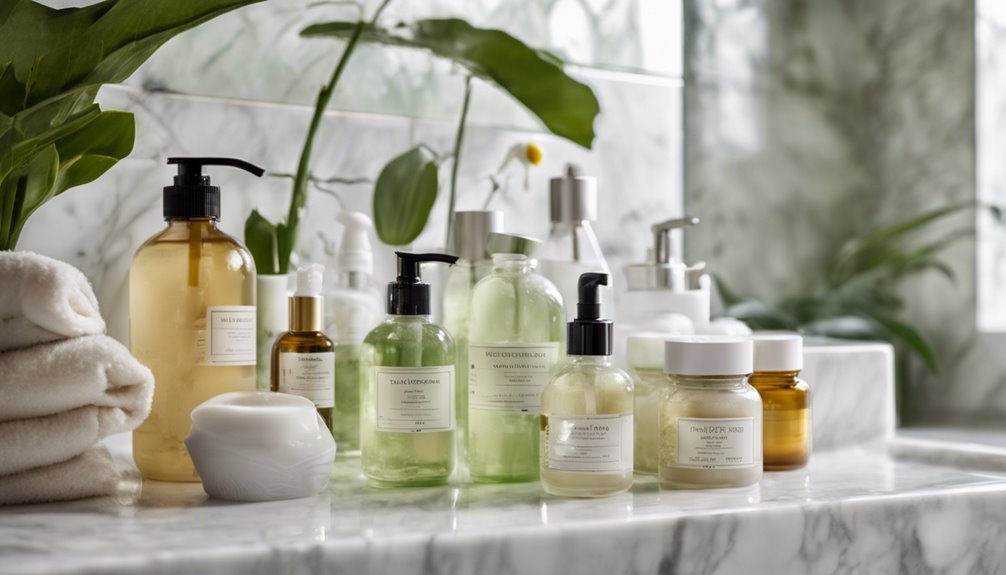
After applying a gentle toner, it's essential to incorporate a hydrating serum into your postpartum skincare routine to further alleviate redness and enhance skin hydration.
Serums, with their lightweight formulation and high concentration of active ingredients, penetrate deeply into the skin, delivering hydration and soothing properties right where you need them.
When choosing a serum, focus on these key hydrating ingredients:
- Hyaluronic Acid: This powerhouse attracts moisture into the skin, plumping it up and reducing the appearance of redness. You'll feel the soothing hydration as it works to calm your sensitive skin.
- Niacinamide (Vitamin B3): Known for its anti-inflammatory properties, niacinamide reduces redness and strengthens the skin's barrier, preventing future irritants from causing more redness.
- Aloe Vera: This natural ingredient offers immediate cooling relief and hydrates intensely without feeling heavy.
- Centella Asiatica: Popular in K-beauty, this plant extract is famed for its healing properties, promoting collagen production and reducing inflammation.
For effective serum application, apply a few drops to your fingertips and gently pat into your skin.
This technique ensures that the active ingredients are absorbed efficiently without pulling or stretching your delicate postpartum skin.
Calming Moisturizers
Sealing in the benefits of your serum, it's crucial to select a calming moisturizer tailored for postpartum skin. The right moisturizer not only hydrates but also soothes and reduces redness, which can be particularly prevalent during the postpartum period due to hormonal fluctuations.
When choosing a moisturizer, look for types that include calming ingredients such as aloe vera, chamomile, and calendula. These ingredients are renowned for their soothing properties and can help alleviate irritation and redness.
It's also beneficial to opt for moisturizers that are free from potential irritants like fragrances, parabens, and sulfates, which could exacerbate skin sensitivity.
Additionally, consider the texture of the moisturizer. Creams are typically richer and may be more suitable for dry skin types, while lotions or gels can be lighter and better suited for oily or combination skin. Ensuring you pick the right type based on your skin's needs will enhance the moisturizer's effectiveness.
Finally, remember that consistency is key. Regular application of your chosen moisturizer can help maintain skin barrier integrity, reducing susceptibility to irritants and locking in moisture.
This regimen won't only soothe your skin but also promote its overall health and appearance.
Nourishing Face Masks
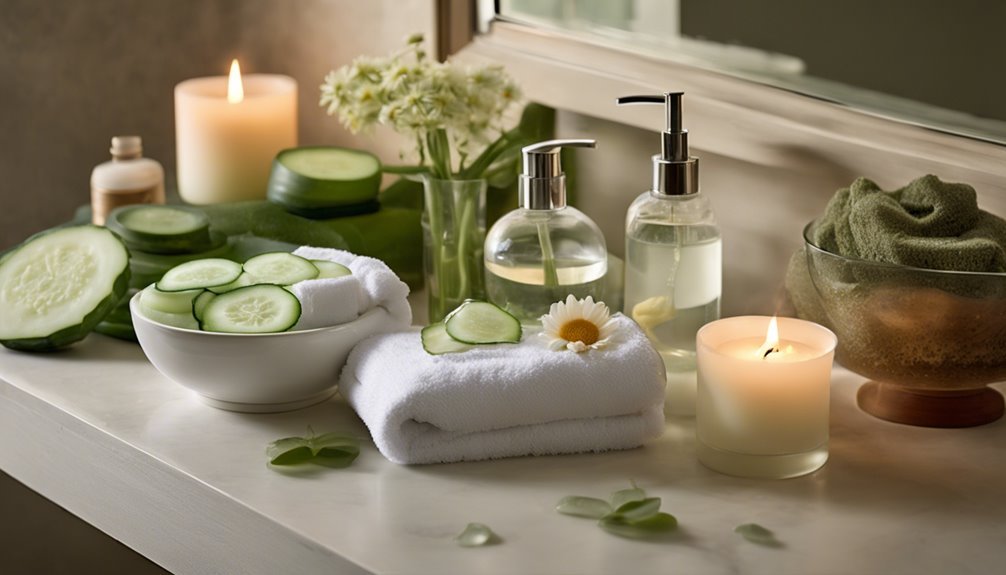
Building on the foundation of a good moisturizer, incorporating a nourishing face mask into your skincare routine can further enhance your skin's health during the postpartum period.
Nourishing ingredients in these masks can provide deep hydration, essential nutrients, and soothing relief, which are particularly beneficial as your skin recuperates and adapts after childbirth.
When selecting a face mask, you should look for key nourishing ingredients that support skin restoration and reduce redness.
Here's how a thoughtfully chosen face mask can make a significant difference:
- Hydration Boost: Ingredients like hyaluronic acid and glycerin pull moisture into the skin, alleviating dryness and tightness.
- Barrier Repair: Ceramides and peptides in masks help rebuild your skin's natural barrier, protecting it from irritants.
- Soothing Effect: Components such as aloe vera and allantoin calm inflammation and soothe your skin, making you feel pampered and cared for.
- Improved Texture: Regular mask application promotes skin turnover, gradually enhancing its texture and tone.
It's essential to apply these masks correctly.
After cleansing your face, apply a generous layer of the mask and leave it on for the time specified on the packaging.
This ensures that your skin fully absorbs the nourishing ingredients, leading to optimal results.
Natural Remedies and Ingredients
Exploring natural remedies and ingredients can greatly enhance your postpartum skincare routine, especially if you prefer holistic approaches to healing and rejuvenation. Herbal infusions and essential oils stand out as two powerful allies in the quest to soothe and restore your skin's natural balance and reduce redness.
You'll find that chamomile and calendula herbal infusions are particularly effective, thanks to their anti-inflammatory properties. These infusions help to calm irritated skin and provide a gentle, soothing effect. Essential oils, such as lavender and rosehip, are not only calming but also aid in healing and regenerating skin cells. Remember, it's crucial to dilute essential oils with a carrier oil like coconut or jojoba to prevent any potential irritation.
Here's a quick guide to help visualize the benefits:
| Ingredient | Benefits |
|---|---|
| Chamomile | Soothes, reduces inflammation |
| Calendula | Heals, protects skin |
| Lavender Oil | Regenerates, calms skin |
| Rosehip Oil | Repairs skin, anti-aging |
| Coconut Oil | Moisturizes, carriers oils |
| Jojoba Oil | Balances oil production |
Integrating these natural ingredients into your skincare routine not only supports your skin's health but also aligns with a nurturing, gentle approach to postpartum recovery.
Sun Protection for Healing Skin
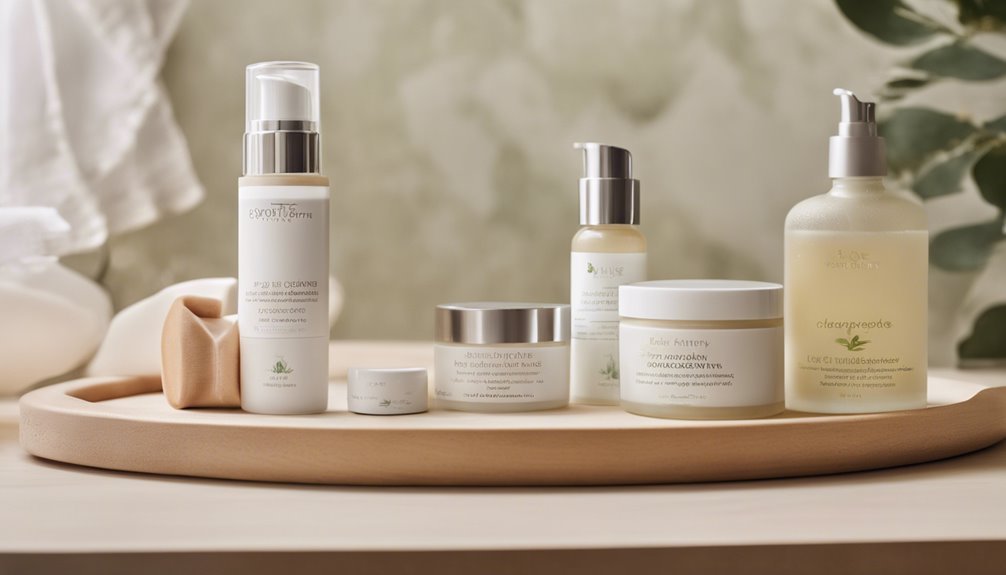
As your skin heals postpartum, it's crucial to protect it from the sun's harmful UV rays, which can exacerbate redness and impede the healing process.
Exposure to sunlight can significantly affect the delicate balance of your recovering skin. Here's how you can shield your skin effectively:
- Choose Broad-Spectrum Sunscreen: Select sunscreen formulations offering broad-spectrum UV protection. These products shield your skin from both UVA and UVB rays, which are responsible for premature aging and burning, respectively.
- SPF 30 or Higher: Use a sunscreen with at least SPF 30. This strength blocks about 97% of the sun's UVB rays, providing a significant defense layer for your sensitive skin.
- Mineral Over Chemical: Opt for mineral-based sunscreens containing zinc oxide or titanium dioxide. These sit on top of your skin, creating a barrier against the sun, rather than absorbing UV rays through chemical reactions.
- Reapply Regularly: Sunscreen wears off, especially if you sweat or after contact with water. Reapplying every two hours is essential, more often if you're directly exposed to sunlight or after sweating or towel drying.
Nighttime Skincare Routines
Nighttime is the ideal opportunity to nurture your postpartum skin, allowing it to repair and rejuvenate while you rest. Developing effective nighttime habits is crucial for skin recovery, especially after the hormonal changes and stress your body has endured.
Start by cleansing your skin gently to remove the day's impurities without stripping essential oils. Choose a cleanser that's hydrating and free from harsh chemicals.
Next, apply a restorative serum that targets redness and inflammation. Look for ingredients like niacinamide, which boosts the skin barrier, and hyaluronic acid, which deeply hydrates. These components help soothe your skin and reduce redness while enhancing elasticity.
Following your serum, use a rich moisturizer that locks in hydration and aids in the natural skin repair process overnight. Opt for products that contain ceramides and peptides, as they support skin structure and improve texture.
Lastly, don't forget to apply a light eye cream to address any puffiness or dark circles, common in new mothers due to fluctuating sleep patterns.
When to See a Dermatologist
If you've been diligently following your postpartum skincare routine but still notice persistent redness, unusual changes in your skin texture, or any signs of infection, it's time to consult a dermatologist. Many skin conditions can emerge or worsen in the postpartum period, and professional guidance is crucial to manage these issues effectively.
Here are some key reasons to seek a dermatologist's help:
- Persistent Symptoms: If redness or irritation continues despite using targeted skin care products, this could indicate an underlying condition that requires professional treatment options.
- Increasing Discomfort: Skin conditions shouldn't disrupt your daily life. If you're experiencing pain, severe itching, or discomfort, a dermatologist can provide relief.
- Visible Changes: Noticeable changes in skin texture or color, such as dark spots or excessive dryness, might require specialized care.
- Signs of Infection: Symptoms like pus, severe swelling, or fever are urgent signs that your skin's health needs immediate attention.
A dermatologist can offer tailored advice and treatment options that respect your body's unique needs during this transformative time.
Maintaining Healthy Skin Postpartum
Maintaining healthy skin postpartum requires a balanced approach that includes gentle cleansing, adequate hydration, and nourishing moisturizers. You'll find that your skin, influenced by postpartum hormonal fluctuations, may react differently than it did before. It's vital to adapt your skincare regimen accordingly to address these changes effectively.
Start with a mild cleanser to remove impurities without stripping your skin of its natural oils, which are crucial for maintaining a healthy barrier against irritants.
Hydration is key; make sure you're drinking plenty of water throughout the day and using a hydrating serum or cream that suits your skin type. Look for products containing hyaluronic acid or glycerin, which are excellent for retaining moisture.
Incorporating nourishing moisturizers that support skin elasticity and repair is also essential. Ingredients like ceramides and peptides can be beneficial.
Moreover, don't underestimate the power of consistent self-care practices; they're instrumental in managing stress and supporting overall skin health.
Frequently Asked Questions
Can Postpartum Skin Redness Affect Breastfeeding?
No, postpartum skin redness doesn't directly affect your ability to breastfeed.
However, if the redness is due to skin sensitivity or other underlying conditions, it might contribute to discomfort during breastfeeding. This could pose breastfeeding challenges if the irritation is near the breasts.
It's crucial to manage skin care gently and seek advice from a healthcare professional to ensure both your comfort and effectiveness in breastfeeding while serving your newborn's nutritional needs.
Are There Hormonal Treatments for Postpartum Skin Issues?
Yes, hormonal treatments can address postpartum skin issues.
Studies show that nearly 50% of new mothers experience significant skin changes post-birth. Hormonal therapy, tailored to individual needs, can effectively manage symptoms like redness and sensitivity.
It's crucial to consult a dermatologist who understands the nuances of postpartum skin fluctuations. They'll ensure the therapy suits your skin sensitivity, promoting healing while minimizing potential side effects, ultimately aiding in your comfort and recovery.
How Long Does Postpartum Skin Redness Typically Last?
Postpartum skin redness typically resolves within a few weeks as your body's hormonal levels stabilize and your skin begins its natural healing process.
It's crucial to prioritize gentle skincare routines and ensure you're nurturing your skin with appropriate hydration and protection.
If redness persists beyond several weeks, consider consulting a dermatologist to explore further interventions.
Can Diet Influence Postpartum Skin Health?
Yes, your diet can significantly impact your postpartum skin health. Eating nutrient-rich foods and maintaining proper hydration play crucial roles.
Nutrients like vitamins C and E, omega-3 fatty acids, and antioxidants support skin repair and reduce inflammation. Staying hydrated helps maintain skin elasticity and overall texture.
Including a variety of fruits, vegetables, lean proteins, and whole grains in your meals can contribute to healthier skin during the postpartum period.
Are There Specific Makeup Products Recommended for Postpartum Skin Redness?
Absolutely, there are specific makeup products you'll find beneficial.
Nearly 50% of new mothers experience noticeable skin changes, making tailored solutions essential. For tackling redness, look for color-correcting concealers and primers; green tones neutralize red patches effectively.
Additionally, integrating soothing serums into your routine can significantly calm inflammation. Choose products enriched with ingredients like aloe vera or chamomile, which are gentle and restorative, perfect for sensitive postpartum skin.
Conclusion
In conclusion, navigating postpartum skin care is like walking a tightrope over a pool of hormonal changes and sleepless nights. Opt for the gentlest, most hydrating concoctions you can find—think chamomile-infused toners and ceramide-packed moisturizers. Guard your healing skin as fiercely as you protect your newborn, and remember, if your skin starts resembling a roadmap more than its usual self, perhaps it's time to consult a dermatologist. After all, your skin deserves recovery just as much as you do!