Imagine your child lighting up while adding ingredients for a recipe, realizing math isn’t just numbers on a page. Third-grade math practice can be a vibrant mix of fun and learning, where games and hands-on activities make concepts stick. By exploring creative ways to engage, you can help foster a love for math that lasts. Curious about how you can turn everyday moments into exciting math lessons?
Engaging Math Games to Boost Skills
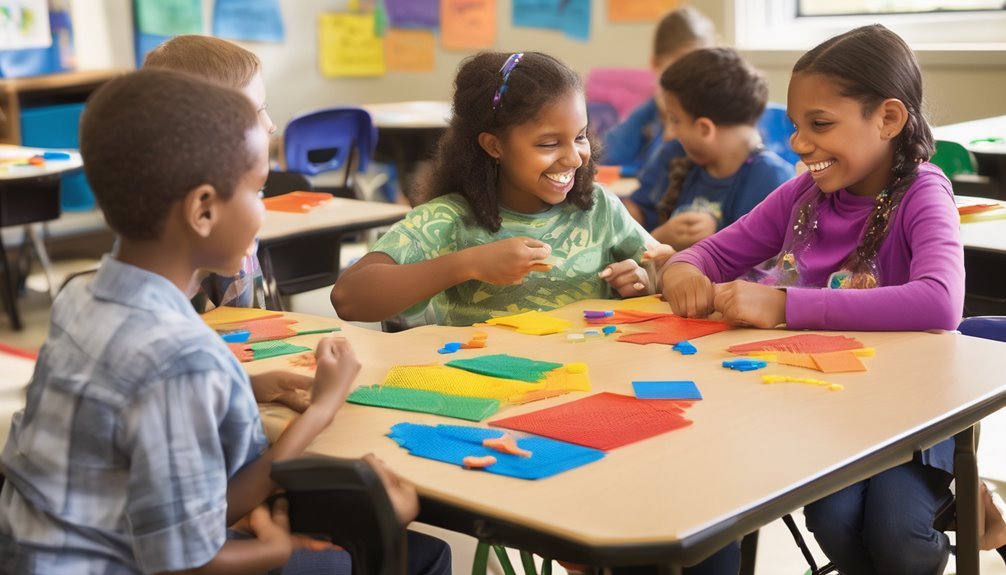
When you want to make math fun for third graders, engaging games can be a game-changer. Math board games offer a hands-on way to practice skills while fostering teamwork and friendly competition.
Imagine your students working together to solve problems, all while enjoying a lively game night atmosphere!
Picture your students collaborating to tackle challenges, all while soaking up the excitement of a vibrant game night!
Interactive math apps can also be a fantastic resource. These apps often include colorful graphics and rewarding challenges that keep kids motivated.
Plus, they’re perfect for individual practice or small group activities. By mixing traditional board games with innovative apps, you’ll create a dynamic learning environment that encourages enthusiasm for math.
Your third graders won’t only boost their skills but also develop a love for learning that lasts beyond the classroom!
Creative Hands-On Activities for Math Mastery
Building on the excitement of games, creative hands-on activities can transform math practice into an unforgettable experience for third graders. By incorporating manipulative materials and engaging math stations, you’ll make learning active and fun. Consider using interactive notebooks to document their learning process, as well as math puzzles that challenge their problem-solving skills.
Here’s a quick overview of engaging activities:
| Activity Type | Description | Benefits |
|---|---|---|
| Hands-On Experiments | Real-world math applications | Encourages critical thinking |
| Measurement Activities | Measuring objects around them | Builds practical skills |
| Math Scavenger Hunts | Finding math problems outdoors | Promotes teamwork |
| Game-Based Learning | Math games that reinforce skills | Makes learning enjoyable |
Using Technology for Engaging Math Practice
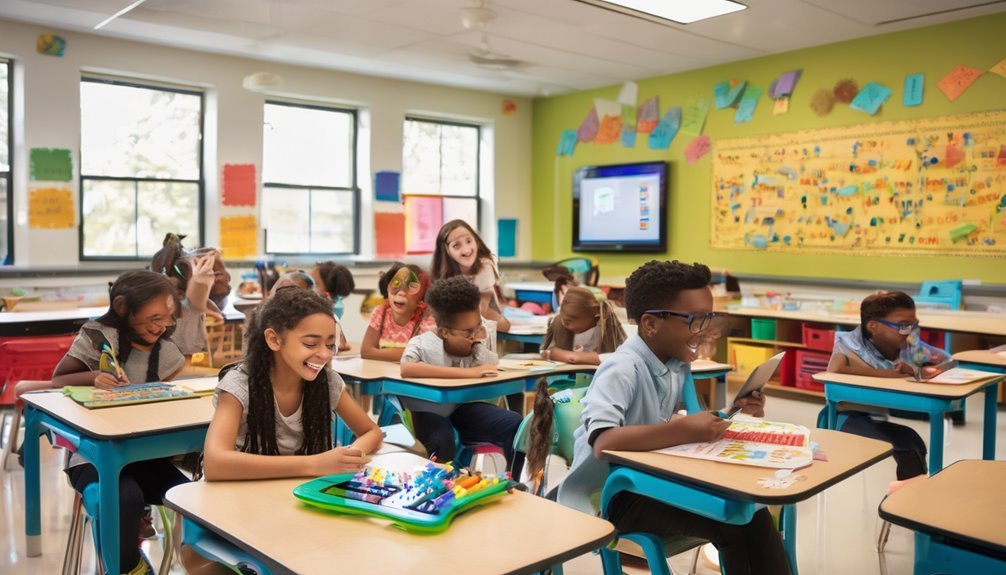
Incorporating technology into math practice can ignite a spark of enthusiasm in third graders. You can use math apps to make learning fun and interactive.
These apps often include interactive quizzes that challenge students while keeping them engaged. Virtual manipulatives allow kids to visualize concepts, making abstract ideas more concrete.
Don’t overlook online resources like math videos that can explain tricky topics in a relatable way. Coding games can also teach problem-solving skills, blending creativity with math practice.
Team-Based Math Challenges for Collaboration
While many students thrive in individual settings, team-based math challenges can truly enhance collaboration and camaraderie in your classroom. These activities not only promote problem-solving skills but also encourage students to communicate effectively with their peers.

By engaging in cooperative competition, kids learn to share ideas and strategies, fostering a supportive learning environment.
You can create team challenges that involve solving math puzzles, completing relay races with math problems, or even math scavenger hunts. These fun activities allow students to work together, combining their strengths while building friendships.
Plus, they’ll develop a deeper understanding of math concepts as they explain their thought processes to one another. Embrace team challenges, and watch your classroom spirit soar!
Real-World Applications of Math in Everyday Life
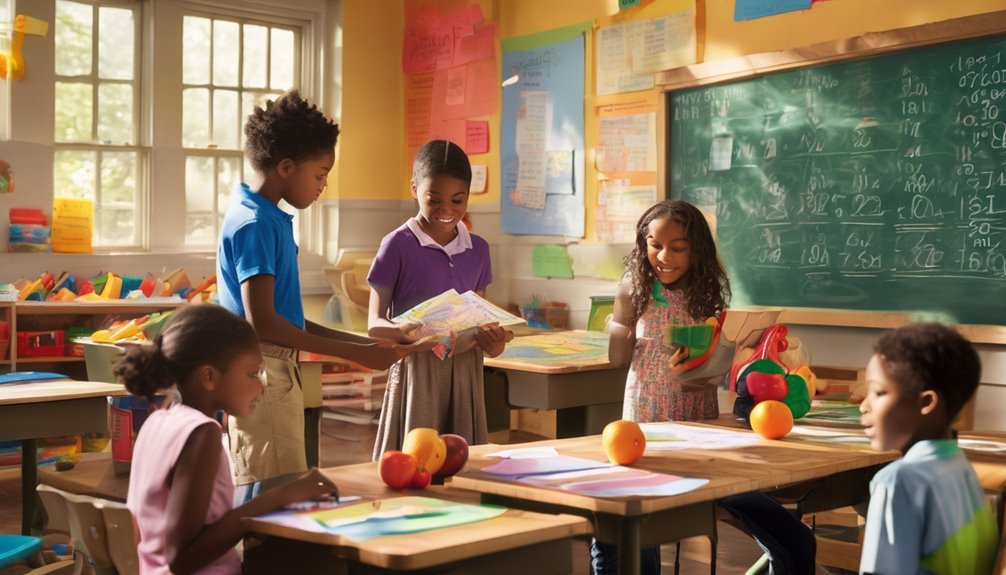
Math isn’t just about numbers and equations; it’s a vital tool you use every day without even realizing it. Think about grocery budgeting: you calculate how much you can spend while keeping track of shopping discounts. When you’re cooking, measuring ingredients and making recipe conversions are essential. Have you ever estimated how much time you need to get to an event? That’s time estimation in action!
Here’s how math pops up in daily life:
| Everyday Task | Math Application |
|---|---|
| Grocery Shopping | Budgeting and Counting Change |
| Cooking | Measuring Ingredients |
| Event Planning | Time Estimation and Distance Calculation |
From volume estimation to area comparison, math helps you navigate life smoothly!
How to Make Math Relevant Through Storytelling
Storytelling can transform math into an adventure that captures students’ imaginations. By using storytelling techniques, you can make math concepts come alive through relatable characters and engaging plots.
Here’s how to do it:
- Create narrative examples: Weave math problems into a story format, like a character needing to share candies among friends.
- Develop creative scenarios: Imagine a treasure hunt where students solve math puzzles to find clues.
- Incorporate relatable characters: Use characters they know to explore math challenges, making it easier for them to connect.
These methods not only enhance understanding but also foster a love for math.
When students see math as a part of a story, they’re more likely to engage and learn effectively.
Incorporate Art to Make Math Fun
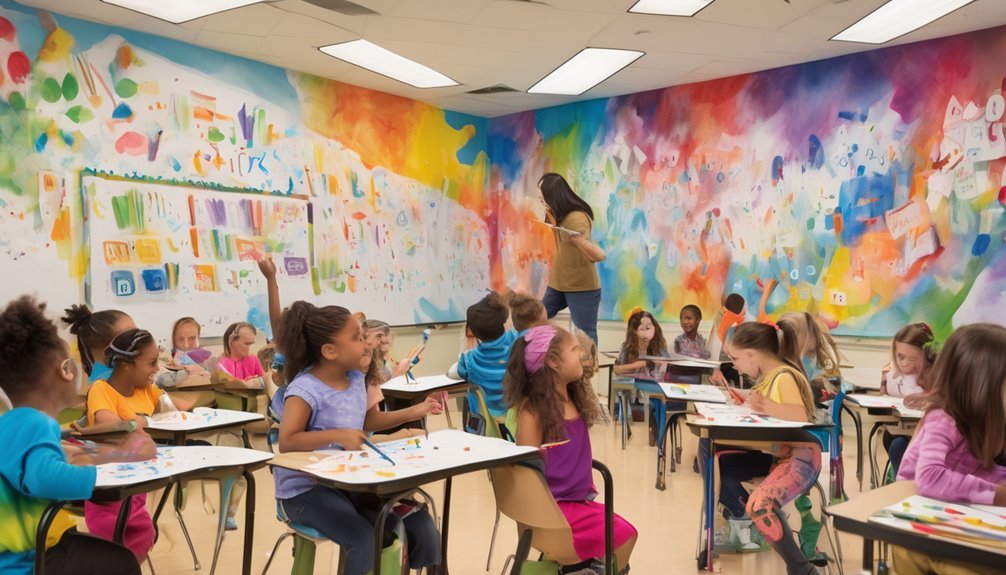
Integrating art into your math lessons can spark creativity and make learning more enjoyable. You can use art integration to help students visualize concepts. For instance, creating math murals can illustrate geometric art, while math sculptures can demonstrate three-dimensional shapes. Encouraging students to design math collages allows them to explore artistic patterns and engage with numbers in a fun way.
Here’s a simple table to get you started:
| Activity | Purpose |
|---|---|
| Math Murals | Visualize geometric concepts |
| Math Sculptures | Understand 3D shapes |
| Math Collages | Explore patterns through art |
Using color coding in these projects can further enhance understanding, making math not just a subject, but a vibrant experience!
Fostering a Growth Mindset in Math Learning
While many students might feel intimidated by math, fostering a growth mindset can transform their learning experience. Embracing challenges and learning from mistakes empowers you to tackle math with confidence.
Fostering a growth mindset empowers students to embrace math challenges and learn confidently from their mistakes.
Here are a few strategies to cultivate this mindset:
- Use mindset affirmations: Remind yourself that effort leads to improvement. Phrases like “I can learn anything with practice” can boost your confidence.
- Celebrate progress with positive reinforcement: Recognize your achievements, no matter how small. This builds motivation and encourages further growth.
- Embrace mistakes as learning opportunities: Instead of seeing errors as failures, view them as essential steps in your learning journey.
Tips for Parents: Supporting Math at Home
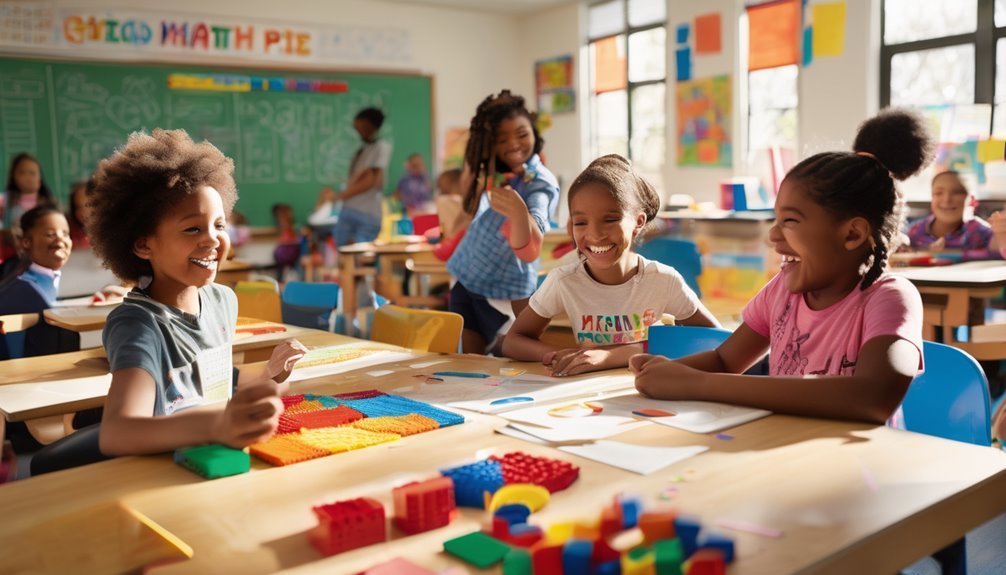
To help your child thrive in math, you can create a supportive environment at home that makes learning enjoyable. Focus on reducing math anxiety by encouraging a positive attitude towards challenges. Offer consistent homework help, but let them try solving problems independently first. Here are some practical tips:
| Activity | Purpose |
|---|---|
| Math games | Make learning fun |
| Real-life math tasks | Connect concepts to daily life |
| Daily math questions | Build confidence gradually |
| Celebrate small wins | Boost motivation |
| Encourage questions | Foster curiosity |
Rewarding Math Achievements in Third Graders
Recognizing and rewarding your child’s math achievements can significantly boost their confidence and enthusiasm for learning. Celebrating milestones encourages them to set personal goals and strive for improvement.
Here are some effective ways to show achievement recognition:
- Math Awards: Create fun certificates or badges that acknowledge their skills and progress tracking.
- Milestone Celebrations: Celebrate when they master a new concept, making math a joyous occasion.
- Peer Encouragement: Arrange study groups or playdates with peers to foster a supportive environment.
Using positive reinforcement not only motivates your child but also helps them develop a love for math.
Frequently Asked Questions
What Are the Key Math Skills Third Graders Should Master?
Third graders should master math fluency strategies like quick addition and subtraction, along with problem-solving techniques for tackling word problems. These skills boost confidence, making math both enjoyable and achievable for you and your child.
How Can I Assess My Child’s Math Progress Effectively?
To assess your child’s math progress effectively, use assessment tools like quizzes and games. Regularly track progress through worksheets and discussions, celebrating achievements to keep them motivated. This approach makes learning fun and engaging!
What Materials Do I Need for Hands-On Math Activities?
You’ll need math manipulatives like counters, blocks, and measuring tools, along with interactive games that encourage problem-solving. These materials make learning fun and hands-on, helping your child grasp math concepts more effectively.
How Can I Motivate My Child to Enjoy Math?
Imagine your child’s laughter while playing math games together. Use positive reinforcement to celebrate their achievements, no matter how small. Create a fun atmosphere, and watch their confidence and enjoyment in math grow immensely.
What Are Some Common Math Misconceptions in Third Graders?
Third graders often struggle with number sense, thinking larger numbers are always greater. Measurement misconceptions arise too, like confusing inches and feet. You can help by providing hands-on experiences to clarify these concepts and boost understanding.
Conclusion
So, if you think math’s just about boring worksheets and endless drills, think again! With games, cooking, and some teamwork, you can turn your kitchen into a math lab and your living room into a bustling math arena. Who knew that adding up groceries could spark so much joy? Embrace the fun, celebrate those little victories, and watch as your third grader transforms into a math whiz—because who wouldn’t want to be the next mathlete of the century?