
You've just welcomed your new baby into the world, and while it's an exciting time, you're also dealing with postpartum swelling. You can manage this common issue by staying hydrated and using compression garments. Remember, it's also essential to keep your feet elevated whenever possible and to limit your salt intake to prevent further fluid retention. But what if these steps aren't enough? There are additional, less commonly discussed strategies that might just provide the relief you're looking for. Let's explore what else you can do to feel more comfortable during this special time.
Key Takeaways
- Drink 8-10 glasses of water daily and include water-rich foods to enhance hydration and support milk production.
- Wear compression garments like socks and belly bands to improve circulation and reduce fluid retention.
- Elevate feet above heart level for 15-30 minutes several times a day to aid fluid removal.
- Reduce salt intake and opt for fresh ingredients over processed foods to manage water retention.
- Engage in gentle exercise like walking or postpartum yoga with healthcare provider clearance to boost circulation and mood.
Stay Hydrated
Drinking plenty of water is essential for reducing postpartum swelling. Proper hydration aids in maintaining the balance of bodily fluids, which is crucial during the postpartum period. When you're well-hydrated, your body is more efficient at eliminating excess sodium and other waste products, which can contribute to swelling. Aim to drink at least eight to ten glasses of water each day.
Incorporating water-rich foods into your diet can also enhance hydration benefits. Foods like cucumbers, strawberries, watermelon, and lettuce contain significant amounts of water and help supplement your fluid intake. These foods not only provide hydration but also supply essential vitamins and minerals that support overall health and recovery.
Remember, your fluid needs might increase if you're breastfeeding, as producing milk requires extra hydration. Don't wait until you feel thirsty to drink water; by then, you're already on your way to dehydration. Keep a water bottle handy throughout the day to remind you to drink regularly.
Staying hydrated is a simple yet effective strategy to reduce swelling and promote healing. You're taking care of your body so you can better care for your new baby.
Use Compression Garments
Wearing compression garments can significantly alleviate postpartum swelling by enhancing blood circulation and supporting your body's natural processes. These garments aid in the efficient return of blood to your heart, reducing the fluid retention that can contribute to swelling in your legs and abdomen. Moreover, the gentle pressure provided by these garments can help your uterus return to its pre-pregnancy size more swiftly.
It's essential to choose the right type of compression garment to maximize the compression benefits. Here's a quick guide to help you select the appropriate garment:
| Garment Type | Recommended Use |
|---|---|
| Compression socks | Reduces swelling in feet and lower legs. |
| Postpartum girdles | Supports abdominal muscles and lower back. |
| Compression leggings | Full leg support, ideal for overall lower body. |
| Belly bands | Targeted abdominal support. |
Each type of garment addresses different needs, so you might find it beneficial to have a variety on hand. Always ensure they fit well—not too tight as this can hinder circulation rather than help it. Consult with your healthcare provider to find the best option for your specific situation, and remember, wearing these can make a significant difference in your postpartum recovery.
Elevate Your Feet

While compression garments offer significant benefits for managing postpartum swelling, another effective strategy is elevating your feet. This simple yet powerful technique can help reduce the swelling by improving circulation and fluid removal from your lower extremities.
Foot elevation works by utilizing gravity to assist in the drainage of fluid that tends to accumulate in your legs and ankles after childbirth. By propping your feet up higher than your heart, you encourage the return of blood and lymph fluids back towards your upper body, which can significantly aid in reducing swelling.
To effectively elevate your feet, find a comfortable position on a couch or bed and use pillows to support your legs. Aim to keep your feet elevated above the level of your heart for 15 to 30 minutes, several times a day.
This practice not only helps in circulation improvement but also provides a much-needed break and relaxation during your recovery.
Limit Salt Intake
Reducing your salt intake can significantly alleviate postpartum swelling. Excessive salt in your diet can lead to water retention, worsening swelling during the postpartum period. It's important to monitor and manage your salt consumption to help reduce this swelling.
Start by understanding where salt hides in your diet. Processed and pre-packaged foods are major culprits, often containing higher levels of sodium than home-cooked meals.
When planning your meals, opt for fresh ingredients and utilize herbs and spices instead of salt for flavor enhancement. Integrating salt substitutes like potassium chloride can also help, but it's essential to consult with your healthcare provider before making any significant changes, especially postpartum.
Incorporating meal planning into your routine can further aid in controlling salt intake. Planning meals ahead allows you to ensure that your dishes are balanced and low in sodium.
Prepare meals such as steamed vegetables, lean proteins, and whole grains, which naturally contain minimal salt. Reading labels while shopping is crucial; choose products labeled "low sodium" or "no added salt" to keep your salt consumption in check.
Practice Gentle Exercise

Engaging in gentle exercise can be a beneficial strategy to reduce postpartum swelling.
It's important to start slowly and listen to your body as it heals. By incorporating mild physical activities, you can improve circulation, which is crucial for decreasing swelling and enhancing overall well-being.
Here are three gentle exercises that can help:
- Walking: Begin with short walks around your neighborhood. The walking benefits are manifold; they not only help reduce swelling through improved blood flow but also elevate your mood and strengthen cardiovascular health.
- Postpartum Yoga: Yoga can be particularly effective due to its focus on stretching and relaxation. Specific poses enhance lymphatic drainage and promote circulation, two key components in managing postpartum swelling. Look for classes tailored to new mothers or consult with a yoga instructor who specializes in postnatal practices.
- Swimming: If you have access to a pool, swimming is a low-impact exercise that supports your body weight and reduces the strain on your joints. The gentle resistance of the water helps tone muscles without exacerbating the swelling.
Incorporating these activities into your routine can greatly assist in your recovery process.
Always ensure to get clearance from your healthcare provider before starting any new exercise regimen.

Apply Cold Compresses
Applying cold compresses can effectively reduce postpartum swelling by constricting blood vessels and decreasing fluid retention in affected tissues. When you use cold therapy, the benefits extend beyond simple swelling reduction; they also include pain relief and a decrease in inflammation. You'll find that the right application techniques can make a significant difference in how quickly you feel better.
To ensure you're applying cold compresses effectively, follow these straightforward steps:
- Wrap the ice pack or frozen gel pack in a thin towel. Direct skin contact can cause frostbite.
- Apply the cold compress to the swollen area for about 15-20 minutes.
- Repeat this process several times a day, ensuring at least one hour between applications to prevent skin damage.
Here's a quick guide to help you remember the key points:
| Cold Therapy Benefits | Application Techniques |
|---|---|
| Reduces swelling | 15-20 minutes per session |
| Decreases pain | Use a barrier like a thin towel |
| Lowers inflammation | Repeat several times a day |
| Improves comfort | Avoid direct skin contact |
| Enhances recovery | At least one hour between applications |
Massage Affected Areas
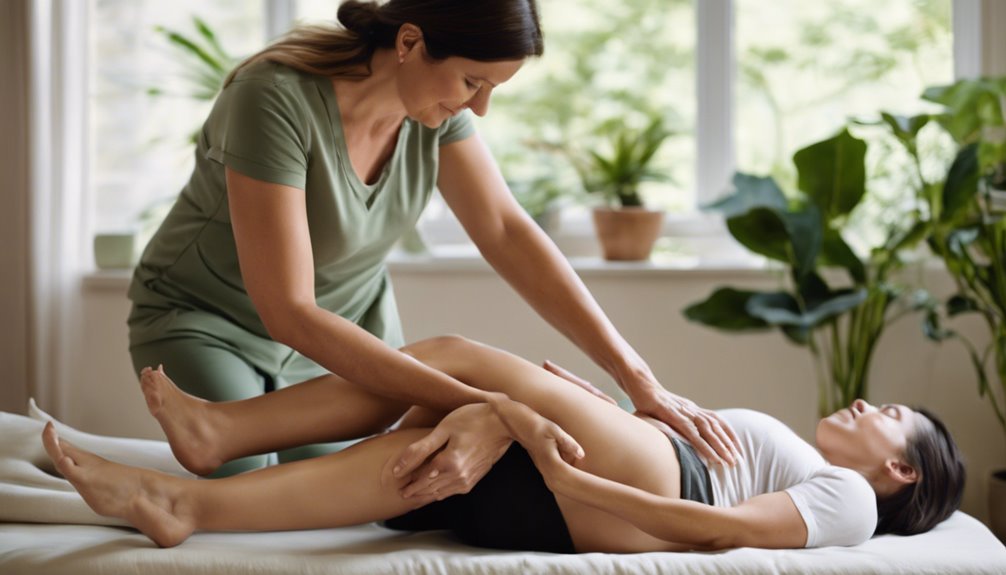
While cold compresses are a great tool for managing postpartum swelling, another effective method to consider is massaging the affected areas. Massaging can stimulate your lymphatic system, promoting the drainage of fluid and reducing swelling.
Here's how you can integrate massage into your postpartum recovery:
- Learn Basic Self-Massage Techniques: Gently rubbing the swollen areas can significantly alleviate discomfort. Start with light strokes, moving towards your heart to encourage fluid flow. Use a comfortable, non-irritating lotion or oil to help your hands glide smoothly over your skin. This simple technique can be done several times a day, according to your comfort level.
- Seek Professional Massage Therapy: If your budget allows, consider visiting a licensed massage therapist specialized in postpartum care. They can provide targeted treatments that are safe and specifically tailored to your recovery needs. This not only helps in reducing swelling but also in relieving muscle tension and promoting overall relaxation.
- Focus on Key Areas: Pay special attention to your legs, ankles, and feet, which are commonly affected by postpartum swelling. Using circular motions and always directing the pressure towards your heart will maximize the effectiveness of the massage.
Incorporating these strategies into your daily routine can help you manage postpartum swelling more effectively.
Prioritize Rest and Sleep
Adequate rest and sleep are crucial to your postpartum recovery, helping your body heal and reducing overall swelling.
It's essential to create a sleep environment that promotes quality rest. Consider the ambiance of your bedroom; it should be calm, quiet, and cool. Invest in blackout curtains and perhaps a white noise machine to block out disturbances. The right mattress and pillows can also make a significant difference in achieving deep, restorative sleep.
Implementing relaxation techniques before bedtime can further enhance your sleep quality. Techniques such as deep breathing exercises, progressive muscle relaxation, or gentle yoga can help calm your mind and prepare your body for sleep.
These practices not only aid in reducing stress but also play a pivotal role in minimizing bodily swelling by improving circulation and lymphatic drainage.
Opt for Comfortable Clothing
Choosing comfortable clothing postpartum is essential for reducing swelling and promoting recovery. The right garments can significantly ease your physical discomfort and foster a positive body image, affirming the natural changes your body undergoes during this time.
Here are three key considerations for your postpartum wardrobe:
- Fabric Choices: Opt for natural, breathable fabrics like cotton or bamboo. These materials are gentle on sensitive skin and excellent for air circulation, helping to reduce sweat and irritation which can exacerbate swelling.
- Loose Fittings: Tight clothing can restrict blood flow and worsen swelling. Embrace loose-fitting dresses, skirts, and pants that offer comfort without constraining your body. This not only aids in circulation but also makes it easier to wear and remove clothing.
- Supportive Undergarments: Invest in high-quality, supportive undergarments designed for postpartum use. These should provide good support without being too restrictive, and many are made with adjustable features to accommodate changing body sizes, promoting both comfort and body positivity.
As you navigate your postpartum journey, remember that every choice, including your attire, impacts your well-being.
Comfortable clothing isn't just about aesthetics; it's a crucial component of your recovery and health.
Monitor Fluid Intake
Monitoring your fluid intake is crucial to managing postpartum swelling effectively. After childbirth, your body undergoes significant fluid shifts, and maintaining a proper fluid balance can help reduce unwanted swelling. Hydration is key, but it's equally important not to overdo it. Aim for a balance that keeps you hydrated without exacerbating swelling.
Here are some hydration tips to help you manage your fluid intake:
| Fluid Recommendation | Reason |
|---|---|
| 8-10 glasses of water daily | Helps maintain hydration and supports kidney function |
| Limit caffeine and sugar | Reduces water retention and swelling |
| Include electrolytes | Aids in maintaining fluid balance |
Listen to your body's signals. Thirst is a natural indicator that you need more fluids. However, if you find yourself feeling bloated or notice increased swelling, it might be a sign to adjust your intake. Monitoring your urine color can also serve as a guide; aim for a light straw color. This approach not only helps in reducing swelling but also supports your overall recovery, making it easier for you to care for your new baby with greater comfort and health.
Consider Herbal Remedies

Turning to herbal remedies can be a gentle and effective way to manage postpartum swelling. Using natural substances like herbal teas and essential oils can significantly alleviate discomfort and enhance your recovery process. Here's how you can incorporate these remedies into your daily routine:
1. Herbal Teas: Sipping on herbal teas is a soothing way to reduce swelling. Dandelion tea, for instance, is known for its diuretic properties, which can help eliminate excess fluid in your body.
Another great option is nettle tea, which supports kidney function and increases urine output, further helping with swelling.
2. Essential Oils: Applying essential oils such as lavender or chamomile can provide relief. These oils are renowned for their anti-inflammatory properties and can be gently massaged onto swollen areas.
Always dilute essential oils with a carrier oil like coconut or almond to avoid skin irritation.
3. Elevation and Compression: While not directly herbal, combining elevation of swollen limbs with the application of compression garments can be enhanced by the calming effects of aromatherapy using essential oils.
Consult Your Healthcare Provider
While exploring natural remedies can be beneficial, it's crucial to consult your healthcare provider before starting any new treatment for postpartum swelling.
You're navigating a delicate period, and professional guidance will ensure that your recovery strategies are safe and effective. This step is essential in your postpartum care, as it can prevent complications and personalize your healing process.
When you discuss swelling with your healthcare provider, be clear about the symptoms you're experiencing. Effective healthcare communication involves sharing any changes in your condition, no matter how minor they seem.
Your provider can offer medical advice that considers your unique health profile, including any pre-existing conditions or complications during delivery that might affect your recovery.
They might recommend specific exercises, dietary adjustments, or even prescribe medication to help manage your swelling. Remember, each suggestion is tailored to support your health and wellbeing during the postpartum period.
It's not just about alleviating symptoms; it's about ensuring your overall recovery is on track.
Lastly, don't hesitate to ask questions during your consultations. Understanding the rationale behind each recommendation empowers you to make informed decisions about your health and fosters a collaborative approach to your postpartum care.
Frequently Asked Questions
Can Postpartum Swelling Indicate a More Serious Condition?
Yes, postpartum swelling can sometimes signal more serious conditions.
It's crucial you don't overlook persistent or severe swelling, as it may indicate postpartum complications like deep vein thrombosis or preeclampsia.
Effective edema management involves regular monitoring, consulting your healthcare provider, and following prescribed treatments.
Stay vigilant and ensure you're getting the right support, as early detection and treatment can significantly improve outcomes for these conditions.
How Long Does Postpartum Swelling Typically Last?
Postpartum swelling typically lasts up to two weeks, though it can vary based on individual factors and delivery conditions.
It's key to monitor your body's response during this period. To aid recovery, ensure you're staying hydrated, resting adequately, and elevating your feet when possible.
If swelling persists beyond this period or worsens, consult your healthcare provider to rule out other potential issues. They can offer tailored advice and necessary interventions.
Are There Specific Times of Day When Swelling Is Worse?
Isn't it curious how our bodies react to different times of the day? You might notice that swelling seems worse in the evening compared to the morning.
This variation often results from the accumulation of fluid during the day, especially if you've been active. Seasonal changes can also influence swelling; for instance, heat during summer months can exacerbate it.
Staying elevated and keeping hydrated can help manage these fluctuations effectively.
Can Breastfeeding Impact Postpartum Swelling?
Breastfeeding can indeed impact your postpartum swelling. It helps in reducing fluid retention by activating hormones that facilitate uterine contraction, expelling extra fluids your body accumulated during pregnancy.
Engaging in breastfeeding brings numerous benefits, not only fostering the bond between you and your baby but also aiding in your own physical recovery.
It's a natural process that supports both emotional and physical health, serving you and your child's well-being effectively.
Does Postpartum Swelling Affect Future Pregnancies?
Postpartum swelling doesn't typically affect future pregnancies.
However, understanding how to manage it now can ease your current discomfort and prepare you for potential similar experiences later.
It's crucial to adopt effective swelling management strategies, including proper hydration, gentle exercise, and a balanced diet.
These actions not only alleviate swelling but also enhance your overall health, paving the way for a smoother experience in any subsequent pregnancies.
Consider these future pregnancy considerations seriously.
Conclusion
In conclusion, managing postpartum swelling effectively enhances your recovery and comfort. Surprisingly, nearly 75% of new mothers experience noticeable swelling, but adopting strategies like staying hydrated, wearing compression garments, and practicing gentle exercise can significantly reduce symptoms. Remember to consult your healthcare provider to tailor these tips to your specific needs. By taking these steps, you're not only alleviating discomfort but also promoting a healthier postpartum period. Prioritize your well-being to enjoy this special time to the fullest.