
Sibling rivalry is common in young children, but it can still wear a family down. Small disagreements often grow from tiredness, jealousy, or a need for attention. Clear rules, simple routines, and calm guidance can reduce the tension and help each child feel secure. Some conflicts can be handled at home, while others may signal a deeper need. The next steps show how to respond before ordinary friction turns into something harder to manage.
Key Takeaways
- Set clear rules: no hitting, biting, name-calling, or throwing, and enforce them consistently.
- Give each child regular one-on-one attention so they feel seen and valued.
- Teach turn-taking and waiting with timers, simple steps, and praise for patience.
- Stay calm during conflicts, name the behavior, and redirect children to safer choices.
- Watch for persistent aggression, fear, or withdrawal, and seek help if rivalry feels unmanageable.
How to Understand Sibling Rivalry in Young Children
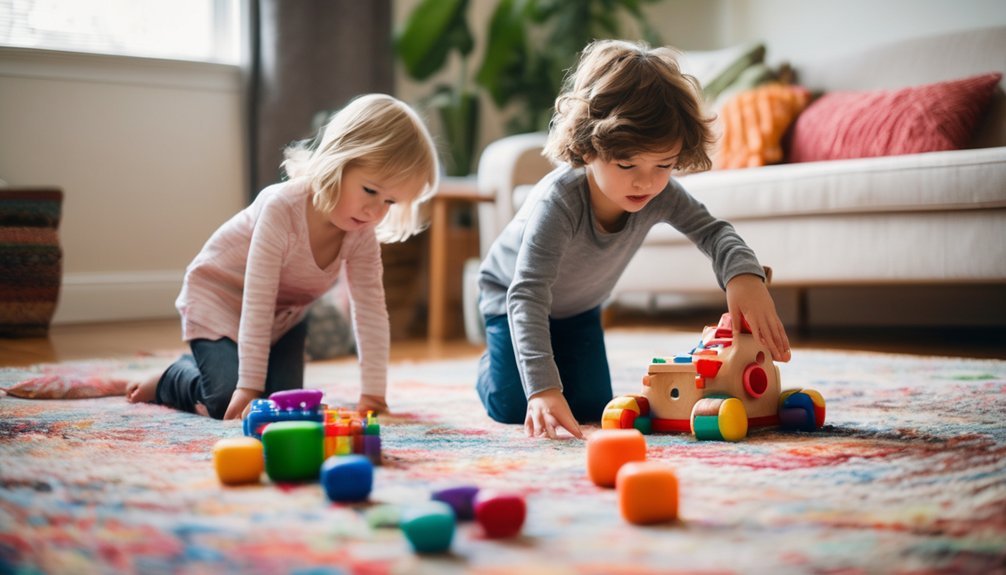
Sibling rivalry in young children is often less about hostility and more about a child’s need for attention, security, and a clear sense of place in the family.
Seen this way, the tension can feel more understandable and less alarming. Children at different developmental stages may react with jealousy, possessiveness, or sudden tears when a sibling seems to receive more warmth or notice.
These emotional triggers are often small: a lap shared, a toy borrowed, a praise given first. The behavior usually reflects immature coping, not a lack of love.
When adults recognize the feeling beneath the conflict, they can respond with calm steadiness and quiet reassurance. That approach helps each child feel seen, safe, and valued without making the rivalry larger than it is.
Set Clear Rules for Sibling Fighting
Clear rules give children a predictable boundary when emotions start to rise. A family can state simple limits: no hitting, no biting, no name-calling, and no throwing objects.
These rules work best when they are brief, repeated often, and followed every time. When a quarrel begins, an adult can pause the interaction, name the behavior, and guide both children toward safer choices. This supports conflict resolution without shaming either child.
It also leaves room for emotional expression, since feelings may be spoken, not acted out. Young children often need calm reminders that anger is allowed, but hurting is not.
Consistency helps them learn that boundaries are steady, caring, and meant to protect everyone involved. Over time, the household becomes more secure, and tension loses some of its power.
Create Fair Daily Attention Routines
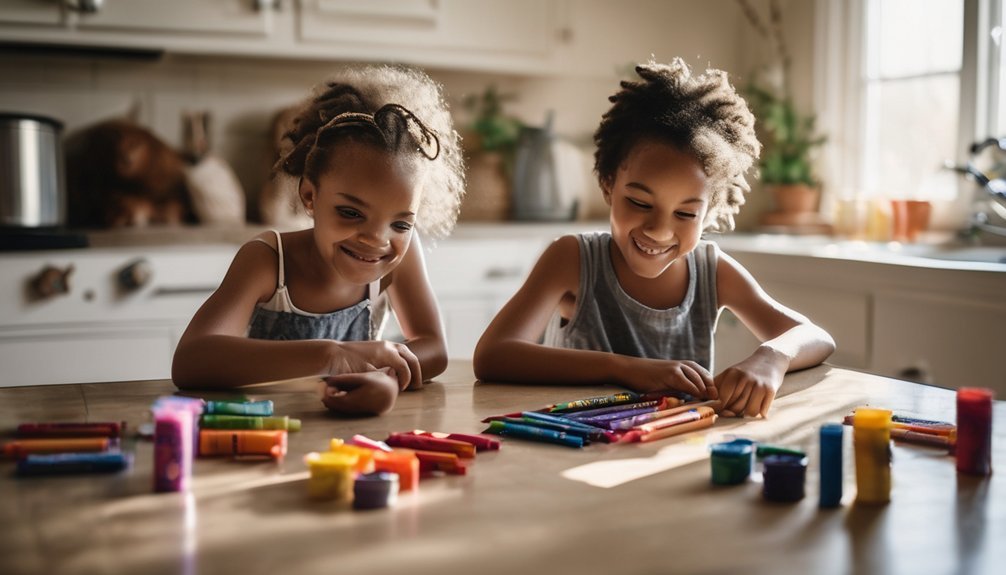
A fair daily attention routine can ease rivalry by helping each child feel noticed before jealousy has a chance to build. Caregivers can plan brief one-on-one moments into daily schedules, such as reading, talking, or helping with a small task.
Consistency matters more than length; even ten focused minutes can support attention balance and reduce the urge to compete for every glance. It helps to give each child a dependable time slot when possible, while also showing warm interest in ordinary moments throughout the day.
When routines feel steady, children often relax, trusting that affection is not scarce. This quiet predictability can make the home feel safer, softer, and more connected for everyone involved.
Teach Turn-Taking and Waiting Skills
Turn-taking can be taught as a calm, repeatable skill that helps children manage the frustration of waiting without feeling overlooked. Gentle practice works best when the adult stays consistent and warm. Short turn-taking games, like rolling a ball or sharing markers, show that each child will have a chance.
- Use a visual timer so waiting feels predictable.
- Offer simple waiting strategies, such as counting, singing, or holding a special item.
- Praise the child who pauses patiently, even for a few seconds.
Over time, these small lessons help siblings trust that their needs will be noticed. The goal is not perfection, but steady comfort with sharing space, time, and attention in a way that feels safe and caring.
Stop Sibling Fights Before They Escalate
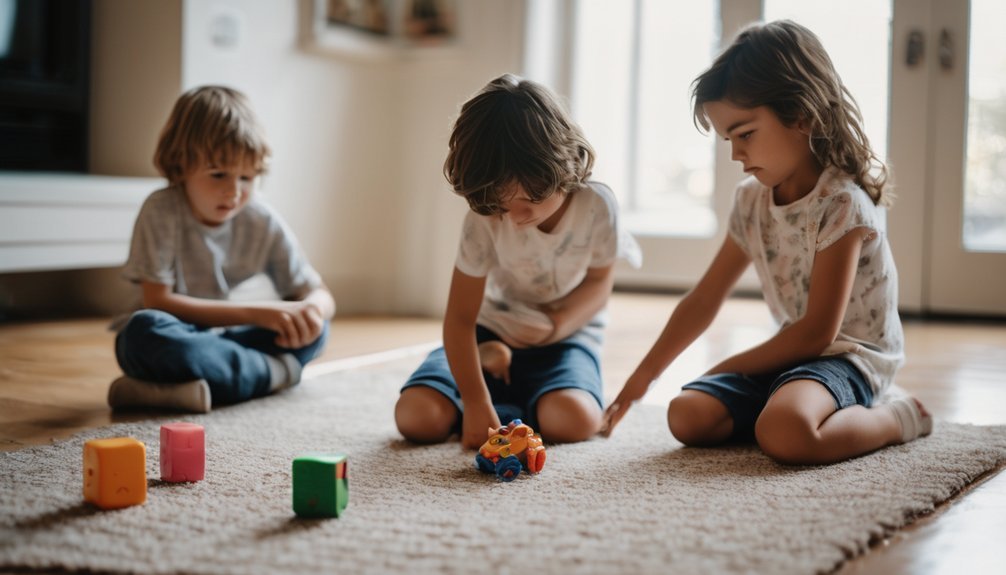
When tensions start to rise, early intervention can keep a small disagreement from becoming a full-blown fight. A calm adult can step in at the first sharp words, separate the children if needed, and lower the noise with a gentle voice.
Simple prompts such as “use words, not hands” or “tell me what you need” support emotional regulation without shame. Brief pauses help each child breathe, settle, and return to conflict resolution with clearer minds.
It also helps to name the feeling at hand: hurt, anger, or fear often sits beneath the struggle. When children feel seen quickly, the moment softens.
The goal is not perfection, but a steady, reassuring response that protects closeness and teaches safer ways to disagree.
Praise Cooperation Between Siblings
Noticing and naming cooperative moments can gently shift sibling dynamics in a positive direction. When children share toys, wait their turn, or help finish a task, a caregiver’s warm recognition can feel deeply reassuring.
Positive reinforcement works best when it is specific and immediate, so the praise feels earned and clear.
- Point out the exact behavior: “You both cleaned up together.”
- Link effort to feeling: “That teamwork made the room calmer.”
- Repeat praise during shared activities, like puzzles or setting the table, to build a sense of closeness.
Over time, children may begin to notice that working together brings attention, warmth, and ease. This simple pattern can nurture trust between siblings and make cooperation feel natural rather than forced.
When Sibling Rivalry Needs Extra Help
Even with steady encouragement and a focus on cooperation, some sibling conflict continues to feel intense, frequent, or hard to settle. When that happens, a parent may need extra help from a pediatrician, counselor, or family therapist. Persistent aggression, fear, sleep changes, or one child always withdrawing can signal deeper stress.
| Signs | What it may mean |
|---|---|
| Hurting | Safety concern |
| Daily battles | Ongoing strain |
| Big mood shifts | Hidden distress |
| Avoidance | Need for support |
| Repeated jealousy | Unmet needs |
Gentle attention to shared experiences can help children feel seen, but professional emotional support may be needed to restore calm. Reaching out is not failure; it is a caring step toward safety, steadier closeness, and healthier bonds for everyone involved.
Frequently Asked Questions
How Can I Tell if My Child Is Being Bullied by a Sibling?
A child may be bullied by a sibling if emotional signs appear, such as fear or sadness, with behavioral changes like withdrawal. Gentle communication strategies and conflict resolution help reveal patterns and support safety.
Should I Separate Siblings During Playtime to Reduce Arguments?
Like weather splitting clouds, separating siblings during playtime can sometimes ease tension. It may help playtime dynamics and conflict resolution, but short, supervised together-time should also be practiced, nurturing closeness while reducing arguments.
What Toys Help Siblings Share Better?
Shared toys, cooperative games, turn taking activities, and family boardgames often help siblings share better. He suggests choosing simple, appealing options that invite teamwork, while gently modeling patience and celebrating small moments of cooperation.
How Do I Handle Jealousy After a New Baby Arrives?
Like storm clouds after sunshine, jealousy often follows a new baby. She suggests jealousy management through special one-on-one time, praise, and predictable routines, while offering steady emotional support so the older child still feels cherished.
Can Sibling Rivalry Affect Sleep or Bedtime Routines?
Yes, sibling rivalry can cause bedtime battles and sleep disruptions. A calm, consistent routine, brief individual attention, and clear limits often help each child feel secure, easing tension and supporting more peaceful nights.
Conclusion
Sibling rivalry is common, and one helpful statistic shows that children who receive regular one-on-one attention from a parent often show fewer conflict-driven outbursts. Clear rules, fair routines, and simple turn-taking tools can make daily life calmer for everyone. When adults respond with patience and consistency, young children learn safer ways to express big feelings. With steady support, most sibling conflicts become chances to build stronger, kinder relationships over time.