
Planning toddler lunches for home or daycare works best when meals are small, balanced, and easy to handle. A good lunch usually includes a protein, a whole grain, and soft fruits or vegetables, with textures and sizes that fit a toddler’s chewing skills. Simple, familiar foods often help, but variety still matters. The challenge is finding options that are nutritious, low-mess, and practical enough to repeat through the week.
Key Takeaways
- Build toddler lunches with protein, whole grains, fruits or vegetables, and healthy fats in small, bite-sized portions.
- For home lunches, mix familiar foods with one new item, and offer warm, cool, crunchy, and creamy textures.
- For daycare, pack low-mess, travel-friendly foods like pasta, roll-ups, fruit, and vegetables in separate containers.
- Include easy protein options such as eggs, yogurt, cottage cheese, hummus, cheese, or bean-based snacks.
- Prep ahead with soft, simple foods and mild dips to reduce stress, support self-feeding, and keep meals appealing.
What Makes a Good Toddler Lunch?
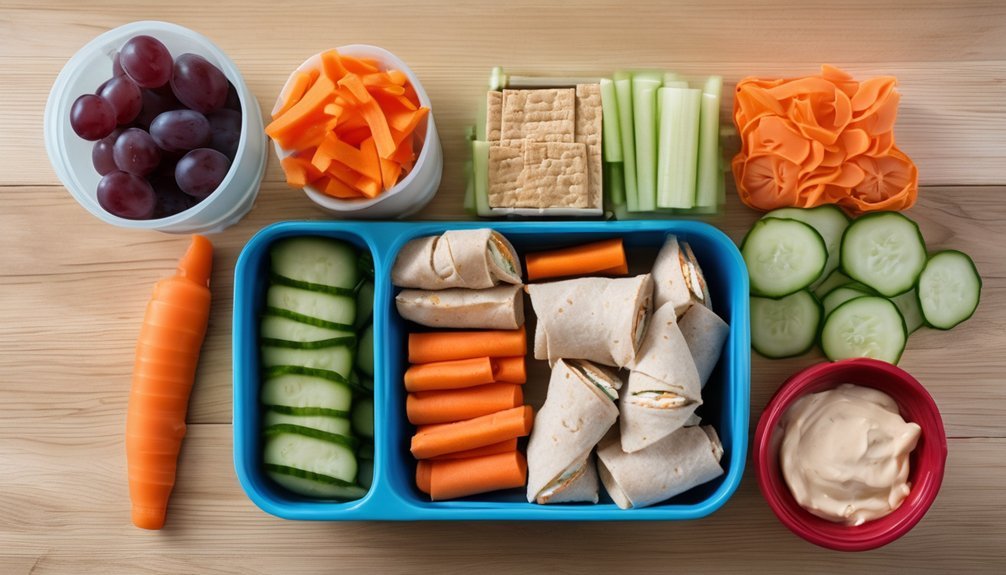
A good toddler lunch is one that is nutritious, easy to eat, and developmentally appropriate. It should offer nutritional balance, with protein, whole grains, fruits or vegetables, and a source of healthy fat.
Small portion sizes suit a toddler’s appetite and reduce waste, while still allowing enough food for steady energy and growth. Soft, bite-sized textures are often easier for young children to manage, especially when they are learning to chew and self-feed.
A good lunch also avoids excessive salt and added sugar, since a toddler’s tastes are still forming. Simple, familiar foods can feel comforting, yet variety helps broaden acceptance over time.
When lunch is both practical and appealing, it supports calm mealtimes and a child’s growing independence.
Easy Toddler Lunch Ideas for Home
Easy toddler lunches at home work best when they combine simple ingredients, modest portions, and familiar textures that are quick to prepare and easy to eat.
A balanced plate might include soft fruit, whole grain toast, yogurt, and sliced egg or beans, offering protein, fiber, and energy without overwhelming a small appetite.
For quick meal prep, caregivers can batch-cook grains, wash produce, and keep a few reliable combinations ready in the refrigerator.
Toddler taste preferences often shift, so repeating accepted foods alongside one new item can support gradual acceptance.
Warm, cool, crunchy, and creamy options help keep meals engaging, while mild seasoning usually suits sensitive palates.
Small choices, such as which fruit to add, can also give toddlers a sense of control.
Toddler Lunch Ideas for Daycare
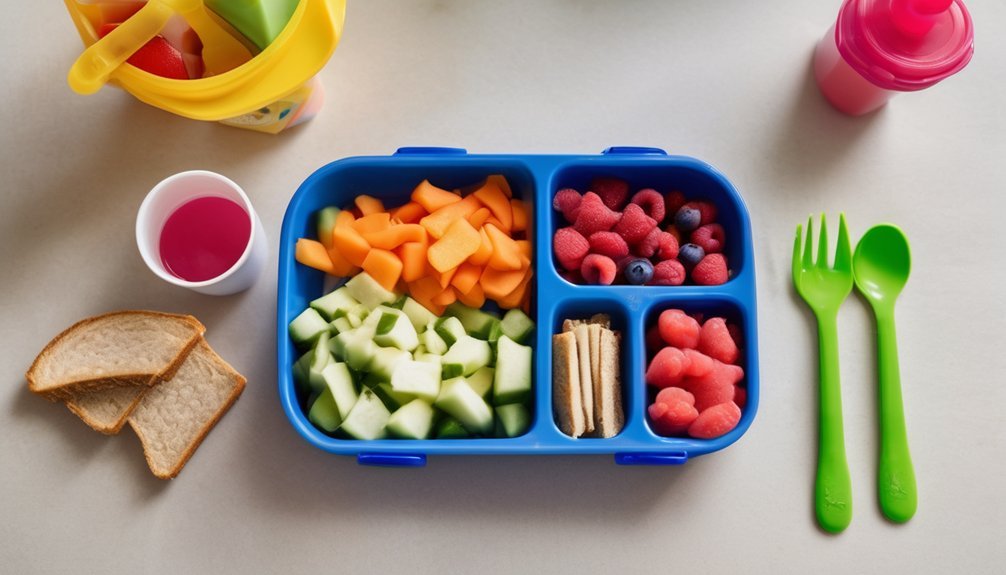
Daycare lunches work best when they travel well, meet center food rules, and still feel familiar enough for a toddler to eat with confidence.
In toddler nutrition, balance matters more than variety alone, so a daycare lunch can pair soft grains, fruit, and vegetables in small, safe portions.
Because daycare schedules are fixed, foods that hold their texture and can be eaten quickly are usually most helpful.
- Whole-wheat pasta with peas and diced fruit
- Turkey or bean roll-ups with cucumber sticks
- Yogurt, crackers, and sliced pear
Packing foods separately can reduce mess and make eating easier during short meal windows.
Cold packs and labeled containers help maintain safety and organization.
Mild flavors, manageable bites, and predictable foods often support steady eating without pressure.
High-Protein Toddler Lunch Ideas
When protein is included at lunch, toddlers often stay satisfied longer and have a steadier energy level through the afternoon.
Practical high-protein toddler lunch ideas can center on simple protein sources such as eggs, Greek yogurt, cottage cheese, hummus, beans, tofu, chicken, turkey, or nut butter when age-appropriate and safely served.
Small portions work well: egg salad on soft bread, yogurt with oats, or shredded chicken in a wrap.
Balance matters, so meals can be built around familiar textures and manageable bites.
For added convenience, snack pairings like cheese with crackers or hummus with pita can round out the plate without making lunch feel heavy.
Caregivers often find repeated, low-pressure exposure helps toddlers accept these foods more readily over time.
Toddler Lunch Ideas With Fruits and Veggies
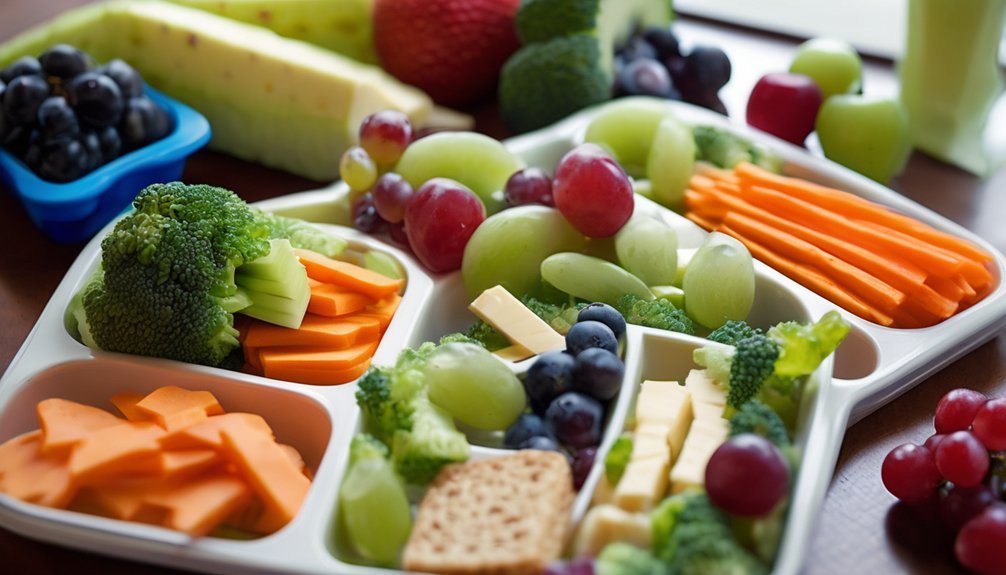
Toddler lunches that include fruits and vegetables can offer fiber, vitamins, and appealing color while still staying simple enough for small appetites. Balanced portions help toddlers explore flavors without pressure, and varied textures may support acceptance over time.
Gentle fruit pairings, such as soft pears with cheese or banana with yogurt, can make the meal feel familiar and comforting.
- Sliced strawberries with whole-grain crackers
- Steamed carrot coins with veggie dips
- Cucumber rounds with avocado and melon
These options work well because they combine sweetness, crunch, and mild savoriness. Fresh produce should be cut into safe sizes, with choking risks in mind.
When possible, rotating colors and seasonal items may keep lunch inviting while remaining practical for home or daycare.
No-Cook Toddler Lunch Ideas
No-cook toddler lunches can be a practical next step after fruit- and vegetable-based meals, especially on busy days or when time in the kitchen is limited. Good options often combine protein, fiber, and healthy fats to help support steady energy and satiety.
Examples include hummus with soft pita, yogurt with fruit, cheese cubes with whole-grain crackers, avocado spread on toast, or nut butter thinly spread on banana slices, if safe for the child. These meals allow quick assembly without relying on cooking, which can ease midday pressure.
A balanced plate matters more than variety alone, and small portions suit toddler appetites well. Caregivers should still watch choking risks, salt levels, and food texture, keeping each lunch simple, appealing, and easy for little hands to manage.
Make-Ahead Toddler Lunch Ideas
Make-ahead toddler lunches can reduce stress on busy mornings while still supporting balanced nutrition. With simple meal prep, caregivers can portion foods into small containers the night before, then assemble quickly at midday.
Good storage tips help preserve texture and safety: keep wet items separate, cool cooked foods before sealing, and label date markers for easy rotation.
- Mini pasta with peas, shredded chicken, and olive oil
- Soft muffin halves with avocado and cucumber sticks
- Rice balls paired with yogurt dip and fruit
These options hold well for home or daycare and can be adjusted for age-appropriate textures. A thoughtful routine often saves time, limits waste, and makes shared mealtimes feel calmer and more connected.
Toddler Lunch Ideas for Picky Eaters
Picky eaters often respond better to lunches that look familiar, use mild flavors, and include one or two accepted foods alongside a small new option.
Gentle repetition can lower resistance, while pressure usually backfires. Small portions support curiosity without overwhelming the child. Creative presentations, such as bright color groupings or compartmented plates, can make lunch feel less threatening.
Simple flavor pairings, like a familiar fruit beside a neutral grain or a preferred dip with a tender vegetable, may encourage tasting. Caregivers benefit from keeping expectations calm and consistent, since acceptance often grows slowly.
The goal is not to force variety, but to offer steady exposure. Over time, a trusted lunch pattern can help a hesitant eater feel safe enough to explore.
Safe Toddler Lunch Foods to Pack
Common options include:
- ripe fruit slices, such as banana or pear
- cooked vegetables, like carrots or peas
- tender proteins, such as beans, shredded chicken, or yogurt
Attention to food allergies is essential; labels should be checked, and shared foods avoided when needed.
Practical packing also means keeping textures moist, avoiding whole grapes, nuts, and hard chunks, and using containers that separate items neatly.
With these simple choices, a toddler lunch can feel safe, familiar, and comforting.
Easy Toddler Lunch Combos They’ll Eat
Easy toddler lunch combos work best when they pair familiar foods in small, balanced portions that are easy to chew and simple to serve. A practical plate might include turkey strips, soft fruit, and whole-grain crackers, or yogurt with banana slices and toast fingers.
These nutritious pairings support energy, protein intake, and fiber without overwhelming a small appetite. Many caregivers find that toddler taste testing improves acceptance, especially when one new food is served beside two trusted favorites.
Mild dips, such as hummus or plain yogurt, can add interest without excess sugar or salt. For home or daycare, the most successful lunches are predictable, colorful, and low-mess, helping toddlers feel secure while eating independently.
Frequently Asked Questions
How Much Lunch Should a Toddler Eat at One Meal?
A toddler typically eats about one-quarter to one-half of an adult lunch. Portion sizes should stay small, with meal variety offered across foods. Appetite varies day to day, and healthy eating means stopping at satiety.
What Drinks Pair Best With Toddler Lunches?
Water pairs best with toddler lunches; milk is another suitable choice. Small servings of diluted fruit juice options may be occasional. Healthy smoothie recipes can add nutrients, but unsweetened, low-sugar versions are preferable for daily use.
How Can I Keep Toddler Lunch Containers From Leaking?
Leak proof containers help by using silicone seals, snap-tight lids, and separating wet foods from dry. Durable container materials like stainless steel or BPA-free plastic reduce warping. Careful filling and upright storage further limit leaks.
What Are the Best Lunchbox Ice Packs for Toddlers?
Soft, chilled blocks tucked beside fruit can keep a toddler lunchbox cool. Gel and slim reusable ice pack types suit lunchbox organization best; evidence favors non-toxic, flat, fast-freezing options that fit securely and minimize condensation.
How Do I Handle Toddler Lunch Allergies at Daycare?
Toddler lunch allergies at daycare are handled best with a written care plan, labeled foods, and trained staff. Effective communication strategies and allergy friendly recipes reduce risk, while balanced monitoring supports safety and reassurance.
Conclusion
In the end, a good toddler lunch is less a meal and more a tiny engineering feat: nutritious, bite-sized, and just messy enough to test patience without launching into chaos. The best options balance protein, whole grains, fruits, and vegetables, while staying soft, familiar, and travel-friendly. With make-ahead planning and small choices, even picky eaters can be guided toward better eating, one carefully packed box at a time.