A good family weekend routine does not need to be packed to work well. It often starts with a calm Saturday morning, then shifts with the children’s energy, one outing, and one simple home activity. Chores, meals, and quiet time can all fit in without feeling forced. By Sunday, the focus can turn to reset and planning. The challenge is keeping it steady when plans change.
Key Takeaways
- Build a flexible weekend routine with outdoor activities, creative projects, or game nights that families can enjoy together.
- Start Saturday slowly with quiet breakfasts, soft music, yoga, or mindfulness for a calm, welcoming atmosphere.
- Match activities to children’s energy levels by balancing active play with reading, drawing, or other quiet downtime.
- Share age-appropriate chores using chore charts and gentle rewards to teach teamwork and keep weekends manageable.
- Keep predictable meal times, involve kids in cooking, and reserve Sunday for rest, bonding, and planning the week ahead.
How to Build a Family Weekend Routine

Building a family weekend routine works best when it balances structure with flexibility, giving everyone something to look forward to without making the days feel overplanned. A simple rhythm can center on family traditions that feel comforting and easy to repeat.
One weekend may include outdoor adventures, while another allows creative projects at the table or game nights after dinner. Some families enjoy volunteering together, which can add meaning and shared pride.
Others prefer movie marathons or slow cooking sessions that let conversations unfold naturally. Local events can also bring fresh energy without much effort.
The strongest routines leave room for choice, so each person feels included, seen, and gently connected through familiar moments that build closeness over time.
Start Saturday Calmly
Saturday often begins best with a slower pace, allowing the household to wake up without rush and settle into the day with ease. A gentle morning can help everyone feel more connected, especially when the first hour stays simple and unhurried.
Soft music, a quiet breakfast, and a few minutes of morning mindfulness can create a steady tone for the whole day. Some families enjoy family yoga in the living room, using easy stretches that let children move and parents breathe.
Others prefer reading together or sitting with warm drinks before plans begin. The goal is not perfection, but comfort. When Saturday starts calmly, the home feels less strained and more welcoming, giving each person a small pocket of peace.
Work Around Your Kids’ Energy Levels

After a calm morning, it becomes easier to notice when children are ready for more activity and when they need a slower pace. Gentle energy management helps protect family dynamics, keeping the day warm instead of rushed. A simple activity balance can guide the flow.
| Need | Response |
|---|---|
| Restless | active playtime strategies |
| Quiet | reading or drawing |
| Fussy | routine adjustments |
| Focused | engagement methods |
These small choices support motivation techniques without forcing cheerfulness. The downtime importance is just as real as movement, because children often reset in quiet moments. When adults watch closely, they can make kind routine adjustments that feel natural and caring. This approach keeps the weekend steady, allowing everyone to feel seen, understood, and close.
Balance One Outing and One Home Activity
A simple weekend rhythm often works best when one outing is paired with one home-based activity. This balance gives children something to look forward to without making the day feel rushed.
A morning trip to a park, market, or library can create shared memories and offer fresh air, while an afternoon of home activities restores calm. At home, the family might bake, read together, build a puzzle, or enjoy a movie after the excitement of family outings.
The plan stays gentle because it leaves room for conversation, rest, and easy transitions. When the day includes both movement and quiet time, children often settle more happily, and adults feel less pressure to entertain every hour.
Keep Chores Simple and Age-Appropriate
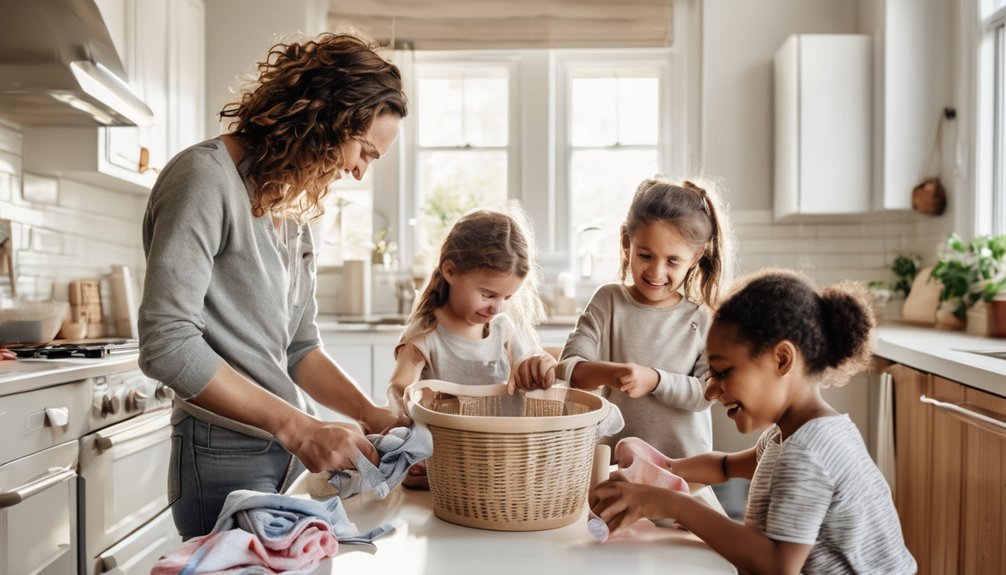
Simple chores can fit smoothly into a weekend routine when they match each child’s age and attention span. Younger children may handle toy pickup, napkins, or sorting socks, while older children can wipe counters, water plants, or fold towels.
Simple chore charts help everyone see what needs doing without long explanations. When tasks are small and clear, children are more likely to finish them with pride instead of resistance.
Families can frame chores as teamwork activities, not punishment, so the home feels shared and cared for. Gentle reward systems, such as extra story time or choosing the next game, can add motivation without pressure.
Keeping age tasks realistic helps weekends stay calm, connected, and manageable for everyone.
Make Meals Part of Your Weekend Routine
Weekend meals can anchor a family’s weekend routine by giving everyone a predictable time to gather, eat, and reconnect.
A little meal prep on Friday or Saturday morning can make the rest of the day feel smoother, especially when hunger arrives early. Simple breakfasts, shared lunches, and easy dinners create room for family bonding without adding pressure.
Children often enjoy choosing healthy snacks, washing fruit, or stirring batter, while adults can guide cooking together in small, manageable steps. This kind of routine turns the kitchen into a place for recipe exploration and kitchen fun, not just another task.
Even modest efforts, like making pancakes or soup, can feel special and memorable. Over time, these meals become comforting weekend traditions that everyone looks forward to.
Protect Time for Rest and Reconnection
Just as meals can set a steady rhythm, protected downtime can help a family’s weekend feel calmer and more connected. A simple pause from errands and screens gives children and adults space to breathe, notice one another, and enjoy family bonding without pressure.
Quiet stretches do not need to be elaborate; they can be soft and small, yet deeply meaningful.
- Read side by side
- Share a slow walk
- Try mindfulness activities, like breathing together
These moments help the home feel less hurried and more intimate. When rest is treated as part of the routine, it becomes easier for everyone to relax into the day and reconnect in natural, loving ways.
Use Sunday to Reset for the Week Ahead
After a slower Saturday, Sunday can serve as a gentle reset point before the week begins. A calm breakfast, a quick tidy, and a few minutes of Sunday reflection can help everyone feel oriented without pressure.
Parents may use this time for family planning, checking calendars, setting out school clothes, and noticing which meals will make the week feel easier. Children often respond well when they know what comes next, and even small routines can create that steady sense of care.
A short walk, a shared list, or a quiet evening at home can close the weekend with warmth. By keeping the reset simple, the household starts Monday feeling prepared, connected, and unhurried.
Stay Flexible When Plans Change
Even the most thoughtful weekend routine can shift when weather changes, a child wakes up tired, or errands take longer than expected. In those moments, a calm family benefits from adapting schedules without treating the day as lost. Small pivots can protect the mood and keep everyone connected.
- Swap an outdoor outing for a board game or movie.
- Shorten chores and save the rest for later.
- Let family spontaneity guide a new, easier plan.
This kind of flexibility teaches children that plans can bend without breaking. It also softens stress for parents who may feel pressure to keep everything on track.
When expectations stay realistic, the weekend feels less like a checklist and more like shared time that still matters, even when it looks different than planned.
Frequently Asked Questions
What Are Some Budget-Friendly Weekend Activities for Families?
Budget-friendly weekend activities include nature walks, library visits, picnics, board games, and free community events. These options help families connect, relax, and create warm memories without stretching the household budget.
How Can Parents Handle Sibling Conflicts During Weekends?
About 80% of siblings quarrel weekly; parents can guide conflict resolution by staying calm, setting turn-taking rules, and praising sibling bonding after apologies. This warm, practical approach helps weekends feel closer, less tense, and more connected.
What Are Good Rainy-Day Weekend Ideas for Kids?
Good rainy-day weekend ideas for kids include indoor crafts, movie marathons, baking, blanket forts, and simple board games. These activities keep spirits high, create cozy closeness, and offer practical ways to enjoy time together indoors.
How Do You Plan Weekend Routines With Toddlers and Teens?
They plan weekends by pairing toddler activities with teen outings: quiet mornings, flexible afternoons, shared meals. Juxtaposing play and independence supports family bonding, while schedule flexibility helps everyone feel seen, included, and warmly connected.
What Snacks Work Best for Busy Family Weekends?
Healthy snacks like fruit, yogurt, and trail mix work best for busy family weekends. Quick recipes offer portable options, while kid friendly, fun flavors, and energy boosters keep everyone satisfied, connected, and ready.
Conclusion
In the end, a family weekend routine works best when it stays simple, flexible, and kind to everyone’s energy. By starting Saturday calmly, mixing outings with home time, and keeping chores and meals shared, families can enjoy more connection and less stress. Protecting rest and using Sunday to reset helps the whole household start fresh. When plans shift, staying flexible keeps the wheels turning and the weekend feeling balanced and good.