Word puzzles can be a powerful tool in your classroom, sparking motivation and engagement among young learners. They not only enhance vocabulary and spelling but also promote critical thinking. By incorporating various types of word games, you can create a dynamic learning environment. As you explore the potential of these puzzles, consider how they might encourage collaboration and competition among students. The possibilities might surprise you. What strategies will you employ to maximize their impact?
Key Takeaways
- Word puzzles enhance language skills while making learning enjoyable, fostering a positive attitude towards education.
- Collaborative activities, like group challenges, promote teamwork and strengthen classroom bonds among young learners.
- Incorporating technology, such as interactive apps, keeps word puzzles fresh and engaging for students.
- Themed word searches and simple crosswords linked to favorite subjects spark interest and motivation in learners.
- Celebrating achievements boosts confidence and encourages a love for language through friendly competition.
The Benefits of Word Puzzles for Young Learners

While many activities can enhance a child’s learning experience, word puzzles stand out as a fun and effective way to boost language skills. When you introduce these puzzles, you’re not just making learning enjoyable; you’re also nurturing critical thinking and problem-solving abilities.
As your child engages with words, they expand their vocabulary and improve spelling without even realizing it. Plus, these puzzles can spark conversations, bringing you closer together as you work through challenges side by side.
You’ll notice their confidence grow as they conquer each puzzle, reinforcing a love for language. Ultimately, word puzzles create a rich, interactive environment that fosters learning and strengthens your bond, making every moment spent together special and meaningful.
Different Types of Word Puzzles to Explore
As you explore the world of word puzzles, you’ll discover a variety of engaging options that cater to different interests and skill levels.
Crossword puzzles challenge your vocabulary and problem-solving skills, while word searches invite you to find hidden words, making them perfect for beginners.
For a fun twist, try scrambled words, where you’ll rearrange letters to form words, sparking creativity.
If you’re feeling adventurous, dive into riddles that blend logic and language, keeping your mind sharp.
Anagrams are another great choice, allowing you to play with letters and discover new words.

Each type of puzzle offers a unique way to learn and grow, so pick what resonates with you and let the fun begin!
Tips for Incorporating Word Games in the Classroom
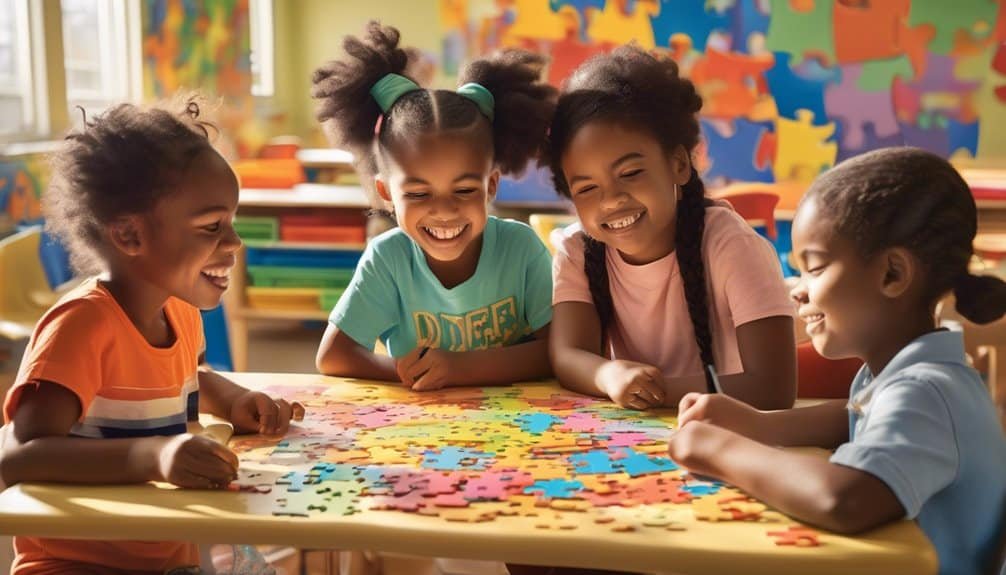
Incorporating word games in the classroom can significantly enhance learning experiences. Start by selecting games that align with your curriculum, like crossword puzzles or word searches, to make lessons more engaging.
You can encourage teamwork by forming small groups, allowing students to collaborate and learn from each other. Use technology, like interactive apps, to keep things fresh and exciting.
Remember to celebrate achievements, no matter how small, to boost morale and motivation. Lastly, ask your students for their input on the games they enjoy; their preferences can guide you in creating a more inviting atmosphere.
Engaging Word Puzzle Activities for Various Age Groups
Engaging young learners with word puzzle activities can spark their interest in language and boost their literacy skills. Tailoring these activities to different age groups makes learning fun and effective.
Here are some ideas you can try:
- Word Searches: Create themed word searches that align with what they’re learning in class. Kids love the challenge of finding hidden words!
- Crossword Puzzles: Use simple clues related to their favorite topics, making it easier for them to connect words with meanings.
- Hangman: This classic game encourages spelling and vocabulary while keeping the atmosphere light and playful.
These activities not only reinforce language skills but also create memorable moments in your classroom.
Integrate them into your lessons, and watch your students’ enthusiasm grow!
Encouraging Collaboration and Competition Through Puzzles

Word puzzles can also promote teamwork and friendly competition among young learners. When you set up group challenges, kids can collaborate, sharing ideas and strategies. This not only builds their problem-solving skills but also fosters a sense of community. Adding a competitive edge can spark excitement, motivating them to engage even more.
Here’s a simple way to structure a puzzle competition:
| Team Name | Points Earned | Puzzles Completed |
|---|---|---|
| Team A | 15 | 3 |
| Team B | 10 | 2 |
| Team C | 20 | 4 |
Encouraging collaboration through these fun puzzles helps create lasting friendships and a love for learning. Let the games begin!
Frequently Asked Questions
How Can Word Puzzles Improve Vocabulary Retention in Young Learners?
When you engage with word puzzles, you’re actively reinforcing vocabulary. As you solve clues and connect words, you’re not just learning; you’re making those words stick in your mind, enhancing retention effortlessly.
What Age Group Benefits Most From Word Puzzles?
You’ll find younger children, particularly ages 5 to 8, benefit most from word puzzles. Their brains are primed for language development, making it easier for them to grasp new vocabulary and enhance their learning experience.
Are There Any Online Resources for Word Puzzles?
You’ll discover a treasure trove of online resources for word puzzles! Websites like Education.com and ABCya offer endless fun. Dive in, and you’ll unlock a world of learning that’s more exciting than a rollercoaster!
Can Parents Use Word Puzzles at Home Effectively?
Absolutely! You can create a fun learning atmosphere at home with word puzzles. They’ll engage your child’s mind, boost vocabulary, and strengthen problem-solving skills. Plus, it’s a wonderful bonding experience you both will cherish.
How Do Word Puzzles Support Language Development Skills?
Imagine words dancing together, igniting your child’s imagination. Word puzzles sharpen their vocabulary, boost comprehension, and enhance spelling skills. You’ll see their confidence bloom as they tackle challenges and discover the joy of language.
Conclusion
Incorporating word puzzles into your classroom can truly spark a love for language in your young learners. As the saying goes, “practice makes perfect,” and these engaging activities not only boost vocabulary and spelling but also encourage teamwork and critical thinking. By exploring different types of puzzles and creating a lively environment, you’re setting the stage for success. So, embrace the fun of word games, and watch your students thrive as they learn together!