
Have you ever wondered if word puzzles truly enhance kids’ ability to recognize words? Engaging in these activities might offer more than just entertainment; they could be key to unlocking a child’s literacy potential. As children piece together clues and fit letters, they not only learn vocabulary but also build critical skills that support their overall language development. What specific benefits do these puzzles provide, and how can you effectively incorporate them into your child’s routine?
Key Takeaways
- Word puzzles enhance word recognition by familiarizing kids with various word shapes and sounds through interactive engagement.
- Solving puzzles boosts memory retention of tricky words, making them easier to recognize in different contexts.
- Regular engagement with word puzzles trains the brain to recognize patterns, aiding in quicker word identification.
- The fun and excitement of puzzles encourage exploration of new words, increasing overall vocabulary and recognition.
- Collaborative puzzle-solving with friends or family enhances social learning, reinforcing word recognition through discussion and shared experiences.
The Cognitive Benefits of Word Puzzles
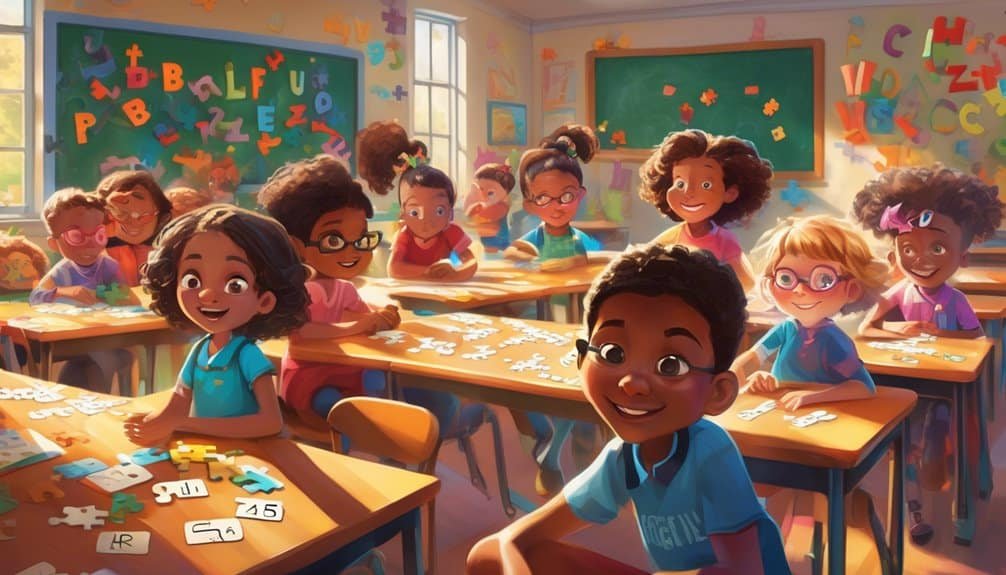
When kids engage with word puzzles, they’re not just having fun; they’re also sharpening their cognitive skills. You’ll notice how these activities stimulate their brains, enhancing critical thinking and problem-solving abilities. Each time they tackle a puzzle, they’re activating their memory and improving focus.
This playful approach to learning keeps them engaged, making it easier to absorb new concepts. Plus, working through challenges together fosters a sense of accomplishment, boosting their confidence.
As they decode clues and discover words, they’re developing essential skills that lay the groundwork for future success. So, encourage them to dive into these puzzles. They’re not just entertaining; they’re building a strong foundation for their cognitive growth, creating moments you can cherish together.
Enhancing Vocabulary Through Play
Word puzzles are a fun and effective way to boost vocabulary. When you dive into these engaging activities, you’re not just passing the time; you’re discovering new words and concepts.
Each puzzle invites you to think critically and creatively, helping you connect familiar terms with their meanings in playful ways. You might find yourself excitedly shouting out words as you solve clues or fit letters together. This playful exploration makes learning feel effortless and enjoyable.
Plus, the more you play, the more words you’ll remember. So, gather your family or friends and enjoy a word puzzle session together. You’ll not only enhance your vocabulary but also create cherished memories along the way.
Let the fun begin!
Strengthening Spelling Skills
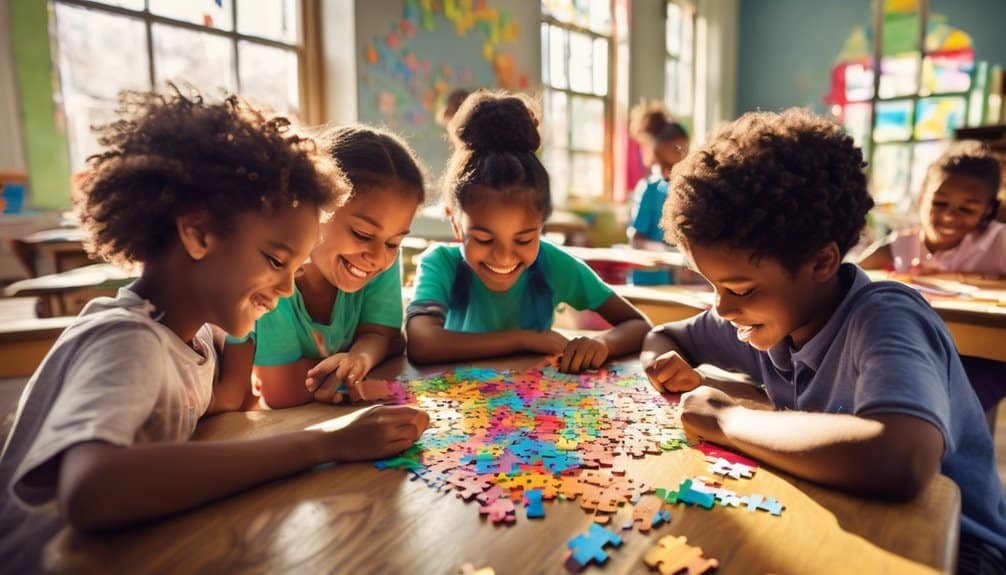
Tackling spelling challenges through word puzzles can significantly enhance your spelling skills.
When you engage with word searches or crosswords, you’re not just having fun; you’re actively training your brain to recognize patterns and recall spellings.
Each time you work through a puzzle, you reinforce your memory of tricky words, making them easier to spell in everyday situations.
Encouraging Critical Thinking
Engaging with word puzzles doesn’t just build vocabulary; it also fosters critical thinking skills. As you tackle these challenges, you’re not just filling in blanks—you’re analyzing patterns, making connections, and solving problems.
Each puzzle encourages you to think outside the box, pushing you to explore multiple solutions. You’ll find yourself asking questions like, “What word fits here?” or “How can I rearrange these letters?” This process stimulates your brain, sharpening your reasoning abilities.
Plus, when you work through puzzles with friends or family, you’ll share ideas and strategies, making it a collaborative adventure. Ultimately, these moments of inquiry and exploration will help you develop a more profound understanding of language and its nuances.
Building Confidence in Reading

As you dive into word puzzles, you’ll quickly notice how they can boost your reading confidence. Each time you solve a puzzle, you’re not just finding words; you’re engaging with them, becoming familiar with their shapes and sounds.
This familiarity helps you tackle new words with ease, making reading feel less daunting. You’ll find yourself recognizing words more quickly, which means you won’t hesitate as much when reading aloud or tackling challenging texts.
That growing confidence radiates, encouraging you to explore more books and stories. Each small victory adds up, making you believe in your abilities. So, embrace those puzzles; they’re not just games, but stepping stones towards becoming a more confident reader.
Fostering a Love for Language
When you immerse yourself in word puzzles, you’re not just playing; you’re nurturing a genuine love for language. Each letter you uncover and every word you piece together opens a door to new worlds and ideas.
You start to see language not just as a tool, but as a beautiful tapestry woven with meaning and emotion. The thrill of solving a puzzle can ignite curiosity, encouraging you to explore synonyms, antonyms, and even the stories behind words.
You’ll find joy in discovering new expressions and a sense of connection to others who share this passion. By engaging with language in this playful way, you’re planting seeds of appreciation that can blossom into a lifelong love for reading and writing.
Practical Tips for Incorporating Word Puzzles at Home

Incorporating word puzzles at home can further nurture your child’s love for language. Start with simple crosswords or word searches that align with their interests—maybe animals or superheroes. You can even create custom puzzles using family names or favorite toys, making them feel special.
Set aside a cozy time each week dedicated to puzzle-solving together, turning it into a cherished ritual. Encourage your child to explain their thought process as they solve, fostering communication skills. Don’t forget to celebrate their successes, no matter how small; it’ll boost their confidence.
Finally, mix in some digital apps for variety, allowing them to explore puzzles on the go. These small steps can make learning a delightful adventure at home.
Frequently Asked Questions
What Age Is Best for Introducing Word Puzzles to Children?
You can start introducing word puzzles to kids around age 4 or 5. At this age, they’re curious and ready to explore letters and words, making it a perfect opportunity for fun learning experiences together.
How Can Parents Create Their Own Word Puzzles at Home?
You can easily create word puzzles at home by choosing a theme, selecting relevant words, and arranging them in a grid. Add clues or hints for added fun, and watch your kids enjoy solving them together!
Are There Specific Types of Word Puzzles Kids Prefer?
Kids often love crosswords for their challenges, while word searches offer a comforting simplicity. You’ll find they enjoy the thrill of solving puzzles together, laughing and bonding as they uncover hidden words in a playful adventure.
How Often Should Kids Practice With Word Puzzles?
You should encourage your kids to practice with word puzzles a few times a week. Regular engagement keeps it fun and helps them build confidence while developing their skills without feeling overwhelmed or pressured.
Can Word Puzzles Be Beneficial for Children With Learning Disabilities?
Imagine a treasure map leading to hidden gems; word puzzles can be just that for kids with learning disabilities. They boost confidence, enhance problem-solving skills, and make learning feel like an exciting adventure. You’ll see progress!
Conclusion
In the garden of learning, word puzzles are the seeds that bloom into confident readers. By nurturing your child’s skills through these engaging activities, you’re cultivating a love for language that will flourish over time. Each puzzle solved is a stepping stone, leading them to greater vocabulary, spelling prowess, and critical thinking. So, plant those seeds at home, and watch as your child blossoms into a skilled wordsmith, ready to tackle any text that comes their way.