
If you’re looking to boost your literacy skills, starting with simple word puzzles can be a game changer. They not only introduce new vocabulary but also make the process enjoyable. As you tackle these challenges, you might find your comprehension and fluency improving. But what types of puzzles should you try, and how can they fit into your routine? Let’s explore the various ways these engaging tools can enhance your language abilities.
Key Takeaways
- Begin with simple crossword puzzles to connect clues with familiar words, making reading enjoyable and engaging.
- Try word searches to build vocabulary by identifying hidden words within a grid, enhancing word recognition skills.
- Engage with anagrams to rearrange letters into new words, stimulating creative thinking and language appreciation.
- Use themed puzzles related to stories to deepen comprehension and maintain interest in the material being read.
- Share puzzles with friends or family to foster conversation and make reading a collaborative, enjoyable experience.
The Benefits of Word Puzzles for Reading Skills
While you might think of word puzzles as mere entertainment, they actually offer significant benefits for your reading skills. Engaging with these puzzles sharpens your vocabulary, helping you discover new words and their meanings.
As you solve them, you’ll find your comprehension improves, making it easier to grasp complex texts. You’re also training your brain to recognize patterns and context clues, which can enhance your overall reading fluency.
Plus, the thrill of cracking a puzzle can motivate you to read more, deepening your connection with stories and ideas.
Types of Word Puzzles to Try
There are countless types of word puzzles you can dive into, each offering a unique challenge and enjoyment.
Crossword puzzles invite you to connect clues with words, sparking your creativity. Word searches let you hunt for hidden words in a sea of letters, providing a delightful sense of accomplishment when you find them. Anagrams challenge you to rearrange letters into new words, keeping your mind agile.
If you’re feeling adventurous, try your hand at cryptograms, where you decode messages using a simple substitution cipher. Each type of puzzle not only entertains but also strengthens your love for language.
How Word Puzzles Enhance Vocabulary
Engaging with various types of word puzzles not only entertains but also plays a significant role in enhancing your vocabulary. When you tackle these challenges, you’re not just having fun; you’re actively learning new words and their meanings.
Each puzzle prompts you to think creatively and contextually, helping you remember words better. You’ll discover synonyms and antonyms, enriching your language and expression.
As you solve crosswords or word searches, you’re likely to stumble upon terms you mightn’t encounter in daily life, making your conversations more vibrant. Plus, the thrill of piecing together answers boosts your confidence in using those new words.
Spelling Improvement Through Puzzles
Puzzles can significantly boost your spelling skills, making learning both enjoyable and effective. As you engage with different word puzzles, you’ll notice how your brain starts to connect letters and sounds more naturally. It’s like giving your mind a warm hug while you learn.
Here’s a simple table of words to practice:
| Word | Spelling |
|---|---|
| Beautiful | ? |
| Friend | ? |
| Believe | ? |
| Success | ? |
| Journey | ? |
Take a moment to fill in the blanks, and watch your confidence grow with each correct answer. Remember, the more you play, the better your spelling becomes. Let’s make learning a delightful adventure together!
Engaging Critical Thinking With Word Games
Word games not only enhance your spelling but also sharpen your critical thinking skills. When you dive into these puzzles, you’ll find yourself engaging in a delightful mental workout.
Here’s how they help you think critically:
- Problem-solving: You’ll learn to analyze clues and come up with solutions, boosting your logical reasoning.
- Pattern recognition: Spotting trends in letters and words helps you connect ideas more effectively.
- Creative thinking: You’ll stretch your mind to find alternative meanings and associations, enhancing your overall creativity.
Incorporating Puzzles Into Daily Reading Routines
While you might think of reading as a straightforward activity, incorporating puzzles into your daily routine can transform it into an interactive experience.
Imagine curling up with a book and sprinkling in a few word puzzles. As you read a chapter, pause to solve a crossword or find hidden words related to the story. This not only deepens your engagement but also makes the material more memorable.
You can even create themed puzzles for the books you’re exploring. Share these with friends or family to spark conversation and laughter.
Word Puzzles for Different Age Groups
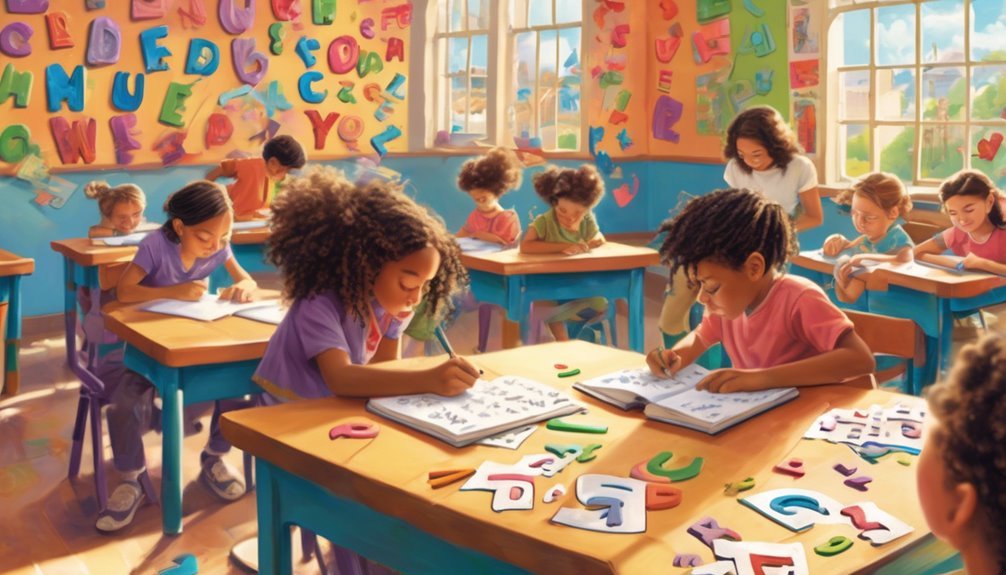
Engaging different age groups with puzzles can enhance their cognitive skills and foster a love for language. When you tailor word puzzles to various age levels, you create opportunities for fun and learning.
Consider these approaches:
- For toddlers, use simple picture-word associations to spark their curiosity.
- For school-age children, try crossword puzzles that introduce new vocabulary in an enjoyable way.
- For teens and adults, opt for word searches or cryptograms that challenge their problem-solving skills.
Creating Your Own Word Puzzles
Unleash your creativity by crafting your own word puzzles that cater to your audience’s interests and skill levels. Start by choosing a theme that resonates with them, whether it’s animals, sports, or favorite books.
Next, think about the types of puzzles you want to create—crosswords, word searches, or fill-in-the-blanks. Use relatable words and phrases that spark joy and connection.
Once you have your list, play with the layout and difficulty. Make sure to include clues that challenge but don’t frustrate.
Lastly, test your puzzles on a friend or family member to ensure they’re enjoyable. By sharing your creations, you not only enhance their reading experience but also foster a warm bond through shared fun and discovery.
Resources for Finding Word Puzzles Online
Have you ever wondered where to find a treasure trove of word puzzles online? You’re in luck! There are plenty of resources to keep your brain engaged and entertained.
Here are a few great places to start:
- Puzzle websites: Sites like Puzzle Baron and The New York Times offer a variety of puzzles that cater to all skill levels.
- Mobile apps: Download apps like Wordscapes or Word Search to solve puzzles on the go, anytime you want.
- Social media groups: Join Facebook or Reddit groups dedicated to word puzzles; they often share unique and fun challenges.
Frequently Asked Questions
How Do I Start With Word Puzzles for Beginners?
To start with word puzzles, you’ll want to choose simple ones that spark your interest. Try crosswords or word searches, and don’t hesitate to explore different themes. Enjoy the process; it’ll make learning fun!
Can Word Puzzles Be Beneficial for Adults?
You might wonder if word puzzles can truly make a difference for adults. They can! Engaging with them sharpens your mind, boosts vocabulary, and even provides a sense of accomplishment—making your day a little brighter.
Are There Any Apps for Word Puzzles?
Absolutely, there are plenty of apps for word puzzles! You can explore options like Words With Friends, Wordscapes, or even crossword puzzle apps. They’re fun, engaging, and perfect for keeping your mind sharp. Enjoy!
How Long Should I Spend on Word Puzzles Daily?
You should spend about 15 to 30 minutes daily on word puzzles. This time’s enough to challenge your mind and keep it sharp without feeling overwhelmed. Enjoy the process, and let your skills flourish!
Can I Use Word Puzzles for Language Learning?
“Practice makes perfect.” Yes, you can absolutely use word puzzles for language learning. They enhance vocabulary, improve spelling, and make learning fun. Dive in daily, and you’ll see progress while enjoying the journey.
Conclusion
Incorporating simple word puzzles into your reading routine can be a delightful journey, subtly guiding you toward enhanced literacy skills. As you explore the vibrant world of words, you’ll not only expand your vocabulary but also sharpen your spelling and critical thinking. Think of these puzzles as friendly companions on your path to fluency, igniting your curiosity and making learning feel less like a chore and more like an enjoyable adventure. Embrace the challenge, and watch your skills blossom!