
As your baby approaches six months, you might notice some key signs that indicate they’re ready for solid foods. Look for their ability to sit up with support, show interest in your meals, and even mimic chewing motions. These signals are crucial for a safe and successful transition. Understanding these signs can help you navigate the introduction of solids, but there’s more to consider before taking that step.
Key Takeaways
- Most babies are ready for solid foods around six months, marked by developmental milestones like improved head control and sitting with support.
- The loss of the tongue-thrust reflex around six months indicates readiness for solids and the ability to handle new textures.
- Increased appetite and frequent hunger cues, such as reaching for food, signal that a baby is ready for solid foods.
- Showing interest in family meals, like watching others eat and mimicking chewing motions, suggests readiness for solids.
- Consultation with a pediatrician is essential to assess readiness and discuss first foods, allergies, and feeding techniques.
Age Appropriateness for Solid Foods

Most babies are ready for solid foods around six months of age. This timing aligns with key developmental milestones, such as improved head control and the ability to sit with support.
Following nutritional guidelines, introducing solids too early can cause complications like digestive issues, while waiting too long may lead to nutrient deficiencies. By six months, your baby’s iron stores begin to deplete, making iron-rich foods essential.
You’ll notice signs like increased curiosity about what you’re eating or reaching for your food; these are positive indicators of readiness. Trust your instincts and observe your baby’s cues.
This transition is a beautiful journey of exploration and bonding, nurturing their growth and your connection. Enjoy this exciting new chapter together!
Ability to Sit Up Independently
As your baby develops the ability to sit up independently, it signals an important milestone in readiness for solid foods.
This newfound skill not only enhances their seating support but also indicates that they can manage the coordination needed for eating.
During the stability assessment, you’ll notice that your little one can hold themselves upright, which is crucial for safely consuming solids.
Sitting allows them to better engage with their food and reduces the risk of choking.
You can encourage this skill by providing safe, supportive environments for practice.
Once your baby can sit up independently, they’re closer to exploring the delightful world of flavors and textures that solid foods offer!
Loss of Tongue-Thrust Reflex
Once your baby begins to lose the tongue-thrust reflex, it’s a clear indication that they’re ready to start exploring solid foods. This reflex, which pushes food out of the mouth, typically fades around six months of age.
When you notice this change, it’s a sign of their feeding readiness. Your little one may now be more open to trying new textures and flavors.
As they master this skill, it’s essential to introduce a variety of foods to encourage healthy eating habits. This transition can be exciting, and you’ll want to support them through each step.
Pay attention to their cues, and remember that patience is key as they navigate this new adventure in solid foods.
Showing Interest in Family Meals
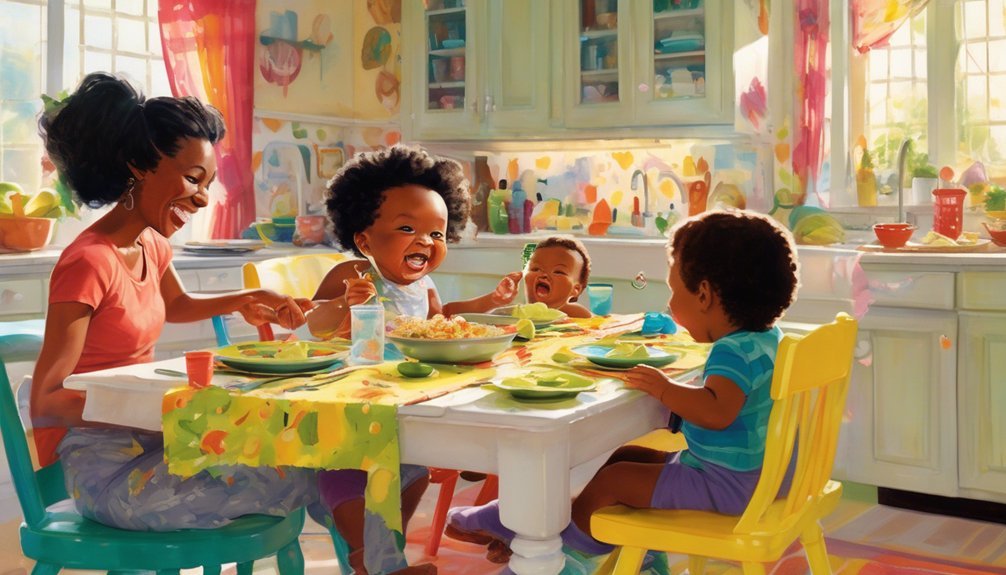
When your baby starts showing interest in family meals, it’s a strong signal that they’re ready to take the next step toward solid foods. This food curiosity is a natural part of their development, and encouraging family meal participation can make the transition smoother.
Observe your baby for signs like:
- Reaching for your food or utensils
- Watching you eat with keen interest
- Mimicking chewing motions
- Showing excitement during mealtime
These behaviors indicate they’re eager to explore new tastes and textures.
Sharing meals fosters a sense of belonging and helps them feel included. Embrace this moment and introduce simple, safe foods that complement your family’s meals, nurturing their curiosity and making mealtime a delightful experience together.
Increased Appetite
An increased appetite is another clear indication that your baby is ready for solid foods. You might notice more frequent hunger cues, like eagerly reaching for your meals or fussing after feeds. This growing appetite signals that your little one is ready to explore new flavors and textures.
| Hunger Cues | Portion Sizes | Solid Food Options |
|---|---|---|
| Reaching for food | Start with 1-2 tsp | Pureed fruits |
| Opening mouth | Gradually increase | Mashed veggies |
| Smacking lips | Watch for fullness | Soft cereals |
Listening to these cues helps you adjust portion sizes and ensure your baby enjoys this exciting transition into solid foods. Trust your instincts, and enjoy this journey together!
Ability to Chew and Munch
As your baby develops, you’ll notice their ability to chew and munch becomes more apparent, signaling readiness for solid foods.
You’ll want to observe their emerging chewing skills and munching techniques, which can indicate they’re prepared to explore new textures and flavors.
Look for these signs:
- Gumming and biting: Your baby may start gumming their toys or making chewing motions.
- Mouth movements: Watch for movements mimicking chewing, even without teeth.
- Interest in food: They may show excitement when seeing others eat.
- Experimentation: Your baby might attempt to mimic your eating behaviors.
These cues are essential for introducing solids, helping your little one navigate the exciting journey of eating.
Reaching for Food
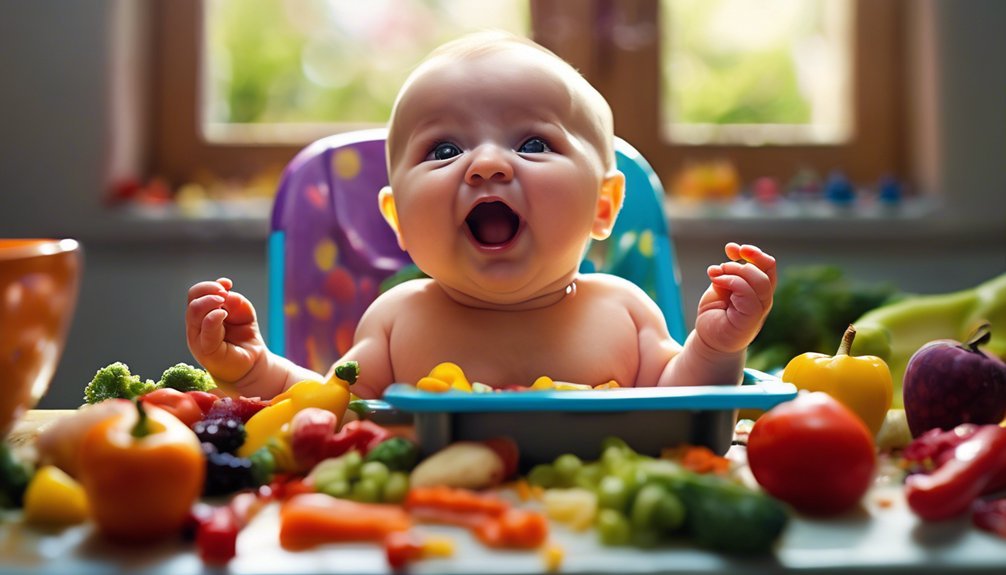
Once your baby starts reaching for food, it’s a clear sign they’re ready to embark on their solid food journey. This behavior shows their interest in food exploration, a crucial part of developing healthy eating habits.
When you notice those tiny hands reaching out, encourage their curiosity by offering a variety of healthy choices. You can place different textures and colors in front of them, making mealtime an exciting adventure.
Remember, this isn’t just about nutrition; it’s also about fostering a positive relationship with food. As you guide them through this new experience, celebrate their milestones and be patient.
Your support will help them feel secure as they discover flavors and textures, laying the foundation for lifelong healthy eating habits.
Experimenting With Texture
After your baby shows interest by reaching for food, the next step is exploring different textures. This is an exciting part of their food exploration journey!
Babies often have unique texture preferences, so it’s essential to introduce a variety. Start with soft foods and gradually incorporate different consistencies.
Here are some textures to try:
- Smooth purees (like applesauce)
- Mashed foods (such as bananas or avocados)
- Soft-cooked veggies (like sweet potatoes)
- Small, soft chunks (think well-cooked pasta)
Encouraging your little one to experience these textures helps them develop their palate and skills.
Pay attention to their reactions; they’ll guide you on what they enjoy. Enjoy this precious time of discovery together!
Good Head and Neck Control
Good head and neck control is a crucial milestone that indicates your baby is ready to tackle solid foods.
You’ll notice this strength when your little one can hold their head up steadily, keeping it aligned with their body. This head control shows that their neck muscles are developing, allowing them to sit upright in a high chair or your lap during mealtime.
When your baby can maintain this position, it’s a sign they’re ready to safely explore new textures and flavors. Strong neck strength not only supports safe eating but also helps prevent choking.
As you observe these developments, trust your instincts and celebrate this exciting journey into solid foods together. Your support and encouragement will make all the difference!
Ability to Swallow
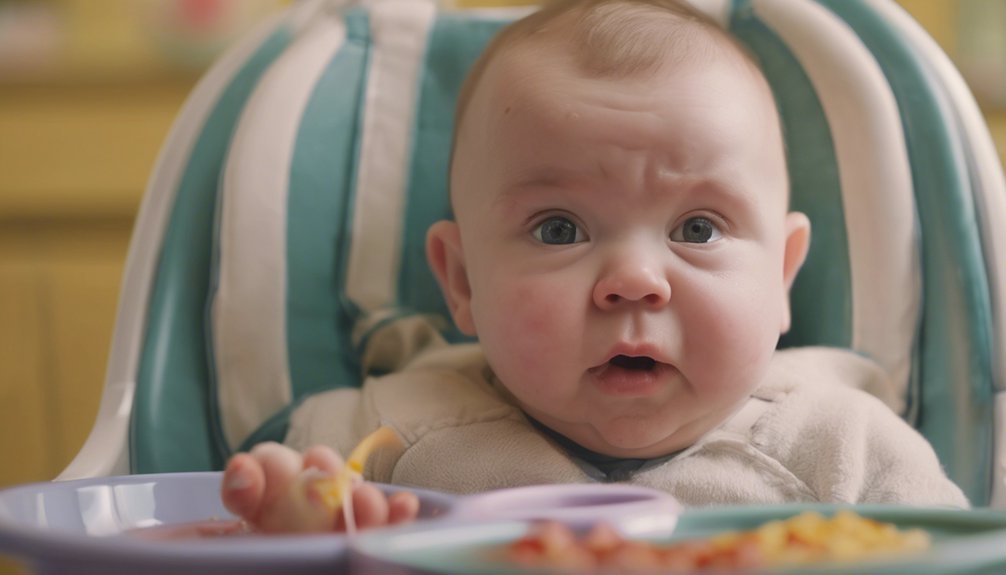
The ability to swallow is another important indicator that your baby is ready for solid foods. You’ll want to observe their swallowing mechanics to ensure they can handle the transition.
Signs to look for include:
- Your baby can move food to the back of their mouth without it pooling in the front.
- They demonstrate a coordinated tongue movement, pushing food against the roof of their mouth.
- They can swallow small amounts of pureed food without gagging or choking.
- Your baby shows interest in different textures during feeding.
Mimicking Eating Behaviors
One clear sign your baby is ready for solid food is their tendency to mimic eating behaviors. When you eat, you might notice your little one watching closely, occasionally trying to imitate your actions. This social eating aspect is crucial—babies learn by observing you, and it can be a delightful bonding experience.
Here’s a simple table to illustrate this behavior:
| Behavior | Baby’s Response | Why It Matters |
|---|---|---|
| Chewing motions | Mimics chewing | Encourages oral development |
| Reaching for food | Tries to grab food | Shows interest in eating |
| Watching closely | Focuses on you | Reinforces social interaction |
These moments highlight your baby’s readiness for solid foods, making meal times a shared experience.
Consult With a Pediatrician
As you observe your baby’s growing interest in your eating habits, it’s important to consult with a pediatrician before introducing solid foods.
Your pediatrician can provide invaluable advice tailored to your baby’s unique needs and help you navigate this exciting transition.
Here are some key points to discuss:
- Your baby’s readiness based on developmental milestones.
- Recommended first foods and allergy considerations.
- Proper portion sizes and feeding techniques.
- Signs of potential food allergies or sensitivities.
Frequently Asked Questions
What Are the Best First Foods for My Baby?
When choosing first food options for your baby, start with smooth purees like avocado or sweet potato. Gradually introduce thicker textures as they adapt. Remember, patience is key as they explore new flavors and sensations.
How Quickly Can I Introduce Multiple New Foods?
Introducing multiple new foods can be exciting. Follow a food introduction timeline, waiting three to five days between new baby food varieties. This helps you track reactions while ensuring your little one enjoys a diverse diet.
What Should I Avoid When Starting Solids?
When starting solids, you should avoid foods that pose choking hazards, like whole grapes or nuts, and be cautious with common allergens. It’s vital to introduce new foods slowly, watching for any allergic reactions.
How Can I Tell if My Baby Is Allergic?
Imagine a garden; some flowers bloom beautifully, while others wilt. If you notice allergy symptoms like rashes or swelling after food testing, it’s wise to consult a pediatrician for guidance and reassurance. You’re not alone.
Can I Start Solids if My Baby Was Premature?
You can start solids if your baby was premature, but check with your pediatrician first. They’ll help you assess developmental milestones to ensure your little one’s ready for that exciting new feeding journey.
Conclusion
As you navigate this exciting milestone, remember that every baby is unique, and readiness signs can vary. By observing these cues, you’re not just introducing solids—you’re paving the way for a lifetime of healthy eating habits. Isn’t it amazing how your little one’s curiosity and development unfold at mealtime? Consulting with your pediatrician will ensure you’re on the right path, setting the stage for joyful and safe exploration of new flavors and textures. Enjoy this journey together!